Quick Guide
- So, What Exactly IS a Zircon Birthstone?
- A Gem Steeped in History and Lore
- The Zircon Color Spectrum: Way More Than Just Blue
- Zircon's Personality: The Good, The Bad, The Brilliant
- Your Guide to Buying a Zircon Birthstone
- Caring for Your Zircon Jewelry
- Zircon vs. The World: How It Stacks Up
- Answering Your Burning Questions
- Final Thoughts: Is the Zircon Birthstone Right for You?
Let's talk about the zircon birthstone. If you're a December baby, or just love unique gems, you've probably heard the name. But here's the thing – most people have the wrong idea about it. I know I did for years. I used to confuse it with that synthetic cubic zirconia stuff you see everywhere. Big mistake. Real zircon is a completely different beast. It's a natural, ancient gem with a fire and brilliance that can seriously rival a diamond, and it comes in a rainbow of colors that'll blow your mind. This guide is here to set the record straight, dig into everything that makes zircon special, and help you decide if it's the right stone for you.
I have to admit, when I first heard "zircon," my mind jumped to the cheap, sparkly stuff in mall jewelry. It took seeing a stunning blue zircon ring in an antique shop to make me stop and ask questions. The jeweler schooled me right then and there. That moment of confusion is exactly why we need to clear the air. So, whether you're shopping for a December birthday, looking for an alternative engagement stone, or just a gem enthusiast, stick around. We're going deep on zircon.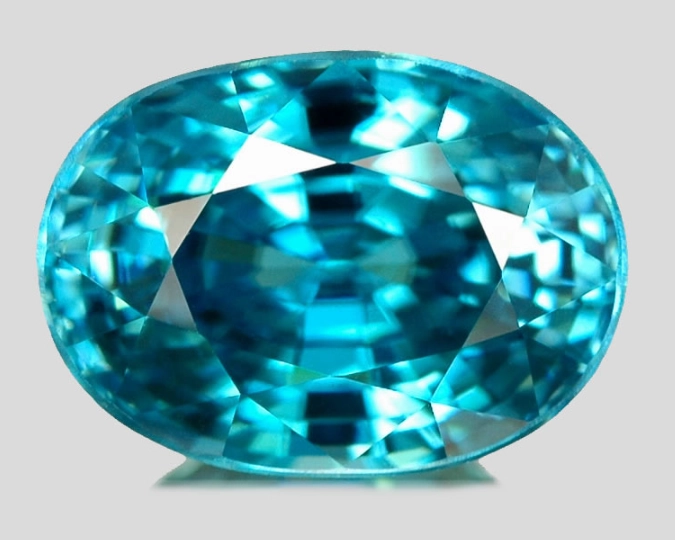
Bottom Line Up Front: Natural zircon is one of the oldest minerals on Earth, prized for its exceptional brilliance and wide color range. It's not cubic zirconia (which is lab-made). It's a genuine, often affordable, and stunningly beautiful birthstone option for December that deserves a second look.
So, What Exactly IS a Zircon Birthstone?
Let's start with the basics, because the name causes so much confusion. Zircon is a natural mineral, zirconium silicate (ZrSiO₄), to be precise. It forms in crystalline rocks all over the world and is actually one of the oldest minerals on the planet – scientists have found zircon crystals in Australia that are over 4.4 billion years old. Think about that. This gem has been around since the Earth was basically a baby.
Its claim to fame in the jewelry world is its high refractive index and strong dispersion. In plain English? It's incredibly sparkly. It bends light like crazy and splits it into flashes of rainbow colors, an effect gemologists call "fire." This optical property is why, in its colorless form, it was used as a diamond substitute for centuries before modern synthetics existed. People called it "Matura diamond" or "Ceylon diamond."
Now, the big mix-up. Cubic zirconia (CZ) is a synthetic, man-made material made of zirconium oxide. It has a similar name but a completely different chemical structure and origin. Calling a zircon birthstone "fake diamond" because of this mix-up is like calling a wolf a dog because they're both canines – it misses the entire point of what makes the wolf unique and wild. Zircon has its own identity, and a proud one at that.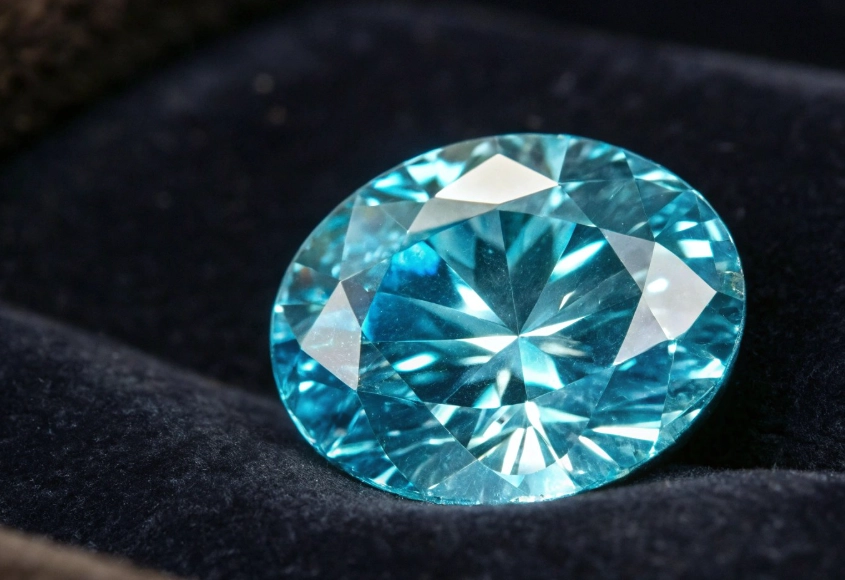
A Gem Steeped in History and Lore
Zircon isn't new to the scene. It has a rich history that gets overlooked. In the Middle Ages, people believed zircon could induce sound sleep, ward off evil spirits, and promote prosperity. Some ancient travelers carried it as a talisman for protection during journeys. The name itself is thought to derive from the Persian word "zargun," meaning "gold-colored," which hints at one of its most common natural hues.
It's been a staple in jewelry for hundreds of years, particularly in Victorian and Art Deco pieces. If you ever get a chance to look at antique jewelry, keep an eye out for those honey-yellow or warm brown stones with incredible sparkle – there's a good chance it's an old zircon. The Gemological Institute of America (GIA), one of the world's top gem authorities, has extensive archives and information on zircon's historical use, which really cements its legitimacy as a classic gemstone.
As the modern December birthstone (sharing the month with turquoise and tanzanite), zircon brings a fiery, brilliant option to the table that the other two don't offer. It represents wisdom, honor, and confidence in birthstone lore. Not a bad set of qualities to carry with you.
The Zircon Color Spectrum: Way More Than Just Blue
This is where zircon gets really fun. Ask someone about blue zircon, and they might know it. But that's just the tip of the iceberg. Heat treatment is commonly used to stabilize and enhance zircon's colors, and it's a practice accepted in the trade. The most famous result is that stunning blue zircon birthstone, but the palette is vast.
Myth Buster: "Heat-treated zircon is 'fake' or less valuable." Not true. Heat treatment is a standard, stable, and permanent enhancement for zircon that's been used for over a century. It simply unlocks the colors latent in the stone. An untreated, naturally vibrant blue zircon is exceptionally rare and commands a high price. Most beautiful blue zircon on the market is heat-treated, and that's perfectly okay – it's still a real, natural zircon.
Here’s a quick rundown of the main zircon birthstone color varieties you'll encounter:
Blue Zircon Golden Yellow / Champagne Reds & Oranges (Hyacinth) Violet & Mauve Colorless (Matura Diamond) Rich Honey Brown Deep Green (Rare)Now, I have mixed feelings about heat treatment. On one hand, it makes stunning colors like that signature blue accessible and affordable. On the other, it feels a bit like "cheating" nature's original palette. But then you see a heated blue zircon next to an untreated brownish one, and you get it. The transformation is incredible and permanent. The key is that any reputable seller should disclose this treatment to you.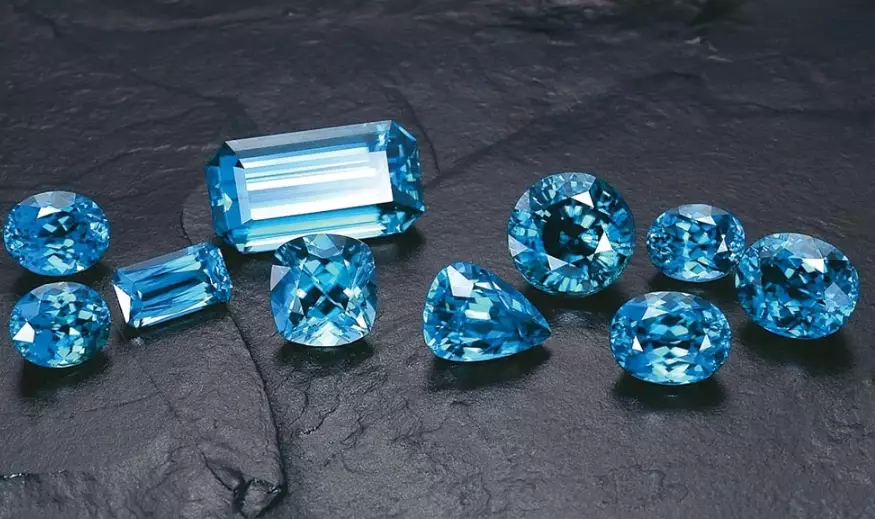
Breaking Down Zircon Colors: A Quick Reference
| Color | Rarity & Typical Source | Notes & What to Know |
|---|---|---|
| Blue Zircon | Most popular, usually heat-treated from brown material. Main sources: Cambodia, Sri Lanka, Vietnam. | The classic December birthstone look. Can range from pastel to vivid teal-blue. The most in-demand color. |
| Colorless ("White") | Less common than blue. Sri Lanka is a key source. | Shows off zircon's fire and brilliance best. A fantastic, ethical alternative to diamond for those on a budget. |
| Golden Yellow / Champagne | Fairly common in untreated stones. Found in Sri Lanka, Myanmar, Cambodia. | Warm, sunny, and often has a beautiful, natural glow. A great choice for vintage-style jewelry. |
| Reds, Oranges (Hyacinth) | Historically prized, now less common. Sources include Sri Lanka and Tanzania. | "Hyacinth" traditionally refers to these warm reddish-orange hues. Has a rich, historical feel. |
| Rich Honey Brown | Common in its natural, untreated state. Widely sourced. | Often the starting material for heat treatment to blue. In its own right, it's a warm, cognac-like stone. |
| Green Zircon | Very rare. Usually comes from radioactive elements in the crystal over time. | Often has a cloudy or "metamict" structure. Can be slightly radioactive (though safe when set in jewelry). Mainly for collectors. |
Personally, I'm drawn to the champagne and golden yellows. They have a warmth that feels more organic to me than the brilliant blues, though I won't deny a well-cut blue zircon is a showstopper.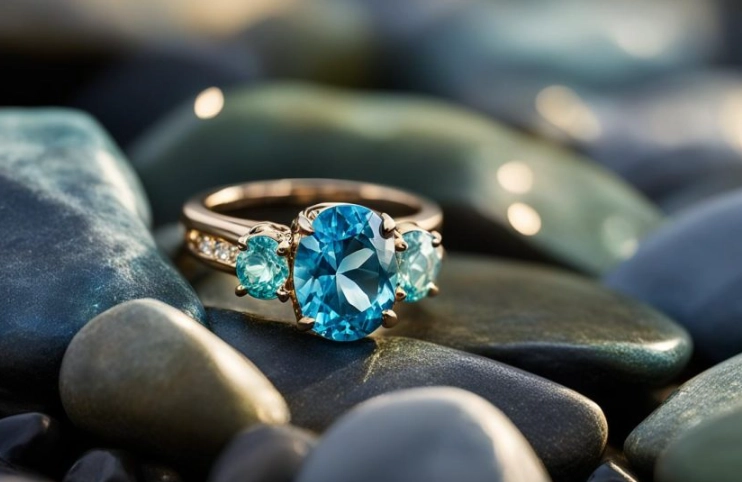
Zircon's Personality: The Good, The Bad, The Brilliant
No gem is perfect for every situation, and zircon is no exception. Knowing its personality traits is key to a happy, long-term relationship with your jewelry.
The Good (The Brilliant): We've covered the fire and sparkle. It's top-tier. Its hardness is decent – it sits at 6.5 to 7.5 on the Mohs scale. That means it's suitable for rings, but with some caution (more on that below). It's also relatively affordable, especially compared to diamonds, sapphires, or even a fine tanzanite. You can get a sizable, eye-catching zircon birthstone without breaking the bank.
The Quirk (The "Brittleness" Issue): This is zircon's most talked-about trait. Gemologists call it brittle or having poor toughness. In practical terms, zircon has a tendency to chip or wear along its facet edges if knocked really hard. This isn't a problem if you're careful, but it does mean you shouldn't treat it like a sapphire (Mohs 9) or a diamond (Mohs 10).
So, is zircon durable enough for daily wear?
Yes, absolutely – but with the right setting and some common sense. A zircon birthstone set in a ring should be in a protective setting like a bezel or a halo, which guards the edges. Avoid tall, exposed prong settings for an everyday ring. For earrings or pendants, where the risk of impact is much lower, you have almost nothing to worry about. I've worn a zircon pendant for years, and it looks as good as the day I got it.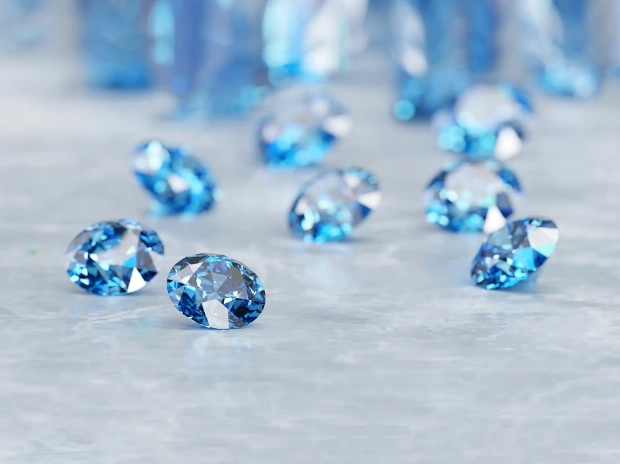
Your Guide to Buying a Zircon Birthstone
Ready to shop? Don't just grab the first shiny blue stone you see. Here's what really matters when you're evaluating quality.
The Four Cs (Adapted for Zircon)
- Color: This is king for zircon. For blue zircon, look for a pleasing, vibrant blue without gray or green overtones (unless you like that teal look). Saturation is key. For other colors, look for richness and evenness of tone.
- Cut: This is critically important. A great cutter will orient the stone to maximize its fire and brilliance while working with its optical properties. A poor cut will leave a zircon looking glassy and dead. Look for sharp, symmetrical facets and a stone that sparkles wildly under light.
- Clarity: Most zircon used in jewelry is eye-clean, meaning you won't see inclusions without magnification. Some stones, especially larger ones, may have visible inclusions. A few tiny inclusions aren't a deal-breaker and can prove it's natural, but they shouldn't interfere with the stone's sparkle.
- Carat Weight: Zircon is denser than diamond, so a one-carat zircon will look slightly smaller than a one-carat diamond. Don't fixate on carat alone. A well-cut 2-carat stone can look more impressive than a poorly cut 3-carat one.
Asking the Right Questions
When talking to a jeweler, cut through the fluff. Ask these directly:
- "Is this natural zircon, and is it heat-treated?" (Expect "yes" to treatment for blues, reds, and colorless stones).
- "What is the country of origin?" (Cambodia, Sri Lanka, and Myanmar are classic sources).
- "Can you show me how it looks in different lights?" (Zircon's color can shift a bit).
- "What kind of setting do you recommend for a ring to protect it?" (If they don't mention bezels or protective styles, be wary).
Price Ranges: What to Expect
Let's be real, budget matters. Zircon is wonderfully accessible.
- Commercial Grade: Lighter colors, some inclusions, decent cut. You can find these for $25-$75 per carat.
- Fine Grade: Good color (vivid blues, rich golds), eye-clean, very good cut. This is the sweet spot at $75-$200 per carat.
- Heirloom/Collector Grade: Top color, exceptional cut, large sizes (5+ carats). These can reach $300-$600+ per carat, especially for rare untreated colors.
A friend of mine learned this the hard way. She bought a "bargain" blue zircon ring online. When it arrived, it was a pale, grayish blue with a window (a dead spot in the center where light just falls through) because it was cut too shallow. She paid for a carat weight but got none of the magic. A slightly smaller, better-cut stone would have been a far better investment.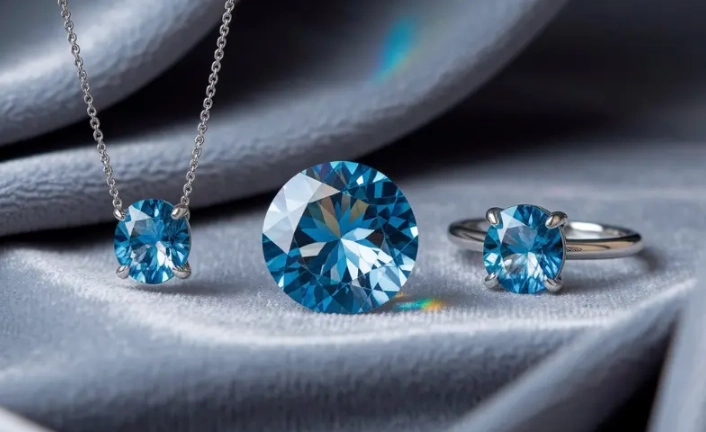
Caring for Your Zircon Jewelry
Zircon isn't fussy, but it does have a few simple rules. Follow these, and your stone will stay brilliant for decades.
- Cleaning: Simple is best. Warm water, a drop of mild dish soap, and a soft toothbrush. Gently scrub behind the stone where grime collects. Rinse thoroughly. Avoid ultrasonic cleaners and steamers – the vibrations and sudden heat can potentially cause fractures in a brittle stone.
- Storage: Store it separately. Because zircon can be scratched by harder gems (sapphire, diamond, even quartz), keep it in its own soft pouch or a separate compartment in your jewelry box. Don't just toss it in a pile with other pieces.
- Wear with Sense: Put your zircon ring on last when getting ready (after hairspray, perfume, and makeup). Take it off first when doing chores, gardening, sports, or anything involving hard knocks or chemicals. It's a "special occasion" or "office wear" stone for rings, but a "wear-it-everyday" stone for pendants and earrings.
Zircon vs. The World: How It Stacks Up
People often ask how it compares to other stones, especially since it's a December birthstone.
- Zircon vs. Cubic Zirconia (CZ): We've covered this. Zircon = natural, old, valuable for a gem. CZ = synthetic, cheap, mass-produced. Different materials entirely.
- Zircon vs. Diamond: Zircon has more "fire" (rainbow flashes) but less hardness (6.5-7.5 vs. 10). It's a fraction of the price. For a unique, fiery, and ethical alternative, zircon is fantastic.
- Zircon vs. Tanzanite (December birthstone): Tanzanite is softer (6-7), has a stunning violet-blue color but less fire, is rarer (only from Tanzania), and is often more expensive. Zircon offers more brilliance and durability at a lower cost.
- Zircon vs. Blue Topaz (December birthstone): Blue topaz is usually irradiated to achieve its color, is harder (8), has less fire, and is often very affordable. Zircon's color (when blue) is often more complex and lively, and its sparkle is unmatched in this comparison.
Answering Your Burning Questions
Final Thoughts: Is the Zircon Birthstone Right for You?
Look, zircon isn't for everyone. If you want the hardest stone on Earth and money is no object, you'll look elsewhere. But if you value brilliance, history, unique color, and getting incredible beauty for your dollar, you absolutely must consider zircon.
It's for the person who appreciates underdog stories – a gem that's been misunderstood and overshadowed by its synthetic namesake. It's for the December baby who wants something different from the usual blue topaz or tanzanite. It's for the vintage lover, the fire-chaser, the savvy shopper.
My advice? Go see one in person. Ask a local jeweler if they have any zircon pieces, even if it's just a loose stone. Hold it under a light. Watch it dance. That experience, more than anything I can write, will show you why this ancient gem has captivated people for centuries and why the zircon birthstone deserves a prime spot in the modern gem world.
Do your homework, ask the right questions, get a protective setting for rings, and enjoy one of nature's most brilliantly sparkly creations.