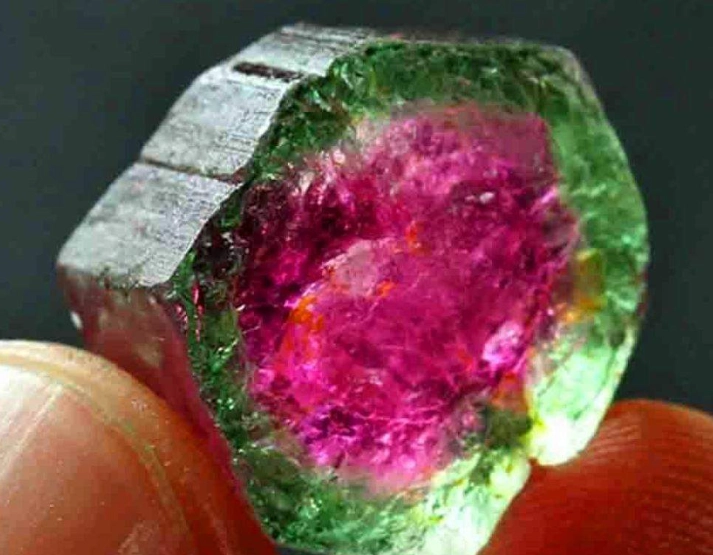
Let's cut to the chase. If you're drawn to tanzanite, it's probably not just because it's a December birthstone. It's that electric blue-violet flash that seems to hold a secret. Unlike diamonds or sapphires with centuries of lore, tanzanite's story is modern, urgent, and tied to a single, shrinking spot on the map. Found only in the foothills of Mount Kilimanjaro in Tanzania, this gem is a geological one-off. Geologists give the mines maybe another 20-30 years. After that, what's above ground is all there is. That fact changes everything about how you should think about buying, wearing, and valuing it.
Your Quick Guide to Tanzanite
What Makes Tanzanite a Special Birthstone?
Discovered in 1967, tanzanite is the new kid on the block. Tiffany & Co. saw its potential and named it after its country of origin, launching it into the spotlight. It was added as a December birthstone in 2002, joining turquoise and zircon. But it brought something completely different to the table.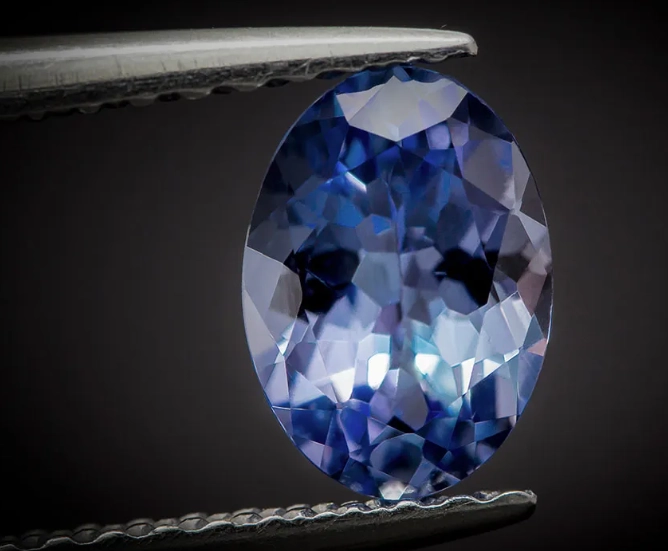
Its symbolism is a blend of its unique properties and modern interpretation.
The Magic of Pleochroism: This is the party trick. One gem, multiple colors. Look from one angle, you see deep blue. Tilt it, a flash of violet. In certain lights, some stones even show a hint of burgundy. This isn't a treatment; it's how the crystal structure bends light. A well-cut stone maximizes this dance of color. It symbolizes transformation, new perspectives, and the idea that there's more than meets the eye—pretty fitting for a birthstone meant to mark a new year.
A Stone of Uniqueness and Rarity: Every piece of tanzanite comes from an area about 7 kilometers long and 2 kilometers wide. Full stop. That singular origin story makes it a symbol of individuality and precious, fleeting opportunity. It's not a birthstone you just inherit; it's one you consciously acquire, knowing its backstory is finite.
A Common Misstep: People often compare tanzanite's blue to sapphire. That misses the point. Sapphire's blue is majestic and steady. Tanzanite's color is a shifting, electric blend. Valuing it purely on "how blue it is" ignores its essential violet soul and its main attraction. The most coveted stones balance both hues beautifully.
What Determines Tanzanite's Value?
Forget the 4Cs as you know them from diamonds. With tanzanite, the hierarchy shifts dramatically. Rarity drives the price, and color is the undisputed king, accounting for probably 70% of a stone's value.
1. Color: It's All About the Hue and Saturation
The trade uses informal grades like "Exceptional," "Vivid," "Intense," and "Moderate." But your eyes are the best tool. Look for a saturated, vivid blue with a strong secondary violet. The top color is often called a "BVI" (Blue-Violet Intense). Avoid stones that look too greyish or pale. Here's the kicker: lighting matters. Always check the stone under different lights—daylight, store light, your phone's flashlight. The best stones look rich in all of them.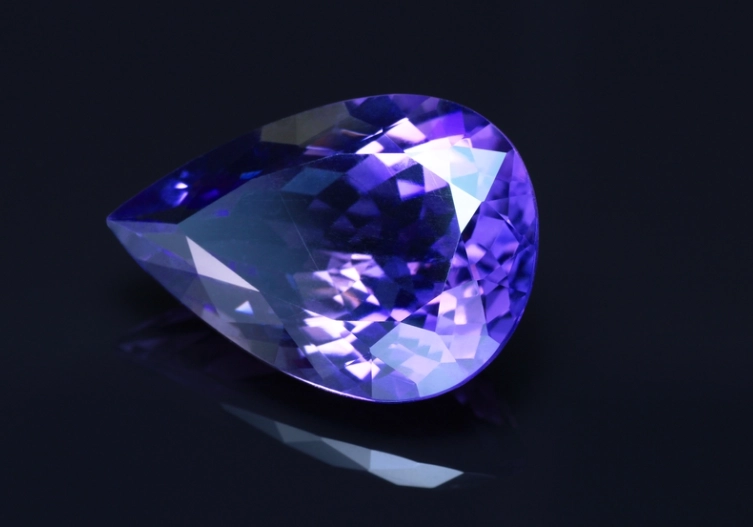
| Color Grade (Informal) | What You'll See | Impact on Value |
|---|---|---|
| Exceptional / Vivid BVI | Deep, saturated blue with strong violet flashes. No grey or brown tones. | Premium. The investment-grade standard. |
| Intense | Rich blue-violet, good saturation. May have slight tonal variations. | High. Excellent for fine jewelry. |
| Moderate / Light | Paler blue or violet, lower saturation. Can appear somewhat watery. | Moderate to Low. Often used in cluster settings or fashion jewelry. |
2. Clarity: Eye-Clean is the Sweet Spot
Tanzanite is a Type I gemstone, meaning it's typically very clean to the eye. You should expect no visible inclusions in a good quality stone. If you see obvious feathers or clouds, the value drops. However, don't pay a huge premium for "loupe-clean" (only clean under 10x magnification). For a gem you wear, eye-clean is perfect and much better value.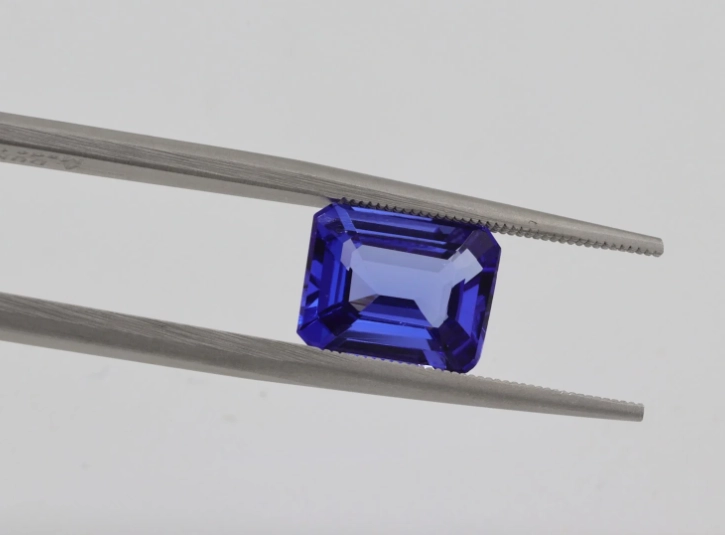
3. Cut: The Make or Break Factor
This is where many cutters drop the ball to save weight. Tanzanite's rough is expensive, so there's a temptation to cut for maximum carat yield, not beauty. A poor cut can make a stone look windowed (see-through and lifeless) or kill its pleochroic flash.
A great cut orients the stone to showcase the best blue-violet face-up, with good symmetry and polish. Oval and cushion cuts are classics that often work well. I've seen stunning 5-carat stones that look dead because they were cut like lumps of glass.
4. Carat Weight: Exponential Jumps
Prices don't increase linearly. A 5-carat stone of top color is worth significantly more per carat than a 1-carat stone of the same quality. Larger, clean, well-colored rough is exponentially rarer. Stones above 10 carats with top color are collector's items.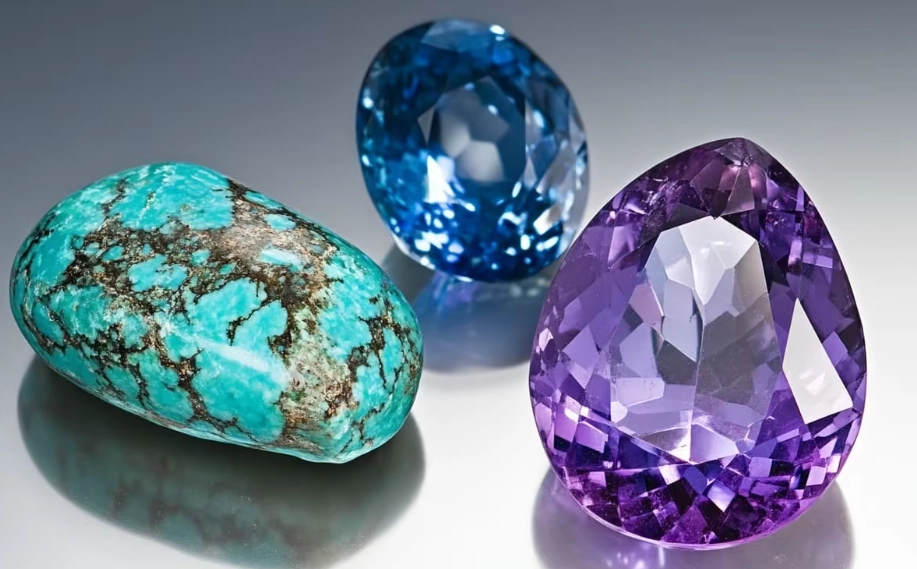
How to Care for Your Tanzanite Jewelry
Tanzanite has a hardness of 6.5 to 7 on the Mohs scale. For context, quartz (in dust) is a 7. This means it requires a bit of thought. You can't treat it like a diamond or sapphire.
Cleaning: Use warm water, mild dish soap, and a soft toothbrush. Ultrasonic cleaners are a definite NO. The vibrations can cause fractures in stones with existing stress. Steam cleaners are also risky due to sudden temperature changes. I learned this the hard way when a friend's beautiful pendant developed a tiny crack after one ultrasonic session.
Wearing: Don't sleep, shower, or exercise in it. Take it off before doing dishes, gardening, or any manual work. For rings, a bezel or halo setting offers more protection than exposed prongs. Consider it for "special occasion" or "desk job" wear, not daily rough-and-tumble.
Storing: Keep it separate in a soft pouch or a compartment in your jewelry box. It can be scratched by harder gems.
It's not fragile if you respect its limits. Think of it like a beautiful silk blouse—not for yard work, but stunning when appropriately worn.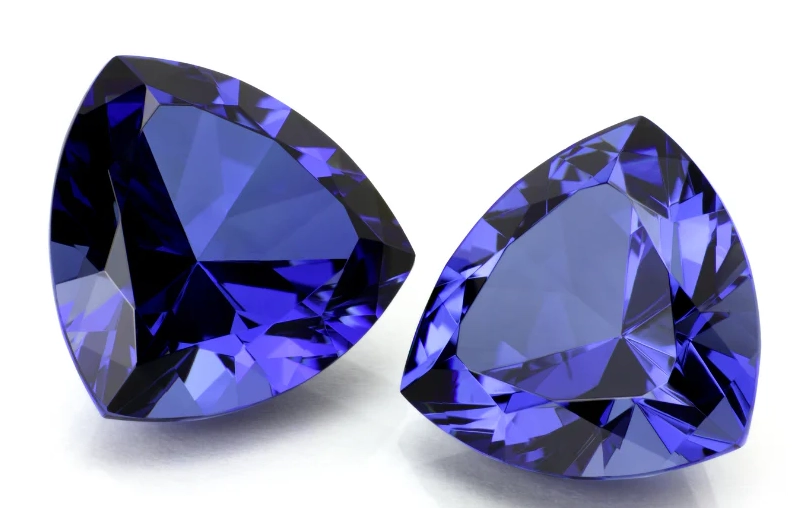
Buying Tanzanite: A Practical Guide
Let's get practical. You're ready to buy. How do you navigate this?
1. Set Your Priority: Color First. Decide on the color intensity you love. Don't let a seller talk you into a larger, paler stone if your heart is set on that vivid blue-violet. It's the color you'll stare at every day.
2. Certification is Non-Negotiable for Serious Purchases. For any stone over, say, $1000 or 2 carats, insist on a report from a major lab like GIA (Gemological Institute of America) or AGL (American Gemological Laboratories). This report is your DNA test. It confirms the stone is natural tanzanite, details its treatment (almost all are heated, which is fine), and grades its characteristics. It protects you from synthetics (yes, they exist) and misrepresentation.
3. Understand Treatments. Over 95% of tanzanite is heated at low temperatures to dissolve brownish components and enhance the blue-violet. This is permanent, stable, and expected. An unheated, naturally vivid stone is exceptionally rare and commands a colossal premium. The lab report will state "Heated" or "No indications of heating."
4. Choose a Reputable Seller. Look for specialists in colored gemstones, not just generic jewelers. They understand the nuances of cut and color grading. Ask questions: "Can you show me this under different lights?" "What is the stone's origin?" "Do you provide a lab report?" Their willingness to educate is a good sign.
5. Consider the Setting. For rings, protective settings are wise. White gold or platinum settings enhance the cool tones of the stone. Yellow gold can create a beautiful, contrasting frame that makes the blue pop even more—it's a matter of taste.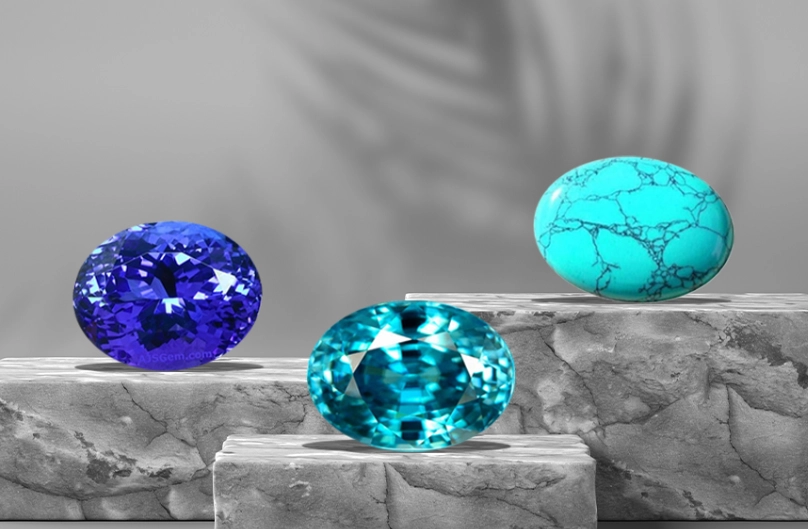
Your Tanzanite Questions, Answered
Can I wear my tanzanite ring every day?
It's not recommended for daily, high-impact wear. Tanzanite ranks 6.5 to 7 on the Mohs scale. Daily activities like typing, gardening, or knocking it against surfaces can cause chips or scratches. Reserve it for occasions or light-duty days. A bezel setting offers more protection than prongs.
Is tanzanite a good investment gemstone?
Its investment case hinges entirely on rarity, not tradition like diamonds. With a single, finite source, prices for top-color stones have historically risen. However, treat it as a long-term, speculative hold. The market is less liquid than diamonds. Focus on stones over 5 carats with exceptional violet-blue color and GIA certification for any investment consideration. Don't buy jewelry for pure investment; buy the loose stone.
How can I tell if my tanzanite is heat-treated?
You likely can't with the naked eye, and that's okay. Over 95% of tanzanite is heated to enhance its blue-violet color. This treatment is permanent, stable, and universally accepted in the trade. The key is disclosure. A reputable seller will always tell you. The value difference between a treated and a rare, unheated stone of similar appearance is massive, which is why a lab report is crucial for high-value purchases.
Why does my tanzanite look different under various lights?
That's its magic—pleochroism. Tanzanite shows different colors from different crystal directions. Under cool LED or daylight, you'll see more blue. Under warm incandescent or candlelight, it flashes more violet or even burgundy. A well-cut stone balances these flashes. If your stone only shows blue, it might be cut to maximize weight over beauty.
In the end, tanzanite is more than a December birthstone. It's a conversation piece, a geological wonder, and a purchase with a built-in story of rarity. By understanding its true value drivers and caring for it properly, you're not just buying a blue gem. You're becoming the custodian of a piece of that single, fleeting deposit near Kilimanjaro. Choose wisely, wear it thoughtfully, and enjoy that mesmerizing color shift—it's a show that never gets old.