Quick Guide to Birthstones
Let's be honest, most of us first hear about birthstones from a relative who gives us a little ring or pendant when we're kids. I remember mine—a tiny, scratchy garnet ring for January. I didn't think much of it then, just that it was red and kind of cool. But as I got older, I started wondering. Why this stone? What's the big deal? Is there more to it than just a color matching a month on the calendar?
Turns out, there's a whole world behind these gems. The history, the symbolism, the stories—it's fascinating stuff. It's not just about aesthetics; for many, it's about connection, identity, and a bit of ancient magic we still carry today. This guide is for anyone who's ever been curious about their birthstone, whether you're looking for a meaningful gift, a piece of personal jewelry, or just a fun dive into symbolism.
We'll walk through each month, unpack the layers of meaning, and talk about how these traditions evenstarted. I'll also throw in some practical stuff, like what to look for when buying and how to care for your stone. Because knowing the birthstone meanings is one thing, but making that knowledge work for you is another.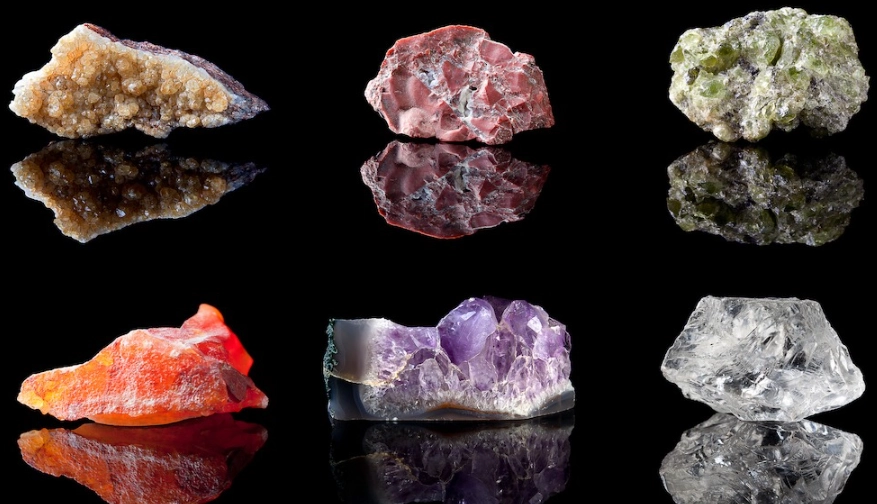
Where Did This Whole Birthstone Idea Come From, Anyway?
It's easy to think birthstones are a modern marketing ploy by jewelry stores. I kind of thought that for a while. But the roots go way, way back.
The most common story traces it to the Breastplate of Aaron, described in the Book of Exodus. This sacred garment worn by the High Priest was adorned with twelve gems, each representing one of the tribes of Israel. Later, scholars and mystics began to associate these stones with the twelve signs of the zodiac and eventually, the twelve months of the year. The idea that a specific gem held special power for a person born in a specific time period slowly took hold.
Fast forward to 1912, when the National Association of Jewelers in the USA officially standardized the modern list of birthstones. This list has been tweaked a few times (like adding tanzanite for December in 2002), which is why you might sometimes see older lists with different stones. The official list aims to create consistency, but many cultures have their own beautiful traditions. I find the historical mix-up part of the charm—it shows these meanings evolved with us.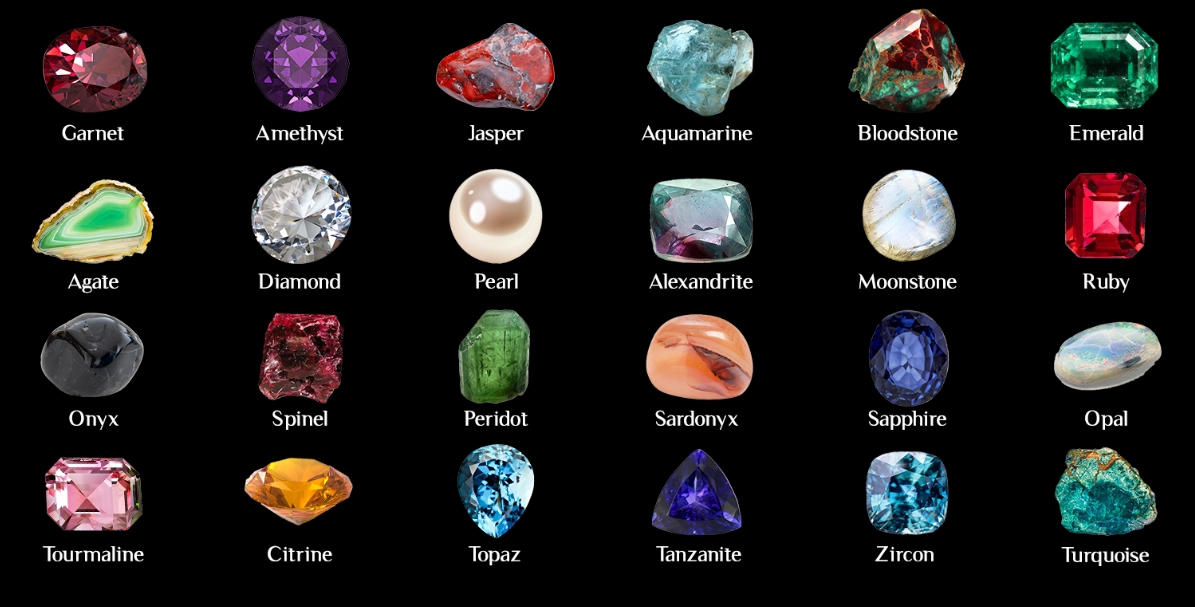
The Modern Birthstone List: A Month-by-Month Deep Dive
Here's where we get into the heart of birthstone meanings. This isn't just a quick list; let's really look at what makes each stone special. I've talked to jewelers and read way too many old gemology books to pull this together.
January: Garnet
Garnet isn't always the dark red we picture. It can be green (tsavorite), orange (spessartite), even purple! But the classic deep red almandine garnet is January's star. Its name comes from the Latin "granatum," meaning pomegranate seed, which is a perfect description of its color and shape in its raw form.
The core birthstone meaning for garnet is protection. Travelers in ancient times carried it to safeguard against accidents and nightmares far from home. It's also known as the stone of lasting friendship and trust. I gave a garnet pendant to a friend moving away years ago, leaning into that meaning, and she still wears it. It's a robust stone, durable enough for daily wear, which fits its protective reputation.
Some say it revitalizes feelings and brings success in business. Honestly, I can't vouch for the business success part, but its rich color certainly does add a warm, confident vibe to any outfit.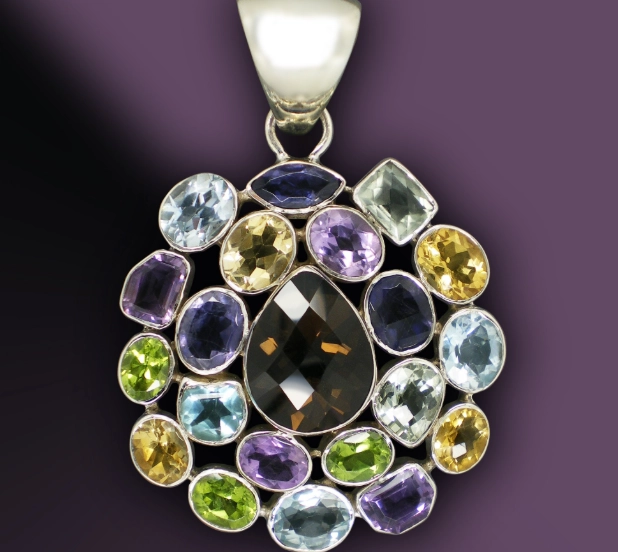
February: Amethyst
Ah, amethyst. The royal purple quartz. This one has a fun myth behind its name. It comes from the Greek word "amethystos," which means "not intoxicated." The ancients believed it could ward off drunkenness (they even carved drinking cups from it!). A more modern take on that birthstone meaning is clarity of mind and sobriety of thought.
It's been associated with calmness, peace, and spiritual wisdom for centuries. Bishops wore amethyst rings, and it was considered a stone of piety. Today, it's popular for its stunning color range, from light lilac to deep, intense violet. It's a type of quartz, so it's relatively affordable even in large sizes, making it great for statement pieces.
March: Aquamarine & Bloodstone
March gets two stones, offering a choice between serene blue and earthy green. Aquamarine, with its name meaning "sea water," is the better-known. Its birthstone meanings are all tied to the ocean: courage, calm, safe passage for sailors. It's said to cool tempers and allow for clear, calm communication. If you have to have a difficult conversation, some lore suggests wearing aquamarine.
Bloodstone (or heliotrope) is the alternative. It's a dark green jasper dotted with red spots of iron oxide that look like drops of blood. Its history is intense—linked to martyrdom, courage in battle, and healing. Medieval warriors carried it as an amulet to stanch bleeding. It's a much more grounding, protective stone compared to the airy aquamarine. Which one you connect with more says a lot, I think.
April: Diamond
No surprise here. The diamond is arguably the most famous gem on earth. Beyond its status as a symbol of everlasting love (thanks to a very successful 20th-century marketing campaign), its traditional birthstone meanings include invincibility, strength, and eternal love because of its unmatched hardness. It represents clarity, purity, and light.
But let's get real for a second.
Diamonds can be controversial due to mining practices. The good news? You have options now. Lab-grown diamonds are chemically, physically, and optically identical to mined stones but often more affordable and with a clearer ethical footprint. Vintage or antique diamonds are another stunning, eco-conscious choice. The meaning doesn't come from the earth alone; it comes from the story you attach to it.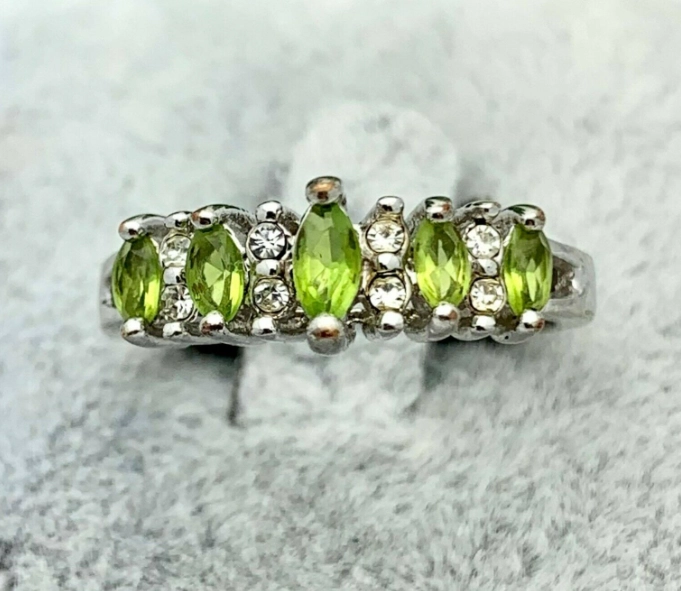
May: Emerald
The lush green emerald has been treasured since Cleopatra's time. It's a variety of the mineral beryl (like aquamarine) and gets its color from traces of chromium and vanadium. Finding a flawless, deep green emerald is rare, and most have visible inclusions—jewelers call these "jardin," French for garden, because they look like tiny foliage inside the stone. Many people, including me, love these inclusions; they're proof of the stone's natural birth.
Emerald's birthstone meaning is deeply tied to rebirth, fertility, and love. It was dedicated to Venus, the goddess of love. It's believed to enhance unity, compassion, and domestic bliss. It's a soft stone compared to diamond or sapphire, so it requires a bit more care to avoid scratches and knocks. But that vibrant green? Totally worth the extra TLC.
June: Pearl, Alexandrite, and Moonstone
June has the most options, and they're all incredible. Pearls are organic, formed inside mollusks. Their meaning is about purity, humility, and wisdom gained through experience. They're the only gemstone that comes from a living creature, which adds a unique, delicate beauty. Cultured pearls make them accessible.
Alexandrite is the chameleon. It's one of the rarest and most expensive gemstones because of its dramatic color-change effect: green in daylight, red under incandescent light. Discovered in Russia and named after Tsar Alexander II, its birthstone meaning involves balance, joy, and good fortune. It's for the June baby who loves magic and rarity.
Moonstone, with its soft, milky sheen (called adularescence), looks like a captured moonbeam. It's linked to intuition, feminine energy, and new beginnings. It's a more affordable, ethereal option.
July: Ruby
Rubies are red corundum, the same mineral family as sapphires. The finest, "pigeon's blood" red rubies from Myanmar can command prices per carat higher than diamonds. Their color is associated with blood, life, and vitality, leading to birthstone meanings of passion, courage, and protection. Ancient cultures believed rubies held the power of life. They were worn by warriors for protection in battle.
It's also considered the stone of nobility and love. A high-quality ruby's red is so intense and vivid it's almost unbelievable. They're very durable, second only to diamonds, making them perfect for heirloom pieces meant for daily wear, like engagement rings.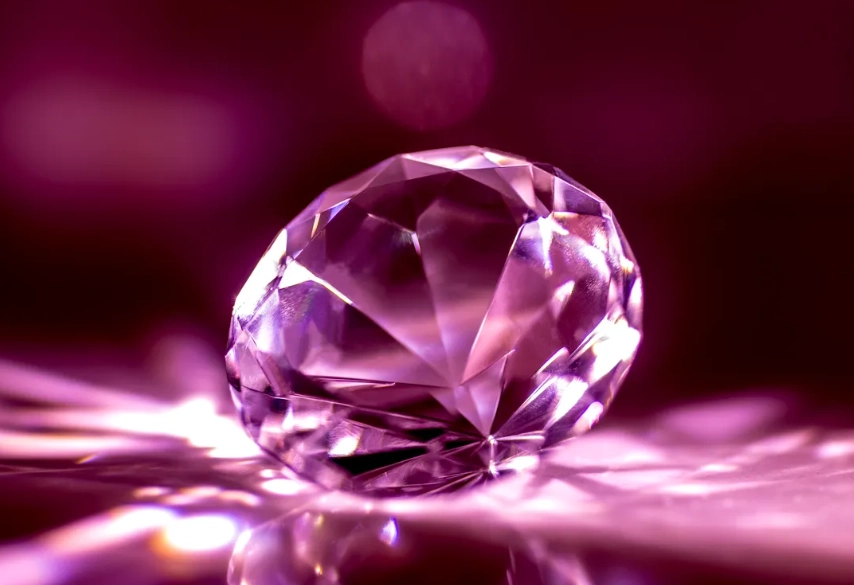
August: Peridot & Spinel
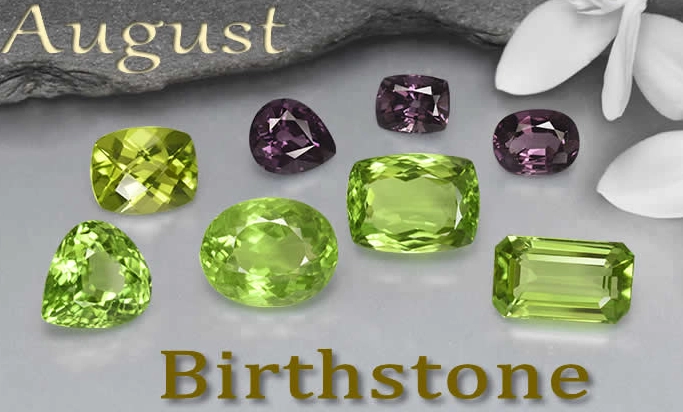
Peridot is that lovely, lime-green olivine gem. It's formed deep in the earth's mantle and sometimes arrives in meteorites! How cool is that? It's called the "evening emerald" because its bright green doesn't darken at night. Its meanings are about cleansing—warding off negativity, jealousy, and anxiety. It's linked to prosperity and growth.
Spinel was added as a more recent alternative. For centuries, spinel was mistaken for ruby (the famous "Black Prince's Ruby" in the British Imperial State Crown is actually a spinel). It comes in a rainbow of colors, but red is most common for August. It represents revitalization and joy.
September: Sapphire
While blue is classic, sapphires come in every color except red (that's a ruby). Pink, yellow, green, purple, even colorless (called a "white sapphire"). The deep blue variety symbolizes wisdom, loyalty, and nobility. It was worn by clergy to symbolize heaven and by royalty to attract divine favor.
Perhaps the most famous modern sapphire is Princess Diana's (now Kate Middleton's) engagement ring. That really cemented its image as a regal, yet alternative, gem for commitment. Sapphires are extremely hard and durable. A fun bit of trivia: the Logan Sapphire at the Smithsonian is a staggering 423 carats. Now that's a statement piece.
October: Opal & Tourmaline
Opal is the queen of play-of-color. No two are alike. Its shifting rainbow patterns have inspired legends that it contains the colors of all other gems. Some ancient cultures thought it fell from the sky in flashes of lightning. Its birthstone meaning is tied to hope, creativity, and innocence. However, it's gotten an unfair reputation for bringing bad luck—but only if it's not your birthstone! For October babies, it's considered very fortunate.
Opal is delicate, sensitive to knocks and dry conditions. Tourmaline is the more durable alternative, and it also comes in a breathtaking array of colors, often in the same crystal (watermelon tourmaline has a pink center and green rim). It's known as a stone of reconciliation and compassion.
November: Topaz & Citrine
Topaz is most commonly associated with a warm, golden orange or "imperial" yellow, but it can be blue, pink, or colorless. Its traditional meaning is love and affection. It was believed to strengthen the mind, break spells, and calm anger. Blue topaz, often treated to achieve its color, is very popular in modern jewelry for its serene, sky-blue hue.
Citrine, the other November stone, is the sunny yellow to orange-brown variety of quartz. It's nicknamed the "merchant's stone" because it's said to attract wealth and prosperity. Its cheerful color is like bottled sunlight, making it a popular, affordable choice for bringing a bright pop to jewelry. I have a citrine ring I wear when I need a little mental boost—it just feels optimistic.
December: Tanzanite, Zircon, & Turquoise
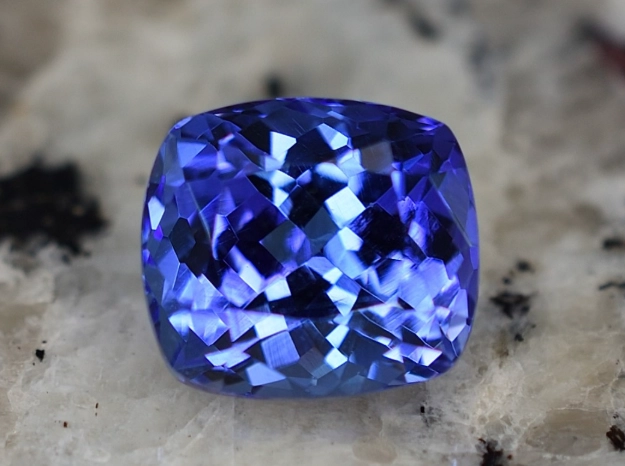
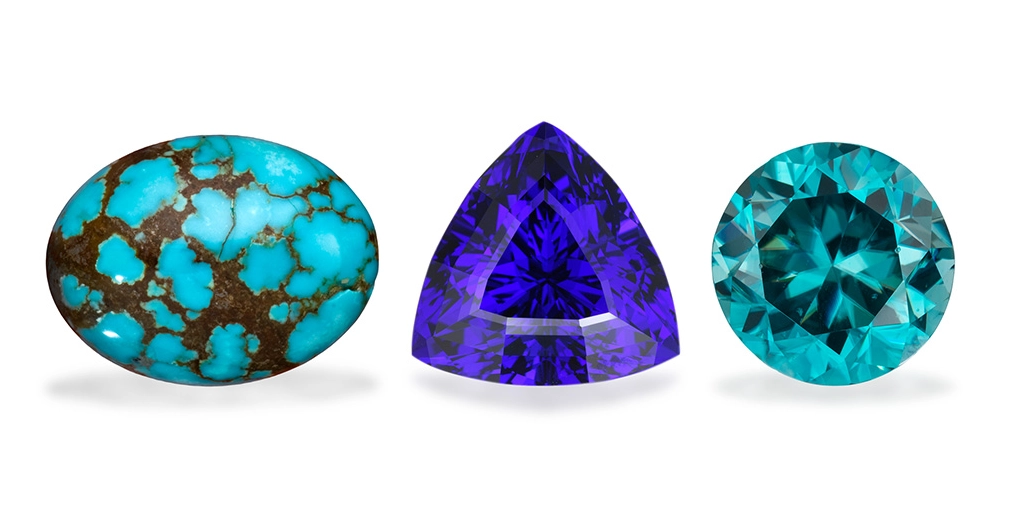
December babies have a vibrant trio. Tanzanite is the newcomer, discovered in 1967 in Tanzania (hence the name). It's a blue-to-violet zoisite, and its pleochroism means it shows different colors from different angles. Its meaning is tied to transformation and spiritual awareness. It's relatively soft, so it's best in pendants or earrings.
Zircon (not to be confused with synthetic cubic zirconia) is a natural gem with brilliant fire and sparkle. It comes in many colors, but blue is classic for December. It promotes wisdom, honor, and self-esteem.
Turquoise, one of the oldest known gemstones, is an opaque blue-to-green mineral. It's sacred to many Native American cultures, representing protection, healing, and connection to the sky and sea. It's porous and can change color with exposure to oils and cosmetics, giving it a living quality.
A Quick-Reference Table of Birthstone Meanings
Sometimes you just need the facts at a glance. Here's a table summarizing the key points we've covered. I find myself coming back to charts like this when I'm helping a friend pick a gift.
| Month | Primary Birthstone(s) | Color(s) | Key Meanings & Symbolism |
|---|---|---|---|
| January | Garnet | Red (also Green, Orange) | Protection, Friendship, Trust |
| February | Amethyst | Purple, Violet | Calm, Clarity, Sobriety, Wisdom |
| March | Aquamarine, Bloodstone | Sea Blue, Dark Green with Red | Courage (Aqua), Healing & Strength (Bloodstone) |
| April | Diamond | Colorless (also various colors) | Strength, Eternal Love, Purity, Invincibility |
| May | Emerald | Rich Green | Rebirth, Fertility, Love, Compassion |
| June | Pearl, Alexandrite, Moonstone | White, Color-Change, Milky Sheen | Purity (Pearl), Luck & Balance (Alex), Intuition (Moon) |
| July | Ruby | Vivid Red | Passion, Courage, Vitality, Nobility |
| August | Peridot, Spinel | Lime Green, Various (often Red) | Cleansing, Prosperity (Peridot), Revitalization (Spinel) |
| September | Sapphire | Blue (also Pink, Yellow, etc.) | Wisdom, Loyalty, Nobility, Divine Favor |
| October | Opal, Tourmaline | Play-of-Color, Rainbow Colors | Hope, Creativity (Opal), Compassion (Tourmaline) |
| November | Topaz, Citrine | Yellow, Orange, Blue | Love & Affection (Topaz), Wealth & Joy (Citrine) |
| December | Tanzanite, Zircon, Turquoise | Blue-Violet, Blue, Blue-Green | Transformation (Tanz), Wisdom (Zirc), Protection (Turq) |
How to Choose and Use Your Birthstone
Knowing the birthstone meanings is great, but what do you do with that info? Here's the practical side.
Choosing a Birthstone Jewelry Piece
First, decide on the type of jewelry. A ring gets a lot of wear and tear, so you'd want a harder stone like sapphire, ruby, or diamond. Pendants and earrings are safer for softer stones like opal, pearl, or tanzanite.
Consider the color and your wardrobe. Do you want something that pops (like a ruby) or blends subtly (like a moonstone)? Think about the cut. A classic emerald cut looks elegant on an aquamarine, while a cabochon (smooth, rounded) cut showcases opal's play-of-color or star sapphires.
Don't feel locked into the primary stone. If you're a December baby but don't love blue, maybe a rare white or pink zircon speaks to you more. The "alternative" stones on the list are there for a reason.
Caring for Your Birthstone
This is crucial. A damaged stone loses its beauty and, some would say, its energetic integrity.
- Hard Stones (Diamond, Sapphire, Ruby): Tough as nails. Ultrasonic cleaners are usually safe. Just avoid sharp blows that could chip them.
- Medium Stones (Quartz like amethyst/citrine, Garnet, Peridot): Use mild soap, warm water, and a soft brush. Skip the ultrasonic.
- Soft & Porous Stones (Opal, Pearl, Turquoise, Emerald): Handle with care. Wipe only with a damp, soft cloth. Never soak. Keep away from chemicals, perfumes, and lotions. Store opals with a damp cotton ball in a sealed bag to prevent drying and cracking.
The Gemological Institute of America (GIA) Gem Encyclopedia is an incredible, authoritative resource for specific care instructions for any gem. I use it all the time to double-check facts.
Beyond Jewelry: Other Ways to Connect
Jewelry isn't the only way. You can keep a small, raw tumble stone of your birthstone in your pocket or on your desk. Some people place one in their home for its symbolic properties—like an amethyst cluster for a calm living room. It's a personal, private way to connect with the meaning.
Answering Your Birthstone Questions
I get asked a lot of the same things when this topic comes up. Here are the big ones.
Can I wear a birthstone that's not my own month?
Absolutely. There's no birthstone police! Many people wear stones for their meaning, not their month. If you're drawn to the calming properties of amethyst but were born in July, wear it. Intention matters more than arbitrary rules. I often wear a sapphire, and I'm not a September baby—I just love the color.
Are modern/treated stones less meaningful?
This is a personal one. Heat treatment to enhance color (common for sapphire, aquamarine, citrine) is an ancient, accepted practice. It brings out the beauty the earth created. Lab-grown stones (like diamonds or emeralds) have the same physical and chemical properties. The meaning you assign is what counts. An heirloom stone carries family history; a lab-grown stone can symbolize a modern, conscious choice. Both are valid.
What if I don't like my birthstone?
First, check the alternative stones! June, August, October, November, and December all have multiple official options. Second, look at different shades. Not all garnets are dark red; a vibrant green tsavorite garnet is stunning. Finally, remember you can always choose by your zodiac sign's traditional stone instead. Many people feel a stronger connection there.
Where can I find reliable information on gem quality?
For unbiased, scientific information, stick to reputable sources. The Gemological Institute of America (GIA) website is the gold standard. They set the global standards for gem grading. Academic mineralogy sites or museum collections (like the Smithsonian's gem collection online) are also fantastic for learning.
Final Thoughts: Making the Meaning Your Own
At the end of the day, the most profound birthstone meanings are the ones you create. These gems are vessels. They carry ancient stories, geological wonders, and human symbolism. But when you wear one, you're adding your own story to that chain.
Maybe it's a gift marking a milestone. Maybe it's a self-purchase celebrating a personal achievement. Maybe it's simply because you love the way the light hits a particular piece of peridot. That connection, that personal resonance, is the real magic. It turns a mineral into a treasure.
So whether you're a January garnet seeking protection, a July ruby embracing passion, or an October opal celebrating creativity, wear your stone with intention. Let it be a reminder of your strengths, your journey, or simply the beautiful, unique month you entered the world. That's a meaning no one can grade or price.