You see a list of birthstone colors online—garnet for January, amethyst for February, and so on. It seems straightforward. But here's the thing most articles don't tell you: the color is just the starting point. The real magic, and the real confusion for buyers, happens in the shade, the saturation, and the cultural baggage a color carries. Is a March aquamarine supposed to be sky blue or sea green? Does December's turquoise have to be that specific robin's egg blue, or can it lean greener? As someone who's been matching people with gemstones for over a decade, I've seen the disappointment when a "blue" topaz arrives looking more grey than celestial. This guide isn't just a list. We're going to decode what these colors actually mean, how to see the variations within them, and how to pick a stone whose color truly resonates with you or the person you're gifting it to.
What's Inside This Guide?
What Birthstone Colors Symbolize (It's Not What You Think)
We often assign simple meanings: red for passion, blue for calm, green for growth. With birthstones, it's more layered. The symbolism is a cocktail of ancient lore, perceived healing properties, and pure aesthetic tradition.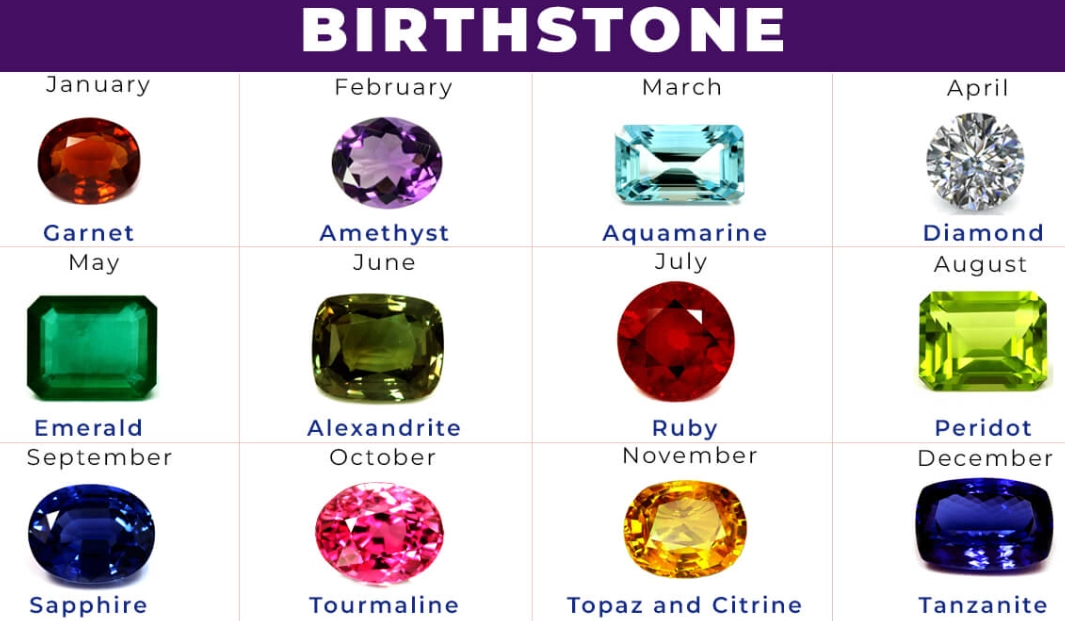
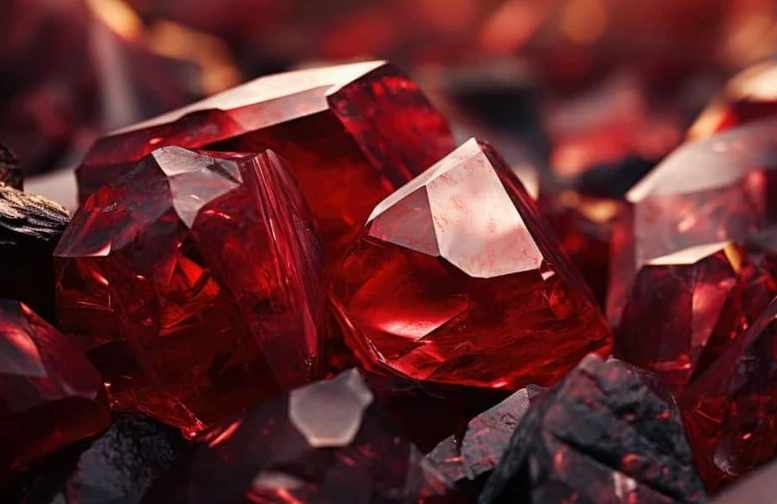
Take red, for instance. January's garnet isn't just about romantic love. Historically, it was carried for protection during travel—a deeper, more grounded red symbolizing safety and strength. Compare that to July's ruby, a fiercer, brighter red tied to vitality and nobility. Same color family, vastly different stories.
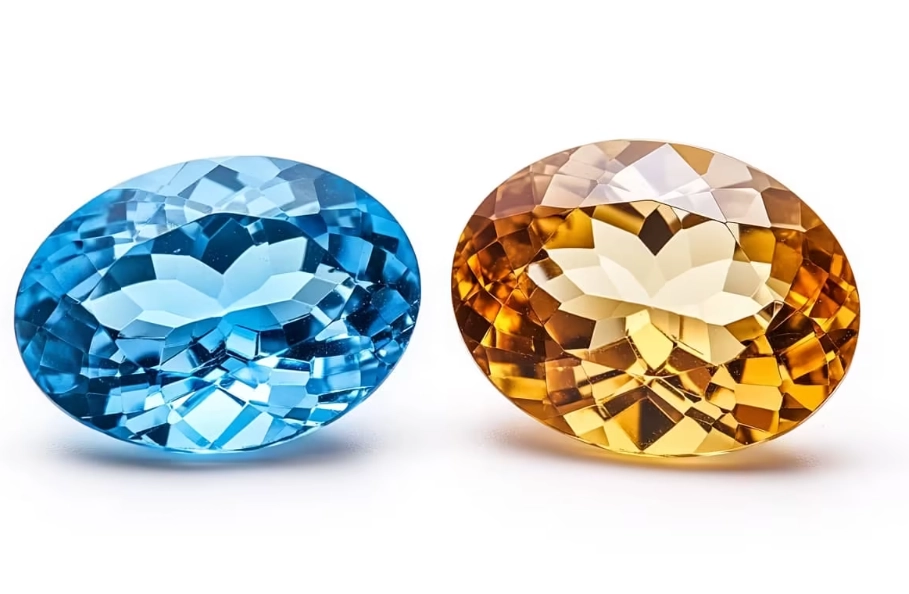
Then there's the quiet power of earth tones. November's topaz and citrine span from golden yellows to deep sherry oranges. This isn't just "happiness." In color psychology, these warm hues are tied to mental clarity, confidence, and manifesting abundance. A pale yellow citrine feels optimistic, while a deep imperial topaz carries a regal, sophisticated weight.
A common mistake I see: People get hung up on finding the "perfect" exact shade from a chart. In reality, a slightly darker amethyst might have more depth and character than a pale, washed-out one that technically matches a Pantone swatch. The vibrancy and life within the stone often matter more than a perfect hue match.
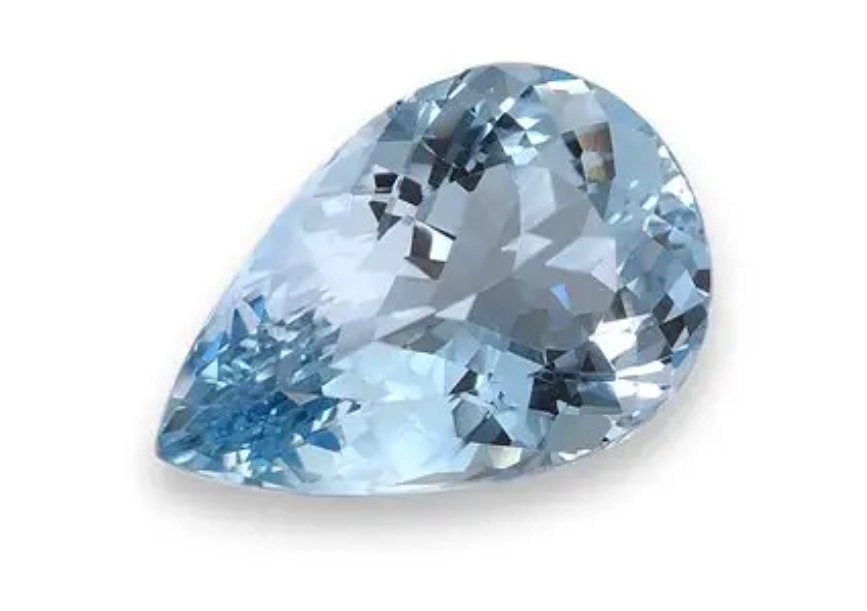
Blue stones are the most requested in my experience, and for good reason. They're linked to truth, communication, and inner peace. But notice the spectrum: February's amethyst is a violet-blue, March's aquamarine a cool, clean blue, and September's sapphire can be anything from cornflower to midnight. Aquamarine, named for seawater, was historically a talisman for sailors, symbolizing courage and calming the waves. Sapphire's deep blue has long been associated with wisdom and divine favor. The shade changes the message.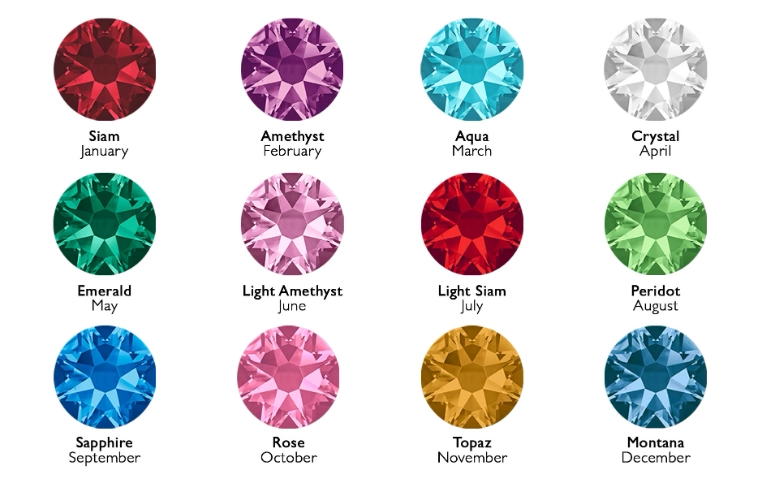
The Complete Birthstone Color Chart: Traditional & Modern
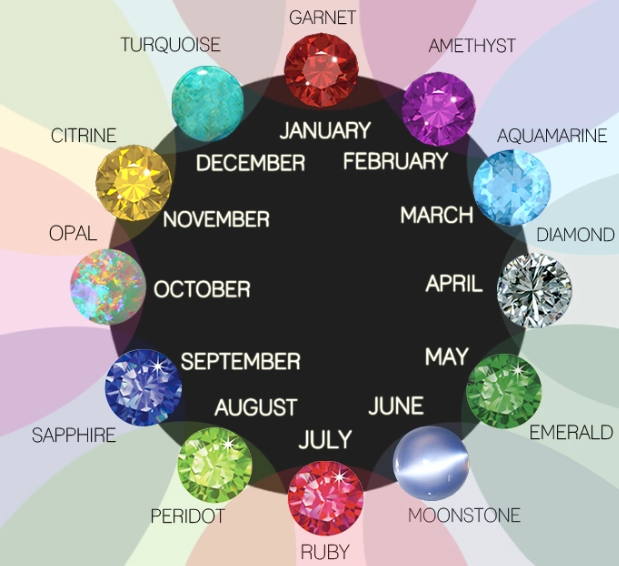
This is where it gets practical. The American Gem Trade Association (AGTA) and the Jewelers of America officially maintain the modern birthstone list, which expanded in the 20th century to offer more options. The traditional list has deeper historical roots. Knowing both gives you flexibility.
Here’s your at-a-glance guide. Pay special attention to the "Color Range" column—this is the key detail most lists omit.
| Month | Modern Birthstone(s) | Traditional Birthstone | Primary Color & Range | Quick Symbolism Note |
|---|---|---|---|---|
| January | Garnet | Garnet | Deep Red (Burgundy to Brownish-Red) | Protection, commitment, enduring strength. |
| February | Amethyst | Amethyst | Violet-Purple (Light Lilac to Deep Royal Purple) | Peace, intuition, sobriety (literally, from Greek "not intoxicated"). |
| March | Aquamarine, Bloodstone | Bloodstone | Pale Blue-Green (Aqua) / Dark Green with Red Spots | Courage, serenity (aqua). Healing, strength (bloodstone). |
| April | Diamond | Diamond, Clear Quartz | Colorless (Also in fancy yellows/blues) | Invincibility, purity, lasting love. The ultimate clarifier. |
| May | Emerald | Emerald | Vivid Green (Bluish-Green to Pure Green) | Rebirth, unconditional love, foresight. The greener, the better. |
| June | Pearl, Moonstone, Alexandrite | Pearl, Moonstone | White, Iridescent / Color-Changing (Green to Red) | Purity, mystery (pearl/moonstone). Luck, magic (alexandrite). |
| July | Ruby | Ruby | Vivid Red (Pigeon's Blood to Pinkish-Red) | Passion, vitality, wealth. The "king" of gems. |
| August | Peridot, Spinel, Sardonyx | Sardonyx | Lime Green (Peridot) / Various (Spinel) | Harmony, protection (peridot). Revitalization, joy. |
| September | Sapphire | Sapphire | Royal Blue (Also Pink, Yellow, White) | Wisdom, loyalty, nobility. Not just blue anymore. |
| October | Opal, Tourmaline | Opal | Play-of-Color (Opal) / All Colors (Tourmaline) | Creativity, inspiration, hope. The stone of infinite possibilities. |
| November | Topaz, Citrine | Topaz | Yellow-Orange (Sunset Gold to Rich Brown) | Abundance, mental clarity, warmth. The "sunshine" stones. |
| December | Turquoise, Zircon, Tanzanite | Turquoise, Lapis Lazuli | Sky Blue to Greenish-Blue / Vivid Blue (Tanzanite) | Friendship, good fortune, spiritual grounding. |
See how June, August, October, and December have multiple options? That's your chance to pick based on color preference, not just month. A June baby who loves magic might adore an alexandrite, while one drawn to calm might prefer a pearl.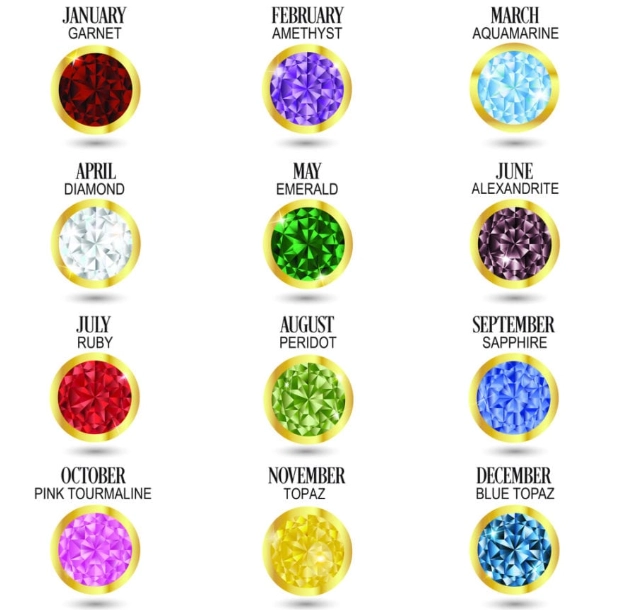
How to Actually "Read" a Birthstone Color
Looking at a gemstone's color like an expert involves three things most people ignore: tone, saturation, and setting.
Tone: How Light or Dark is It?
This is the biggest factor in how a stone feels. A light tone (like a pale aquamarine) feels airy and delicate. A medium tone (a classic emerald) is vibrant and balanced. A dark tone (a deep sapphire) feels intense and formal. For an engagement ring, you might want a medium-to-dark stone for presence. For a daily-wear pendant, a lighter tone can be more versatile.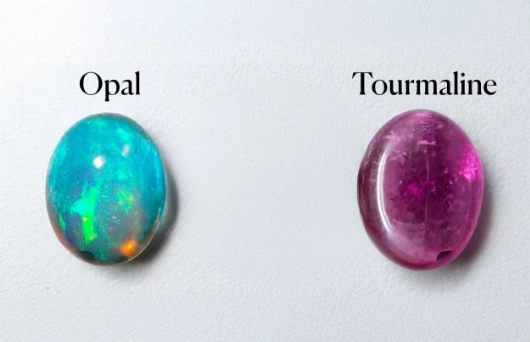
Saturation: How Pure and Vivid is the Color?
Saturation is color intensity. A grayish or brownish tint muddies the saturation. High-saturation gems are vivid and rare (think a neon-bright paraíba tourmaline). Most birthstones fall in the medium range, which is often more wearable. A highly saturated peridot can look electric, while a less saturated one feels more olive and earthy.
The Setting Changes Everything
This is the practical magic. A yellow gold setting warms up a stone, making a citrine glow and softening a blue sapphire. White gold or platinum makes colors appear cooler, crisper, and more modern—it makes an amethyst's purple pop and an aquamarine look icy. Always, always consider the metal. I've had clients hate a stone loose but love it once set in their preferred metal.
Lighting is the final boss. Jewelry store lighting is designed to make everything sparkle. Always look at the stone in natural daylight, which is the truest test of its color. A tanzanite might look inky blue indoors but reveal dazzling violet flashes in the sun.
How to Choose a Birthstone Color You'll Love Forever
Forget the rules for a second. Is this for you or a gift? The approach changes.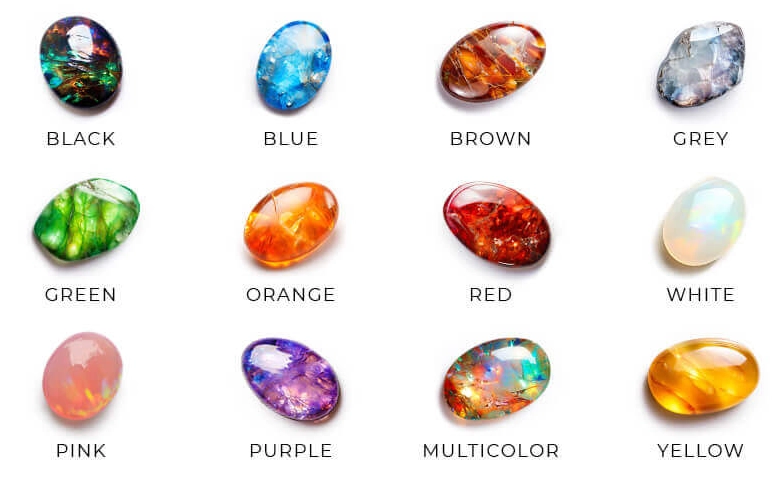
If it's for you: Start with your wardrobe. What colors do you wear most? If your closet is full of blacks, navies, and creams, a vibrant gem like an emerald or ruby becomes a stunning focal point. If you wear a lot of color, a more subtle stone like a moonstone or a champagne diamond might complement without clashing. Think about your skin's undertone. Cool undertones (veins look blue) often shine with cool stones (sapphire, amethyst, aquamarine). Warm undertones (veins look greenish) can be flattered by warm stones (citrine, peridot, garnet). But this is a guideline, not a law—wear what makes you feel powerful.
If it's a gift: You have a secret weapon: their existing jewelry. Sneak a peek. Do they wear mostly gold or silver? That's a huge clue. Also, consider their personality. Are they bold? A deep red garnet or a vivid blue sapphire might fit. More minimalist? A pale blue aquamarine or a simple pearl. When in doubt, you can't go wrong with the timeless clarity of a diamond (April) or the classic purple of an amethyst (February). For a modern twist, suggest a non-traditional color for their month, like a pink sapphire for a September birthday.
My personal rule? The stone should make you pause when you look at it. It should have a depth that makes you want to keep looking. That's more important than matching a hex code perfectly.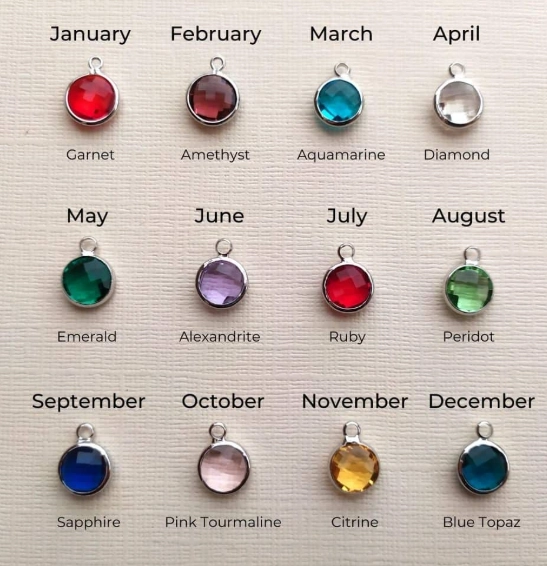
Your Birthstone Color Questions, Answered
Can I wear a birthstone color that isn't my month's?
Absolutely. This is one of the most liberating things to realize. The modern lists exist to give you choice. If you're a December baby but don't love turquoise blue, the brilliant blue of a tanzanite is a stunning, official alternative. Or, wear a stone whose meaning resonates with you, regardless of month. Jewelry is personal. The "right" color is the one that speaks to you.
My birthstone is a colorless diamond (April). Isn't that boring?
I hear this a lot, and it's a misunderstanding of diamond's role. Think of a colorless diamond not as an absence of color, but as a prism for all light. Its job is to amplify. In a setting, it makes the metal (yellow gold, rose gold) look richer and can make any accent stones nearby appear more vibrant. It's the ultimate team player. Also, explore "fancy color" diamonds—yellow, brown, or even blue diamonds are also April birthstones and are incredibly unique.
How do I know if an online photo of a birthstone's color is accurate?
You often don't. Retail photography is heavily lit and edited. Here's my vetting process: First, look for videos of the stone, not just photos. A video shows color shifts and life. Second, read the description for terms like "medium blue" or "light violet"—vague terms like "vibrant" are meaningless. Third, check the return policy. Reputable sellers (like those on platforms that follow AGTA guidelines) will have a no-questions-asked return period because they know color is subjective. Never buy a significant birthstone piece from a site with a no-return policy.
Are treated birthstone colors less valuable?
It depends on the stone and the treatment. Heat treatment for sapphires and aquamarines is standard, accepted, and permanent—it just brings out the best color the stone can offer, and doesn't drastically lower value. However, diffusion treatment (adding color to the surface) or dyeing (common with some porous stones like turquoise) is less stable and significantly affects value. Always ask, "Has this stone been treated, and if so, how?" A reputable seller will disclose this. An untreated, naturally vivid stone is rarer and more valuable, but a stably treated stone can be a beautiful, affordable way to get the color you love.
What if I prefer the traditional birthstone color over the modern one?
Go for it. That's a fantastic way to connect with history. Wearing a bloodstone (traditional March) instead of aquamarine, or sardonyx (traditional August) instead of peridot, makes a unique statement. It shows you've looked into the lore. These traditional stones often have more opaque, earthy colors that feel grounded and ancient. They're fantastic in signet rings or bold pendants.
At the end of the day, birthstone colors are a language. They have grammar and vocabulary—the charts and the meanings. But how you speak with them, the sentences you form on your finger or around your neck, that's entirely up to you. Don't get paralyzed by the perfect shade. Look for the color that makes you feel something. That's the one that's truly yours.