You've probably heard the term "birthstone," maybe on a piece of jewelry or in a trivia game. But what is my birthstone, really? Is it just a pretty rock assigned to my birthday month, or is there more to the story? If you've ever wondered about the gem tied to your birth month, its history, and what it might say about you, you're in the right place.
This isn't just a list. It's a deep dive into the world of birthstones. We'll go beyond the basic chart to explore the fascinating history, the sometimes-debated origins, the unique properties ascribed to each stone, and crucially—how to choose and care for birthstone jewelry you'll love forever. Whether you're buying for yourself or a loved one, understanding your birthstone adds a layer of meaning to any piece.
Your Quick Guide to Birthstones
What is a Birthstone? A Brief History Beyond the Glitter
The idea of linking gems to specific times isn't new. It goes way back. Think ancient civilizations like the Babylonians. They started this whole thing, connecting gemstones to the zodiac. Then came the Breastplate of Aaron in the Bible, decked out with twelve stones for the twelve tribes. That image stuck around, and by the 18th century, people in Poland were wearing a different gem each month. Fast forward to 1912, and the National Association of Jewelers in the U.S. said, "Okay, let's make this official." They standardized the modern list we mostly use today. Was it based on ancient tradition or clever marketing? A bit of both, honestly. But the result is a tradition that blends history, symbolism, and a touch of personal magic.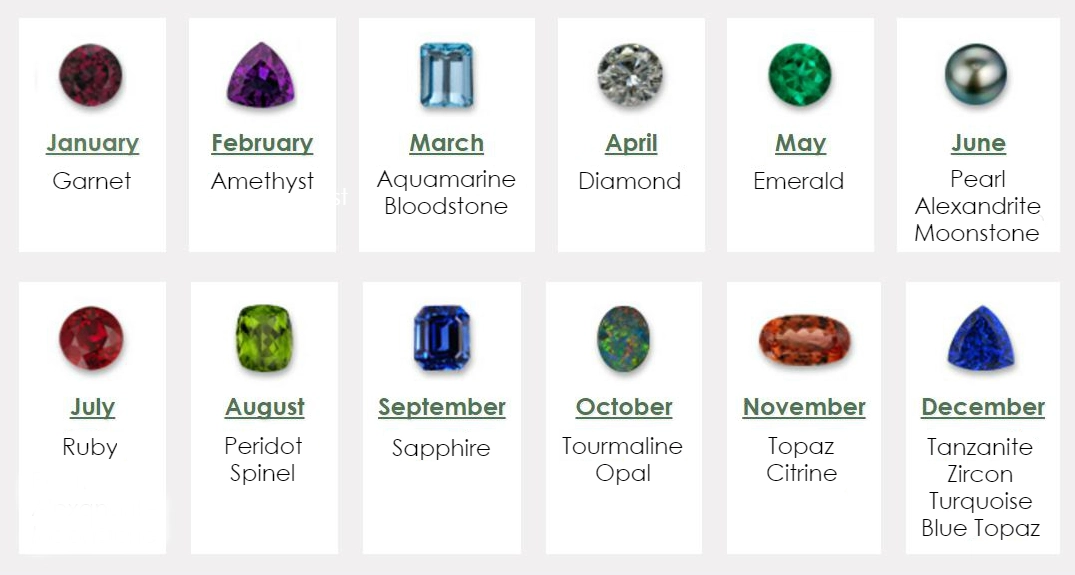
It's personal. That's the key. Your birthstone isn't just a random assignment; it's a symbol. Think of it as a little piece of the universe tied to your arrival. Different cultures have linked these gems to everything from astrological signs to healing powers and protection. Wearing your birthstone was thought to bring good luck or ward off bad vibes. Today, it's more about connection—a tangible link to your birth month, a gift loaded with meaning.
Your Birthstone by Month: A Detailed Chart
Let's get to the heart of it. Here is the widely accepted modern birthstone list, a mix of ancient tradition and 20th-century standardization.
| Month | Modern Birthstone | Traditional / Alternative | Key Symbolism & Notes |
|---|---|---|---|
| January | Garnet | Garnet | Constancy, loyalty, friendship. A deep red gem found across the globe. |
| February | Amethyst | Amethyst | Peace, courage, stability. Its purple hue ranges from light lilac to deep violet. |
| March | Aquamarine | Bloodstone | Courage, serenity, clarity of mind. Evokes the calm sea. |
| April | Diamond | Diamond, Sapphire (old) | Love, eternity, strength. The classic engagement ring stone. |
| May | Emerald | Emerald | Love, rebirth, fertility. The rich green of spring. |
| June | Alexandrite, Pearl, Moonstone | Pearl, Moonstone | Alexandrite symbolizes joy, Pearls for purity, Moonstone for intuition. |
| July | Ruby | Ruby, Onyx, Turquoise | Passion, love, energy. A red variety of corundum. |
| August | Peridot, Spinel | Sardonyx | Peridot is strength, Spinel offers hope and revitalization. |
| September | Sapphire | Sapphire | Wisdom, loyalty, nobility. Classic blue but comes in many colors. |
| October | Opal, Tourmaline | Opal | Opal for hope and purity, Tourmaline for healing. |
| November | Topaz, Citrine | Topaz | Friendship, strength. Golden hues popular in autumn. |
| December | Tanzanite, Zircon, Turquoise | Turquoise, Lapis Lazuli | Tanzanite for transformation, Zircon for prosperity, Turquoise for protection. |
You'll notice some months have more than one stone. That's not an error. Over time, as new gems were discovered or marketing got involved, some months got alternatives. June and August are prime examples. It gives you options, which is nice. Don't feel locked into one. Some lists also include a "modern" and a "traditional" or "alternative" stone. The traditional ones often have deeper historical roots, while the modern might be a newer addition or more commercially available. My personal take? The traditional list has a certain gravitas, a connection to older beliefs. The modern list reflects availability and contemporary tastes. Neither is "right"; it's about which story resonates with you.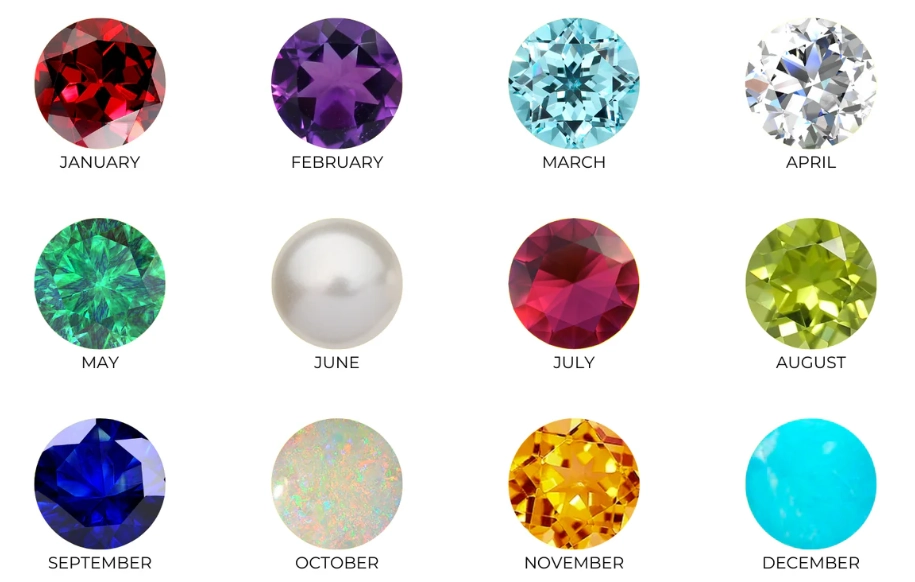
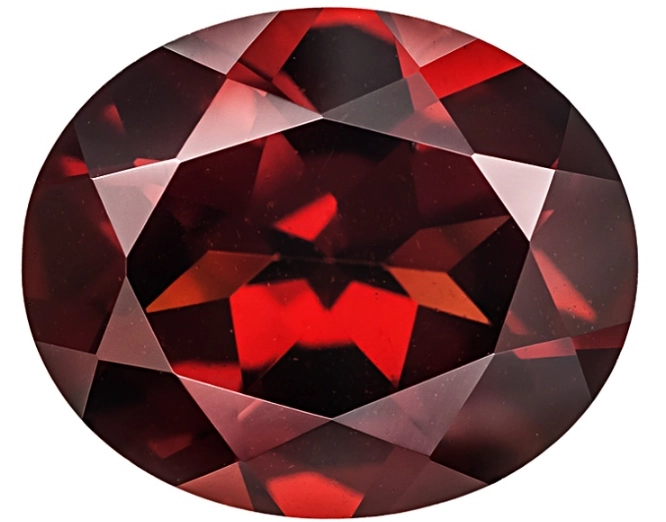
January: Garnet
Think deep red, like a pomegranate seed. Garnets are more diverse than you might think, coming in greens, oranges, and even rare blues. They've been used since the Bronze Age. Symbolically, garnets are all about constancy and loyalty. A popular belief was that they could warn of impending danger by losing their luster. I find that idea fascinating—a gem as a tiny, glittering alarm system.
February: Amethyst
That vibrant purple you know? That's amethyst. It's a variety of quartz. The color comes from iron. Historically, it was believed to ward off intoxication—a handy belief for those in wine-heavy cultures. Today, it's more associated with peace, courage, and stability. I've always thought there's something calming about its purple depths.
March: Aquamarine
The name says it all: "water of the sea." Its pale blue to greenish-blue hue does look like captured ocean. It was a talisman for sailors, believed to calm waves. Now, it's more about serenity and clarity of mind. Wearing it won't literally make the seas calm, but maybe it helps you find your own inner calm.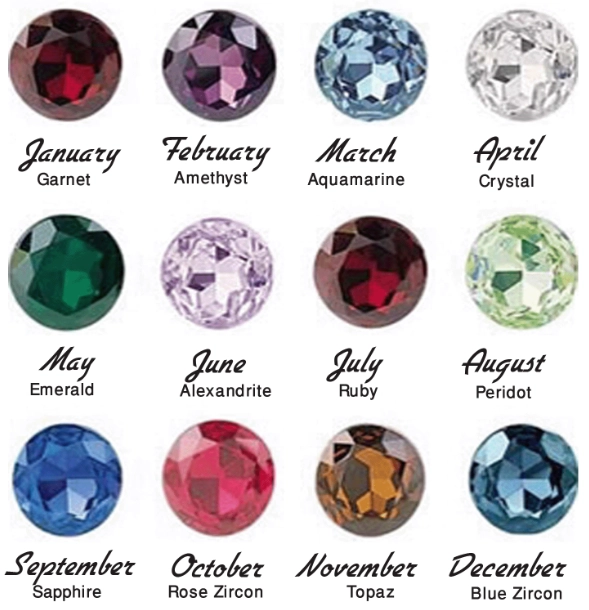
April: Diamond
The ultimate symbol of enduring love. Formed under immense pressure deep within the Earth, diamonds are more than just sparkly. Their hardness is legendary. The tradition of diamond engagement rings became popular in the 20th century, but the association with strength and eternity is ancient. A word of advice from seeing many pieces: prioritize cut and sparkle over sheer size. A well-cut smaller diamond can outshine a larger, poorly cut one.
May: Emerald
The rich green of emerald has been prized for millennia. Cleopatra was a fan. The Incas and Aztecs considered it sacred. It's linked to fertility, love, and rebirth. That green? It's from trace amounts of chromium and vanadium. The most prized emeralds come from Colombia, but they're also found in Zambia and Brazil. Emeralds often have inclusions—internal features called "jardin," the French word for garden. Some buyers see them as flaws; I see them as a fingerprint, proof of the stone's natural origin.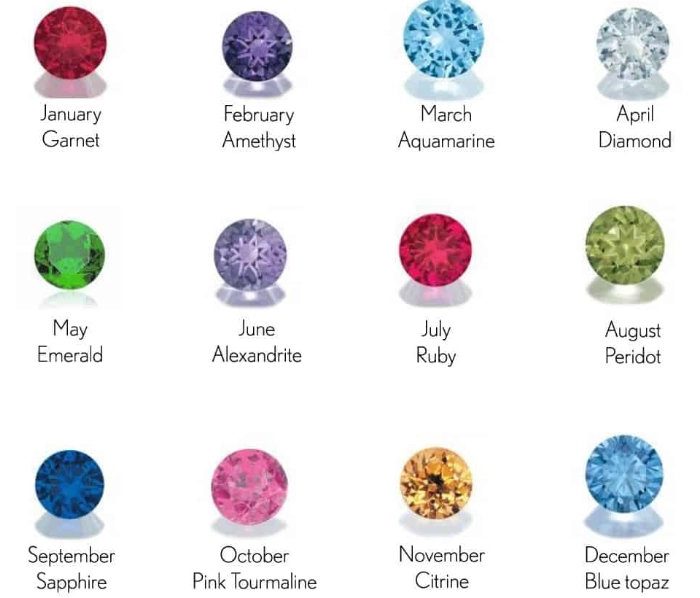
June: Pearl, Alexandrite, Moonstone
June is the month of choice. Pearls are organic, formed inside mollusks. They symbolize purity. Alexandrite is a chameleon—green in daylight, red under incandescent light. It's rare and symbolizes joy. Moonstone has that soft, internal glow (adularescence) that looks like moonlight on water. It's for intuition. My grandmother had a moonstone pendant she swore helped her "see things clearly." Whether it did or not, she believed it, and that was enough.
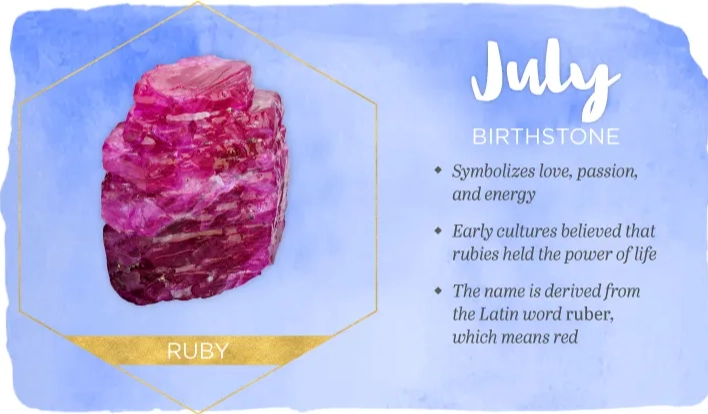
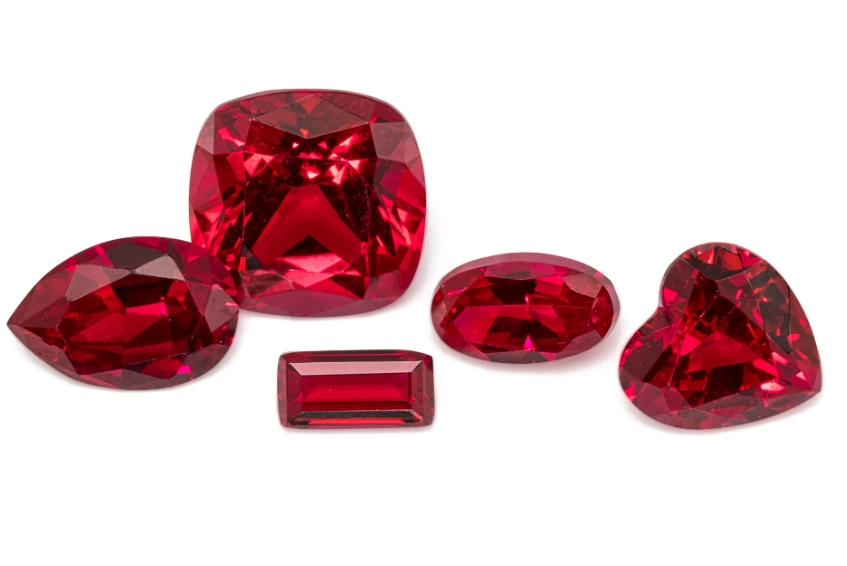
July: Ruby
Passion, love, energy—ruby packs a punch. It's a red corundum (the same mineral family as sapphire). The red is from chromium. The most desired color is "pigeon's blood red," a vivid red with a hint of blue. Major sources are Myanmar, Thailand, and Mozambique. Rubies were believed to hold the power of life due to their blood-like color. They're also one of the hardest gems, second only to diamonds. A common mistake is cleaning them with ultrasonic cleaners. The vibrations can sometimes cause fractures in rubies with existing inclusions. Stick to warm, soapy water and a soft brush.
August: Peridot, Spinel, Sardonyx
Peridot is that vibrant olive green. It's formed deep in the mantle and brought to the surface by volcanic activity. Sometimes it even arrives from space in meteorites. It symbolizes strength. Spinel, often mistaken for ruby in history, comes in many colors. Red spinel is a gorgeous alternative. It offers hope and revitalization. Sardonyx, the traditional stone, is a banded variety of onyx, used for seals and cameos because it's good for carving.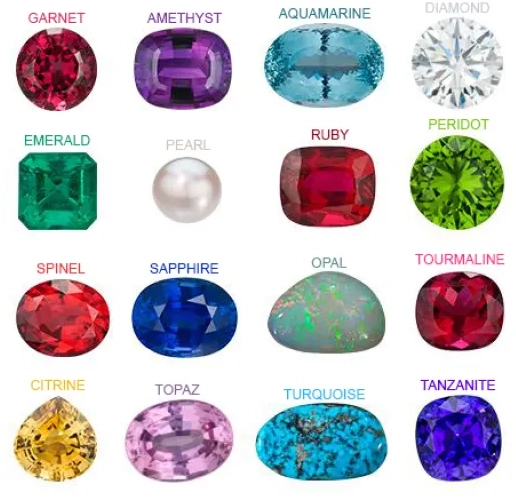
September: Sapphire
Blue is classic, but sapphires can be pink, yellow, green, even colorless (called "white sapphire"). They're also corundum. The blue comes from iron and titanium. Associated with wisdom and loyalty, they were popular among clergy and royalty. The British Crown Jewels are full of them. A lesser-known fact: some sapphires exhibit a star-like pattern (asterism) when cut as a cabochon. These "star sapphires" are highly collectible.
October: Opal, Tourmaline
Opal is a firework display trapped in stone. Its play-of-color is caused by tiny silica spheres diffracting light. It symbolizes hope and purity. A persistent myth says opals are bad luck if they're not your birthstone. Total nonsense, likely started by competitors in the diamond trade to hurt opal sales in the 19th century. Tourmaline comes in almost every color imaginable, sometimes in one crystal (watermelon tourmaline). It's associated with healing. I've seen October-born people struggle to choose. My advice? Go with the one that makes you smile when you look at it.
November: Topaz, Citrine
Topaz is most famous in its imperial golden orange-red hue, but it's also found in blue, pink, and colorless forms. It symbolizes friendship and strength. Citrine, a yellow variety of quartz, is like bottled sunshine. Its warm yellow to orange-brown color fits the autumn month perfectly. It's often called the "merchant's stone," believed to attract wealth. Much of the citrine on the market is actually heat-treated amethyst. There's nothing wrong with that—it's stable and beautiful—but it's good to know.
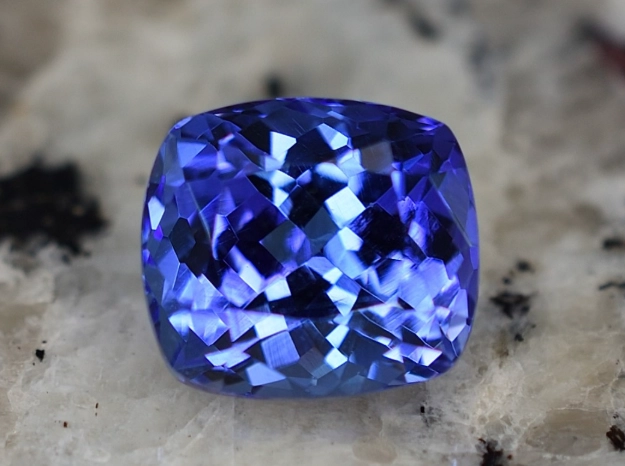
December: Tanzanite, Zircon, Turquoise
Tanzanite is a relative newcomer, discovered in 1967 in Tanzania (hence the name). Its vivid blue-violet color is stunning. It symbolizes transformation. Zircon comes in many colors; blue is popular for December. It's known for its brilliance and fire. Don't confuse it with cubic zirconia, a lab-created diamond simulant. They're completely different. Turquoise, the traditional stone, is opaque blue-green, used for millennia in adornment. It's for protection. December birthdays have fantastic variety. You can match the stone to the person's style: bold with tanzanite, classic with blue zircon, or earthy with turquoise.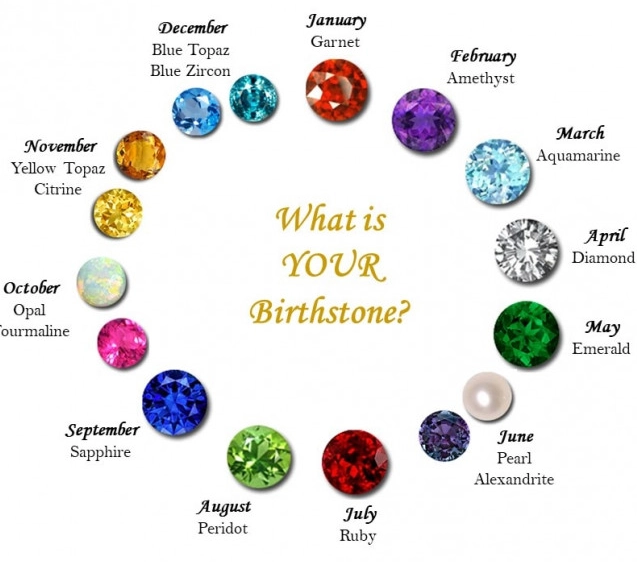
Beyond the Month: Zodiac and Planetary Stones
If monthly stones aren't your thing, there are other systems. Zodiac birthstones link gems to astrological signs (e.g., Ruby for Leo, Sapphire for Taurus). Planetary stones connect gems to celestial bodies based on ancient astrological beliefs (e.g., Emerald for Mercury, Yellow Sapphire for Jupiter). These systems are more complex and vary greatly between traditions. They're for the true enthusiast who wants to dive deeper into the esoteric side of gemology.
How to Choose Birthstone Jewelry: A Practical Guide
So you know your stone. Now what? Turning it into jewelry involves choices.
First, the gem itself. Look at the 4Cs, but adapted for colored stones: Color, Clarity, Cut, and Carat weight. For colored gems, Color is king. Is the hue vibrant and appealing? Is it the typical color for that stone? Clarity matters, but expect inclusions in many natural stones—they're proof it's real. A flawless emerald is almost unheard of. Cut should enhance the color and brilliance. Carat is size, but a well-cut smaller stone can be more beautiful than a larger, poorly cut one.
Second, the setting. The metal (yellow gold, white gold, platinum, sterling silver) should complement the stone's color. A warm yellow gold can make a citrine glow even more. A cool white metal can make the blue of a sapphire pop. Consider the wearer's lifestyle. A prong setting shows off the stone but can snag. A bezel setting protects the edges—great for active people.
Third, the style. Pendant? Ring? Earrings? Think about what the person actually wears. A stunning statement ring is useless if they only wear studs. When I buy for others, I often lean towards pendants or earrings—they're generally easier to size and fit into an existing wardrobe.
Caring for Your Birthstone Jewelry
Gems aren't indestructible. They need care.
Know its hardness. The Mohs scale is a guide. Diamond is a 10, talc is a 1. Softer stones like opal (5.5-6.5) or pearl (2.5-4.5) can be scratched easily. Store them separately from harder gems.
Cleaning basics. Warm water, mild dish soap, and a soft toothbrush work for most gems. Soak for a few minutes, gently brush, rinse, and pat dry with a soft cloth.
What to avoid. Ultrasonic and steam cleaners are risky for many stones. They can shatter fractured gems, loosen treatments, or damage organic materials like pearls. When in doubt, leave it out. Also, keep gems away from harsh chemicals (bleach, chlorine), extreme heat (which can alter color), and sudden temperature changes.
Special Cases:
- Pearls & Opals: They like a bit of moisture. Wearing them keeps them from drying out. Wipe with a damp cloth after wearing. Never soak pearls.
- Emeralds: Often treated with oils or resins to fill surface-reaching fractures. Avoid hot water, ultrasonics, and harsh detergents that can remove these treatments.
- Amber & Coral (organic): Very soft. Clean with a damp cloth only.
Regular check-ups with a reputable jeweler are a good idea, especially for prong settings that can wear down over time.
Frequently Asked Questions
Your birthstone is a starting point, a connection to history and to your own story. Whether you embrace the classic choice for your month or forge your own path with a different gem, the meaning comes from you. Use this guide as a map, but don't be afraid to wander off the path and find the gem that truly speaks to you.