Quick Navigation
- The Modern Standard Birthstone Chart (The One You Probably Know)
- How to Actually Choose Your Birthstone (It's Not Just Your Month)
- The Traditional & Ancient Birthstone Lists: Where It All Began
- Caring for Your Birthstone Jewelry (The Stuff No One Tells You)
- Your Birthstone Chart Questions, Answered
- Final Thoughts: Making the Chart Work for You
I remember being completely baffled the first time I tried to buy a birthstone necklace for my mom. I knew she was born in April, so logically, diamond, right? Easy. Then the jeweler asked if I wanted the "traditional" or "modern" April stone. Wait, what? There's more than one list? And why is there an alternate? That sent me down a rabbit hole that was equal parts fascinating and frustrating. Turns out, that simple birthstone chart you see everywhere is just the tip of the iceberg.
So, if you've ever found yourself squinting at a birthstone chart, wondering what it all really means, or feeling unsure if you're even looking at the right one, you're not alone. This guide is the result of my deep dive—and a lot of conversations with gemologists and jewelry lovers. We'll go beyond the basic month-and-stone pairing. We'll talk about color, history, why some stones have fallen out of favor, how to actually choose one, and how to care for it. Think of this as the owner's manual your birthstone never came with.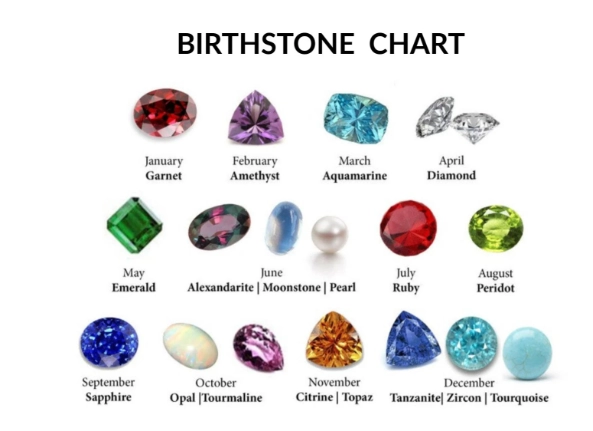
Let's start with the obvious question: What is a birthstone chart? At its core, it's a cultural and commercial list that assigns a specific gemstone (or sometimes a few) to each month of the year. The idea is that wearing your birth month's stone brings good luck, protection, or channels certain positive attributes. But here's the kicker—there isn't just one universal chart. The one most people in the US and many other places recognize is standardized by large industry organizations, but its history is a messy, wonderful blend of ancient astrology, medieval medicine, and 20th-century marketing.
The Modern Standard Birthstone Chart (The One You Probably Know)
This is the list you'll find in most major jewelry stores and online retailers. It was officially standardized in 1912 by the Jewelers of America (then called the American National Association of Jewelers) and has been tweaked a few times since. The goal was to create a consistent, marketable standard. Honestly, it worked brilliantly from a business perspective. But it also simplified—some would say sanitized—a much richer history.
Here’s the complete modern birthstone chart, broken down month by month. I've included not just the stone, but the typical colors and the meanings or symbolism most commonly attached to them. Keep in mind, color can vary a lot within a single stone type!
| Month | Birthstone | Primary Colors | Common Meanings & Symbolism |
|---|---|---|---|
| January | Garnet | Deep red (most common), but also green, orange, pink, purple | Protection, friendship, trust, commitment. It’s said to be a great gift for a friend. |
| February | Amethyst | Light lavender to deep purple | Peace, stability, courage. Historically believed to prevent intoxication (its name comes from the Greek "amethystos," meaning "not drunk"). |
| March | Aquamarine | Light blue to blue-green, like sea water | Courage, serenity, clarity. Linked to sailors for safety at sea. A very calming stone. |
| April | Diamond | Colorless (clear), but also comes in yellow, blue, pink, etc. | Invincibility, strength, eternal love. The ultimate symbol of commitment in many cultures. |
| May | Emerald | Rich, vibrant green | Rebirth, love, wisdom. Associated with fertility and spring. The deeper the green, the more valuable. |
| June | Pearl or Alexandrite or Moonstone | Pearl: White, cream, pink, black Alexandrite: Green in daylight, red in incandescent light Moonstone: Milky white with blue sheen | Pearl: Purity, humility. Alexandrite: Luck, balance (it's very rare). Moonstone: New beginnings, intuition. |
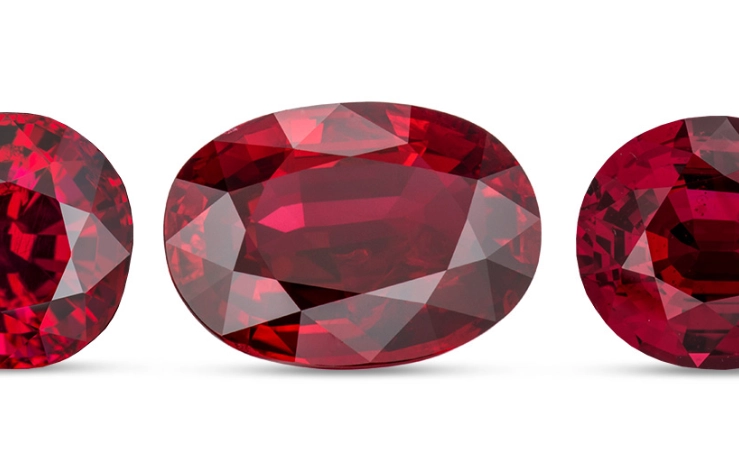
| July | Ruby | Deep, pigeon-blood red to pinkish-red | Passion, protection, wealth. Considered the "king of gems." Represents love and energy. |
| August | Peridot or Spinel or Sardonyx | Peridot: Lime to olive green Spinel: Red, pink, blue, violet (often mistaken for ruby) Sardonyx: Red and white banding | Peridot: Strength, healing, protection from nightmares. Spinel: Revitalization (a newer addition). Sardonyx: Courage, happiness (a traditional stone). |
| September | Sapphire | Royal blue (classic), but also pink, yellow, green, purple ("fancy sapphires") | Wisdom, loyalty, nobility. Thought to protect against envy and harm. |
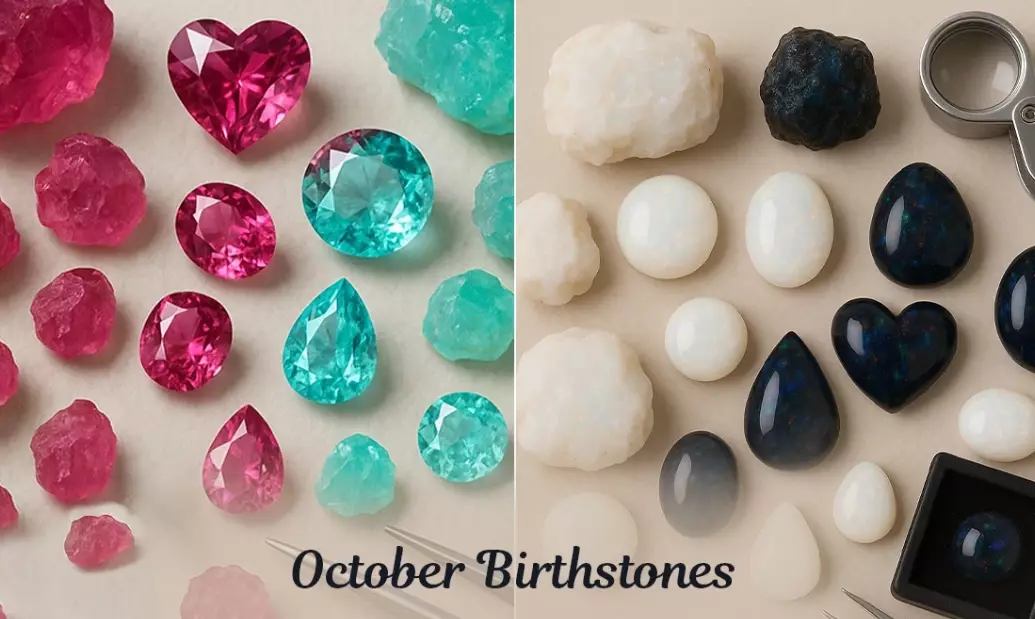
| October | Opal or Tourmaline | Opal: Play-of-color (rainbow flashes) Tourmaline: All colors of the rainbow, often pink or green | Opal: Hope, creativity, innocence (despite an unfair bad-luck myth). Tourmaline: Healing, compassion. A very versatile stone. |
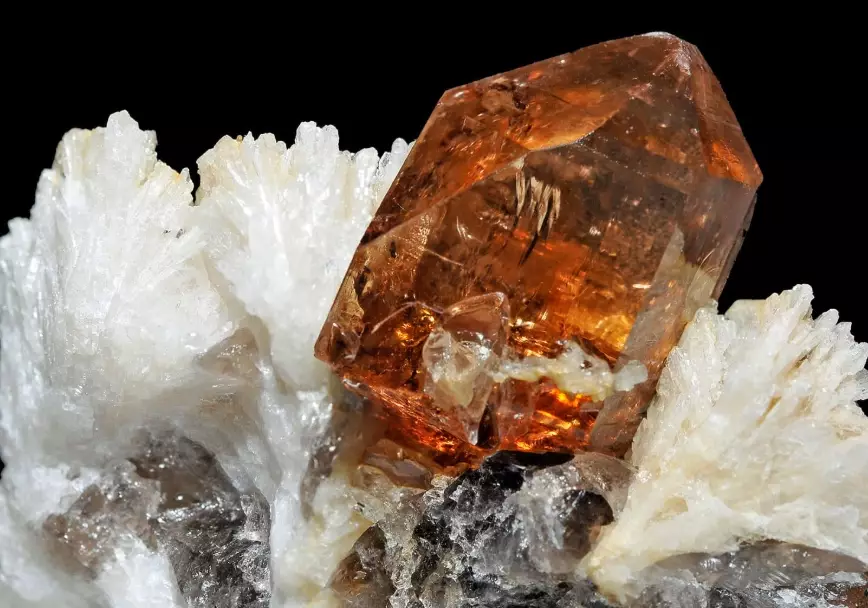
| November | Topaz (Imperial) or Citrine | Topaz: Rich yellow, orange, pink, blue (blue is common but often treated) Citrine: Sunny yellow to orange-brown | Topaz: Strength, intelligence. Citrine: Success, abundance, warmth. Called the "merchant's stone." |
| December | Turquoise or Tanzanite or Zircon | Turquoise: Sky blue to greenish-blue Tanzanite: Vibrant violet-blue Zircon: Blue, white, yellow, green, red | Turquoise: Protection, friendship, good fortune (ancient stone). Tanzanite: Transformation, spiritual awareness (a modern addition). Zircon: Honor, wealth (often confused with cubic zirconia). |
See what I mean? Just looking at this birthstone chart raises questions. Why does June have three? Why was spinel added to August in 2016? The modern list is a living document, influenced by gem discoveries, fashion trends, and, yes, commercial viability. Tanzanite, found only in Tanzania, was added in 2002 to help market a stunning but new stone.
Personally, I love that the modern birthstone chart gives us options. If the classic stone for your month doesn't speak to you, maybe the alternative will. Don't feel boxed in by it, though. The history is much more flexible.
How to Actually Choose Your Birthstone (It's Not Just Your Month)
This is where it gets personal. A birthstone chart gives you a starting point, not a commandment. Here’s how I think about choosing one, whether for myself or as a gift.
1. Listen to the Color
What colors do you naturally gravitate towards in your clothing, your home, your life? If you adore deep blues, a September sapphire might feel right, even if you're a May baby. Many people connect with stones based on color energy more than birth month. A vibrant green peridot might feel more "you" than a diamond if you love nature tones.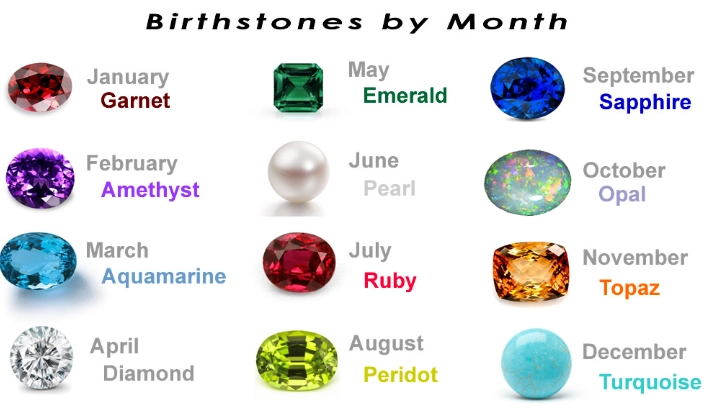
2. Consider Your Budget (Let's Be Real)
The birthstone chart doesn't show price tags. A diamond (April) or ruby (July) will command a significantly higher price for quality stones than, say, a garnet (January) or citrine (November). This is crucial for jewelry. The great news? Every month has beautiful options at various price points. Love the look of an emerald but have a May birthday and a tight budget? Look into green tourmaline or tsavorite garnet as stunning, often more affordable alternatives in a similar color family.
Pro Tip: Don't forget about birthstone alternatives and simulants. A lab-created sapphire has the same chemical composition as a mined one but is more affordable and ethical for some. White topaz or moissanite can give a diamond-like look. It's all about what matters to you.
3. Think About the Meaning (Or Make Your Own)
Maybe you're drawn to the ancient protective lore of turquoise. Maybe the peaceful symbolism of aquamarine resonates during a stressful time. Or maybe you just think opals are the coolest things on earth because they flash rainbow colors. That's a perfect reason! Your connection to the stone is what gives it meaning.
4. How Will You Wear It?
This is practical, but important. Some stones are harder and more durable than others. The Mohs scale measures hardness from 1 (talc) to 10 (diamond). If you want an everyday ring you won't have to baby, aim for stones with a hardness of 7 or higher (Quartz, Topaz, Sapphire, Diamond). Softer stones like opal (5.5-6.5), pearl (2.5-4.5), or turquoise (5-6) are breathtaking but better suited for pendants, earrings, or brooches that are less likely to get knocked around.
Let's be honest, the official list can feel a bit... restrictive. What if your vibe is totally different from your assigned stone?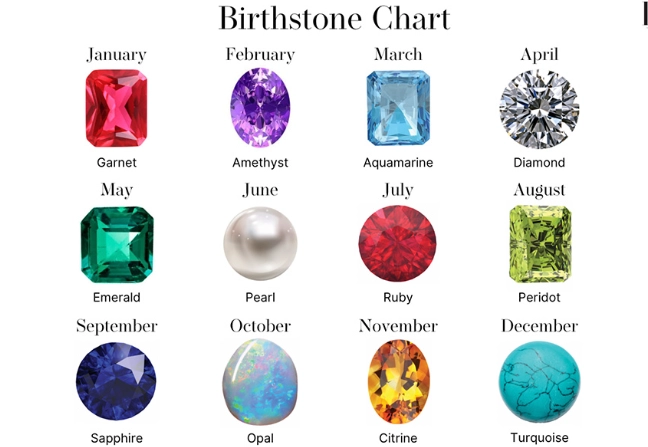
The Traditional & Ancient Birthstone Lists: Where It All Began
The modern birthstone chart has roots going back thousands of years. The most famous ancient connection is to the Breastplate of Aaron described in the Bible's Book of Exodus, which had twelve gemstones representing the twelve tribes of Israel. Later, these became loosely linked to the twelve signs of the zodiac and then to the twelve months.
By the 15th and 16th centuries in Poland, it was believed that wearing all twelve birthstones in rotation each month would bring you maximum benefits for the year. Talk about a serious jewelry collection!
Here’s the thing—these older lists looked very different. For example, before 1912, the common stones for April included sapphire and opal. March was often bloodstone (a dark green stone with red spots), which is why you'll still see it as an "alternative" or "traditional" March stone. This older, traditional birthstone chart is where you find gems like bloodstone, sardonyx, and even jacinth (a type of zircon).
If you want to dive into the scholarly side of this history, the Gemological Institute of America (GIA) birthstone history page is an incredible resource. The GIA is a non-profit and the world's foremost authority on gems, so their information is as trustworthy as it gets.
So, which list is the "right" one? Honestly, neither and both.
The modern list is great for consistency and finding jewelry easily. The traditional list connects you to centuries of belief and might offer a stone you prefer. I know someone born in August who wears sardonyx because she loves its layered, earthy look and ancient feel, even though peridot is the modern standard. There are no gemstone police.
Caring for Your Birthstone Jewelry (The Stuff No One Tells You)
You bought a beautiful piece based on your birthstone chart. Now how do you keep it that way? This is where people make mistakes. I ruined a lovely opal ring years ago by soaking it in soapy water—a big no-no for porous stones.
Care depends entirely on the stone. Here’s a quick, crucial guide: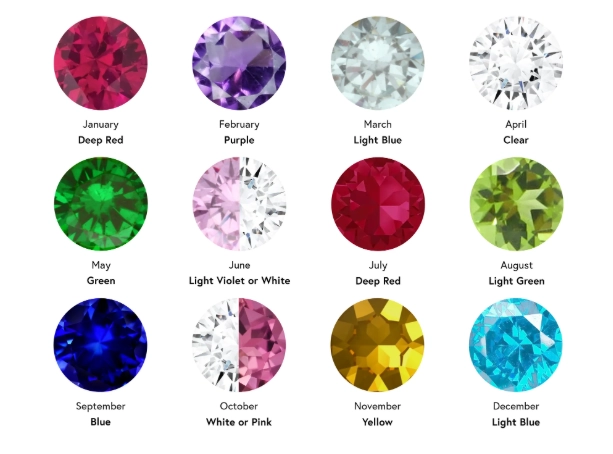
- Ultrasonic & Steam Cleaner DANGER ZONE: Never use these on organic gems (Pearl, Coral, Amber), stones with fractures (Emerald, some Topaz), or porous stones (Turquoise, Opal, Lapis Lazuli). They can shatter, craze, or become dull.
- The Universal Safe Clean: For most stones, warm water, a drop of mild dish soap, and a soft toothbrush are safe. Rinse well and dry with a soft, lint-free cloth.
- Storage is Key: Don't just toss everything in a box. Gemstones can scratch each other. Wrap softer stones (like opals) in a soft cloth or keep them in separate pouches. Keep pearls away from other jewelry entirely.
- Last-On, First-Off: Put your jewelry on after applying makeup, perfume, and hairspray. These chemicals can cloud stones and damage finishes.
For authoritative, specific care instructions, I always check the American Gem Society's care guides. They're a respected trade association with a consumer-focused mission.
Your Birthstone Chart Questions, Answered
Can I wear a birthstone that's not for my month?
Absolutely. 100%. There's no rule. Maybe you love the color green and connect with emerald (May), but your birthday is in February (amethyst). Wear the emerald! Many people wear birthstones of loved ones (a "mother's ring" with kids' stones) or stones whose meaning they need at a certain time in life.
Are birthstones actually valuable?
It depends on the stone, the quality, and the market. A high-quality ruby, sapphire, emerald, or diamond will always hold significant value. Other stones like amethyst or citrine are beautiful and popular but are more abundant, so their monetary value is generally lower. Value shouldn't be the only reason you choose one, though. Sentimental value often outweighs market value.
Why are some months' stones so much more expensive?
Rarity, durability, and demand. Diamonds, rubies, and sapphires are incredibly hard (durable), have been culturally prized for millennia (demand), and high-quality specimens are genuinely rare. A large, flawless emerald is one of the rarest things on earth. Compare that to amethyst, which is a form of quartz and is found in large quantities in many parts of the world.
How can I tell if my birthstone is real?
This is a big one, especially when shopping online. For any significant purchase, always ask for a report from a reputable gemological lab like GIA or AGS. Learn the basic characteristics of your stone. For example, real citrine is relatively rare in nature; much of the "citrine" sold is actually heat-treated amethyst (which is still a real quartz, but not naturally occurring citrine). When in doubt, consult a certified gemologist appraiser. The British Museum's gem collection online is also a fantastic place to see examples of historical, verified stones and learn about their characteristics.
Is the modern birthstone chart the same in every country?
Not exactly. While the 1912 American list is hugely influential, other cultures have their own traditions. In the UK, for instance, the traditional list still holds more sway in some circles, so you might see bloodstone for March more often. Japanese and Hindu astrological systems also have their own gemstone associations. It's a wonderfully global tapestry.
Final Thoughts: Making the Chart Work for You
At the end of the day, a birthstone chart is a tool—a starting point for a very personal journey into the world of gems. It's a blend of history, geology, art, and commerce. My advice? Use it for inspiration, not limitation.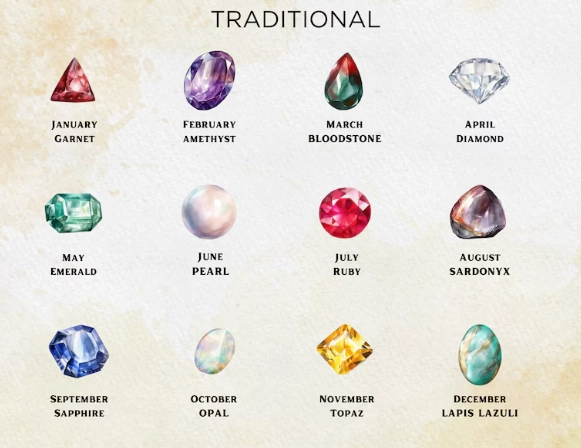
Learn the stories behind the stones. Notice which colors make you feel something. Think about how you want to wear a piece. And don't be afraid to mix and match. The most meaningful jewelry in my box isn't necessarily my "official" birthstone; it's the pieces connected to memories, people, and places I love. Sometimes those align with the chart, sometimes they don't.
The goal is to find a gem that speaks to you, one that you'll love wearing for years to come. Whether that's the stone from the modern birthstone chart, a gem from an ancient list, or something completely different that just caught your eye, that's the right choice.