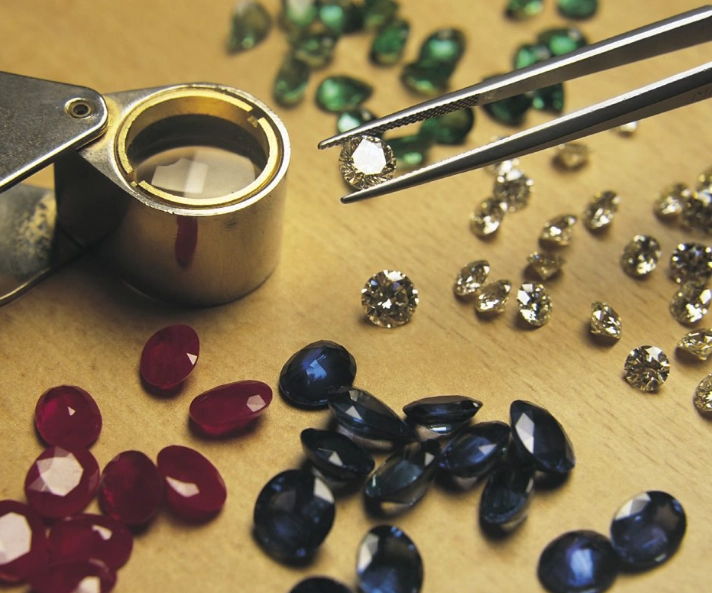
Let's be honest. Most of us know our birth month's gem because it's printed on a novelty keychain or listed in a dusty old almanac. But have you ever stopped to wonder why a specific stone is tied to your birthday? The story behind traditional birthstones is way more fascinating than a simple calendar association. It's a tangled web of history, superstition, marketing, and pure human fascination with beautiful rocks.
Gemstone Journey Highlights
- Where Did This Whole Birthstone Idea Even Come From?
- The Classic List: Month-by-Month Breakdown
- Traditional vs. Modern: What's the Difference and Does It Matter?
- Beyond the Calendar: How to Actually Use Birthstone Knowledge
- Digging Deeper: The Symbolism and "Powers" Behind the Stones
- Your Traditional Birthstone Questions, Answered
- The Bottom Line: Making Tradition Personal
I remember my grandmother's January garnet ring. It wasn't flashy, just a deep red stone set in simple gold. She swore it brought her clarity. Was it the gem, or the belief in it? That's the magic we're digging into today.
 This isn't just a list. It's the why, the how, and the "what should I actually do with this info?" guide to traditional birthstones.
Where Did This Whole Birthstone Idea Even Come From?
The origins are shadier than a deep-cut sapphire. Most historians trace the concept back to the Breastplate of Aaron described in the Biblical Book of Exodus. This ceremonial garment was adorned with twelve gems, representing the twelve tribes of Israel. Fast forward a few centuries, and scholars in 1st-century Alexandria started linking these stones to the zodiac signs. The idea that a specific gem could harness celestial power for its wearer was born (pun intended).
But the modern list? That's a more recent invention. The Jewelers of America officially standardized the list of traditional birthstones in 1912. They had a hand in it, sure, but they were organizing a tradition with roots over a thousand years deep. It's a mix of ancient lore and early 20th-century salesmanship. You can read a scholarly breakdown of this evolution on the Gemological Institute of America's birthstone history page, which is a fantastic resource for gem facts.
The Classic List: Month-by-Month Breakdown
Alright, let's get to the main event. Here’s the canonical list of traditional birthstones, the one from 1912 that most people in the West recognize. Think of this as the "greatest hits" album.
| Month | Traditional Birthstone | Classic Color & Meaning | A Quick, Honest Thought |
|---|---|---|---|
| January | Garnet | Deep red. Symbolizes protection, enduring friendship, and truth. Believed to guide travelers at night. | Honestly, a bit underrated. That rich red is timeless, not just for January babies. |
| February | Amethyst | Violet purple. The "sobriety stone," thought to prevent intoxication and promote clarity of mind. | Probably the most popular traditional birthstone. It's affordable and gorgeous. Can't go wrong. |
| March | Aquamarine & Bloodstone | Aqua blue (calm seas) / Dark green with red spots (strength). Aquamarine for sailors, Bloodstone for warriors. | Two for one! Aquamarine is a stunner. Bloodstone is... an acquired taste. Very medieval vibe. |
| April | Diamond | Clear/White. Ultimate symbol of invincibility, love, and strength. The hardest natural substance. | The marketing team won big here. Beautiful, yes, but the ethical sourcing is a minefield (literally). Do your homework. |
| May | Emerald | Vivid green. Stone of rebirth, love, and wisdom. Associated with Venus. Flaws (inclusions) are considered part of its story. | If you can afford a good one, it's breathtaking. But be prepared for most stones to have visible inclusions—that's how you know it's real. |
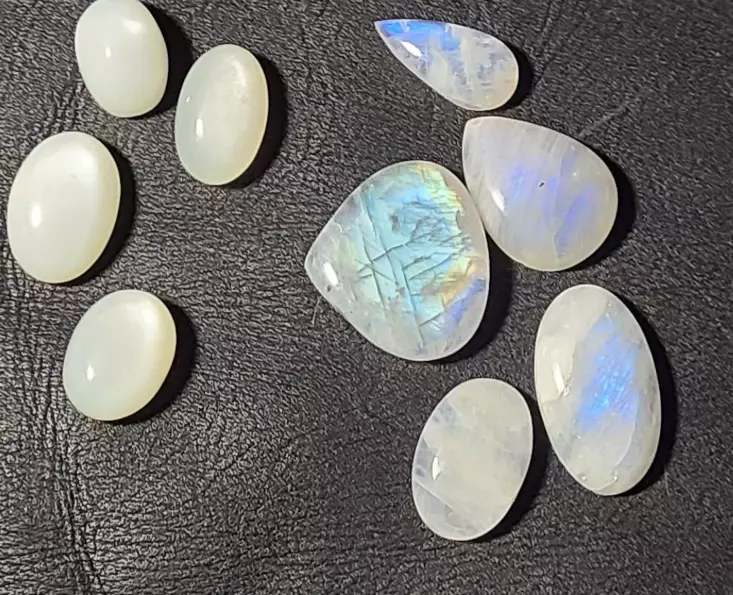
| June | Pearl, Moonstone, Alexandrite | Pearl (organic), Moonstone (glowy), Alexandrite (color-change). Pearl for purity, Moonstone for intuition, Alexandrite for luck. | The overachiever month. Pearls are classic but delicate. Alexandrite is incredibly rare and expensive. Moonstone is a beautiful, affordable alternative. |
| July | Ruby | Fiery red. The king of gems. Symbolizes passion, protection, and wealth. Said to glow from within. | My personal favorite. A high-quality ruby has a warmth no other red stone can match. But "pigeon's blood" red commands insane prices. |
| August | Peridot & Sardonyx | Peridot (lime green), Sardonyx (banded red/white). Peridot wards off nightmares, Sardonyx brings courage. | Peridot is like summer in a gem. Sardonyx feels ancient and carved—it's more of a cameo material. |
| September | Sapphire | Deep blue (but comes in all colors except red). Wisdom, nobility, divine favor. The chosen stone for clergy and royalty. | Beyond reliable. Durable, stunning, and that classic blue is iconic. The "padparadscha" orange-pink sapphire is a hidden treasure. |
| October | Opal & Tourmaline | Opal (play-of-color), Tourmaline (every color). Opal for hope and creativity, Tourmaline for protection. | Opals are magical but fragile and can crack if dried out. Tourmaline is a rainbow in mineral form—so many options. |
| November | Topaz & Citrine | Topaz (traditionally yellow, now blue), Citrine (sunny yellow). Both for healing, strength, and vitality. | Citrine is the "happy" stone—warm and affordable. Blue topaz is ubiquitous in mall jewelry, which has dulled its mystique a bit. |
| December | Turquoise, Zircon, Tanzanite | Turquoise (sky blue), Zircon (brilliant), Tanzanite (violet-blue). Turquoise for protection, Zircon for wisdom, Tanzanite for new beginnings. | Turquoise is cultural, not just decorative—respect its significance. Tanzanite is stunningly vibrant but softer, best for pendants. |
See? Some months got lucky with one iconic gem. Others got a whole committee. It makes choosing both fun and slightly confusing.
Traditional vs. Modern: What's the Difference and Does It Matter?
This is where people get tripped up. After 1912, the jewelry industry didn't just stop. New gems were discovered, marketing trends shifted, and the list got some updates. The "modern" birthstone list, also maintained by Jewelers of America, includes newer additions like tanzanite (December, added in 2002) and spinel (August, added in 2016).
So which list is the real one?
For example, December's traditional stones are turquoise and zircon. Tanzanite, a breathtaking violet-blue stone found only in one place on Earth, was added as a modern option. It's now arguably more popular than the traditional choices. Does that make turquoise less "December"? Not at all. It just gives you more options.
My advice? If you love history and symbolism, lean into the traditional birthstones. If you're drawn to a particular color or a more recently popular gem, check the modern list. There's no wrong answer.
Beyond the Calendar: How to Actually Use Birthstone Knowledge
Knowing your stone is step one. Here’s what to do next.
The biggest fear is ending up with a clunky, obvious piece that screams "birthday present from a distant aunt." It doesn't have to be that way.
- Think Subtlety: A delicate necklace with a small, well-cut stone. Stud earrings. A slim signet ring with the gem set flush.
- Consider Alternative Settings: Not every gem needs to be a solitaire. Look at bezel settings, cluster designs, or even raw, uncut stones for a more organic look.
- Mix and Match: Create a "family" bracelet with stones for your kids or partner. The personal story overpowers any kitsch factor.
- Quality Over Size: A tiny, vivid ruby is better than a large, dull one. Focus on the color and cut.
Hey, it happens. Maybe you're a January baby who hates red. Or an April baby ethically opposed to diamonds.
First, check the modern list—you might have another official option. Second, look into your zodiac sign's alternative stones (an older tradition). Third, and most importantly: just choose a different gem. The rules aren't enforced by the gemstone police. The point is to wear something meaningful to you. Maybe you connect with the stone from your favorite season, or a gem that matches your eyes. That personal connection is more powerful than any calendar.
Digging Deeper: The Symbolism and "Powers" Behind the Stones
Let's talk about the elephant in the room: metaphysical properties. Many traditional birthstone meanings come from ancient beliefs about their healing or spiritual powers. Amethyst warding off drunkenness, carnelian bringing courage, emerald curing eye diseases.
From a modern, scientific view, these are legends. A gemstone is a crystalline structure; it won't heal your liver or attract love. But the psychology is real. Wearing a stone you believe represents strength can make you feel stronger. It's a talisman, a physical reminder of an intention you set.
Your Traditional Birthstone Questions, Answered
Absolutely. There's no rule or bad luck associated with it. In many traditions, wearing certain stones was about the property you needed, not your birth month. Need clarity? Wear an amethyst, even if you're born in July. Love the color green? Rock an emerald anytime.
Historically, yes. Today, you have options. You can find natural, lab-created, and simulated versions of most stones. A lab-created ruby has the same chemical and physical properties as a mined one, just made in a controlled environment. It's often more affordable and ethical. A "simulant" (like cubic zirconia simulating a diamond) just looks similar. Know what you're buying.
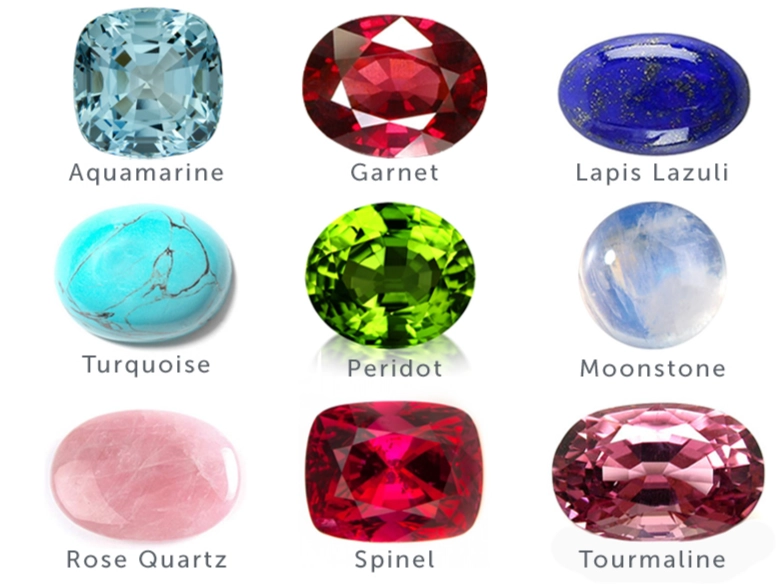
Every pricey gem has a more accessible look-alike. Love emerald? Try green tourmaline or tsavorite garnet. Want a ruby's vibe? Red spinel or garnet can offer that fiery red. For diamond, white sapphire or moissanite are brilliant, durable, and less costly. The American Gem Society has great guides on gemstone alternatives and quality factors that can help you shop smart.
This is crucial. Gems have different hardness levels (on the Mohs scale).
- Hard Stones (7+): Sapphire, ruby, diamond. Can handle daily wear and gentle cleaning with soap and water.
- Medium Stones (5-7): Opal, pearl, turquoise, tanzanite. These are delicate. Avoid ultrasonic cleaners, harsh chemicals, and impacts. Store them separately.
- Organic "Stones": Pearl, coral. These are porous. Put them on after applying perfume or hairspray. Wipe with a soft cloth after wearing.
A quick rule: when in doubt, clean with warm water, mild soap, and a soft toothbrush, and dry thoroughly.
The Bottom Line: Making Tradition Personal
The world of traditional birthstones is a gift. It's a ready-made connection to the past, a splash of color, and a reason to own a beautiful piece of the natural world. But don't be a slave to the list.
Use it as a starting point for discovery. Learn the stories. Appreciate the colors. Then, choose what resonates with you—whether it's the stone from your birth month, your partner's month, or just a gem that makes you stop and stare every time you see it.
 That's the real tradition: finding meaning and beauty in the earth's treasures.
So go ahead. Look up your traditional birthstone. Read its history. See if you feel a connection. And if you don't? The whole periodic table of elements is out there waiting. Have fun with it.