Quick Guide
- What Are Modern Birthstones, Really? (It's Not a Conspiracy)
- The Complete Modern Birthstone List: Month by Month
- How to Actually Choose Your Modern Birthstone (Forget the Rules)
- The Modern Birthstone Hall of Fame: A Few Standouts
- Your Modern Birthstone Questions, Answered (The Real Ones)
- Wrapping This Up (With a Bow, Not a Prescription)
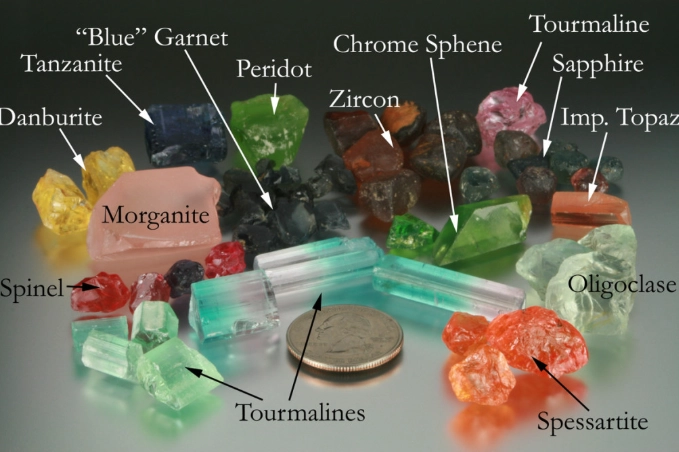
Let's be honest. The whole birthstone thing can get confusing. Your grandma might swear by her classic ruby for July, but then you hop online and see people raving about something called a "ruby alternative" or a completely different modern birthstone list. What gives?
I remember trying to buy a birthday pendant for my sister last year. She's born in November, and all I knew was "topaz." I walked into a jeweler and was promptly overwhelmed. Did she want the traditional yellow topaz? The modern citrine? What about this fancy "blue topaz" the salesperson showed me? I left more confused than when I walked in.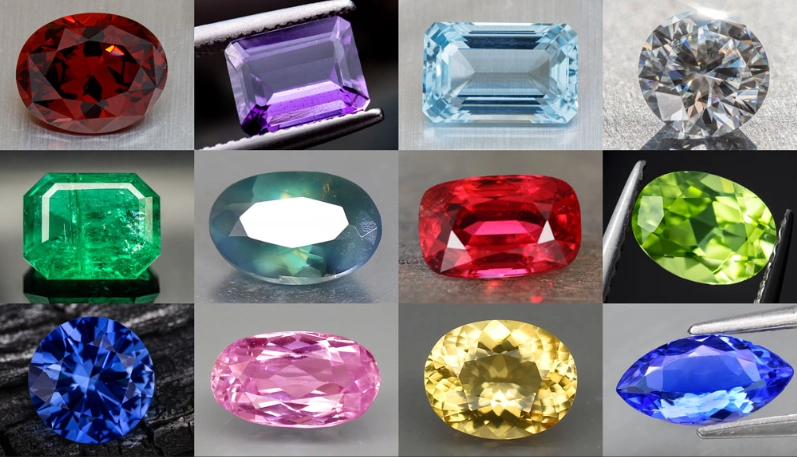
That experience sent me down a rabbit hole. I wanted to cut through the marketing fluff and the old wives' tales to figure out what modern birthstones really are, why the lists changed, and—most importantly—how to pick one you'll actually love wearing.
So, if you're shopping for a meaningful gift, designing a custom piece, or just curious about the gem connected to your birth month, you're in the right place. We're going to break it all down, without the jargon.
What Are Modern Birthstones, Really? (It's Not a Conspiracy)
First things first. There's no single, global committee that hands down stone decrees. The modern birthstone list most people refer to comes from a few key sources. The big one is the list created by the American Gem Society (AGS) and the Jewelry Industry Council back in the 1950s. They officially updated and standardized the older, more traditional lists that had been floating around for centuries.
Why the update? A few practical reasons.
- Availability: Some ancient stones became incredibly rare or were historically misidentified (like lumping all red gems together as rubies). Modern lists reflect more accurate gemology.
- Affordability: Let's face it, a natural, high-quality ruby is out of most people's price range. Modern alternatives like spinel or garnet offer a beautiful look without the astronomical cost.
- Color Preferences: Modern lists often expanded options to include different colors. Not everyone born in April wants a colorless diamond; some might adore the steely blue of a sapphire.
- Marketing & Variety: The jewelry industry isn't immune to trends. Offering more choices gives customers more reasons to buy and designers more materials to play with.
It's less about "right" or "wrong" and more about having options. The traditional list has deep historical and symbolic roots, often tracing back to the Breastplate of Aaron in the Bible. The modern birthstone list tries to balance that history with contemporary reality.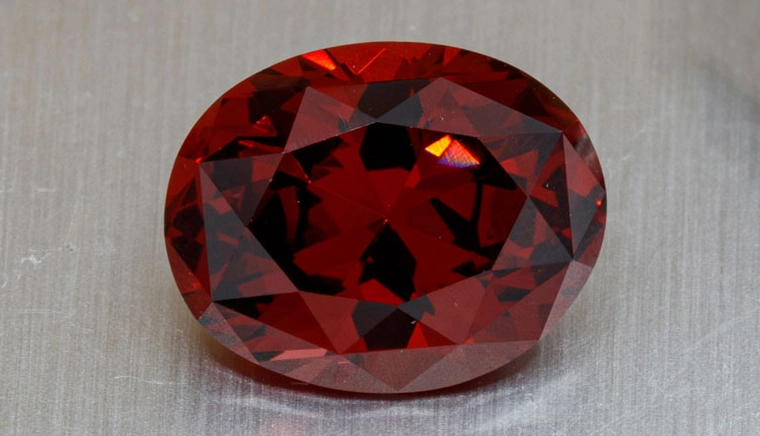
Here's the kicker, though. You'll sometimes see *multiple* modern lists. The AGS list is the most common, but the UK might have slight variations, and some New Age or mystical circles have their own. It can be a mess. For this guide, we're sticking to the most widely accepted modern list in North America, the one you're most likely to find in a reputable jewelry store.
The Complete Modern Birthstone List: Month by Month
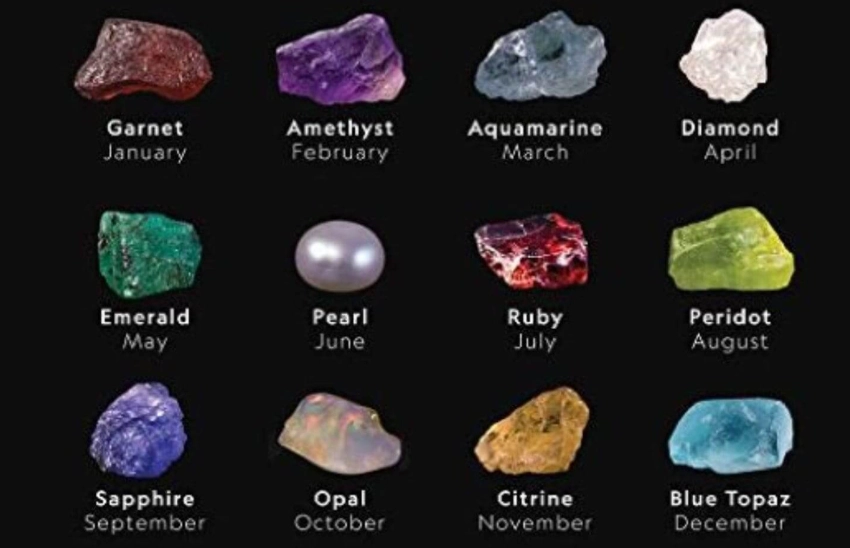
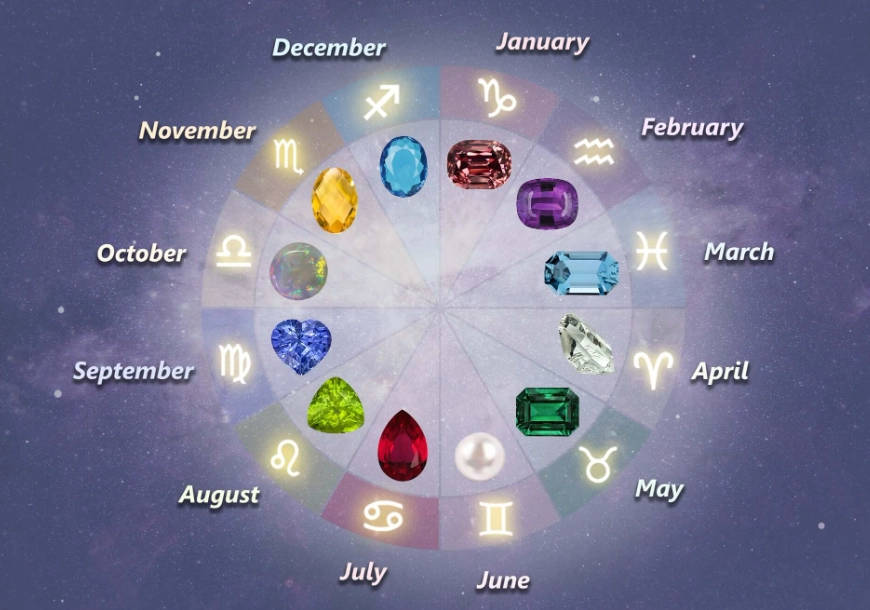
Alright, let's get to the good stuff. Here is the side-by-side comparison that makes everything click. This table shows you the traditional stone, the primary modern birthstone, and often the extra "alternatives" that have crept in due to popularity or regional differences.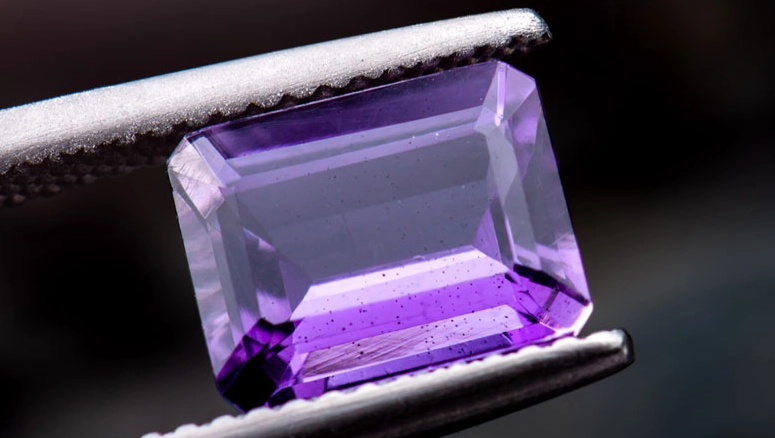
| Month | Traditional Birthstone | Modern Birthstone (Primary) | Common Modern Alternatives/Notes |
|---|---|---|---|
| January | Garnet | Garnet | Stays the same. A great example of a stone that's affordable, durable, and comes in a rainbow of colors beyond just red. |
| February | Amethyst | Amethyst | Another keeper. Its purple hue is so distinct it never got replaced. |
| March | Bloodstone, Aquamarine | Aquamarine | Bloodstone fell out of favor. Aquamarine's serene blue is the undisputed modern champion. Some lists also include Bloodstone as an alternative for its historical connection. |
| April | Diamond | Diamond | The king (or queen) stays on top. Though, some modern interpretations suggest Quartz or Sapphire as more affordable or colorful options. |
| May | Emerald | Emerald | No change here. The lush green is iconic. |
| June | Pearl, Moonstone | Pearl, Moonstone, Alexandrite | Here's a big shift! Alexandrite, a rare color-changing stone, was added as a modern option. You also see Cat's Eye Chrysoberyl sometimes. |
| July | Ruby | Ruby | Ruby holds its ground. But due to cost, many people look to red Spinel or Garnet as modern, everyday alternatives. |
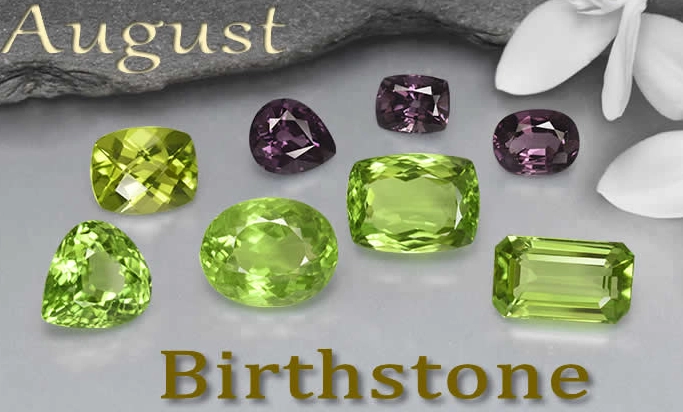
| August | Sardonyx, Peridot | Peridot, Spinel | Sardonyx (a type of agate) is rarely used now. Peridot's lime green is the star, and Spinel (in various colors) is a widely accepted modern addition. |
| September | Sapphire | Sapphire | Sapphire remains, but the modern understanding celebrates all sapphire colors, not just blue. Pink, yellow, padparadscha—they all count. |
| October | Opal, Tourmaline | Opal, Tourmaline | Tourmaline, which comes in every color imaginable, was a modern addition that stuck. It gives October babies a super durable and colorful option beyond the delicate opal. |
| November | Topaz, Citrine | Topaz, Citrine | Both remain. The big modern shift here is the mind-blowing popularity of blue topaz (which is often irradiation-treated to achieve that sky-blue color), even though traditional topaz is typically yellow or brown. Citrine is also hugely popular as an affordable alternative. |
| December | Turquoise, Zircon | Turquoise, Zircon, Tanzanite | Another major update! Tanzanite, discovered in 1967, was added as a modern December birthstone in 2002. Its vibrant violet-blue color made it an instant classic. Blue Zircon is also a stunning modern choice that's often confused with cubic zirconia (they're totally different). |
See? Just having that list clears up half the confusion. You can instantly spot the months where the modern birthstone list made significant changes: June, August, and December are the real headline-makers.
How to Actually Choose Your Modern Birthstone (Forget the Rules)
This is where it gets personal. You've got options now—maybe too many. How do you pick? Let's move past "this is your stone" and into "which stone is right for you."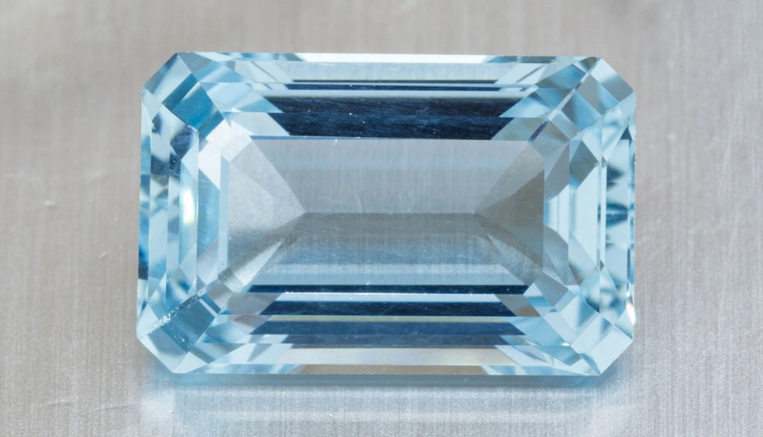
Ask yourself these questions. Seriously, grab a notepad.
What's Your Everyday Style?
Are you minimalist? A sleek peridot or blue topaz solitaire pendant might be perfect. Love bold statements? An opal with its fiery play-of-color or a large citrine will turn heads. Do you prefer classic pieces? Stick with the traditional gems like diamond, ruby, sapphire, or emerald in timeless settings.
The modern birthstone list gives you color palettes. March isn't just "light blue" anymore; it's the specific calm of aquamarine. October is a rainbow with tourmaline.
What's Your Budget, Really?
Let's talk numbers without flinching. A 1-carat, good-quality untreated sapphire will cost significantly less than a 1-carat diamond of similar quality. A lab-created Alexandrite gives you the magical color-change effect of June's modern birthstone for a fraction of the price of a natural one.
How Hard-Wearing Does It Need to Be?
This is the practical question most blogs glaze over. If you're buying a ring you'll wear every day (like an engagement or right-hand ring), durability is non-negotiable. On the Mohs scale of hardness:
- Great for daily wear (8+): Diamond (10), Sapphire (9), Ruby (9), Topaz (8), Spinel (8).
- Okay for occasional wear/earrings/pendants (7-7.5): Garnet, Tourmaline, Citrine, Amethyst, Peridot.
- Handle with care (6.5 and below): Opal, Pearl, Moonstone, Tanzanite. These are beautiful but soft or prone to chipping. Save them for pendants, earrings, or special-occasion rings.
I learned this the hard way with an opal ring. I wore it daily for a year, and it got a network of tiny cracks. Heartbreaking. Now I keep my opals in earrings.
Do You Care About Treatment & Origin?
This is a modern concern. Most gemstones on the market are treated in some way to enhance color or clarity. Heat treatment is standard and accepted for sapphires, rubies, and many others. Irradiation creates the blue in topaz. Dyeing is common for lower-quality turquoise.
There's no right answer here. Some people insist on completely natural, untreated stones (which are rare and expensive). Others are fine with standard treatments that make beautiful gems accessible. The key is to ask your jeweler. A reputable seller will disclose any treatments. The Gemological Institute of America's (GIA) Gem Encyclopedia is an unbiased resource to learn about treatments for any specific modern birthstone.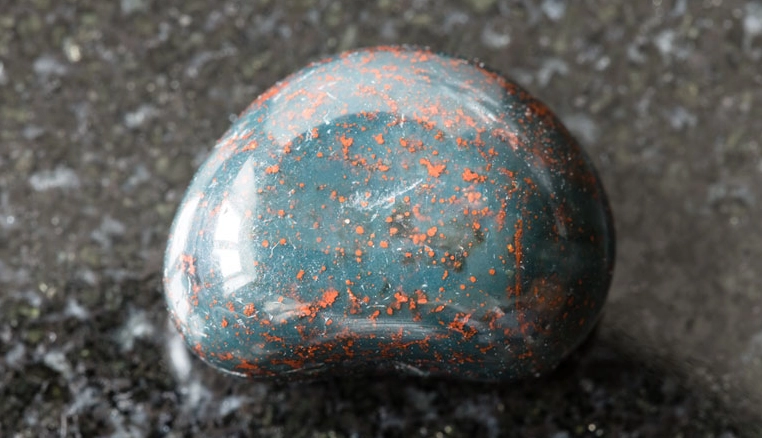
The Modern Birthstone Hall of Fame: A Few Standouts
Some of these modern additions or shifts are so successful they've become superstars in their own right. Let's give them their due.
Tanzanite (December)
The rockstar. Found in only one place on Earth (near Mount Kilimanjaro in Tanzania), its discovery story is modern legend. It's a variety of zoisite, and its trichroic nature (showing different colors from different angles) gives it that incredible blue-violet hue. It's softer, so treat it gently, but wow, what a color. It's the definition of a successful modern birthstone addition.
Blue Topaz (November)
You'd be hard-pressed to find a jewelry case without it. While natural blue topaz is pale, the treated Swiss Blue and London Blue topaz have become ubiquitous. They offer a crisp, saturated blue that's incredibly affordable and durable. It's the people's champion of modern birthstones.
Spinel (August)
This is the gem nerd's favorite. For centuries, famous "rubies" like the Black Prince's Ruby in the British Crown Jewels were actually spinels. It's now recognized as its own superb gem. It comes in reds (rivaling ruby), hot pinks, blues, and lavenders. It's hard (8 on Mohs), often has fewer inclusions than ruby, and is generally more affordable. It's a sophisticated, modern choice that's finally getting its moment.
Alexandrite (June)
The magician. Natural alexandrite's color change (green in daylight, red under incandescent light) is one of nature's great tricks. It's exceptionally rare and expensive. The modern twist? High-quality lab-created alexandrite has made this phenomenon accessible. For someone who loves unique, conversation-starting jewelry, lab alexandrite is a fantastic modern birthstone option.
You see the pattern? These modern birthstones solved a problem: Tanzanite offered a stunning new color, Blue Topaz gave an affordable blue, Spinel provided a better ruby alternative, and lab Alexandrite unlocked magic.
Your Modern Birthstone Questions, Answered (The Real Ones)
Can I have more than one modern birthstone?
Absolutely. That's the whole point of the modern list! Many months have multiple official stones. June has three (pearl, moonstone, alexandrite). October has two (opal, tourmaline). You can mix them in a "right-hand ring," wear different ones on different days, or even look for gems that combine them (like an opal and tourmaline pendant). It's your birthday, your rules.
Are lab-created stones "real" modern birthstones?
This is the hottest debate. Here's my take: If the meaning for you is about the color, the symbolism, and the connection to your month, then a lab-created stone is 100% valid. A lab-created sapphire has the same chemical composition, hardness, and beauty as a mined one. It's often more perfect and definitely more affordable and ethical. If the meaning is tied to the stone's ancient, natural formation deep in the earth, then you'll want a natural gem. Neither choice is wrong. Just know what you're buying.
What if I don't like my modern birthstone options?
First, dig deeper. Hate the yellow of traditional topaz? Look at the mesmerizing blue topaz. Think peridot is too lime-green? Some peridots are a rich olive or even brownish-green (called "bottle glass"). You might find a shade you love.
If you truly dislike them all, look to your zodiac sign or your birth flower for alternative symbolic gems. Or, adopt the "birthday number" concept. Some people believe in choosing a gem that aligns with their birthstone but isn't your official stone. The key is intent and personal meaning.
Where's the best place to buy a modern birthstone?
Reputable jewelers with clear sourcing and grading are essential. Look for stores that provide detailed gemological reports and certifications. Online retailers can offer great value, but ensure they have clear return policies and certification for high-value stones.
My personal advice? Start with the Natural History Museum's online mineralogy database if you want to see stunning natural examples of these gems. It reminds you of the raw beauty you're trying to capture in jewelry.
Wrapping This Up (With a Bow, Not a Prescription)
Look, at the end of the day, the best modern birthstone for you is the one that makes you stop, look at your hand (or neck, or ears), and think, "Yeah, that's me. That's my stone."
The modern birthstone lists gave us freedom. They acknowledged that a one-size-fits-all approach to something as personal as our birth month doesn't really fit anyone perfectly. They introduced stunning new discoveries like tanzanite, rescued underrated gems like spinel, and made room for personal expression through color and affordability.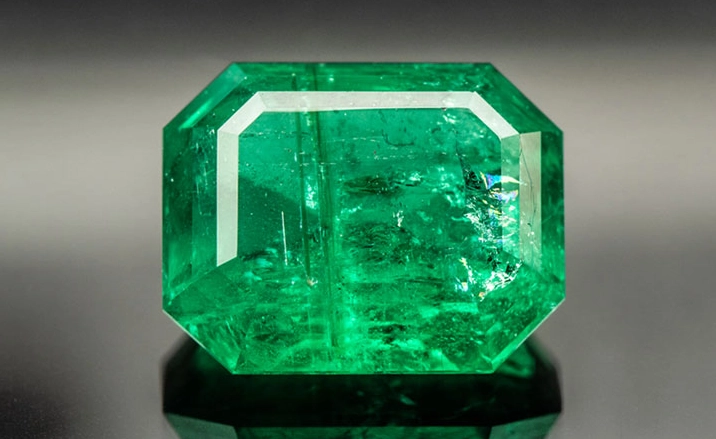
So use the list as a menu, not a mandate. Consider your lifestyle, your budget, and what color makes you feel powerful, calm, or joyful. Then go find that stone. Whether it's a centuries-old tradition or a 21st-century update, the meaning you pour into it is what makes it truly precious.
Got more questions? Drop them in the comments below. I'm not a gemologist, just someone who got tired of being confused and decided to figure it out.