Your Guide to Birthstone Symbolism
- Where Did This All Start? A Quick Dip into History
- Your Month-by-Month Guide to Birthstone Symbolism
- The Color of Meaning: Why Hue Matters in Symbolism
- Modern Birthstone Symbolism: It's More Personal Than Ever
- How to Choose a Birthstone Piece With Real Meaning
- Caring for Your Symbolic Stone
- Answering Your Birthstone Symbolism Questions
- Wrapping It Up: Making Symbolism Your Own
So you know your birthstone, right? Maybe it's the garnet your grandma gave you for January, or the opal you see every October. But have you ever stopped to wonder why that specific stone is linked to your birth month? The story is so much deeper than a simple calendar chart. We're talking about centuries of belief, layers of symbolism, and a personal connection that can feel almost magical.
I remember buying my first "real" birthstone piece—a simple sapphire pendant for September. The salesperson just said, "It's your stone," and that was that. It felt a bit hollow, to be honest. It wasn't until years later, digging into the history and the lore, that the pendant actually started to mean something to me. That's what we're doing here today. We're going beyond the surface to uncover the real heart of birthstone symbolism.
Where Did This All Start? A Quick Dip into History
Let's rewind. Way back. The whole idea of linking gems to months or signs isn't a modern marketing ploy (though marketing has certainly embraced it). Most historians trace the origins back to the Breastplate of Aaron described in the Biblical Book of Exodus. This sacred garment was adorned with twelve gems, each representing one of the tribes of Israel. The connection to the twelve months came later, woven through interpretations by Jewish, Christian, and eventually wider European traditions.
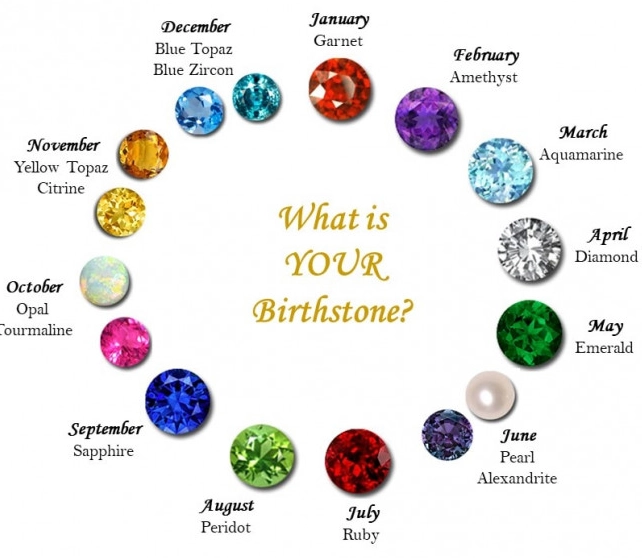
Fast forward to 18th century Poland, where Jewish gem traders are credited with solidifying a more standardized list connecting specific stones to months. But here's the fun part—the list wasn't fixed. In 1912, the National Association of Jewelers in the United States (now Jewelers of America) decided to standardize a modern list. They wanted to simplify things for customers. This is the list most of us in the West recognize today, though the UK has a slightly different traditional list, and many other cultures have their own systems entirely.
See? It was never one universal truth. It evolved. That's important because it means the symbolism is alive. It's okay to mix the traditional meanings with what feels right to you.
Your Month-by-Month Guide to Birthstone Symbolism
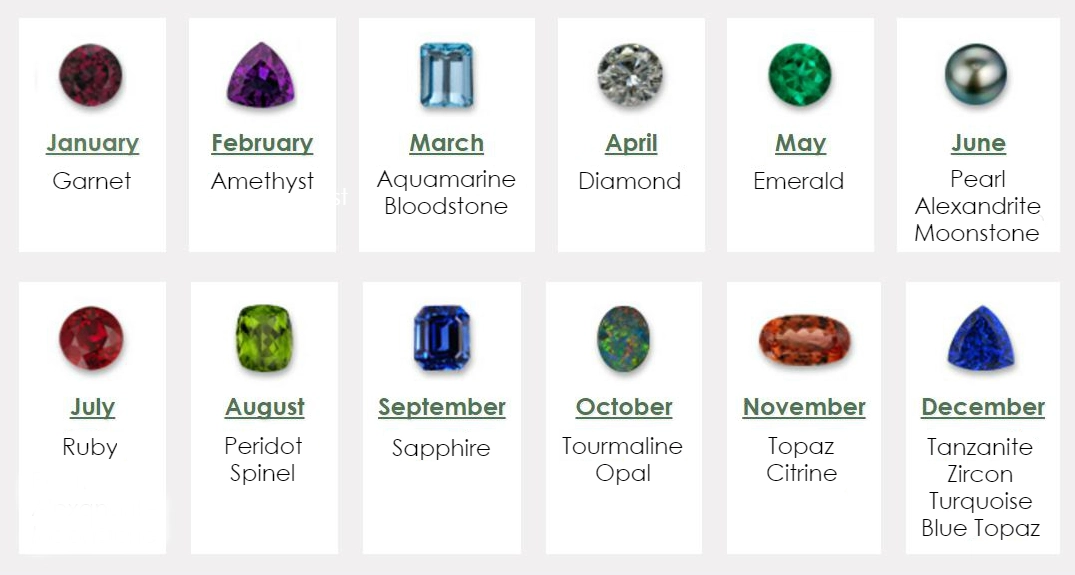
This is where we get into the good stuff. Let's break down each month, its primary stone (and modern alternatives), and the layers of meaning that have stuck to it over time. Think of this as a starting point for your own interpretation.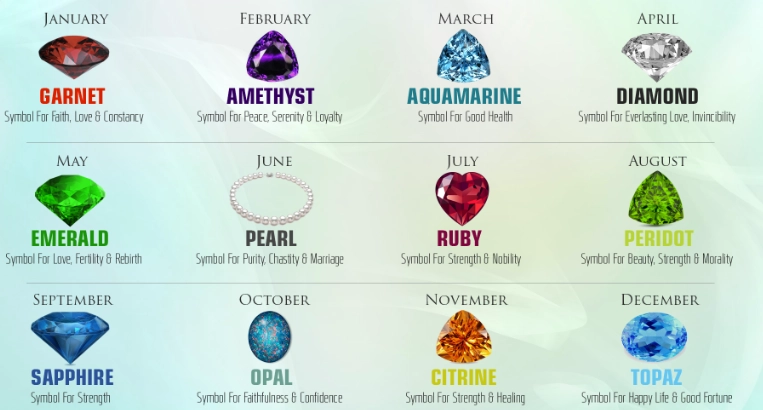
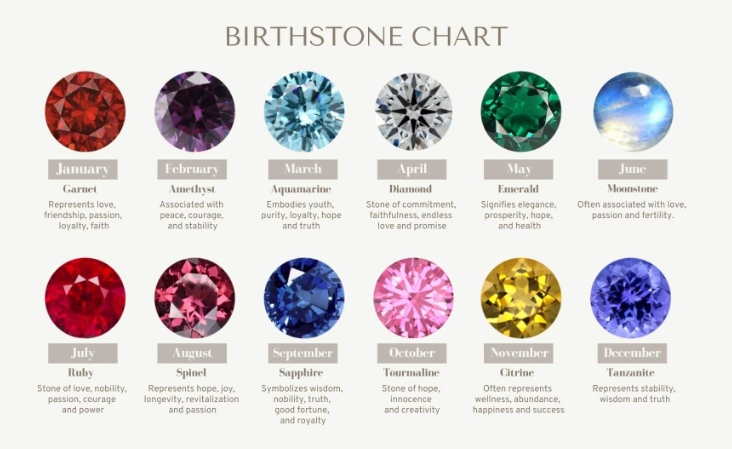
| Month | Primary Birthstone | Key Symbolism & Meanings | Modern Alternatives (Often Used) |
|---|---|---|---|
| January | Garnet | Protection, safe travel, friendship, loyalty, commitment. Its deep red color is tied to the heart and blood, symbolizing life force and passion. Ancient warriors carried it for protection. | Rose Quartz |
| February | Amethyst | Peace, tranquility, sobriety, clarity of mind, wisdom. The Greeks believed it prevented intoxication ("amethystos" means "not drunk"). It's a stone long associated with calming the mind and spiritual growth. | Onyx |
| March | Aquamarine | Courage, serenity, clarity, communication. Named for seawater, it was a talisman for sailors. It symbolizes calming fears and speaking one's truth with clarity and compassion. | Bloodstone |
| April | Diamond | Invincibility, strength, eternal love, purity, light. Its unmatched hardness made it a symbol of resilience. Its brilliance represents light, clarity, and high energy. | Clear Quartz, White Sapphire |
| May | Emerald | Rebirth, love, fertility, wisdom, patience. Associated with Venus, the goddess of love. Its lush green connects it to spring, growth, and the heart. It was believed to reveal truth and protect against deceit. | Chrysoprase |
| June | Pearl / Alexandrite / Moonstone | Pearl: Purity, humility, innocence. Alexandrite: Luck, balance (color-changing magic). Moonstone: New beginnings, intuition, feminine energy. June is unique with three! Pearls from the sea, Alexandrite's magic, Moonstone's lunar glow. | (Three are standard) |
| July | Ruby | Passion, vitality, nobility, wealth, protection. Called the "king of gems," its fiery red is tied to blood, life, and intense emotion. It was thought to preserve health and bring success in love and war. | Carnelian |
| August | Peridot / Spinel | Peridot: Protection, healing, harmony, strength. Called the "evening emerald," it was believed to ward off nightmares. Spinel: Revitalization, hope, positive energy (a more recent addition). | Sardonyx |
| September | Sapphire | Wisdom, loyalty, nobility, truth, focus. Not just blue! But the classic blue symbolizes depth, intuition, and a calm mind. Ancient priests wore it to connect with the divine and seek truth. | Lapis Lazuli |
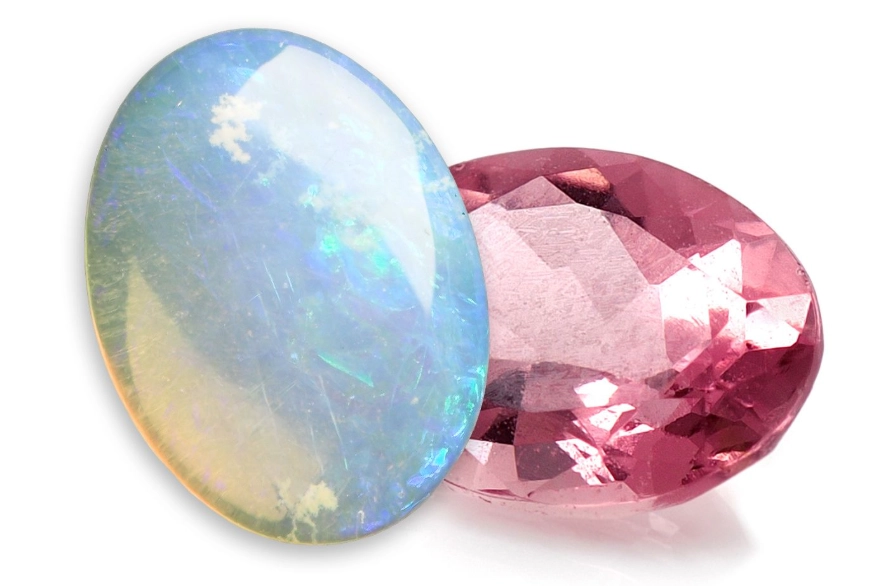
| October | Opal / Tourmaline | Opal: Hope, creativity, innocence, luck (despite the bad rap!). Its play-of-color represents imagination. Tourmaline: Healing, protection, grounding (available in many colors). | Pink Tourmaline |
| November | Topaz / Citrine | Topaz (traditionally yellow): Strength, intelligence, warmth. Citrine: Success, abundance, joy, personal power. Both sunny stones that combat negativity and attract good things. | Yellow Sapphire |
| December | Tanzanite / Turquoise / Zircon | Tanzanite: Transformation, spiritual insight. Turquoise: Protection, friendship, luck (ancient amulet). Zircon: Honor, wisdom, prosperity. December has a vibrant, spiritual trio. | Blue Zircon, Blue Topaz |
Looking at that table, you can start to see patterns. Reds and pinks often connect to passion and vitality (Garnet, Ruby). Blues and greens tie to communication, healing, and calm (Aquamarine, Sapphire, Emerald). Clear or white stones speak to purity and light (Diamond, Pearl). It's a language of color and lore.
The Color of Meaning: Why Hue Matters in Symbolism
You can't separate a gem's symbolism from its color. It's the first thing we notice. Color psychology plays a huge, if subconscious, role in why these meanings stick.
Think about a deep blue sapphire. Blue is universally linked to the sky and the sea—vast, deep, calm, trustworthy. Is it any wonder its primary symbolism is wisdom, loyalty, and truth? It feels stable. Now, contrast that with the fiery red of a ruby. Red is the color of blood, fire, the heart beating fast. It screams passion, energy, life force. The birthstone symbolism didn't create these associations; it harnessed the ones we already feel in our bones.
Green emeralds connect us to the forest, to growth and renewal. Yellow citrine feels like captured sunlight, promising joy and abundance. The milky iridescence of a pearl feels gentle, soft, and pure, like moonlight on water.
So when you're drawn to a birthstone (yours or someone else's), ask yourself: am I drawn to the meaning, or am I first drawn to the color? Often, it's the color that opens the door to the meaning.
Modern Birthstone Symbolism: It's More Personal Than Ever
Here's where things get interesting today. We're not bound by the 1912 list. The concept of birthstone symbolism has expanded in wonderful, personal ways.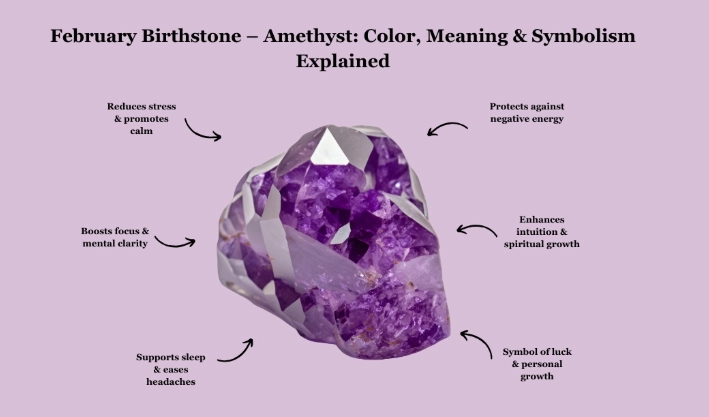
Many people now choose stones based on:
- Your Ascendant or Zodiac Sign: Astrology has its own rich gemstone traditions. A Cancer (ruled by the moon) might feel a deep pull toward moonstone, even if they were born in December.
- A Need or Intention: This is huge. Maybe you're not a January baby, but you're starting a new job and need the "protection and commitment" symbolism of a garnet. You're adopting the stone for its meaning, not your birth month. That's perfectly valid modern symbolism.
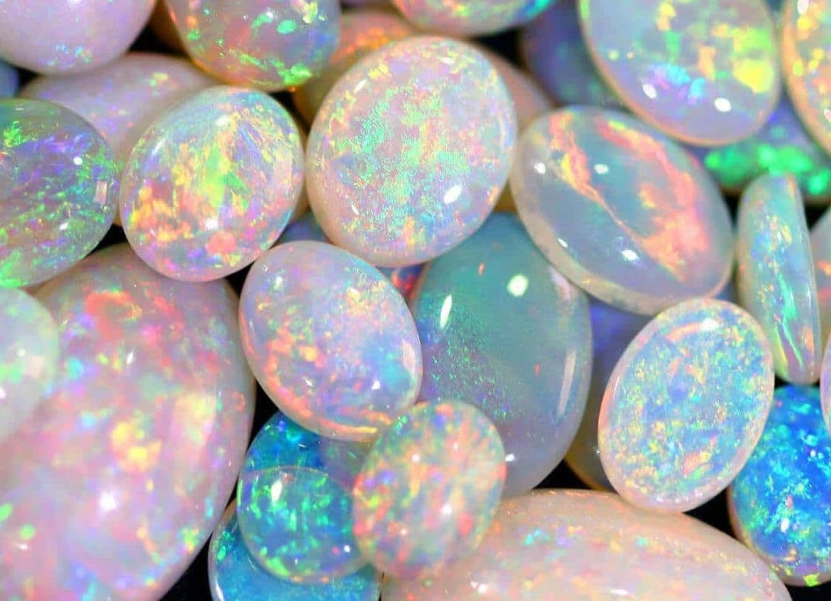
- Simply Loving the Look: And that's okay too! The meaning can follow the attraction. You buy a stunning opal ring because you love its fire. Later, you learn it symbolizes creativity and hope, and you decide that fits you perfectly. The symbolism becomes personal retroactively.
How to Choose a Birthstone Piece With Real Meaning
Okay, so you're sold on the idea and want to get a piece. How do you move from "nice gem" to "meaningful object"? It's in the how and the why.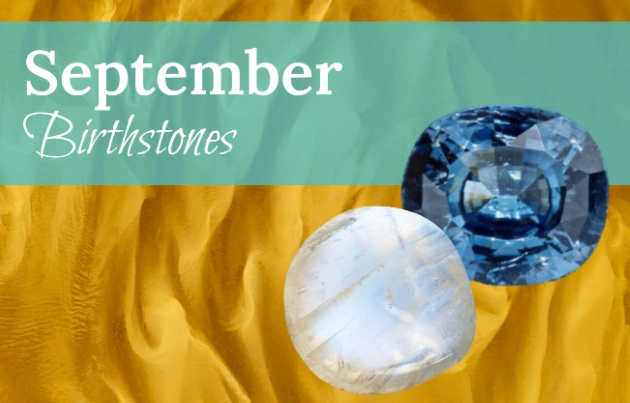
Ask Yourself Some Questions First
What do you want this stone to do for you? Is it a reminder? A talisman for a specific goal? A connection to a loved one? A celebration of your own birth? The answer guides everything.
Consider the Setting and Style
A birthstone's symbolism can be amplified by its setting. A simple solitaire pendant keeps the focus purely on the stone and its meaning. A more elaborate, vintage-inspired ring might connect you to the long history of the tradition. A modern, geometric setting could represent making an old symbol your own.
Think Beyond Jewelry
Birthstone symbolism doesn't have to hang from your neck. A raw, unset crystal on your desk can be a touchstone. A beaded bracelet with your stone can be a subtle daily reminder. A carved figurine. The form should suit your life.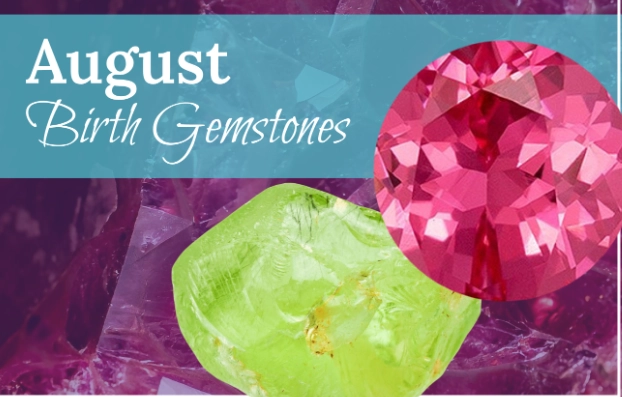
Caring for Your Symbolic Stone
If a stone carries meaning for you, you'll want to take care of it. This isn't just about maintenance; it's about respect for the symbol. A quick primer:
- Soft Stones (Pearl, Opal, Emerald): These are delicate. Avoid chemicals, perfumes, harsh impacts. Clean with a soft, damp cloth only. Store them separately to prevent scratches.
- Hard Stones (Diamond, Sapphire, Ruby): Tough but not indestructible. They can still chip if hit at the wrong angle. Ultrasonic cleaners are usually safe for these, but always check with your jeweler if the stone has treatments or fractures.
- General Rule: When in doubt, gentle soap, lukewarm water, and a soft brush. Dry thoroughly. The Gemological Institute of America (GIA) website is an incredible, trustworthy resource for specific care instructions for any gem.
I learned this the hard way with an opal ring I wore while doing dishes. The soap and slight temperature changes dulled its fire for a while. It felt like I'd neglected its meaning, not just a ring.
Answering Your Birthstone Symbolism Questions
Wrapping It Up: Making Symbolism Your Own
At the end of the day, birthstone symbolism is a tool. It's a rich, historical, colorful tool for creating meaning. It gives us a language to connect a piece of the earth to a piece of our story.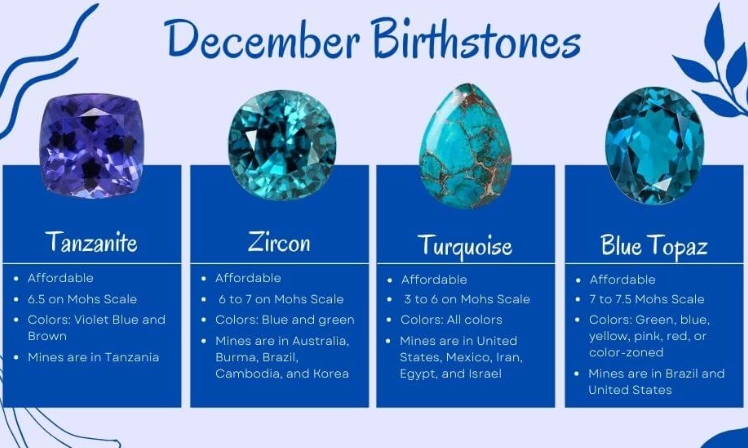
The most important thing is to move past the basic chart. Don't just say, "I'm an April, I get a diamond." Ask: What does the durability of a diamond mean to me? Does its brilliance represent clarity I seek? Or maybe you reject that and find meaning in the alternative, like a clear quartz for amplification.
Your birthstone's symbolism is a starting point for a conversation with yourself. It's about what you need, what you value, and what reminds you of who you are or who you want to be. That's the real magic. It's not in the stone itself, but in the meaning you choose to see in it.
Go look at your birthstone—or any stone you love—with new eyes. What's its story? What could your story be with it? That's where the true value lies, far beyond the carat weight or the price tag.
It's your story. Choose the gem that helps you tell it.