Guide Highlights
- Where Did This All Start? A Quick History Lesson
- The Complete Month-by-Month Birthstone Breakdown
- How to Actually Use This Birthstone Guide: A Practical Handbook
- Beyond the Basics: Care, Cleaning, and Keeping Your Stone Sparkling
- Answering Your Burning Birthstone Questions
- Putting It All Together: Your Personal Birthstone Journey
Let's talk birthstones. You've probably heard of them—maybe you know yours is an emerald if you're born in May, or a ruby for July. But there's so much more to the story. A proper birthstone guide isn't just a list; it's a doorway into history, meaning, and personal expression. I remember buying my first birthstone ring. I just picked the one labeled for my month, not really knowing why. It felt a bit... hollow. Like I was missing the point.
That's why I dug deeper. This isn't about pushing sales or repeating generic facts. It's about helping you understand the why behind the stone, so you can choose something that actually resonates with you. Whether you're buying for yourself or a gift, a little knowledge goes a long way.
Quick Take: Your birthstone is traditionally linked to your birth month, but modern lists often offer alternatives. The meanings? They're a fascinating mix of ancient lore, supposed healing properties, and pure, timeless symbolism.
Where Did This All Start? A Quick History Lesson
Believe it or not, the whole birthstone concept goes way back. We're talking biblical times. The Breastplate of Aaron, described in the Book of Exodus, had twelve gems representing the twelve tribes of Israel. That's often cited as the earliest precursor. Fast forward a few millennia, and in 1912, the National Association of Jewelers in the U.S. standardized the modern list to, well, sell more jewelry. It worked.
But the list isn't set in stone (pun intended). It's been updated. The American Gem Trade Association (AGTA) and Jewelers of America (JA) released a modern list in the 1950s, and it's been tweaked since. For instance, they added tanzanite for December in 2002. So the guide evolves. I find that comforting—it means there's room for personal choice.
The Complete Month-by-Month Birthstone Breakdown
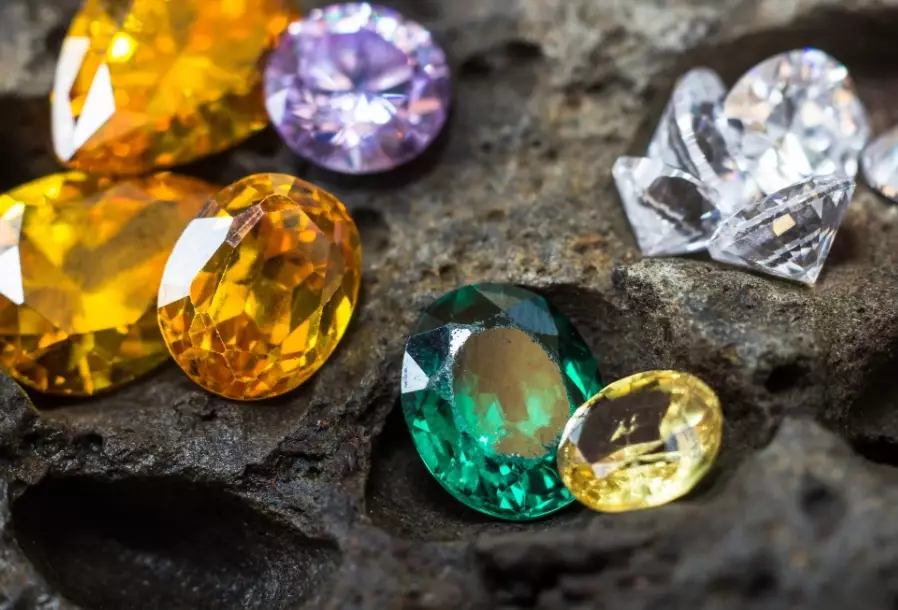
Okay, let's get into the meat of it. Here's your core birthstone guide, month by month. I've included both the traditional and modern picks because, honestly, having options is nice.
| Month | Traditional Birthstone | Modern (Alternative) Birthstone | Color | Key Symbolism & Lore |
|---|---|---|---|---|
| January | Garnet | Garnet | Deep Red (most common) | Protection, friendship, trust. Thought to guide travelers at night. |
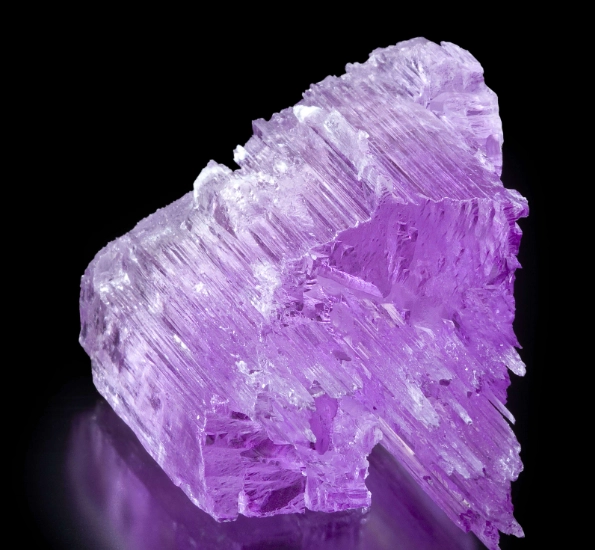
| February | Amethyst | Amethyst | Violet Purple | Peace, stability, courage. Greeks believed it prevented intoxication. |
| March | Aquamarine, Bloodstone | Aquamarine | Pale Blue, Blue-Green | Courage, serenity, clarity. The sailor's gem, believed to calm waves. |
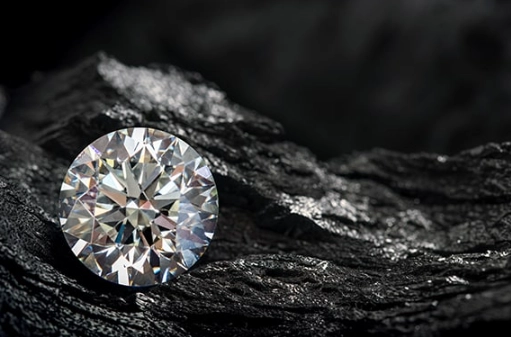
| April | Diamond | Diamond, White Sapphire | Colorless, Various | Strength, eternal love, innocence. The ultimate symbol of commitment. |
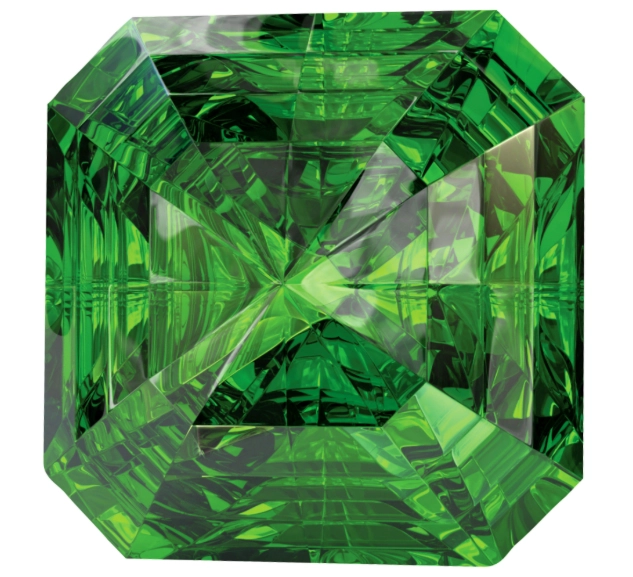
| May | Emerald | Emerald | Rich Green | Rebirth, love, wisdom. Cleopatra's favorite. Said to reveal truth. |
| June | Pearl, Alexandrite, Moonstone | Pearl, Alexandrite | White, Color-Change, Sheen | Purity, balance, good fortune. Pearls are organic, not mined. |
| July | Ruby | Ruby | Vivid Red | Passion, vitality, nobility. Considered the "king of gems." |
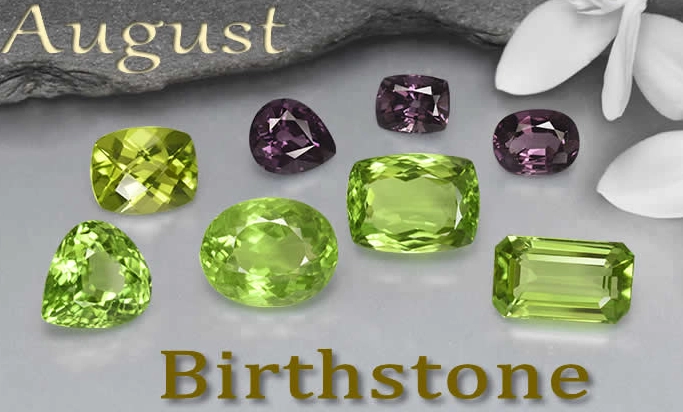
| August | Peridot, Sardonyx | Peridot, Spinel | Lime Green, Various | Strength, protection, harmony. Peridot is volcanic in origin. |
| September | Sapphire | Sapphire | Blue (classic), All Colors | Wisdom, loyalty, nobility. Not just blue—they come in every color but red. |
| October | Opal, Tourmaline | Opal, Tourmaline | Play-of-Color, Pink/Green | Hope, creativity, inspiration. Opals famously show a rainbow effect. |
| November | Topaz, Citrine | Topaz (Blue), Citrine | Yellow, Orange, Blue | Friendship, strength, joy. Citrine's sunny color is linked to prosperity. |
| December | Turquoise, Zircon, Tanzanite | Tanzanite, Turquoise, Blue Zircon | Blue, Blue-Violet | Success, transformation, calm. Tanzanite is found in only one place on Earth. |
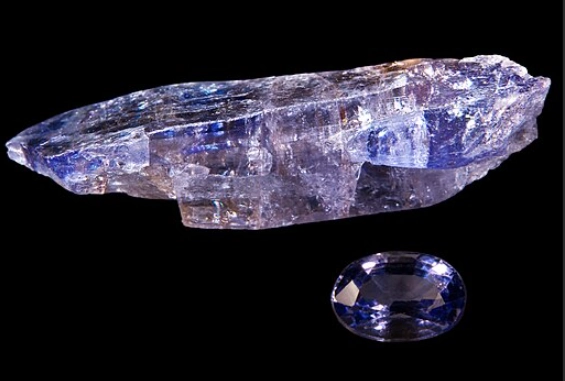
See? Already more interesting than a simple list. Now, some of these have cool quirks. Alexandrite for June changes color from green in daylight to red under incandescent light. It's wild. And December's tanzanite? It's about a thousand times rarer than diamond and is only mined in a single, small area in Tanzania. That kind of context makes your stone feel special.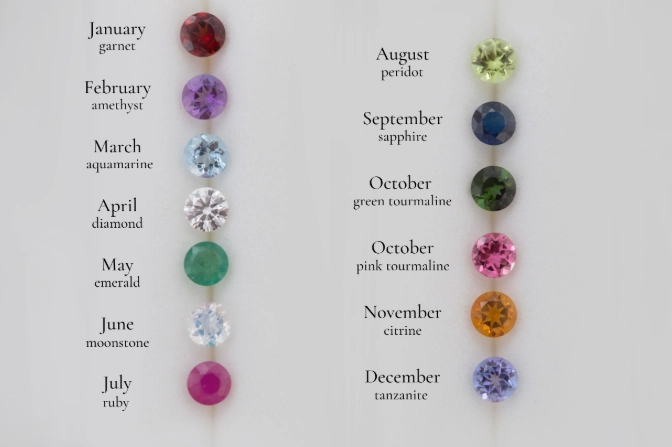
How to Actually Use This Birthstone Guide: A Practical Handbook
Knowing the stones is step one. Using this birthstone guide to make a real decision is step two. Let's break down the real questions people have.
Picking *Your* Stone: It's Not Just About the Month
Strictly following the month is fine. But what if you don't like the color? Or the symbolism doesn't fit you? That's okay. Many people choose based on:
- The Meaning: Drawn to the idea of courage? Maybe aquamarine (March) calls to you, even if you're born in August.
- The Color: Love green? Emerald (May), peridot (August), or tsavorite garnet could be your pick, regardless of month.
- The Vibe: Want something unique? Look at opal (October) or alexandrite (June). Prefer classic? Diamond (April) or ruby (July).
The rule is: there are no hard rules.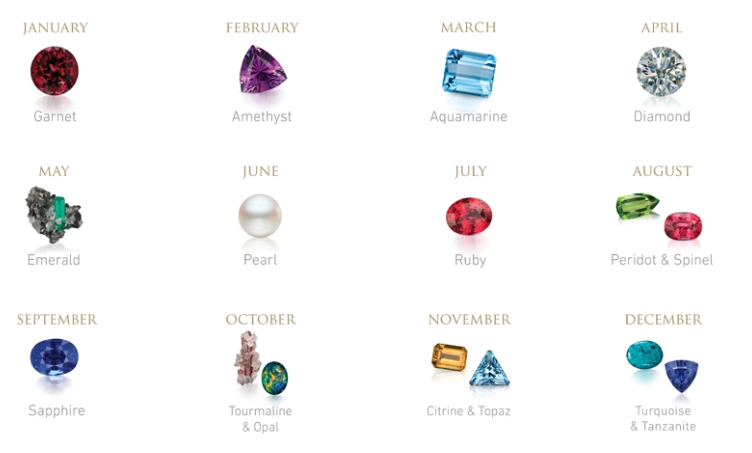
Birthstone Jewelry: What to Look For
You've picked a stone. Now what? The setting matters just as much.
Pro Tip: Consider the stone's durability. This is huge. Opals and pearls are soft and need protective settings (like bezels). Diamonds and sapphires are tough and can handle prong settings that show them off. The Gemological Institute of America (GIA) Gem Encyclopedia is an incredible, trustworthy resource for checking a gem's hardness (they rate it on the Mohs scale) and care requirements. I use it all the time.
Think about your lifestyle. Do you work with your hands? A delicate pearl pendant might be safer than an opal ring. Are you buying for a child? Maybe a sturdy garnet or citrine in a simple stud earring.
The Budget Question: Getting Beautiful Without Breaking the Bank
Let's be real. A high-quality emerald or ruby can cost a fortune. But a good birthstone guide should show you the affordable paths.
- Consider Size: A tiny, high-quality stone often costs less than a large, included one and can be just as stunning.
- Look at Alternatives: Love the blue of sapphire? London Blue Topaz offers a similar deep blue at a fraction of the price. Prefer red? A garnet can give you that rich color instead of a ruby.
- Explore Lab-Created: For stones like sapphire, ruby, emerald, and diamond, lab-created options are identical in chemical makeup, often more flawless, and significantly less expensive. It's a perfectly valid choice.
I once wanted an alexandrite. The natural ones were astronomical. I found a beautiful lab-created one that still changes color magically, and I adore it. No regrets.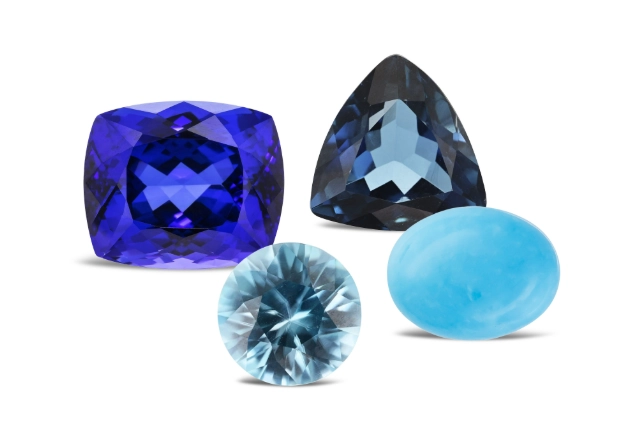
Beyond the Basics: Care, Cleaning, and Keeping Your Stone Sparkling
This is where most generic guides stop. But if you're investing in a piece, you need to know how to care for it.
Cleaning Do's and Don'ts:
- Do: Use mild dish soap, lukewarm water, and a soft toothbrush for most stones (diamond, sapphire, ruby, garnet, etc.).
- Don't: Use ultrasonic or steam cleaners on porous stones (opal, pearl, emerald, turquoise) or on fractured stones. The heat and vibration can damage them.
- Never: Expose opals, pearls, or emeralds to harsh chemicals (bleach, hairspray, chlorine). They're absorbent.
Storage? Keep pieces separate so they don't scratch each other. A simple soft pouch for each piece works wonders.
Answering Your Burning Birthstone Questions
Absolutely. Many months have multiple official stones (look at June, August, October, December). You can wear them together or choose your favorite. Some people also wear their children's or partner's birthstones in a "family" stack or pendant.
They can be! Zodiac stones are linked to astrological signs, not calendar months. The lists overlap sometimes (like amethyst for Pisces), but often differ. It's a whole other layer of tradition. If you're into astrology, exploring your zodiac stone can be fun.
Partially, yes—the modern standardized list was a commercial effort. But the concept of gems having meaning and connection to time periods is ancient and spans cultures. The marketing gave structure to a much older human instinct to find meaning in beautiful objects from the earth. So, take the corporate history with a grain of salt, but embrace the personal meaning you assign.
You might. Ethical sourcing is a big deal now. Some gems, like certain rubies and sapphires, can come from regions with problematic labor practices. Others, like Montana sapphires or Australian opals, have traceable origins. Don't be afraid to ask your jeweler about origin. Reputable sellers should be transparent. Organizations like the U.S. Geological Survey publish reports on global gemstone production, which can shed light on major sources.
Putting It All Together: Your Personal Birthstone Journey
At the end of the day, this whole birthstone guide is a starting point. The best birthstone for you is the one that makes you pause, that you love to look at, that feels connected to you in some way—be it your birth month, a personal achievement, a loved one, or simply a color that brings you joy.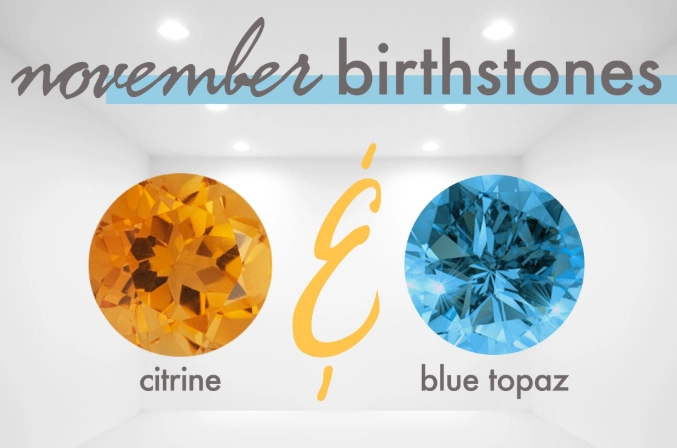
My advice? Use the history and symbolism as a cool backdrop, not a strict rulebook. Let practicality (budget, lifestyle) guide your choices, but don't let it completely stomp out the magic. Sometimes, the less "practical" stone is the one that brings the most happiness.
Go look at some stones in person. See how the light plays in them. A photo in a birthstone guide can't capture the life inside a good gem. That's where the real connection happens.
And remember, it's your story to wear.