Your Gemstone Journey Map
- Where Did This Whole Birthstone Thing Come From, Anyway?
- The Complete Birthstone for Each Month: Modern vs. Traditional
- Deep Dive: What You Need to Know About Each Birthstone
- The Practical Stuff: Choosing, Wearing & Caring for Your Birthstone
- Your Birthstone Questions, Answered
- Final Thoughts: It's More Than Just a Gem
Let's be honest. You've probably seen a list of the birthstone for each month before. Maybe on a calendar, or a quick chart in a jewelry store. But if you're like me, you've looked at it and thought... is that it? Just a name and a color? What does it even mean? Why is garnet for January, and why should I care?
I used to think birthstones were just a marketing gimmick. A nice way for jewelers to sell more rings. Then, a few years back, I was looking for a meaningful gift for my mom. Her birthday is in January. I knew garnet was her birthstone, but I knew nothing else. So I dug in. And wow, was I wrong about these gems.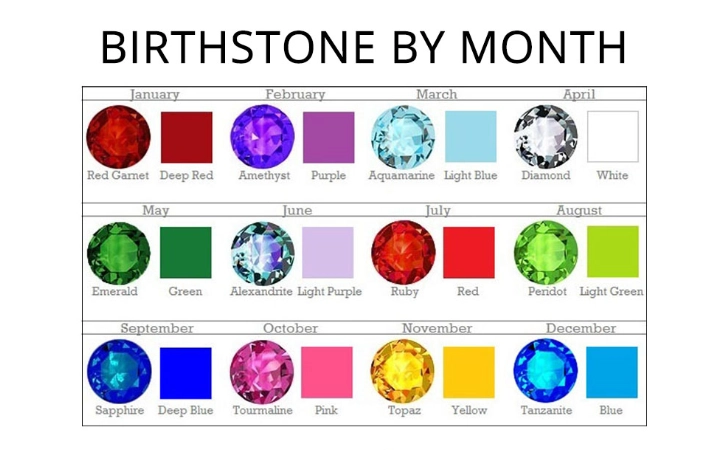
The story behind the birthstone for each month is a wild mix of history, superstition, geology, and pure human fascination with shiny things. It's not one list, but several. The meanings are deeper than you'd think. And choosing one isn't just about picking your month—it's about connecting with a piece of the earth that's been tied to your time of year for centuries.
This guide is what I wish I had found back then. We're going way beyond the basic chart. We'll look at the modern and traditional lists (yes, there's a difference), unpack the symbolism, talk about how to actually wear and care for these stones, and answer all those nagging questions you might be too embarrassed to ask a jeweler. Forget the dry, textbook lists. Let's talk about birthstones like they're the fascinating little pieces of history and nature that they are.
Quick Reality Check: There is no single, universal "official" list. The most widely accepted modern list comes from the American Gem Trade Association (AGTA) and the Jewelers of America, but even they acknowledge older, traditional alternatives. It's more of a guide than a law.
Where Did This Whole Birthstone Thing Come From, Anyway?
It all starts a long time ago. Most historians trace the concept back to the Breastplate of Aaron described in the Bible's Book of Exodus. This ceremonial garment was adorned with twelve gemstones, representing the twelve tribes of Israel. The connection to the twelve months came later, likely through early Christian and Jewish traditions that associated each stone with an apostle or a sign of the zodiac.
But the idea really took off in 18th century Poland. Gem traders, seeing a brilliant marketing opportunity (some things never change), began pushing the idea that wearing your birth month's gemstone brought good luck and special powers. The modern list we mostly use today was standardized in 1912 by the Jewelers of America to, well, reduce confusion and boost sales. They've updated it a few times since, adding stones like tanzanite for December in 2002.
So when you're looking for the birthstone for each month, you're tapping into a tradition that's part ancient spirituality and part clever commerce. I find that mix kind of charming.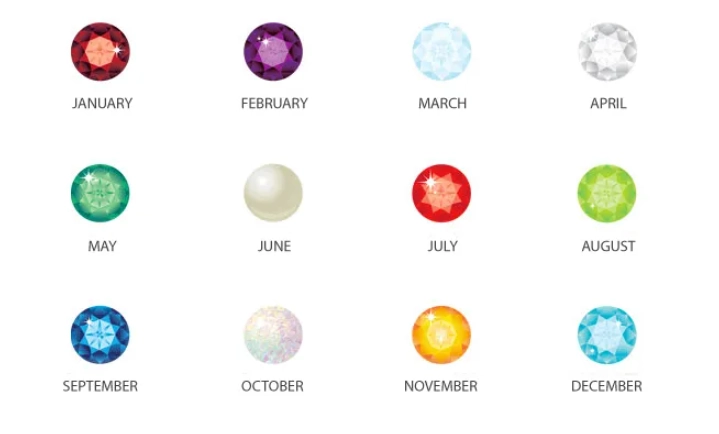
The Complete Birthstone for Each Month: Modern vs. Traditional
Here's where it gets interesting. Most people don't realize there are often two gems for a single month. The "modern" birthstone is the one you'll see in most mainstream jewelry stores today. The "traditional" or "ancient" birthstone often comes from older lists, primarily from 15th-20th century European traditions. Sometimes they're the same, sometimes they're totally different. Knowing both gives you way more options.
Let's break it down, month by month. This table is your core reference, but stick around because we're going to dive deep into each one right after.
| Month | Modern Birthstone | Traditional Birthstone | Primary Color(s) | Key Symbolism |
|---|---|---|---|---|
| January | Garnet | Garnet | Deep Red | Protection, friendship, trust |
| February | Amethyst | Amethyst | Violet, Purple | Peace, courage, stability |
| March | Aquamarine | Bloodstone | Pale Blue / Dark Green with red | Courage, serenity (Aqua); Strength, healing (Bloodstone) |
| April | Diamond | Diamond, Sapphire (older lists) | Colorless, various | Invincibility, eternal love, strength |
| May | Emerald | Emerald | Rich Green | Rebirth, love, wisdom |
| June | Pearl, Alexandrite, Moonstone | Pearl, Agate | White, Color-change, Sheen | Purity, luck (Pearl); Joy, fortune (Alex.) |
| July | Ruby | Ruby, Onyx | Vivid Red | Passion, vitality, wealth |
| August | Peridot, Spinel | Sardonyx, Peridot | Lime Green, Various (Spinel) | Strength, harmony (Peridot) |
| September | Sapphire | Sapphire | Blue (most common), all colors but red | Wisdom, loyalty, nobility |
| October | Opal, Tourmaline | Opal, Aquamarine (very old) | Play-of-color, Pink/Green (Tour.) | Hope, creativity, innocence |
| November | Topaz, Citrine | Topaz | Yellow, Orange, Blue (Topaz); Yellow (Citrine) | Friendship, strength (Topaz); Success, energy (Citrine) |
| December | Turquoise, Zircon, Tanzanite | Ruby, Bloodstone | Sky Blue, Blue, Violet-Blue | Good fortune, success (Turq.); Calm, healing (Tanz.) |
See what I mean? December has three modern options and a traditional one that's completely different (Ruby!). June has three. It's not as simple as one stone, one month.
Deep Dive: What You Need to Know About Each Birthstone
Okay, the chart is useful, but it's just labels. Let's get into the good stuff—the personality of each stone. I'll share some practical stuff too, like what to watch for when buying and if it's a good choice for an everyday ring.
January: Garnet
Most people picture a dark red stone, which is the classic almandine garnet. But here's a cool fact: garnet is a whole family of minerals that comes in almost every color except blue. You can find vibrant green tsavorite garnet (looks like emerald), orange spessartite, and even rare color-change varieties. The deep red one is just the most common.
It's a relatively durable stone (6.5-7.5 on the Mohs scale), fine for rings if you're a bit careful. My mom's garnet pendant has held up perfectly for years. Symbolically, it's linked to protection during travel and fostering close friendships. Ancient warriors even carried them for safety. Not a bad vibe for starting a new year.
February: Amethyst
Probably the most famous purple thing in the world. Amethyst is a type of quartz, and its color comes from iron and natural irradiation. The lore here is fun: the ancient Greeks believed it prevented drunkenness ("amethystos" means "not intoxicated"). They'd drink from amethyst cups. I can't vouch for that effect, but it's a great story.
It's affordable, even in large sizes, and fairly durable (7 on Mohs). The color can fade in direct, strong sunlight over long periods, so maybe don't store it on a windowsill. It's said to promote calm and clarity. For a February birthday, which can be a gloomy month in many places, a bit of calming purple might be just the thing.
March: Aquamarine & Bloodstone
Talk about a contrast. The modern birthstone for March, aquamarine, is all serene, pale blue—like frozen seawater. Its name literally means "water of the sea." It was a talisman for sailors. It's a beryl, like emerald, but usually has far fewer inclusions, so you get great clarity.
Then there's bloodstone, the traditional pick. It's a dark green jasper dotted with red iron oxide spots that look like... well, blood. It was used in ancient carving and was believed to have healing powers, especially for blood-related illnesses. Which one speaks to you more? The tranquil ocean vibe or the earthy, protective healer? Having options is nice.
I find the March choice fascinating. It's like the month itself, caught between the last chill of winter and the first push of spring. You can pick the ice or the coming thaw.
April: Diamond
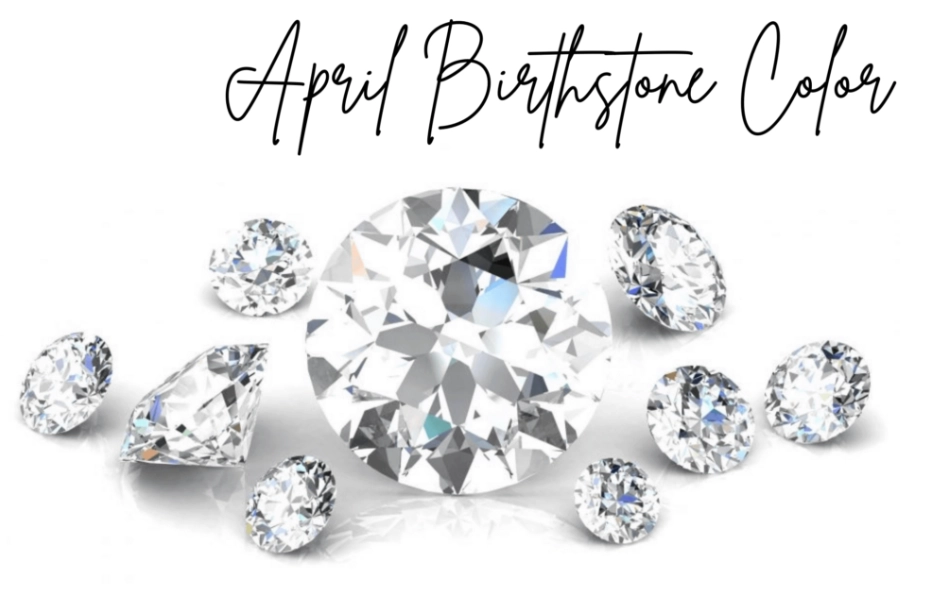
No introduction needed. But beyond the hype, diamond is the hardest natural substance on earth (10 on Mohs), which is why it symbolizes invincibility and eternal love. It's pure carbon formed under immense heat and pressure deep in the earth.
The big practical note here is ethics and alternatives. Always ask about the stone's origin. Look for suppliers committed to the Kimberley Process, though that's not a perfect guarantee. If a natural diamond is out of budget, consider a lab-grown diamond (it's chemically identical) or even a white sapphire or moissanite as a stand-in. They're all beautiful and durable in their own right.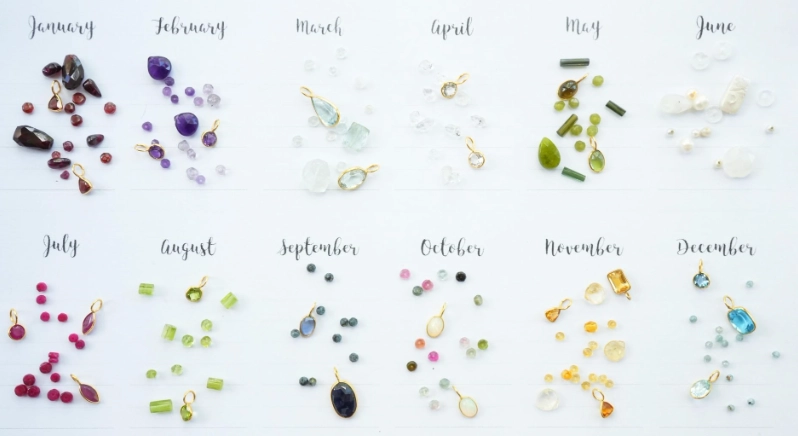
May: Emerald
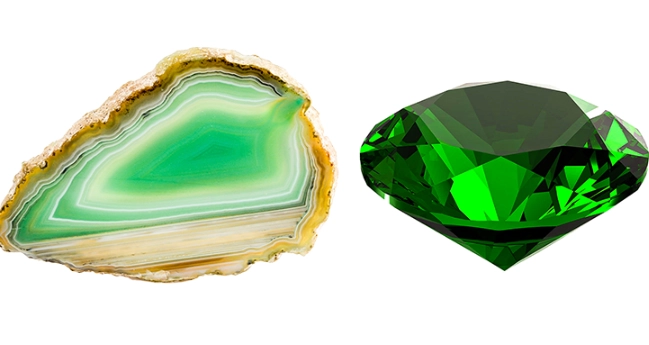
The king of green. Emeralds are almost always included (have internal imperfections)—jewelers call this the "jardin" or garden. A flawless, vivid green emerald is exceptionally rare and expensive. Most people accept some inclusions as part of its character.
It's softer than you might think (7.5-8 on Mohs) and can be brittle, so it needs a protective setting and careful wear. It's been loved for millennia, from Cleopatra's mines to Spanish conquistadors. It symbolizes rebirth and lush growth, perfect for May. If you want something cleaner and more durable for a ring, a green tourmaline or tsavorite garnet can give a similar look.
What if I don't like my month's birthstone color?Great question, and super common. First, check if your month has an alternate on the traditional list—it might be a different color. Second, many gems come in multiple colors. Sapphire isn't just blue, topaz isn't just yellow. Third, it's your jewelry! You can choose a different month's stone that you love, or your zodiac stone, or a gem that simply means something to you. There are no gemstone police.
June: Pearl, Alexandrite, Moonstone
June gets the prize for variety. Pearls are organic, grown in mollusks. They're soft and can be damaged by acids (perfume, sweat) and dehydration. But their luster is timeless. Cultured pearls make them accessible.
Alexandrite is the magic trick stone. It changes color from green in daylight to red under incandescent light. It's extremely rare and pricey. Natural alexandrite is a collector's dream.
Moonstone has that glowing, milky sheen called adularescence. It's mystical, affordable, and softer (6-6.5 Mohs). So June birthdays can choose classic elegance, natural magic, or ethereal glow. Not a bad deal.
July: Ruby
Ruby is red corundum, the same mineral as sapphire. A top-quality pigeon's blood red ruby can be more valuable per carat than a diamond. It's extremely hard (9 Mohs), second only to diamond, making it fantastic for everyday wear.
Heat treatment is very common to improve color and clarity. Most rubies on the market are heated, and it's generally accepted if disclosed. The key is finding a rich, vibrant red, not too dark or too pinkish. It's the stone of passion and life force. A stunning choice, but be prepared for the price tag for a good one.
August: Peridot & Spinel
Peridot is that distinctive lime or olive green. It's formed deep in the earth's mantle and sometimes arrives in meteorites! How cool is that? It's an "idiochromatic" gem, meaning its color comes from its basic chemistry—it's always green. It's reasonably durable (6.5-7 Mohs) but can scratch if you're rough.
Spinel was added as a modern alternative more recently. For centuries, red spinel was mistaken for ruby (the "Black Prince's Ruby" in the British Imperial State Crown is actually a spinel!). It comes in fantastic reds, pinks, blues, and purples, has great brilliance, and is durable (8 Mohs). It's a fantastic, often undervalued gem.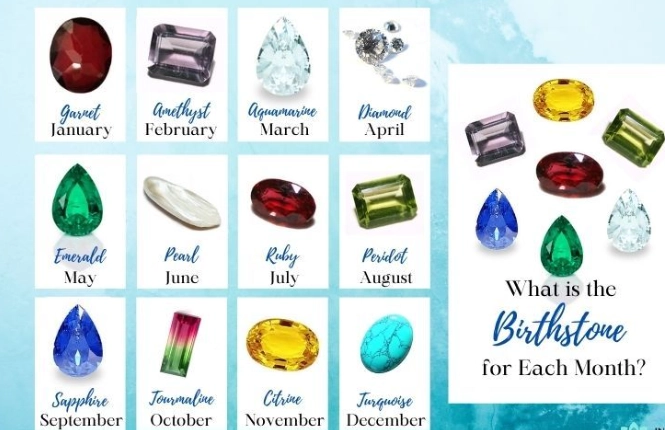
Pro Tip: When buying any colored gemstone, ask about treatments. Heat treatment is common and stable for many stones (like ruby, sapphire, aquamarine). Other treatments, like fracture filling (common in emerald) or dyeing, can be less stable and require special care. A reputable seller will always disclose this. The Gemological Institute of America (GIA) Gem Encyclopedia is an incredible, unbiased resource to learn about treatments for any specific gem.
September: Sapphire
Blue is the classic, but "fancy" sapphires come in a rainbow: pink, yellow, orange, green, purple, even a rare, soft orange-pink called padparadscha. Like ruby, it's a 9 on the Mohs scale, so it's tough as nails. It's been associated with royalty and wisdom for ages.
Heat treatment is, again, very common to enhance the blue color. Kashmir sapphires (from a now-depleted mine) are legendary for their velvety cornflower blue, but Montana and Sri Lankan stones are also beautiful. My personal favorite is a Montana sapphire with a slightly greenish-blue teal color. They have so much character.
October: Opal & Tourmaline
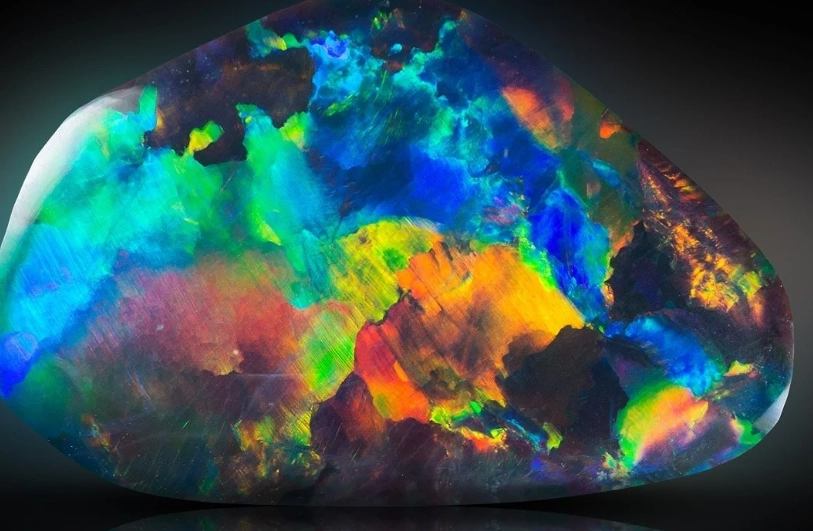
Opal is the queen of play-of-color. That shifting rainbow is caused by light diffracting through microscopic silica spheres. It's a softer stone (5.5-6.5 Mohs) and can be prone to cracking if it dries out (a condition called "crazing"). Avoid extreme temperature changes and harsh chemicals.
There's a silly superstition that opals are bad luck for those not born in October. That myth was largely spread by a 19th-century novel (Sir Walter Scott's Anne of Geierstein) and diamond merchants who saw opal as competition. Ignore it completely.
Tourmaline is the other modern choice and is a color chameleon. It can be bi-colored or even tri-colored in one crystal (watermelon tourmaline has a green rind and pink center). It's durable (7-7.5 Mohs) and a great choice for someone who loves color.
November: Topaz & Citrine
First, a huge point of confusion: most "topaz" sold in mall jewelry stores is actually treated colorless quartz. Real topaz, especially the prized Imperial Topaz (orangey-pink), is much rarer. Blue topaz (always treated by irradiation) is ubiquitous and affordable.
Citrine is the other modern birthstone for November. It's yellow-to-orange quartz, and most commercial citrine is actually heat-treated amethyst. Natural citrine is a paler yellow. It's durable (7 Mohs), affordable, and looks like captured sunshine. It's hard to be unhappy looking at a citrine.
December: Turquoise, Zircon, Tanzanite
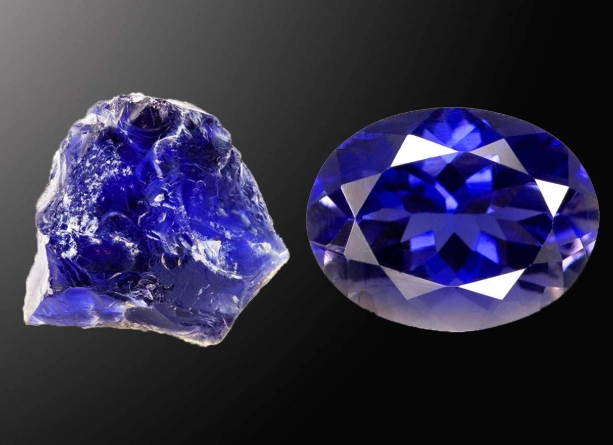
December has the most modern options. Turquoise is an opaque blue-to-green mineral, often veined with a matrix. It's porous and can be damaged by chemicals and oils (like skin lotion). It needs care.
Zircon (not to be confused with cheap cubic zirconia) is a natural gem with incredible fire and brilliance. It comes in blues, browns, yellows, and colorless. It can be brittle, so it needs a protective setting.
Tanzanite is the new kid, added in 2002. Found only in one small area of Tanzania, it's a stunning violet-blue. It's pleochroic, showing different colors from different angles. It's softer (6-7 Mohs) and should be worn in pendants or earrings more than in rings. That blue is just mesmerizing, though.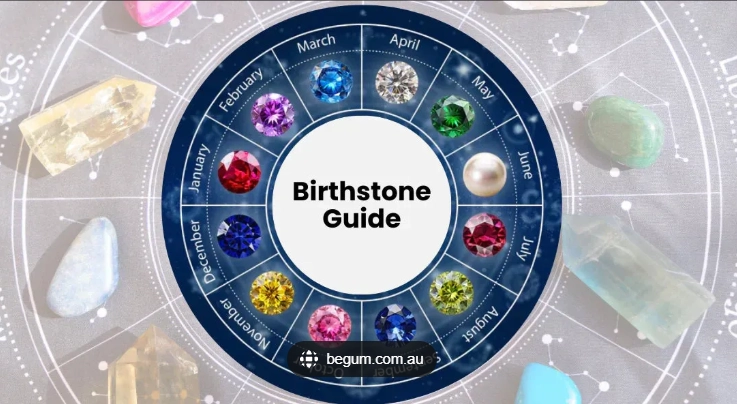
The Practical Stuff: Choosing, Wearing & Caring for Your Birthstone
Knowing the stones is one thing. Actually living with them is another. Let's talk real life.
How to Choose Your Perfect Birthstone Jewelry
- Consider Your Lifestyle: Do you work with your hands? A softer stone like opal or pearl might be better in earrings or a pendant than in a ring you bang around. Sapphire, ruby, and diamond are workhorses for daily rings.
- Metal Matters: Cool-toned stones (sapphire, aquamarine, amethyst) often look great in white gold or platinum. Warm-toned stones (garnet, citrine, peridot) pop in yellow or rose gold. But rules are meant to be broken—a ruby in white gold is stunning.
- Set a Budget: The range is insane. A small, lovely amethyst or citrine can be very affordable. A fine ruby, emerald, or alexandrite is an investment. Know your range before you shop.
- Prioritize Color or Size? With many gems, a smaller stone with a richer, more vibrant color is often more desirable (and valuable) than a larger, paler one. Go for the best color you can afford.
Caring for Your Birthstones
This isn't one-size-fits-all. A diamond can handle an ultrasonic cleaner. An opal would be destroyed by it.
- The Universal Safe Method: Warm water, a tiny drop of mild dish soap, and a soft toothbrush. Gently scrub, rinse well, and pat dry with a soft, lint-free cloth. Do this over a plugged sink or bowl!
- Special Cases:
- Pearls & Opals: Wipe with a damp cloth only. Never soak them. Let them be the last thing you put on (after perfume/hairspray) and first thing you take off.
- Emeralds (especially oiled ones): Avoid steam and ultrasonic cleaners. The mild soapy water method is best.
- Turquoise, Lapis Lazuli: Avoid water and chemicals. Just dry wipe.
- Storage: Keep pieces separate in a soft-lined box or pouch. Harder stones can scratch softer ones.
I learned the hard way not to toss all my jewelry in one bowl. A peridot got a nasty scratch from a sapphire. Now everything has its own little pouch.
Spotting Fakes and Understanding Value
You don't need to be a gemologist, but a few tips help.
- Too Perfect? If a large "emerald" is cheap and has no visible inclusions, it's almost certainly synthetic or glass. Real emeralds have jardins.
- Check the Setting: Real gemstones are usually set in solid, quality metals (stamped 14k, 18k, 925 Sterling). Flimsy, base metal settings often house simulants.
- Ask for Documentation: For valuable stones, ask if it comes with a lab report from a reputable lab like GIA or AGL (American Gemological Laboratories).
- Know the Common Simulants: Cubic Zirconia (CZ) for diamond, colored glass for everything, synthetic spinel for many gems. A reputable seller will tell you if a stone is natural, lab-created, or a simulant.
For authoritative, science-backed information on gemstone formation and properties, resources like the U.S. Geological Survey (USGS) pages on gems provide fascinating geological context.
Your Birthstone Questions, Answered
Absolutely. Many people wear their children's or partner's birthstones, or a stone whose meaning resonates with them. There's no rule. Jewelry is personal.
Are lab-created birthstones "real"?Yes, they are chemically, physically, and optically identical to their natural counterparts. They're just grown in a lab instead of the earth. They're a fantastic, often more affordable, and ethical choice. A lab-created ruby is a real ruby.
What's the most expensive birthstone?It depends on quality, but fine ruby, emerald, sapphire, and especially alexandrite top the list. A high-quality natural alexandrite over 1 carat can be astronomically expensive.
What's the most durable birthstone for an engagement ring?Diamond (10), sapphire (9), and ruby (9) are the top choices for withstanding decades of daily wear. Moissanite (9.25) is a popular, brilliant alternative.
My stone got scratched or damaged. Can it be fixed?Sometimes. A skilled lapidary can often re-polish a scratched faceted gem (like a sapphire or topaz), losing a tiny bit of weight. Chipped stones can sometimes be re-cut into a smaller shape. Very soft or fractured stones (like a badly cracked opal) usually can't be repaired. Prevention is key!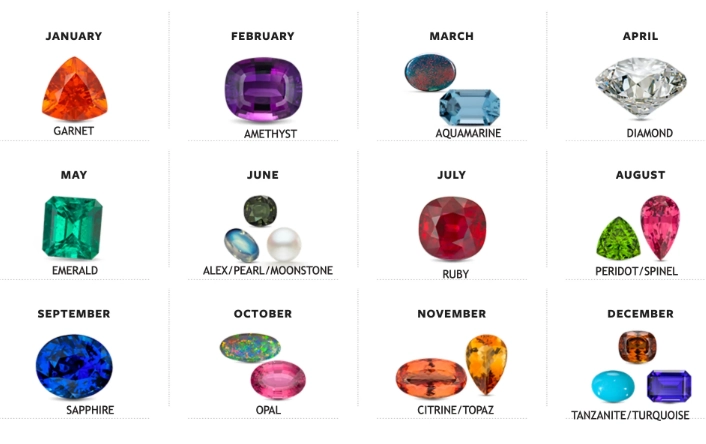
Final Thoughts: It's More Than Just a Gem
At the end of the day, the birthstone for each month is a starting point. It's a thread that connects you to history, to the earth's geology, and to the cyclical nature of the year. Whether you stick strictly to your month's modern gem, explore the traditional alternative, or choose a stone that simply speaks to you, you're participating in a tradition as old as civilization itself.
The best birthstone is the one that makes you smile when you see it on your hand or at your neck. The one that feels like yours. So use this guide, ask questions, and don't be afraid to break the "rules." Go find that perfect piece of the earth (or the lab) that feels like it was meant for you.
Happy hunting.