Quick Navigation
- What Are Birthstone Gemstones, Really?
- The Complete Month-by-Month Birthstone List
- Digging Deeper: Meanings, Myths, and Modern Takes
- Choosing Your Birthstone: A Practical Guide Beyond the Hype
- Beyond the Month: Other Ways to Use Birthstone Gemstones
- Your Birthstone Gemstone Questions, Answered
- Wrapping It Up: Your Birthstone, Your Story
Let's talk about birthstone gemstones. You've probably seen those little charts in jewelry stores, or maybe a friend proudly shows off a ring with "their" stone. But what's the real deal behind these colorful gems tied to our birth months? Is it just a marketing gimmick, or is there something more to it?
I remember walking into a gem show years ago, completely overwhelmed. A vendor asked me my birth month and immediately started pulling out trays of emeralds. "For May babies," he said with a wink. That got me curious. Why emerald? Why May? That curiosity turned into a deep dive, and let me tell you, the world of birthstones is way more fascinating than I ever thought.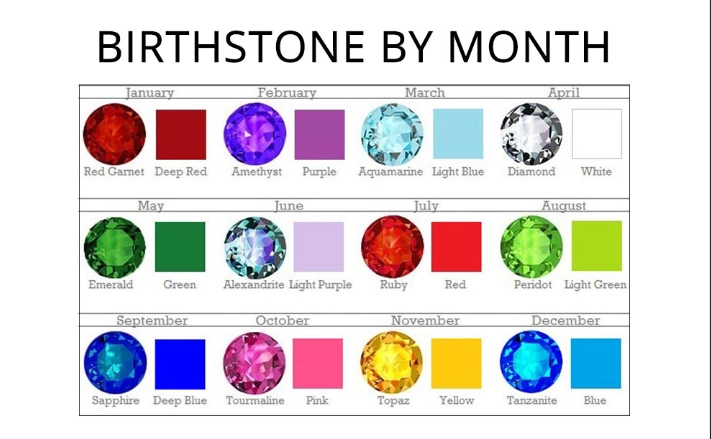
It's not just about picking a pretty color. These stones are packed with history, geology, and a surprising amount of personal meaning. Whether you're buying a gift, treating yourself, or just want to understand the symbolism, knowing about your birthstone gemstones can be incredibly rewarding. And sometimes, a bit confusing.
What Are Birthstone Gemstones, Really?
At its core, a birthstone is a gemstone traditionally associated with the month of a person's birth. The idea is ancient—think biblical times and the Breastplate of Aaron described in Exodus, which had twelve gems representing the tribes of Israel. Fast forward through history, and different cultures (think Hindu, Arabic, Polish) all developed their own lists connecting gems to months, zodiac signs, or planets.
The modern list we mostly use in places like the US and UK was standardized in 1912 by the National Association of Jewelers (now Jewelers of America) to, let's be honest, simplify things for the jewelry trade. But even that "official" list has been updated, with Tanzanite added for December in 2002, showing it's a living tradition.
So, are they just for birthdays? Not at all. Many people wear them as talismans for luck, for their purported healing properties (a topic full of debate), or simply because they love the color and connection to their personal timeline. The beauty of birthstone gemstones today is that you can take the tradition as seriously or as lightly as you want.
Key Point: The modern birthstone list isn't a fixed, ancient law. It's a 20th-century consolidation of various older traditions, designed to give each month a beautiful, marketable gem. Some months have just one, others have two or three. This flexibility is actually great—it gives you choices!
And that's where the fun begins. Because once you know the basic list, you start seeing variations. Alternative stones. Modern vs. traditional lists. It can feel like a maze. But don't worry, we're going to map it all out.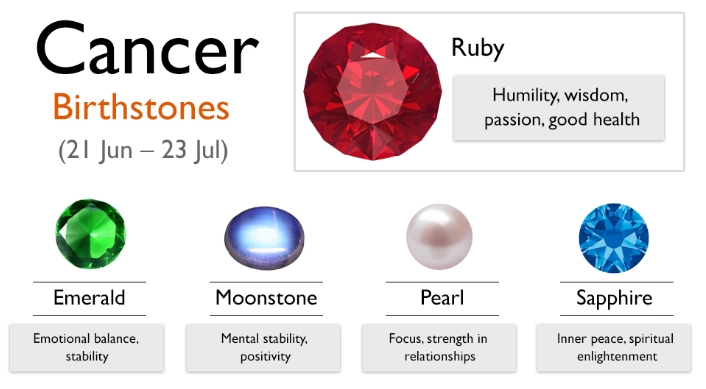
The Complete Month-by-Month Birthstone List
Alright, let's get to the heart of it. Here's the breakdown, month by month, according to the most widely accepted modern list from Jewelers of America. I'm including both the primary gem and any alternatives, because sometimes the alternative is a better fit for your lifestyle or budget.
| Month | Primary Birthstone Gemstone | Color(s) | Alternative / Modern Stones | Hardness (Mohs)* |
|---|---|---|---|---|
| January | Garnet | Deep red (most common), but also green, orange, pink! | - | 6.5 - 7.5 |
| February | Amethyst | Purple, from light lilac to deep violet | - | 7 |
| March | Aquamarine | Pale blue to blue-green, like sea water | Bloodstone | 7.5 - 8 |
| April | Diamond | Colorless (classic), but also yellow, blue, pink, etc. | Quartz (White/Clear) | 10 |
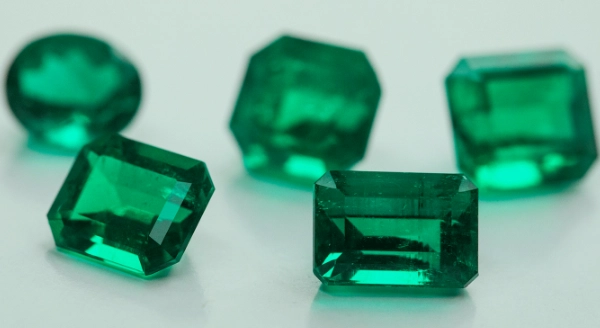
| May | Emerald | Rich green | - | 7.5 - 8 |
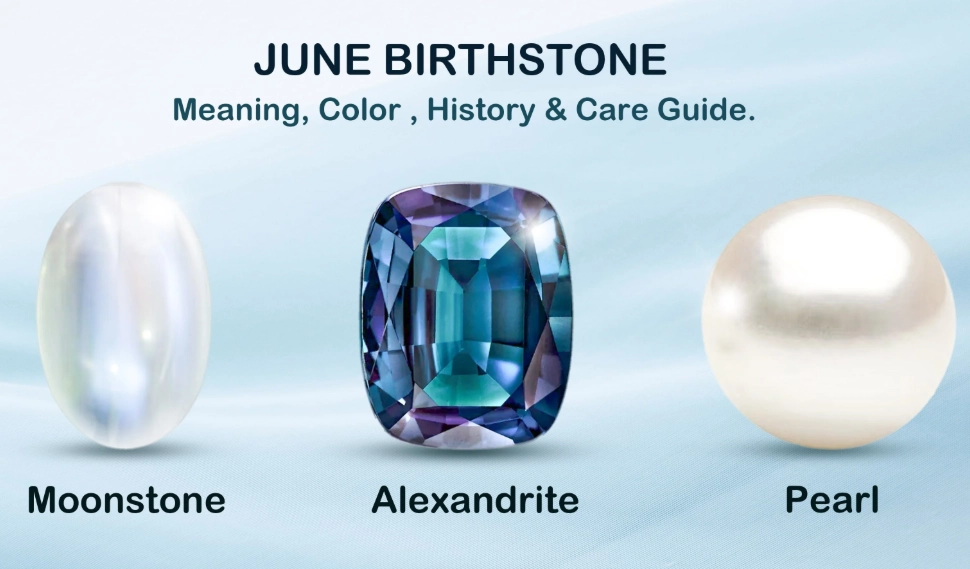
| June | Pearl | White, cream, pink, silver, gold, black | Alexandrite, Moonstone | 2.5 - 4.5 (Pearl) |
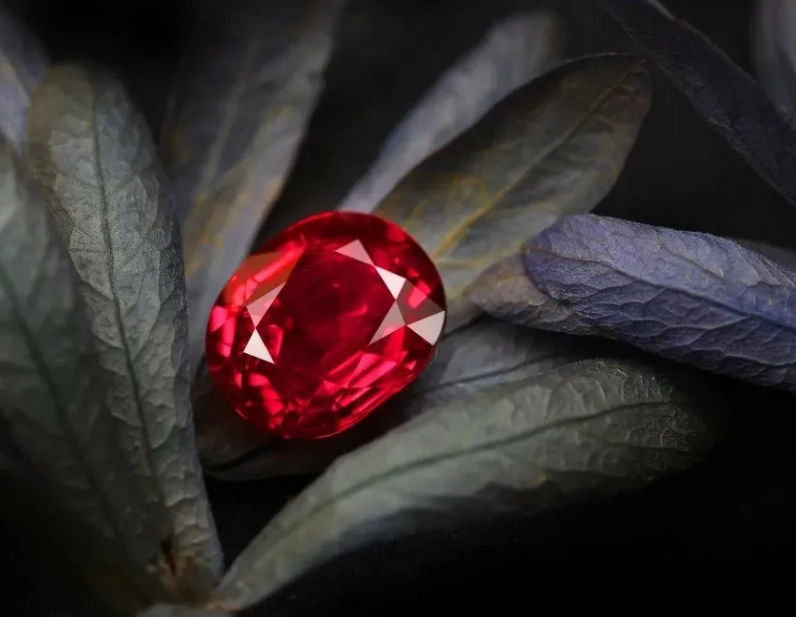
| July | Ruby | Vivid red (pigeon's blood is most prized) | - | 9 |
| August | Peridot | Lime green, olive green | Spinel, Sardonyx | 6.5 - 7 |
| September | Sapphire | Blue (classic), but Padparadscha (orange-pink) and all other colors except red are "fancy sapphires" | - | 9 |
| October | Opal | Play-of-color (fire) on white or black body | Tourmaline | 5.5 - 6.5 |
| November | Topaz (specifically, Imperial Topaz) | Yellow, orange, pink, brown. Blue topaz is treated. | Citrine | 8 |
| December | Tanzanite | Violet-blue to deep blue | Turquoise, Zircon, Blue Topaz | 6 - 7 |
*Hardness matters more than you think for daily wear. We'll get into that soon.
Looking at this table, a few things pop out. June, August, October, November, and December have multiple options. That's not an accident. For some months, the traditional list included less common or less durable stones, so alternatives were added to give people practical choices. Take December: the primary is now Tanzanite, a stunning but relatively soft stone. Turquoise and Blue Topaz are much more durable for an everyday ring.
And then there's the color thing. We tend to think "garnet = red," but did you know there are gorgeous green garnets (Tsavorite) and bright orange ones (Spessartine)? Same with sapphire. If you're a September baby but hate blue, you can get a stunning pink or yellow sapphire and it still "counts." The world of birthstone gemstones is way more colorful than the basic chart lets on.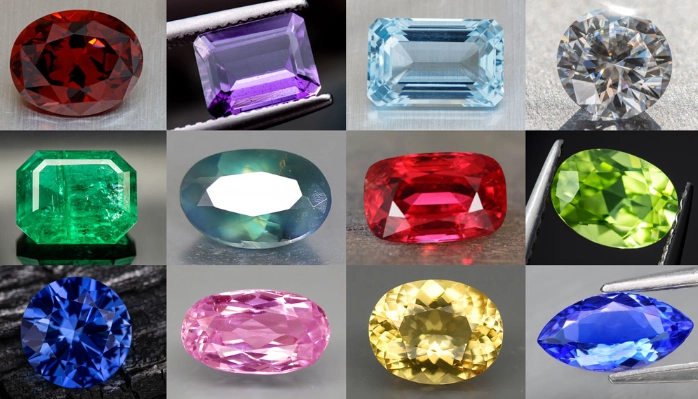
Digging Deeper: Meanings, Myths, and Modern Takes
So you know which stone is for which month. But why? The stories and symbolism behind these gems are half the fun. Some are based on ancient beliefs about health and the cosmos, others on pure aesthetics. Let's pick a few and unpack them.
Garnet (January): More Than Just Red
Garnet gets a bad rap for being "common" or "just a red stone." I used to think that too. But its history is epic. Named from the Latin 'granatum' (pomegranate seed), it was carried by travelers for protection. Medieval warriors believed it could stop bleeding. Today, it's seen as a stone of commitment and energy. Personally, I think its best feature is the variety. A demantoid garnet (green) has more fire than a diamond. How's that for a January surprise?
Opal (October): The Stone of Bad Luck?
Ah, the infamous opal. The "bad luck" myth is mostly traced back to a 19th-century novel by Sir Walter Scott, Anne of Geierstein, where an opal-bearing heroine meets a tragic end. Before that, opals were revered as the most magical of stones, containing the colors of all other gems. The truth? Opals are delicate (they can crack if dried out or hit) and perhaps finicky jewelers spread the myth to avoid complaints. If you love opals, wear them! Just be mindful of their care. I have an opal pendant I adore, but I'd never set it in a ring I wear daily.
Pearl & Alexandrite (June): The Split Personality
June has the most fascinating split. Pearl, organic, serene, and classic. Alexandrite, a geologic wonder that changes color from green in daylight to red under incandescent light. They couldn't be more different. Pearls represent purity and wisdom, but they're soft. Alexandrite is incredibly rare and expensive, symbolizing balance. This is where the modern list really serves you. Want timeless elegance? Pearl. Want a rare, durable, and conversation-starting gem? Look for a lab-created alexandrite—it's identical chemically to the natural stone and much more affordable, a perfect example of how technology is changing the birthstone game.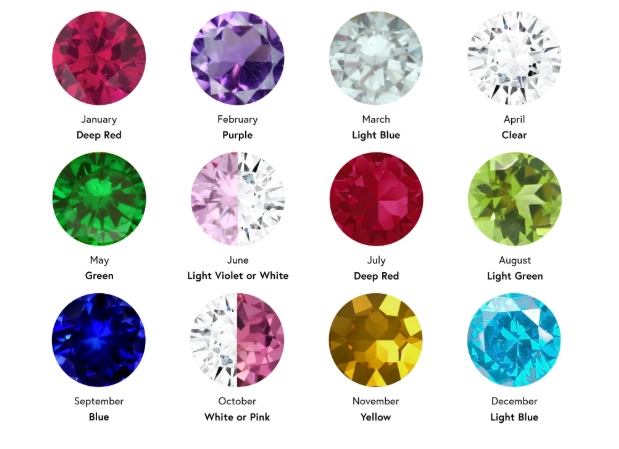
Myth Buster: Many people think their birthstone has to be the most expensive version. Not true. A lab-created stone, a more durable alternative, or even a high-quality piece of birthstone-inspired jewelry can be just as meaningful. It's about the connection, not the price tag.
Choosing Your Birthstone: A Practical Guide Beyond the Hype
Here's where most articles stop. They give you the list and the lore, then say "go buy!". But you're standing there thinking: Okay, but which one do I actually choose? Is a pearl ring a terrible idea? Can I afford a decent sapphire? Let's get real practical.
First, ask yourself: What is this for?
- Daily Wear Ring: Durability is king. Aim for a hardness of 8 or higher on the Mohs scale. Sapphire (9), Ruby (9), Topaz (8), even a well-cut Quartz (7) are great. Avoid Opal, Pearl, or Emerald in a ring you'll wear every day.
- Pendant or Earrings: These are more protected. You can be more adventurous with softer stones like Opal, Tanzanite, or a Pearl.
- Special Occasion Jewelry: Go for the drama! Choose the stone you love most, regardless of hardness.
Second, budget is a real thing. The "Big Three" (Emerald, Ruby, Sapphire) can be pricey, especially in larger sizes with good color. But:
- Consider smaller stones. A delicate necklace with a tiny, vibrant ruby can be stunning and affordable.
- Look at alternatives. Love the look of an emerald? Green tourmaline or tsavorite garnet offer that lush green at a lower cost point.
- Lab-created gems are not "fake." They are real gemstones, just created in a lab. A lab-created sapphire or emerald is chemically, physically, and optically identical to its mined counterpart, often with fewer flaws and a much lower price. The Gemological Institute of America (GIA) provides excellent resources on understanding synthetic gemstones.
My Personal Rule: For an everyday piece, I prioritize durability over strict adherence to the primary list. My birthstone is emerald, but I know myself—I'm hard on my hands. So my everyday ring is a sapphire (my husband's birthstone). It's a personal combo that works for my life.
The Care and Feeding of Your Gemstones
This is the boring-but-essential part everyone skips, then regrets later.
- Know Your Enemy: Heat, harsh chemicals (cleaners, perfume, hairspray), and sudden temperature changes are bad for most gems. Ultrasonic cleaners can shatter opals, fracture emeralds, and loosen treatments. When in doubt, a soft toothbrush, mild dish soap, and lukewarm water are safest.
- Pearls & Opals Need Moisture: They're porous. Store them away from extreme dryness (like a safe deposit box for months). Wiping them with a soft cloth after wearing is perfect.
- Storage Matters: Don't toss everything in one jewelry box. Gems can scratch each other. Use soft pouches or compartments.
The GIA Gem Encyclopedia is my go-to for specific care instructions on any gem. It's a trustworthy, non-commercial resource.
Beyond the Month: Other Ways to Use Birthstone Gemstones
Who says you can only wear your own month? Some of the most beautiful jewelry pieces incorporate multiple birthstone gemstones.
Family Jewelry: A ring or pendant with the stones of your children, your partner, or your parents. It's a wearable family tree. I've seen mothers with necklaces featuring tiny gems for each child's birth month, and it's far more personal than any monogram.
Anniversary Stones: Just like birth months, there's a list of traditional gemstones for wedding anniversaries (e.g., 5th is Sapphire, 10th is Diamond). Combining your birthstone with an anniversary stone can create a powerful symbolic piece.
The "I Just Love the Color" Approach: This is perfectly valid. Maybe you're a January baby but you're obsessed with the ocean-blue of aquamarine. Wear it! The meaning you attach to a gem is more powerful than any prescribed list.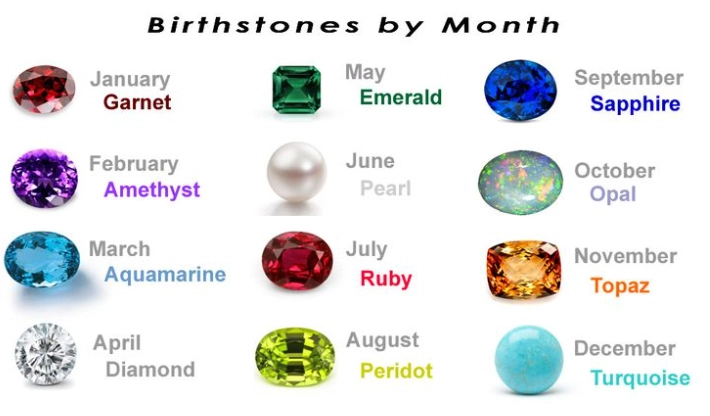
Your Birthstone Gemstone Questions, Answered
Wrapping It Up: Your Birthstone, Your Story
At the end of the day, birthstone gemstones are a tool for connection—to history, to the earth, and to our own personal stories. They can be a simple nod to your birthday, a deeply symbolic talisman, or just a gorgeous piece of color that makes you happy when you put it on.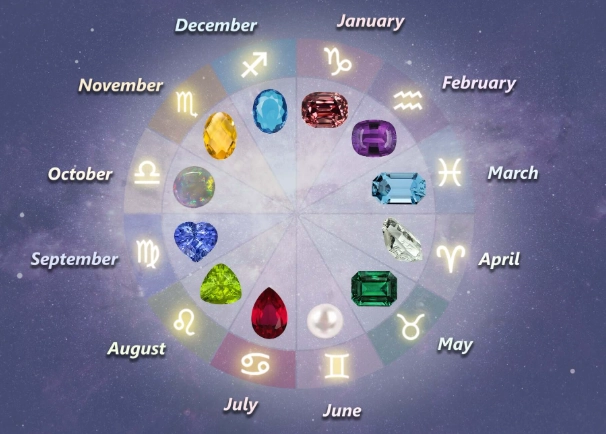
The most important tip I can give you? Ignore the "rules" that don't serve you. If the classic stone for your month isn't your style, pick the alternative. If it's not durable enough for your life, choose something harder. If a stone from another month speaks to you, wear that instead.
The best birthstone jewelry is the piece you'll actually wear and love for years. It's the one that feels like you, not just a box checked on a calendar. So use this guide, get curious, and have fun exploring the vibrant, sparkly world of birthstones. You might just find a new piece of your own story in the process.
And hey, if you're ever at a gem show and someone asks your birth month, you'll know exactly what to look for—and what questions to ask.