Quick Guide
- Where Did This All Start? A Quick Dip into History
- The Modern List: Your Month-by-Month Breakdown
- What Makes a Birthstone "Precious" vs. "Semi-Precious"?
- Beyond the Birth Month: Choosing a Stone That Actually Speaks to You
- The Real Value: Are Precious Birthstones a Good Investment?
- Buying Guide: How Not to Get Ripped Off
- Caring for Your Precious Birthstone
- Answering Your Burning Questions
- Wrapping It Up: Finding Your Personal Gem
Let's be honest. Most of us first heard about birthstones from a relative who gifted us a tiny, often questionable, piece of jewelry for our birthday. Maybe it was a small amethyst pendant or a garnet ring that didn't quite fit. For years, I thought my January birthstone, garnet, was just a dark red rock. I had no idea about its history, its variations, or why anyone would consider it "precious." It felt like a random assignment, not a meaningful connection.
But then I started digging. And wow, was I wrong. The world of precious birthstones is a fascinating rabbit hole of history, geology, symbolism, and yes, even investment. It's not just about wearing your color. It's about wearing a piece of the earth that's been tied to human stories for millennia.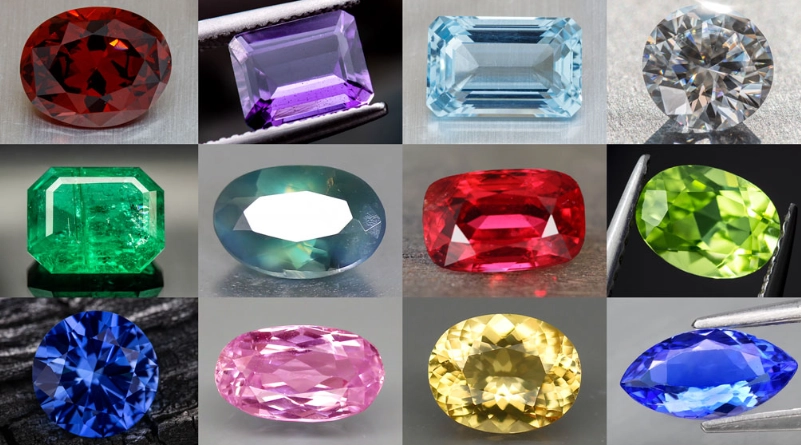
This guide isn't a dry list of gem properties. Think of it as a chat with a friend who got way too into gemology. We'll cut through the marketing fluff, talk about what makes these stones genuinely special (and when they're not), and give you the real talk you need whether you're buying for yourself or someone else. Are some precious birthstones overhyped? Possibly. Are others secretly incredible? Absolutely.
Where Did This All Start? A Quick Dip into History
The whole birthstone tradition is older than most countries. The idea is often traced back to the Breastplate of Aaron described in the Biblical Book of Exodus—a ceremonial garment adorned with twelve gems representing the twelve tribes of Israel. That's a serious pedigree.
Fast forward through history, and different cultures linked specific stones to astrological signs, months, and even hours of the day. The modern list we mostly use today? It was standardized in 1912 by the American National Association of Jewelers (now Jewelers of America) in an attempt to, well, sell more jewelry. That's a less romantic origin story, but it stuck. The list has had a few tweaks since (like adding tanzanite for December in 2002), which just goes to show the tradition is still evolving.
So, are birthstones just a marketing scheme? Not entirely. They took an ancient, mystical concept and gave it a modern, commercial structure. The meaning we find in them today is a blend of that ancient symbolism and our own personal connection. And that's perfectly valid.
The Modern List: Your Month-by-Month Breakdown
Alright, let's get to the main event. Here’s the widely accepted modern list. But here's the first piece of real talk: many months have more than one option. Some have a "modern" and a "traditional" stone. Why? Because gem availability, discoveries, and tastes change. Don't feel boxed in by your month.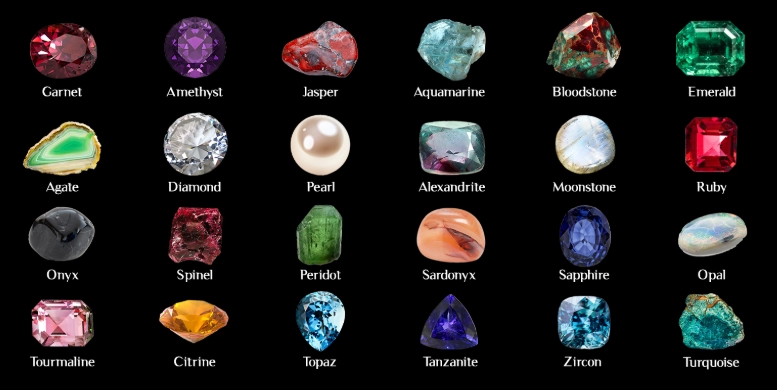
| Month | Primary Precious Birthstone | Key Color(s) | Traditional Meaning/Symbolism |
|---|---|---|---|
| January | Garnet | Deep Red (most common), Greens, Oranges | Protection, friendship, trust, eternal love. |
| February | Amethyst | Violet to Purple | Peace, courage, stability, sobriety. |
| March | Aquamarine, Bloodstone | Pale Blue to Green-Blue / Dark Green with Red | Serenity, clarity, courage (Aqua). Strength, healing (Bloodstone). |
| April | Diamond | Colorless, various hues | Invincibility, strength, eternal love. |
| May | Emerald | Rich Green | Rebirth, love, wisdom, fertility. |
| June | Pearl, Alexandrite, Moonstone | White, Cream / Color-Changing / Sheeny White | Purity, innocence (Pearl). Luck, joy (Alex). Intuition, balance (Moon). |
| July | Ruby | Vivid Red ("Pigeon's Blood" ideal) | Passion, vitality, nobility, courage. |
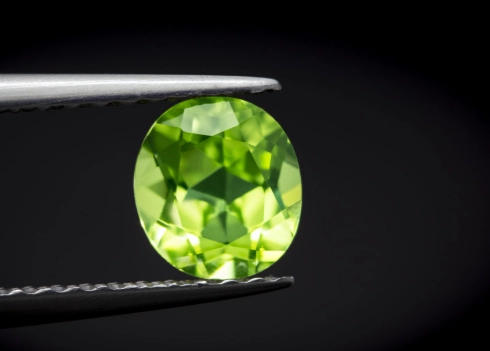
| August | Peridot, Spinel, Sardonyx | Lime Green / Various / Banded Red-Brown | Strength, healing, protection (Peridot). Revitalization (Spinel). |
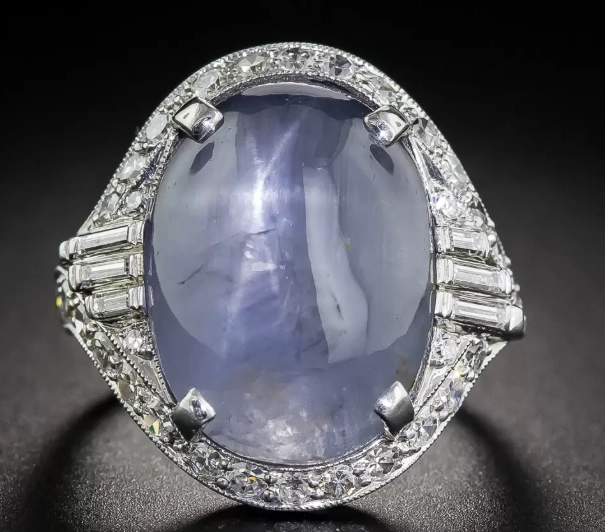
| September | Sapphire | Blue (classic), Pink, Yellow, Padparadscha | Wisdom, loyalty, nobility, truth. |
| October | Opal, Tourmaline | Play-of-Color / Virtually All Colors | Hope, creativity, innocence (Opal). Healing, protection (Tour). |
| November | Topaz (esp. Imperial), Citrine | Yellow, Orange, Blue / Yellow to Orange-Brown | Strength, intellect, friendship. |
| December | Turquoise, Tanzanite, Zircon, Blue Topaz | Blue-Green / Violet-Blue / Various / Sky Blue | Good fortune, success (Turq). Spiritual awareness (Tanz). |
See? Lots of choices. A June baby isn't stuck with just a pearl. They could go for the magical, color-changing alexandrite (if their budget allows!) or the dreamy moonstone. This is where personal preference really kicks in.
What Makes a Birthstone "Precious" vs. "Semi-Precious"?
This is a big one, and the industry is slowly moving away from these terms because they can be misleading. Traditionally, the "big four" precious gemstones were Diamond, Ruby, Sapphire, and Emerald. Everything else was semi-precious.
But that's an outdated hierarchy.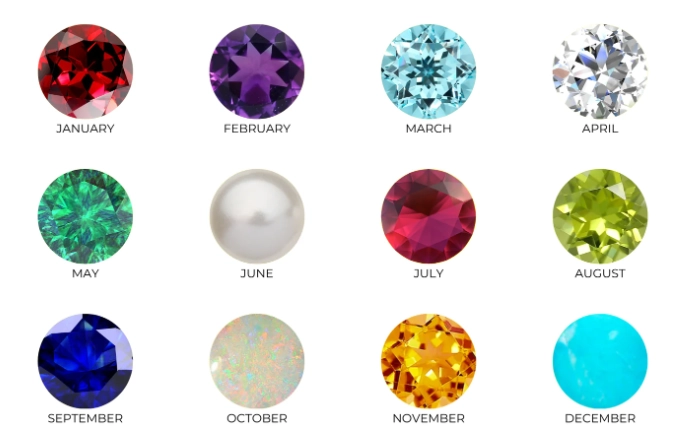
A top-quality paraíba tourmaline (an October stone) can cost tens of thousands per carat, blowing many commercial-quality sapphires out of the water. A fine red beryl (sometimes called "red emerald") is rarer than diamond. The old categories don't reflect modern gemology or value.
Today, gemologists focus more on the combination of Rarity, Durability, Beauty, and Demand (often called the "Four Cs" for colored stones, borrowing from diamonds). A stone's value is a complex dance of these factors.
- Rarity: How hard is it to find? Tanzanite is only found in one small area of Tanzania. That inherently limits supply.
- Durability: Measured by hardness (Mohs scale), toughness, and stability. An opal is relatively soft and can crack if dried out—it's less durable for a daily-wear ring than a sapphire. The Mohs scale, maintained by mineralogical authorities, is a key reference here. You can learn more about its scientific basis from a source like the Gemological Institute of America (GIA).
- Beauty: Color, clarity, cut, and that special "something" like opal's play-of-color or alexandrite's color change.
- Demand: Cultural trends and marketing matter. The De Beers campaign made diamonds synonymous with engagement. Marketing by the TanzaniteOne company boosted tanzanite's profile.
So, when we talk about precious birthstones in a modern sense, we're often referring to those that score high in these areas and carry significant cultural and monetary value. But your personal "precious" stone might be a more affordable citrine that you absolutely love. That's perfectly fine.
Beyond the Birth Month: Choosing a Stone That Actually Speaks to You
Strictly following your birth month is just one way to go. Here are other paths people take, which I think are way more interesting:
The Zodiac or Astrological Stone
Older than the monthly list. A Leo (July 23-Aug 22) might resonate more with a fiery carnelian or ruby than a peridot, their modern August stone. It's a more personalized, if less standardized, system.
The Anniversary Stone
Another list! Different wedding anniversaries have associated gems (e.g., 5th is sapphire, 10th is diamond). It's a beautiful way to mark a milestone with a new piece of jewelry.
The "I Just Love It" Stone
The best reason, in my opinion. You're drawn to the color of a blue topaz or the mystery of an opal. Who cares what month it's for? Wear what makes you happy. The idea of precious birthstones should be a starting point for discovery, not a prison.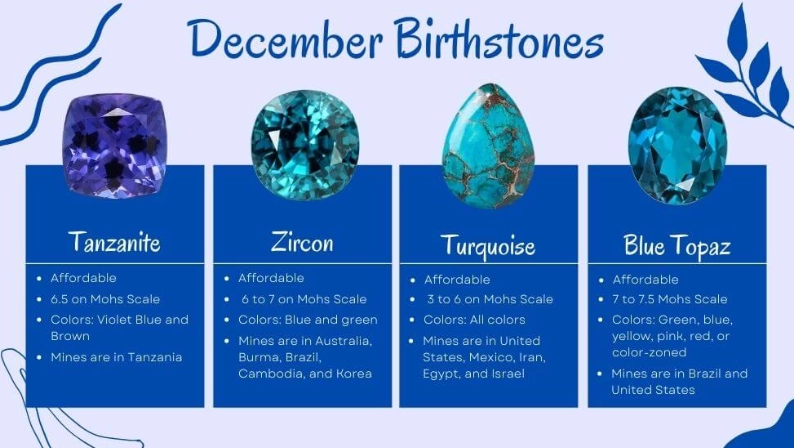
Quick Comparison: Month vs. Zodiac (A Few Examples)
- Aries (Mar 21-Apr 19): Modern Birthstone = Diamond or Aquamarine. Traditional Zodiac Stone = Bloodstone or Diamond.
- Cancer (Jun 21-Jul 22): Modern Birthstone = Pearl or Ruby. Traditional Zodiac Stone = Emerald or Moonstone.
- Libra (Sep 23-Oct 22): Modern Birthstone = Opal or Sapphire. Traditional Zodiac Stone = Peridot or Sapphire.
See the overlap and confusion? It's all about which tradition resonates with you.
The Real Value: Are Precious Birthstones a Good Investment?
Let's tackle the money question head-on. Can buying a precious birthstone be an investment? The short answer: Maybe, but it's complicated and risky. Don't buy jewelry solely as an investment unless you're a serious expert.
Most mass-market birthstone jewelry you find at mall stores has almost no resale value. You're paying for the metal and the retail markup. The gem itself is often low quality, treated, or lab-created.
However, high-quality, natural, untreated gems with excellent color, clarity, and cut from reputable sources can appreciate. Think fine Burmese rubies, Kashmir sapphires, or Colombian emeralds. The market for top-tier colored gemstones has been strong. Organizations like the International Colored Gemstone Association (ICA) often publish insights on market trends.
- Liquidity: It's not like selling a stock. Finding a buyer for a specific gem can take time.
- Expertise Required: You need to know what you're buying. Treatments (heating, filling, diffusion) are common and affect value. A GIA or AGL (American Gemological Laboratories) report is essential for high-value stones.
- Market Volatility: Tastes change. What's hot today might not be in 20 years.
My personal take? Buy first for beauty and meaning. View any potential appreciation as a nice bonus, not the goal.
That said, a well-chosen piece of heirloom jewelry made with a genuine precious birthstone will certainly hold *value* better than fast fashion jewelry. It's an asset of lasting beauty you can wear, which is a kind of return on investment in itself.
Buying Guide: How Not to Get Ripped Off
So you're ready to buy. Let's walk through the minefield.
1. Know the Treatments
Most gemstones are treated to enhance color or clarity. Heat treatment for sapphires and rubies is common and generally accepted—it's like cooking the gem to bring out its best color. But other treatments, like lead-glass filling for fractured rubies or emeralds, are less stable and must be disclosed. Always, always ask: "Has this stone been treated?" A reputable seller will tell you.
2. Understand the Jargon: Natural, Lab-Created, Simulant
- Natural: Formed by geological processes in the earth. This is what most people think of.
- Lab-Created/Synthetic: Has the same chemical, physical, and optical properties as the natural stone, but made in a lab (e.g., lab-grown sapphire). It's real sapphire, just not from the ground. Often much cheaper and more ethical, but with little resale value.
- Simulant/Imitation: A different material that looks similar (e.g., glass or cubic zirconia imitating a diamond). Not the same thing at all.
3. Get a Reputable Report
For any significant purchase (say, over $1000), insist on an independent lab report from GIA, AGL, or similar. It's the gem's ID card, detailing its species, origin, and treatments.
4. Shop the Seller, Not Just the Stone
Look for jewelers who are members of professional bodies like Jewelers of America or who have Graduate Gemologists (GG) on staff. Read reviews. Ask questions. If they pressure you or are vague about details, walk away.
Caring for Your Precious Birthstone
Nothing worse than damaging a stone you love. Care depends entirely on the gem.
The Tough Guys (Great for Rings): Diamond, Sapphire, Ruby. Hardness of 9-10 on Mohs. They can handle most daily wear but can still chip from a hard blow. Clean with mild soap, warm water, and a soft brush.
The Handle-with-Care Group (Better for Pendants/Earrings): Emerald, Opal, Pearl, Tanzanite. These are softer, more brittle, or sensitive to chemicals/heat.
- Emeralds are often oil-treated and can be damaged by ultrasonic cleaners or harsh detergents.
- Opals contain water and can crack if exposed to sudden temperature changes or very dry environments.
- Pearls are soft and organic. Put them on after applying perfume and makeup. Wipe with a soft cloth after wearing.
The safest bet for any precious birthstone jewelry? A gentle wipe with a soft, damp cloth after wearing. When in doubt, ask your jeweler for specific care instructions.
Answering Your Burning Questions
Wrapping It Up: Finding Your Personal Gem
At the end of the day, the journey into precious birthstones is a personal one. It can start with a date on a calendar but should end with a stone that speaks to you on some level—whether it's the color, the history, the symbolism, or simply the way it catches the light.
Forget the rigid rules for a minute. Go to a good museum gem collection or a reputable jeweler and just look. Hold different stones. See which one you keep coming back to. Maybe it's the lush green of an emerald, or maybe it's the cheerful, sunny glow of a citrine. Both are valid. Both can be your precious birthstone in the truest sense.
The real magic isn't in blindly following a list. It's in the connection you forge with a tiny piece of the natural world. That's what makes it truly precious.