What’s Inside
- What Exactly Does "Semi-Precious" Even Mean?
- The Big Split: How Semi-Precious and Traditional Birthstones Stack Up
- Diving Deep: Your Month-by-Month Guide to Semi-Precious Gems
- Beyond the Month: How to Actually Wear and Care for These Gems
- What Determines the Value of a Semi-Precious Birthstone?
- Your Action Plan: How to Shop for a Semi-Precious Birthstone Piece
- The Bottom Line: Why This Category is a Jewelry Lover's Secret Weapon
- Common Questions (The Stuff You're Actually Searching For)
Let's be honest, when most people hear "birthstone," they think of the classic, often expensive ones like diamond, ruby, or sapphire. But there's a whole other world out there that's just as beautiful, often more unique, and usually a lot kinder to your wallet. I'm talking about semi-precious birthstones. For years, I thought "semi-precious" meant they were somehow lesser, a second-choice option. I was so wrong. That term is more about tradition and market history than actual beauty or value.
My own journey started with a piece of citrine jewelry I bought for my November-born mom. It wasn't a topaz, the traditional November birthstone, but it had this warm, sunny glow she loved. That got me digging. What other gems were linked to our birth months? Why were some considered "precious" and others not? The answers were fascinating, and it completely changed how I shop for and think about gemstone jewelry.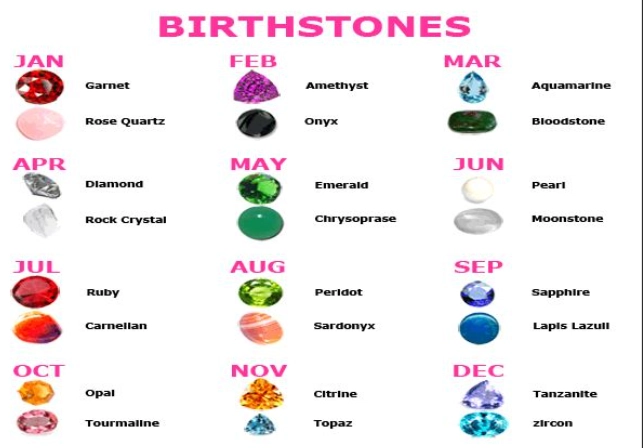
What Exactly Does "Semi-Precious" Even Mean?
This is the first thing we need to clear up. The distinction between "precious" and "semi-precious" gemstones isn't a scientific one. It's a historical and commercial label that's pretty outdated if you ask me. Traditionally, only four gems held the "precious" title: diamond, ruby, sapphire, and emerald. Everything else? They got lumped into the "semi-precious" category.
But here's the kicker: some so-called semi-precious stones can be rarer and more valuable than a low-quality precious stone. A fantastic example is a vivid paraíba tourmaline, which can command prices per carat that rival a fine sapphire. The Gemological Institute of America (GIA), one of the world's foremost authorities on gems, actually avoids using these terms for this exact reason. They focus on describing the individual gem's qualities—its color, clarity, cut, and carat weight.
So, when we talk about semi-precious birthstones, we're really talking about a vast and vibrant family of gems assigned to months, each with its own personality and story.
The Big Split: How Semi-Precious and Traditional Birthstones Stack Up
It's useful to see them side-by-side. Often, a month has both a traditional (often precious) birthstone and one or more modern or alternative semi-precious birthstones. This list has evolved over time, with the American Gem Trade Association (AGTA) and other bodies updating it to reflect availability and modern tastes.
| Month | Traditional/Precious Birthstone | Modern/Semi-Precious Birthstone(s) | Why the Alternative? |
|---|---|---|---|
| January | Garnet | Garnet (often considered semi-precious itself) | Garnet is the primary stone, bridging both categories perfectly. |
| February | Amethyst | Amethyst | Another great example of a stone that's exclusively semi-precious and beloved. |
| March | Aquamarine, Bloodstone | Bloodstone, Jade | Aquamarine is a beryl (like emerald), but bloodstone offers a bold, opaque alternative. |
| April | Diamond | Quartz (Rock Crystal), Sapphire (White) | Clear quartz provides a stunning, diamond-like sparkle at a fraction of the cost. |
| May | Emerald | Chrysoprase, Agate | Chrysoprase offers a gorgeous apple-green color similar to emerald but is more durable for daily wear. |
| June | Pearl, Alexandrite, Moonstone | Moonstone, Chrysoprase | Moonstone is a classic June stone with an ethereal glow that's uniquely its own. |
| July | Ruby | Carnelian, Jade | Carnelian provides a warm, reddish-orange hue that's vibrant and affordable. |
| August | Peridot, Spinel | Sardonyx, Carnelian | Sardonyx, with its banded layers, offers a completely different, sculptural look. |
| September | Sapphire | Lapis Lazuli, Chrysocolla | Lapis Lazuli's deep celestial blue with golden pyrite flecks is unmistakable and historic. |
| October | Opal, Tourmaline | Tourmaline, Rose Quartz | Tourmaline comes in every color, offering endless variety beyond the traditional opal. |
| November | Topaz, Citrine | Citrine, Smoky Quartz | Citrine is the quintessential sunny, affordable November semi-precious birthstone. |
| December | Tanzanite, Zircon, Turquoise | Turquoise, Blue Topaz, Lapis | Turquoise is a cultural icon and a stunning, opaque blue-green option. |
Looking at that table, you can see the incredible diversity. The modern or semi-precious birthstones often give you more texture, more unique color variations, and a different kind of beauty. They're not substitutes; they're alternatives with their own character.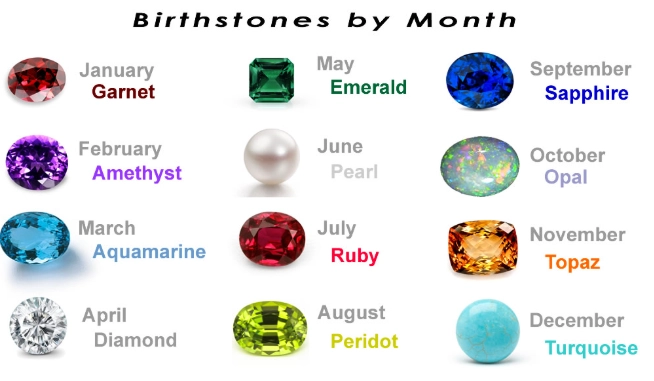
Diving Deep: Your Month-by-Month Guide to Semi-Precious Gems
Let's get into the fun part. Here’s a closer look at some of the most popular and intriguing semi-precious birthstones, month by month. I'll share what makes them special, what to watch for, and even some personal thoughts.
April's Diamond Alternative: The Clarity of Rock Crystal Quartz
If you're an April baby feeling the pinch of diamond prices, let me introduce you to rock crystal quartz. It's pure, clear quartz and it's breathtaking. It lacks the fire of a diamond, sure, but it has a brilliant, icy clarity that's incredibly elegant. You can find it in large sizes for statement pieces without needing a bank loan. The key is a fantastic cut—a well-cut quartz can be stunning. Just remember, it's a 7 on the Mohs scale of hardness (diamond is a 10), so it's fine for earrings or pendants, but maybe think twice for an everyday ring you're rough on.
May's Green Wonder: Chrysoprase vs. Emerald
Emeralds are known for their inclusions (their "jardin," or garden). Chrysoprase, a variety of chalcedony, is often much more translucent to opaque with a uniform, apple-green color that's just so cheerful. It's also tougher than emerald, making it a more practical choice for a ring you plan to wear daily. I find its color to be more consistently vibrant in affordable pieces. You can learn more about chalcedony varieties like chrysoprase from mineralogical resources like those provided by the International Mineralogical Association.
September's Cosmic Blue: Lapis Lazuli
Lapis isn't just a blue stone. It's a rock, composed mainly of lazurite, which gives it that intense, deep blue, often with calcite (white streaks) and pyrite (golden flecks). No two pieces are alike. It was ground into ultramarine pigment for Renaissance masterpieces. It feels ancient and wise. The downside? It's relatively soft (around 5-5.5 on Mohs scale) and can be sensitive to chemicals and heat. But as a pendant or in earrings, it's a powerful, historical statement. The Smithsonian Institution has incredible historical jewelry collections featuring lapis that show its enduring appeal.
November's Sunshine: Citrine
My personal favorite. Natural citrine is a pale yellow to brownish-orange quartz. A lot of what's sold as citrine is actually heat-treated amethyst, which gives a more vibrant, orangey hue. Both are beautiful and valid—just ask if it's natural or heat-treated. Citrine is durable (7 on Mohs), affordable, and its warm color goes with everything. It's the perfect entry point into semi-precious birthstones. It just makes you happy to look at it.
Beyond the Month: How to Actually Wear and Care for These Gems
This is where many guides stop, but it's where your real journey begins. Owning a piece is one thing; wearing it confidently and keeping it beautiful is another.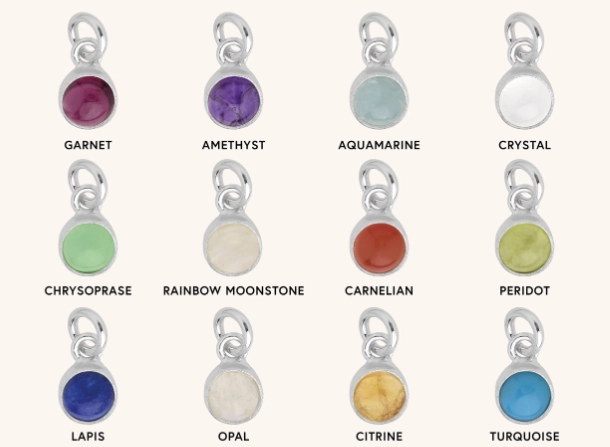
Durability is Key: Always check the hardness (Mohs scale). Stones below 7 (like opal, turquoise, lapis) are best for earrings, pendants, or brooches. For rings and bracelets that take more knocks, aim for 7 and above (quartz varieties, jade, garnet, citrine, agate).
The Cleaning Rules: This isn't one-size-fits-all. Most quartz-based stones (citrine, amethyst, agate) are safe with mild soap, lukewarm water, and a soft brush. Porous stones like turquoise, opal, and lapis lazuli? They hate water and chemicals. A dry, soft cloth is your best friend. When in doubt, wipe gently with a damp cloth and dry immediately. The GIA's gem care guide is an excellent, trustworthy resource to bookmark.
Styling Them Right: The beauty of semi-precious birthstones is their versatility. A chunky, raw amethyst pendant makes a bohemian statement. A sleek, faceted chrome diopside (a great green alternative) ring looks modern and elegant. Don't be afraid to mix them. A stack of rings with your birthstone moonstone, a sapphire, and a diamond can look incredibly chic and personal.
What Determines the Value of a Semi-Precious Birthstone?
Just because they're often more affordable doesn't mean there isn't a range. A few factors drive the price:
- Color: This is usually the biggest factor. Vivid, saturated, and desirable colors cost more. A neon-green tourmaline versus a pale one. A cornflower blue lapis versus a greyish one.
- Clarity: For transparent stones, fewer inclusions mean higher value. But for some stones, inclusions are part of the charm (like the veining in turquoise or the flecks in lapis).
- Cut: A skilled cut that maximizes color, brilliance, or the unique pattern of a stone adds significant value. A poorly cut gem looks dead and lifeless.
- Carat Weight: As with all gems, larger stones are rarer, but the price per carat often increases exponentially, not linearly.
- Treatments: Many semi-precious stones are routinely treated (heated, waxed, dyed) to improve color or stability. Treated stones are less valuable than their untreated, natural-color counterparts. Always ask, "Has this stone been treated?" Reputable sellers will disclose this.
A top-quality, untreated, vividly colored semi-precious stone in a great cut can be a significant investment. But the joy is that you can also find gorgeous, modest pieces for very little.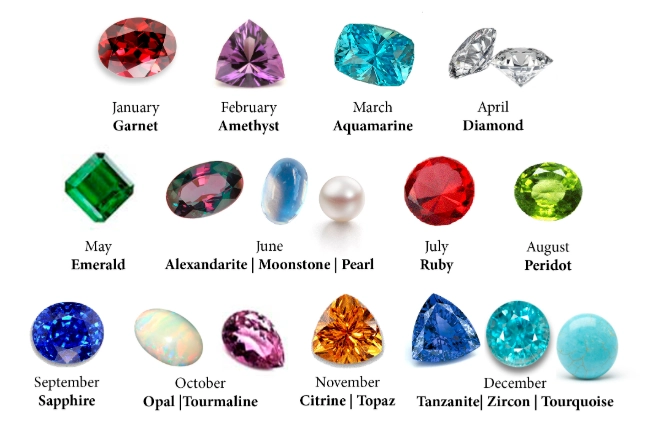
Your Action Plan: How to Shop for a Semi-Precious Birthstone Piece
- Identify Your Stone: Use the chart above. Research it. Look at many, many pictures to understand its color range.
- Set a Budget: The fantastic thing here is there's an option for almost every budget.
- Find a Reputable Seller: Look for jewelers who specialize in colored gemstones or artisan work. They'll have more expertise than a general big-box store. Check if they provide basic gemological information.
- Ask the Right Questions: Is this natural? Has it been treated? What is the hardness? What are the care instructions? Can you provide a receipt detailing the stone type?
- Trust Your Eyes: Ultimately, buy what you love. If a particular shade of garnet or pattern of agate speaks to you, that's the one.
Common Questions (The Stuff You're Actually Searching For)
The Bottom Line: Why This Category is a Jewelry Lover's Secret Weapon
After spending years learning about and collecting these gems, my perspective has completely shifted. Semi-precious birthstones offer something precious stones sometimes can't: accessibility, variety, and a touch of the unconventional. They let you participate in the beautiful tradition of birthstones without strict rules or prohibitive costs.
They encourage creativity. You're not just buying a "ruby"; you're choosing a specific shade of garnet or a unique pattern of carnelian. You become more connected to the piece.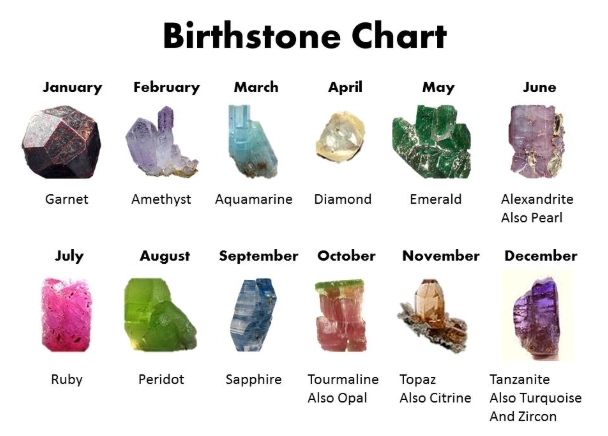
So, whether you're buying a gift for someone special, treating yourself, or just exploring a new hobby, dive into the world of semi-precious birthstones. Start with your birth month. See what colors and stories resonate with you. Visit a local gem and mineral show if you can—holding the rough crystals changes everything.
The world of gems is vast and wonderful, and the semi-precious aisle is where a lot of the fun, color, and personality lives. Don't let an old-fashioned label make you miss out.
Go find the stone that feels like yours.