Your Journey Through Birthstones & Flowers
You know the drill. It's someone's birthday, and you're scrambling for a gift. Another generic mug? A gift card that feels a bit… lazy? What if your gift could whisper a secret message, carry a slice of history, and look absolutely stunning all at once? That's the magic waiting for you in the world of birthstones and birth flowers. It’s not just about knowing you're an April baby with a diamond. It's about the why. Why garnet for January? Why is the daisy so perfectly July? I got curious about this years ago, digging beyond the basic lists, and what I found was a surprisingly rich tapestry of lore, geology, and botany. Honestly, some of the standard explanations felt a bit thin. So, let's get into the real dirt (and the sparkly bits).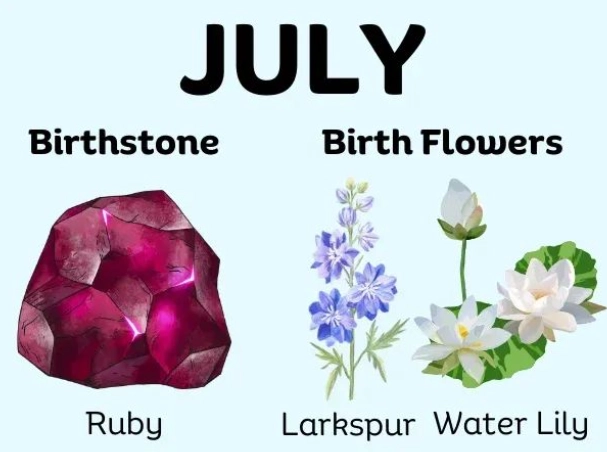
Here’s the thing a lot of articles miss: Your birthstone birth flowers combo isn't a random assignment. Often, they share a thematic core—resilience, love, protection—seen through different lenses: one in the unyielding earth, the other in the fleeting beauty of a bloom. Understanding that link is where the real personal connection starts.
This guide is for anyone who's ever glanced at a birthstone chart and wondered about the story behind it. Whether you're picking a meaningful pendant, choosing a tattoo, planning a wedding with personal touches, or just feeding a healthy dose of curiosity, we're going month-by-month. We'll unpack the history (some of it surprisingly modern and driven by jewelers, let's be real), the symbolism that has stuck around for centuries, and most importantly, how you can use this knowledge today in a way that feels authentic.
A Quick Dip into the Roots: Where Did This All Come From?
Let's clear something up first. The idea of birthstones and birth flowers didn't pop into existence together. Their paths converged much later. Birthstones have a murky origin, often traced back to the Breastplate of Aaron described in the Bible (Exodus), which featured twelve gemstones representing the tribes of Israel. This somehow, over centuries and through various cultural translations, morphed into the idea of a gem for each month. The modern list we largely recognize? It was standardized by the American National Association of Jewelers in 1912—yes, it's partly a marketing story, but one that tapped into ancient desires.
Birth flowers, on the other hand, stem from the language of floriography—sending messages with flowers—which was hugely popular in the Victorian era. Before you could text “thinking of u,” you'd send a bouquet of specific blooms. Assigning a primary flower to each month was a natural extension, drawing from seasonal availability and long-standing symbolic meanings from Greek myths, Roman traditions, and medieval herbalism.
So, one tradition is partly commercial, the other romantic. But when you put them together, that's where it gets interesting. You get a dual-layer of meaning for every single month.
The Complete Monthly Breakdown: Your Stone & Your Bloom
Alright, let's get to the main event. Here’s your month-by-month guide. I've included the modern standard, but also some alternates you might find interesting. For instance, did you know some months have multiple official stones now? The Jewelers of America updated the list in the 1950s and again more recently to include alternatives. It gets a bit messy, but I’ll try to keep it clear.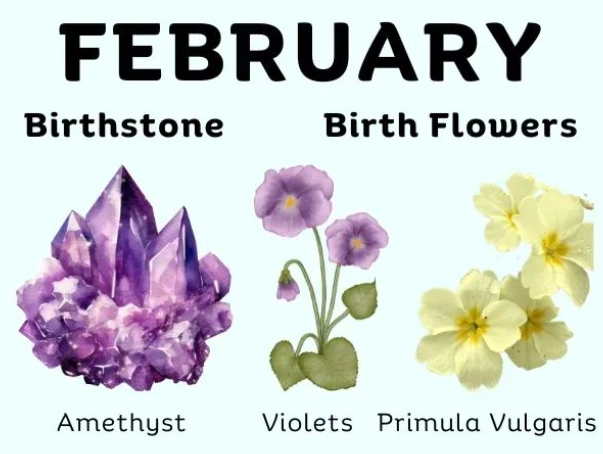
| Month | Primary Birthstone (Meaning) | Primary Birth Flower (Meaning) | Thematic Overlap |
|---|---|---|---|
| January | Garnet (Constancy, Friendship, Protection) | Carnation (Love, Distinction, Fascination) | Enduring Affection. Garnet was carried for protection during travel, symbolizing safe return (constancy). Carnations, especially red ones, speak of deep love and admiration. Both are about steadfast bonds. |
| February | Amethyst (Peace, Tranquility, Courage) | Violet / Primrose (Faithfulness, Modesty, Young Love) | Inner Strength & Loyalty. Amethyst was believed to calm the mind and prevent intoxication—a stone of inner mastery. Violets symbolize humble loyalty and faithfulness. Both point to virtues of the heart and mind. |
| March | Aquamarine (Serenity, Clarity, Courage) Alternate: Bloodstone | Daffodil (Rebirth, New Beginnings, Respect) | New Beginnings & Courage. Aquamarine, the “water of the sea,” was a talisman for sailors facing new journeys. Daffodils are the first heralds of spring. Both are powerfully linked to facing the new with hope and bravery. |
| April | Diamond (Invincibility, Strength, Eternal Love) | Sweet Pea / Daisy (Blissful Pleasure, Goodbye, Innocence) | Pure and Lasting Sentiment. Diamond’s unmatched hardness makes it the ultimate symbol of permanence. The sweet pea speaks of delicate pleasure, while the daisy is classic innocence. It’s a combo of enduring strength and pure feeling. |
See how that works? The table gives you a snapshot, but there's so much more beneath the surface for each month. Let's dive deeper into a couple of my personal favorites to show you what I mean.
July: A Fiery Duo of Passion and Protection
July folks have it good. Their birthstone birth flowers pairing is one of the most vibrant and storied.
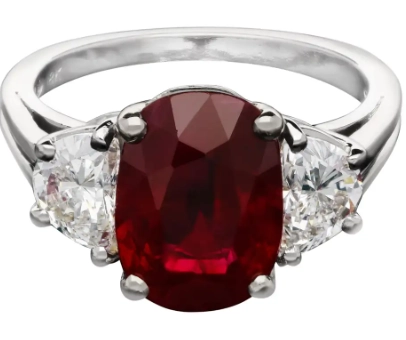
Ruby: This isn't just a red stone. For centuries, rubies were considered the “king of gems,” embodying the essence of life, passion, and blood. Ancient cultures believed they held the power of protection, guarding the wearer from misfortune. The intensity of its color is unmatched. On a practical note, rubies are a variety of corundum (just like sapphires), second only to diamonds in hardness, making them fantastic for everyday wear. A bit of a hot take: some modern, heat-treated rubies can look a bit too perfect and glassy for my taste. I prefer stones with a slight, natural silkiness—they feel more alive.
Larkspur / Water Lily: Now, this is where it gets cool. The primary birth flower, Larkspur (especially in its pink and purple hues), symbolizes an open heart and feelings of attachment. But it’s also associated with lightness and levity. The Water Lily, an alternate, is a global symbol of purity, enlightenment, and rebirth—rising pristine from muddy waters. See the link to Ruby? It’s all about the power of the heart. Ruby protects the passionate, vital force of life, while the flowers speak to the purity and lightness of emotion, or the ability to rise above.
I knew a July-born artist who wore a small ruby stud and had a water lily tattoo. She said it reminded her that her creative passion (ruby) needed to rise above daily clutter (water lily) to truly flourish. That's the kind of personal connection you can build.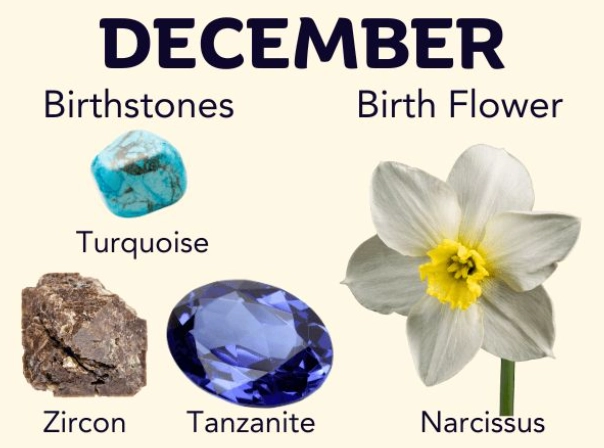
October: The Complex and Earthy Balance
October has a fascinating duality. It’s the only month with two primary birthstones that are radically different, offering a choice in energy.
Opal & Tourmaline: Opal, with its play-of-color, has been wrapped in both awe and superstition (some wrongly think it's unlucky for non-October babies—nonsense). It represents creativity, imagination, and the magic of change. Tourmaline, which comes in a rainbow of colors (pink being common for October), is known as a stone of reconciliation and compassion. It’s said to promote understanding. So, do you want the mystical, shifting fire of Opal or the gentle, grounding compassion of Tourmaline?
Marigold / Cosmos: The flowers match this duality perfectly. Marigolds are bold, vibrant, and often associated with the sun, passion, and even sacred remembrance in some cultures. Cosmos flowers are delicate, orderly, and symbolize peace, tranquility, and harmony. You can choose a bold marigold to match an opal's drama, or a serene cosmos to align with tourmaline's calming vibe.
This combo is a masterclass in balance. It acknowledges that one month can hold multitudes. Maybe that's why October personalities often seem so layered.
“Choosing my birthstone wasn't just about picking a blue stone for March. It was about connecting with the aquamarine's lore of calming stormy seas—something I desperately needed during a chaotic year. Pairing it with daffodils in a necklace felt like wearing a personal mantra for calm and new beginnings.” – A sentiment I've heard more than once.
How to Actually Use This Knowledge (Beyond the Textbook)
Knowing your garnet is for January is one thing. Making it part of your life is another. Here’s where we move from theory to practice. This is the stuff I wish someone had told me.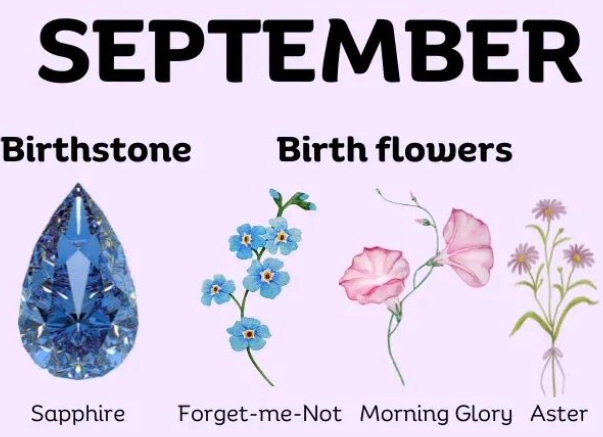
Gift-Giving That Actually Means Something
Forget the generic present. A gift based on birthstone birth flowers shows you've put in thought. But you can level it up.
- Combine Them: Jewelry is the obvious path. Look for a pendant that features a tiny diamond (April) nestled next of a sweet pea enamel flower. Or cufflinks with a lapis lazuli (September) inlay beside a finely etched aster.
- The Modern Twist: Not everyone loves traditional jewelry. Consider a high-quality art print that features their birth flower, framed in a metal that complements their birthstone color (e.g., a rose gold frame for a pink tourmaline/October theme).
- Experience Gifts: For a gardener, a curated seed kit of their birth flowers. For a December baby, a visit to a turquoise mine or a workshop on working with turquoise and tanzanite. It’s memorable.
I once gave a September friend a small, rough piece of sapphire and a packet of aster seeds. The note read: “For your grounded strength (sapphire) and your ever-present charm (aster).” It cost less than a fancy dinner but hit way deeper.
Personal Style & Tattoos
Your birth month symbols are a fantastic source of inspiration for more permanent expressions.
For tattoos, the flower often gives the form, and the stone gives the color palette. Imagine a watercolor-style larkspur (July) using shades of ruby red and pink. Or a geometric, black-line tattoo of an emerald (May) shape, with lily-of-the-valley vines weaving through it. Talk to a good artist—they can merge these concepts brilliantly.
For daily style, you don't have to wear a giant gemstone ring. Incorporate the *colors*. A May baby might lean into emerald green and lily-white in their clothing choices. A November topaz lover might add citrine-yellow or topaz-blue accents to their outfit. It’s a subtle, personal touch.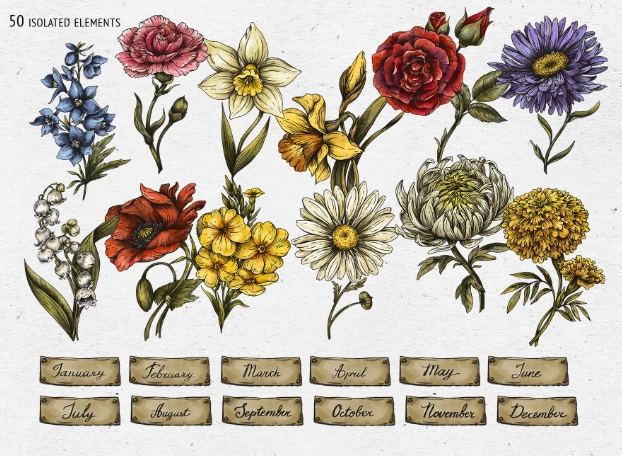
Clearing Up the Confusion: Your Questions Answered
Absolutely not. That's like saying you must wear a hat with every shirt. They are tools in your self-expression toolbox. Use one, use both, use none. Some months, the flower resonates more with me than the stone, and that's perfectly fine. The goal is meaning, not rule-following.
First, beauty is subjective! But practically, you have options. Most months have alternates. Don't like June's pearl (which can be delicate)? Use its alternate, alexandrite or moonstone. April's diamond breaking the bank? Look for white sapphire or even high-quality white topaz for a similar look. For flowers, you often have a primary and an alternate. Choose the one you connect with.
This might be the most important question. Yes, a thousand times yes. The idea is to wear what resonates with you. If you're drawn to the energy of sapphire (September) but were born in March, wear a sapphire! Perhaps you need its wisdom and calm. The “birth” association is just one door into the meaning. Walk through any door that calls to you. I often wear a peridot (August) because I love its fresh, green energy, and my birthday is nowhere near August.
It's a wild west out there. For geological facts, hardness, and care instructions, I always cross-reference with authoritative sources like the Gemological Institute of America (GIA). For historical and cultural lore, museum resources are gold. The Victoria and Albert Museum has fantastic articles on jewelry history. For flowers, botanical gardens and horticultural societies, like the Royal Horticultural Society (RHS), provide accurate botanical info and historical symbolism.
Wrapping It Up: It’s Your Story to Tell
At the end of the day, the journey through birthstone birth flowers is about finding threads that connect you to history, nature, and your own sense of self. It’s a framework, not a prison. Maybe you’ll discover that your birth flower’s meaning perfectly captures a chapter of your life, or that an alternate stone’s lore gives you a sense of strength you didn't know you needed.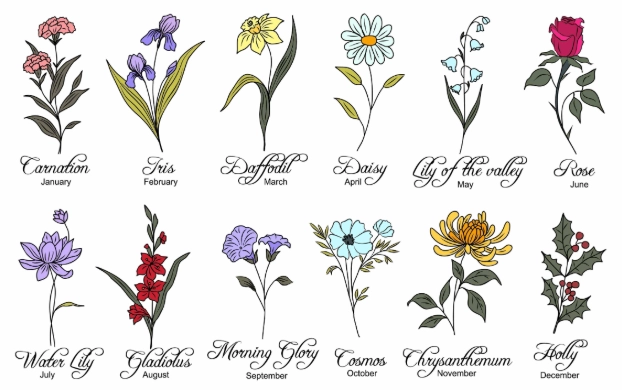
Start with the lists. Look at your month. But then, wander. Read about the other months. You might be surprised what you’re drawn to. The perfect birthstone and birth flower combination for you is the one that feels like a quiet, personal truth when you see it. That’s the real magic—not in the calendar’s assignment, but in the meaning you choose to embrace and wear out into the world.
So, what’s your combo saying about you? And more interestingly, what do you want it to say?