Quick Navigation
- Forget the Calendar for a Second: The 4 Real Factors in Your Choice
- The Traditional List vs. The Modern Reality
- Navigating the Natural vs. Lab-Created Question
- How to Actually Buy Without Getting Scammed
- Answering Your Burning Questions (The FAQ You Actually Need)
- Putting It All Together: Your Action Plan
So you're thinking about getting a birthstone. Maybe for yourself, maybe as a gift. You Google "how to choose a birthstone" and you're hit with a list: January is garnet, February is amethyst, and so on. Seems simple, right? Just match the month to the stone. Done.
But hold on.
If it were that simple, you wouldn't be reading this guide, and I wouldn't have spent years talking to jewelers and customers who felt... underwhelmed. I remember a friend who got a traditional pearl necklace for her June birthday. Beautiful, but she never wore it. "It's just not me," she said. It sat in a box. That's a shame, and it's also a missed opportunity. Your birthstone, or the one you give, should feel personal. It should resonate. The month is just the starting point, not the entire destination.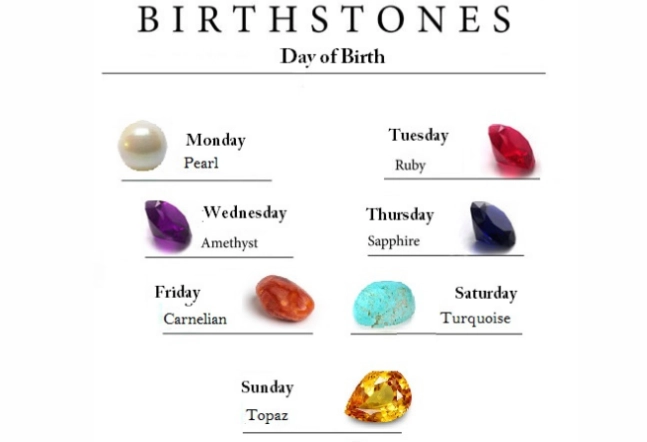
This guide is for anyone who feels that the classic list is a bit limiting. We're going to dig into what really matters when you're trying to figure out how to choose a birthstone that you'll actually love and wear. We'll talk color, meaning, budget, and even how to break the rules tastefully.
Forget the Calendar for a Second: The 4 Real Factors in Your Choice
Before we even look at a single gem, let's talk about you. Or the person you're buying for. This is the foundation. Choosing a birthstone isn't about checking a box; it's about making a connection.
1. The Color Connection (It's a Big Deal)
You wear colors every day. Some make you feel confident, others relaxed. Your jewelry should do the same. The most immediate impact of any gemstone is its color.
Ask yourself: What's my go-to palette? Do I lean towards cool tones like blues and purples (think sapphire, amethyst, aquamarine) or warm tones like reds, oranges, and yellows (garnet, citrine, topaz)? Maybe you love earthy greens (emerald, peridot) or delicate pinks (tourmaline, morganite).
I have a December birthday, so my "traditional" stones are blue zircon, turquoise, or tanzanite. I love blue, so that works. But if you're a July baby who hates red, a ruby might feel all wrong, even if it's "correct." And that's perfectly fine. When learning how to choose a birthstone, giving yourself permission to prioritize color preference is step one.
2. The Meaning & Metaphor Layer
This is where it gets personal. For centuries, people have attributed meanings and powers to gemstones. Whether you buy into the metaphysics or just enjoy the symbolism, it adds depth to your choice.
Are you looking for a stone associated with love (like rose quartz)? Or one known for protection (like black onyx or turquoise)? Maybe you want something symbolizing calm and clarity (aquamarine) or courage and passion (ruby).
Sometimes, the meaning can override the month entirely. I know an April-born person who wears an opal daily, not a diamond. Why? She went through a significant personal renewal, and opal's symbolism of hope and transformation spoke directly to her journey. Her birthstone became a personal talisman, not just a date marker. That's a powerful way to choose a birthstone.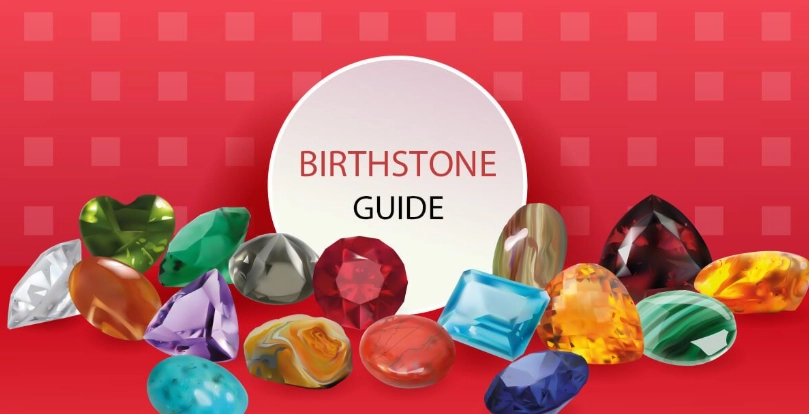
3. Your Budget and Lifestyle Reality Check
Let's talk money and practicality. This isn't the romantic part, but ignoring it leads to a piece that stays in the safe.
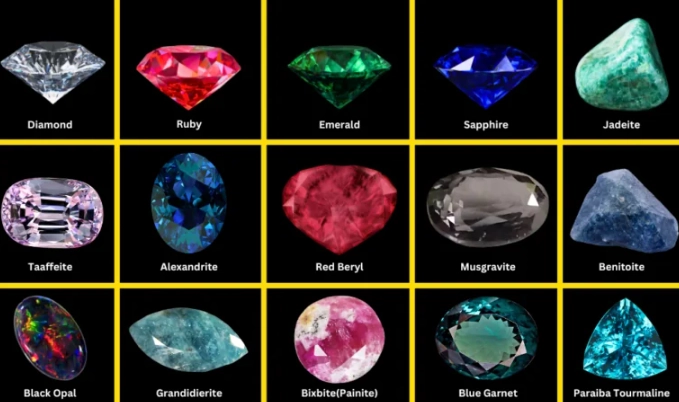
Diamonds (April), rubies (July), and emeralds (May) are at the premium end. If your heart is set on one but your budget isn't, there are stunning alternatives. For a diamond look, consider white sapphire or moissanite. For emerald, tsavorite garnet or chrome diopside offer incredible green at a fraction of the cost.
Then, think about your life. Do you work with your hands? Are you rough on jewelry? Some stones are more delicate. Opals and emeralds can be brittle. Tanzanite scratches easily. If you want an everyday piece, harder stones like sapphire (September), quartz varieties (February's amethyst, November's citrine), or garnet (January) are warriors.
The Mohs scale of hardness, which you can find detailed on the Gemological Institute of America (GIA) website, is your best friend here. Aim for a hardness of 7 or above for rings you'll wear daily.
4. The Style and Setting Factor
Finally, how will you wear it? A bold, statement ring? A dainty pendant? Stud earrings?
Some stones are traditionally cut in certain ways. Emeralds are often in "emerald cuts," opals are frequently cabochons (smooth, not faceted). But modern jewelers are doing amazing things. You can find sapphires in every cut imaginable.
The metal matters too. A warm yellow garnet pops against yellow gold but can look more formal in white gold or platinum. A cool blue aquamarine is stunning in white metals. Think about what metal you wear most often.
The Traditional List vs. The Modern Reality
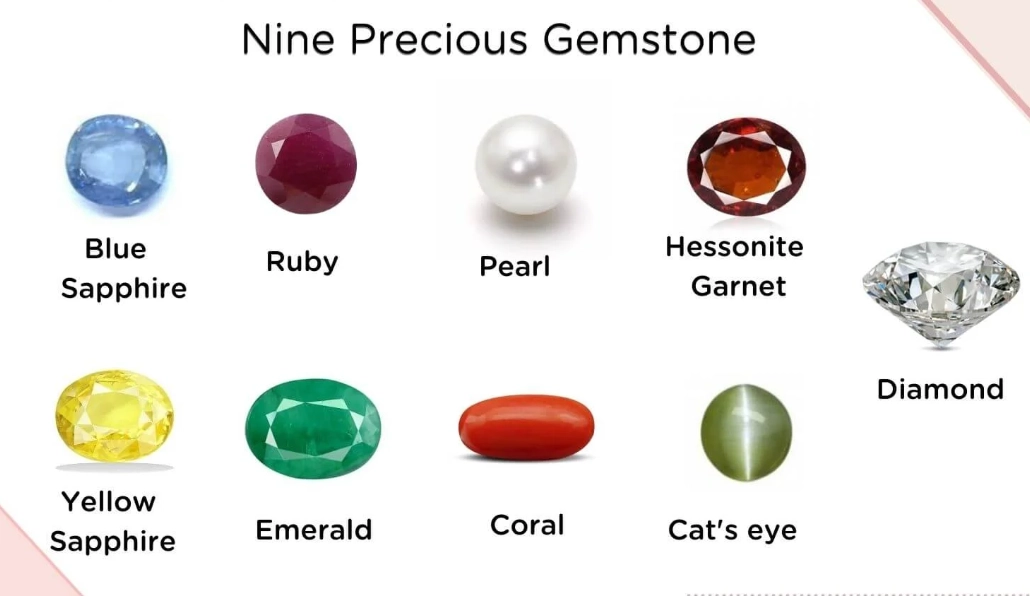
Okay, with those four factors in mind, let's look at the official lists. Yes, lists plural. The American Gem Trade Association (AGTA) and other bodies actually have a "modern" list that offers alternatives for most months. It's like having options on a menu.
Here’s a breakdown that goes beyond just the name, incorporating the factors we just discussed. This table is your cheat sheet.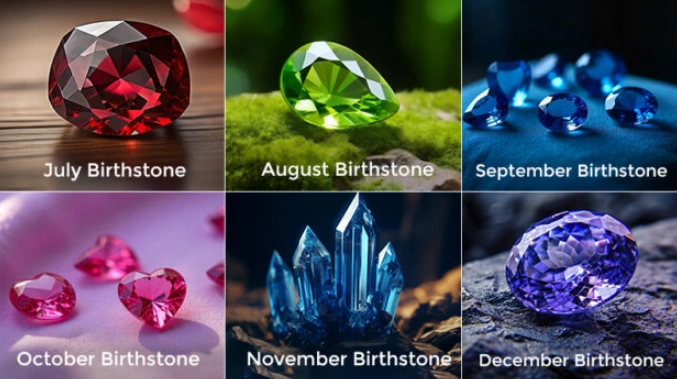
| Month | Traditional Stone(s) | Modern/Alternative Stones | Key Color & Vibe | Consider For... |
|---|---|---|---|---|
| January | Garnet | - | Deep reds (also greens, oranges!). Warm, passionate. | Durability (7-7.5 Mohs). Great for everyday wear. Affordable. |
| February | Amethyst | - | Purple (light lavender to deep violet). Calm, spiritual. | Great hardness (7), very affordable. Large stones available. |
| March | Aquamarine, Bloodstone | - | Sky blue to sea-green. Serene, cleansing. | Elegant, light-colored. Good hardness (7.5-8). |
| April | Diamond | White Sapphire, Moissanite | Colorless, brilliant. Strength, purity. | The premium choice. Alternatives offer similar look for less. |
| May | Emerald | Tsavorite Garnet, Chrome Diopside | Rich green. Growth, renewal. | Softer (7.5-8), often included. Handle with care. Alternatives are more durable/affordable. |
| June | Pearl, Alexandrite, Moonstone | - | Organic, color-shift, milky sheen. Mystery, femininity. | Pearls are soft (2.5-4.5)! Alexandrite is rare/expensive. Moonstone is softer (6-6.5). |
| July | Ruby | - | Vivid red. Passion, vitality. | Very hard (9), premium price. One of the "big four" precious gems. |
| August | Peridot, Spinel | Sardonyx | Lime green, various colors (spinel). Nature, energy. | Peridot is unique green but softer (6.5-7). Spinel is a fantastic, durable (8) underrated gem. |
| September | Sapphire | - | Blue (but comes in every color but red!). Wisdom, loyalty. | Extremely hard (9), excellent for everyday. "Fancy" sapphires (pink, yellow) are gorgeous. |
| October | Opal, Tourmaline | - | Play-of-color, wide color range. Creativity, individuality. | Opal is soft (5.5-6.5) and can be brittle. Tourmaline is durable (7-7.5) and wildly colorful. |
| November | Topaz (Blue), Citrine | - | Sky blue, warm yellow/orange. Joy, positivity. | Citrine is affordable and durable (7). Blue topaz is often treated. Both are great value. |
| December | Turquoise, Zircon, Tanzanite | Blue Topaz | Blue, blue, and more blue. Calm, communication. | Turquoise is porous/soft. Tanzanite is softer (6-7) and sensitive. Zircon and blue topaz are more durable options. |
Navigating the Natural vs. Lab-Created Question
This is a huge point of discussion now, and for good reason. You'll see both options, often with significant price differences.
Natural stones are mined from the earth. Their value is tied to rarity, origin, and the natural formation process, which can include unique inclusions (internal characteristics). They have a geological story.
Lab-created stones (also called synthetic, lab-grown, or created) have the same chemical, optical, and physical properties as their natural counterparts. They're just made in a controlled environment in weeks, not over millennia underground. They are real gemstones, not fakes.
So, which to choose?
If the idea of a "one of a kind" natural creation, with potential ethical sourcing concerns (do your research!), is important to you, and budget is secondary, natural is the path. Look for reputable dealers who provide disclosure and, ideally, certification from a lab like GIA.
If your priority is getting a larger, cleaner, more vibrant stone for your budget, or you have ethical concerns about mining, lab-created is a brilliant and completely valid choice. You can get a stunning lab-created sapphire, ruby, or emerald for a fraction of the natural cost. For stones like diamond (April) or alexandrite (June), the price difference is astronomical.
There's no right answer, only your answer. When figuring out how to choose a birthstone, this is a key practical and philosophical decision point.
How to Actually Buy Without Getting Scammed
Alright, you've thought about color, meaning, budget, and type. Now, how do you hand over your money confidently?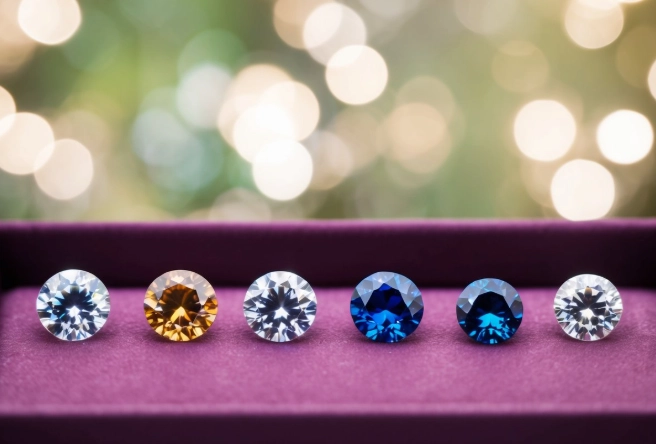
First, education is armor. Knowing the basics of the 4 Cs (Color, Cut, Clarity, Carat) as they apply to colored stones is helpful. For colored gems, Color is king. A vibrant, well-saturated medium tone is often more valuable than a large, pale, or overly dark stone.
Second, buy from someone who knows. A specialist jeweler who deals in colored gemstones is infinitely better than a big-box store that mostly sells diamonds. They can educate you, show you options, and source stones. Check their reviews and how long they've been in business.
Third, ask for certification on expensive natural stones. For a significant purchase of a natural sapphire, ruby, emerald, or alexandrite, a report from GIA or the American Gem Trade Association (AGTA) labs is worth it. It verifies what the stone is, if it's been treated, and details its quality. For more affordable stones (like amethyst, citrine, peridot) or lab-created stones, a detailed invoice from a reputable seller is usually sufficient.
Feeling overwhelmed? The Jewelers Vigilance Committee (JVC) offers great consumer guides on buying jewelry responsibly.
Answering Your Burning Questions (The FAQ You Actually Need)
Putting It All Together: Your Action Plan
Let's make this concrete. Here's a step-by-step walkthrough on how to choose a birthstone that won't end up in the back of a drawer.
- Start with the Heart. Jot down any colors, meanings, or feelings you want the stone to represent. Forget the month for this step.
- Consult the Calendar. Look at your birth month's traditional and modern options. Do any from Step 1 match? Great! If not, note the mismatch.
- Audit Your Life. Be honest about budget and how you'll wear it. This will immediately narrow the field (e.g., "needs to be under $500 and tough enough for a daily ring").
- Research & Browse. Go online to gemstone specialty sites or, better yet, visit a local jeweler. Look at real stones. See how the color looks in different lights. Ask questions. Feel the pieces.
- Make the Trade-off Decision. You might not get the perfect color, size, and durability within your budget. Decide what's non-negotiable (e.g., color) and where you can compromise (e.g., a slightly smaller stone, or accepting a lab-created version).
- Buy with Confidence. From a trusted source, with clear disclosure about what you're getting. Get it in writing.
The goal isn't perfection. It's a piece that makes you smile when you see it, that feels like a part of your story.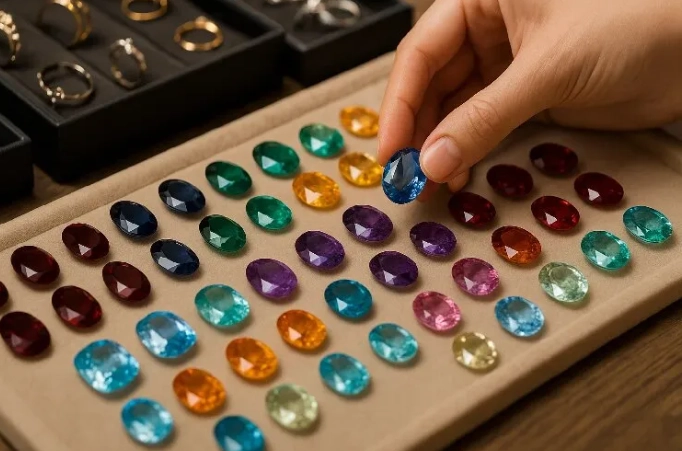
Happy hunting. I hope you find a gem that feels like it was always meant for you.