Quick Guide
- First Things First: The One Rule That Trumps All Others
- The Hardness Factor: Why a Diamond Can Take a Beating But an Opal Can't
- Your Month-by-Month Birthstone Care Cheat Sheet
- The Daily Do's and Don'ts: Habits That Make or Break Your Gems
- Answering Your Burning Questions (The Stuff You Actually Google)
- When to Throw in the Towel and See a Professional
- Wrapping It Up: It's About Longevity, Not Perfection
Let's be honest. You probably got that birthstone ring or necklace because it means something. Maybe it was a gift, maybe you treated yourself. But now you're staring at it, wondering if that water spot is permanent or if you just scratched the surface trying to clean it with your shirt. I've been there. I once tried to clean an amethyst ring with a bit of vinegar because someone online said it was fine. Big mistake. The setting looked dull for weeks.
That's why generic "clean your jewelry" advice is worse than useless. It's dangerous. A garnet isn't a diamond. An opal isn't a sapphire. Treating them all the same is a fast track to a ruined heirloom. The right birthstone care tips aren't about harsh chemicals or fancy gadgets. They're about understanding the personality of your specific gem.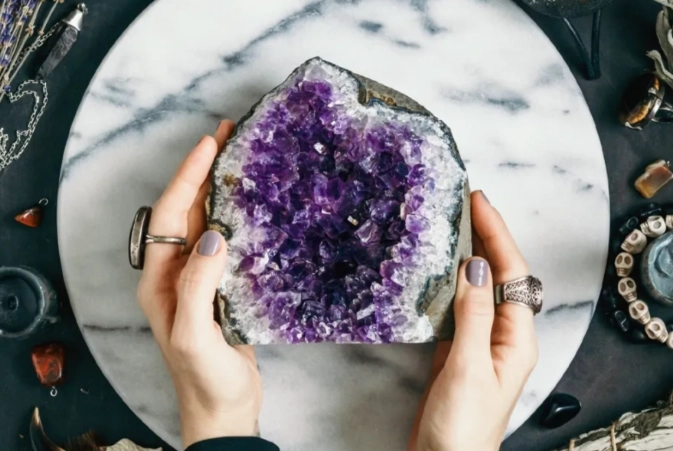
Think of it like caring for different types of wood. You wouldn't soak a delicate antique in water, right? Same idea here. This guide is the deep dive I wish I had. We're going month-by-month, stone-by-stone, and talking about the stuff other blogs gloss over. Like, what do you actually do when your emerald gets greasy from lotion? Or how do you store a pearl necklace so it doesn't turn yellow?
First Things First: The One Rule That Trumps All Others
Before we get into the monthly specifics, there's a golden rule. Honestly, if you forget everything else, remember this.
I learned this the hard way with a vintage piece sold to me as "blue topaz." Turns out it was irradiated and much more sensitive than natural topaz. My standard cleaning routine did a number on it. So, step zero of any birthstone care tips regimen is identification.
The Hardness Factor: Why a Diamond Can Take a Beating But an Opal Can't
This is the single most important concept in gem care. It's not about toughness, it's about hardness—its resistance to being scratched. We measure this on the Mohs scale, from 1 (talc, super soft) to 10 (diamond). The Gemological Institute of America (GIA) has fantastic resources on this, but here's the practical takeaway for daily wear.
A gem with a hardness below 7 (like opal, pearl, or turquoise) is vulnerable to scratches from common dust, which contains tiny quartz particles (hardness 7). That means simply wiping it on your jeans can slowly dull the surface. Gems above 7 (like sapphire, topaz, diamond) are much more resilient to everyday abrasion.
Here’s a quick look at where common birthstones land. This table isn't just academic; it directly informs how you store and wear them.
| Birthstone | Mohs Hardness | What This Means for Care |
|---|---|---|
| Diamond (April) | 10 | Extremely scratch-resistant. Main risk is chipping from a hard blow or damage to the setting. |
| Sapphire (September) | 9 | Very durable for daily wear. Excellent for rings. |
| Topaz (November) | 8 | Quite hard, but has perfect cleavage (can split if hit the wrong way). |
| Quartz (April, Amethyst/Citrine) | 7 | The benchmark. Can be scratched by materials harder than 7. Safe for most jewelry but be mindful. |
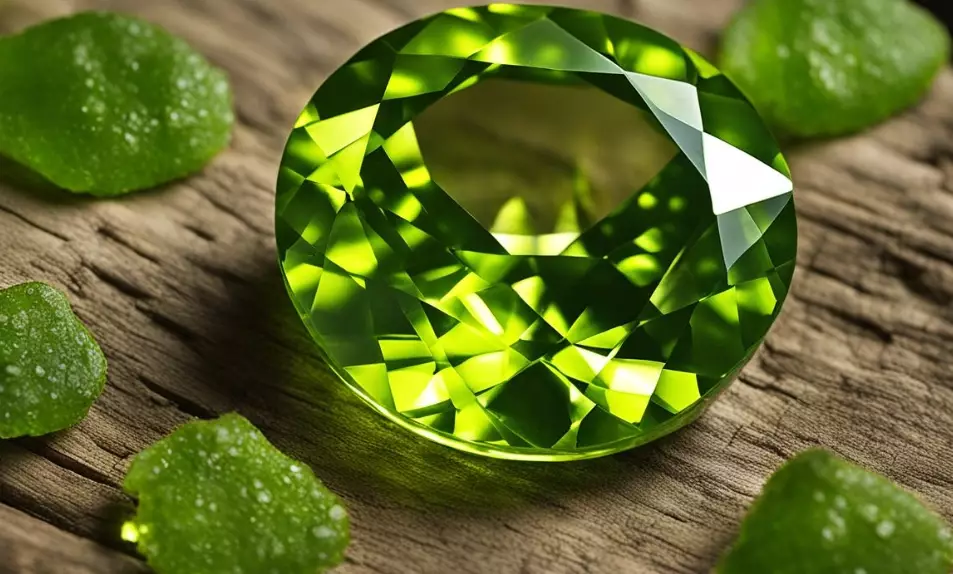
| Peridot (August) | 6.5 - 7 | Softer. More prone to scratches. Best for earrings or pendants, not everyday rings. |
| Opal (October) | 5.5 - 6.5 | Quite soft and sensitive to knocks. Also hates sudden temperature changes. |
| Turquoise (December) | 5 - 6 | Porous and soft. Easily scratched and can absorb oils, changing its color. |
| Pearl (June) | 2.5 - 4.5 | Extremely soft and organic. Acids (perfume, sweat, vinegar) will etch the surface. |
See? That hardness number tells a story. If your birthstone is on the lower end, your main birthstone care tips will revolve around protection from scratches and chemicals. If it's high on the scale, you can worry less about daily wear but maybe more about keeping it clean from grease.
Your Month-by-Month Birthstone Care Cheat Sheet
Okay, let's get into the nitty-gritty. Here’s where we match the specific stone to the right care routine. I'm grouping some by similar properties to avoid repetition, but highlighting the unique quirks of each.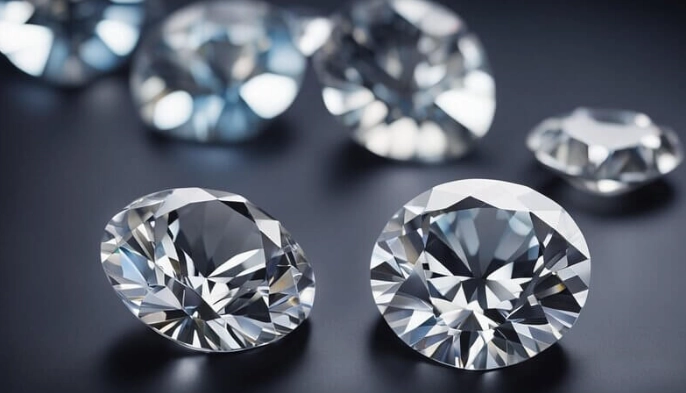
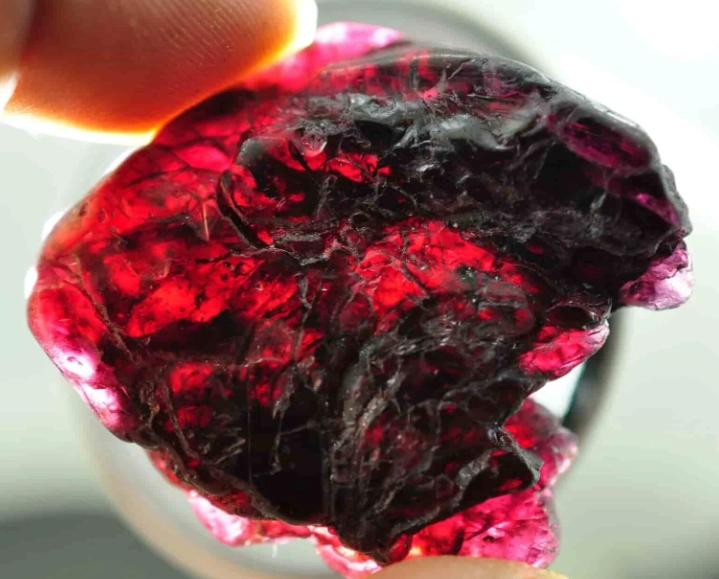
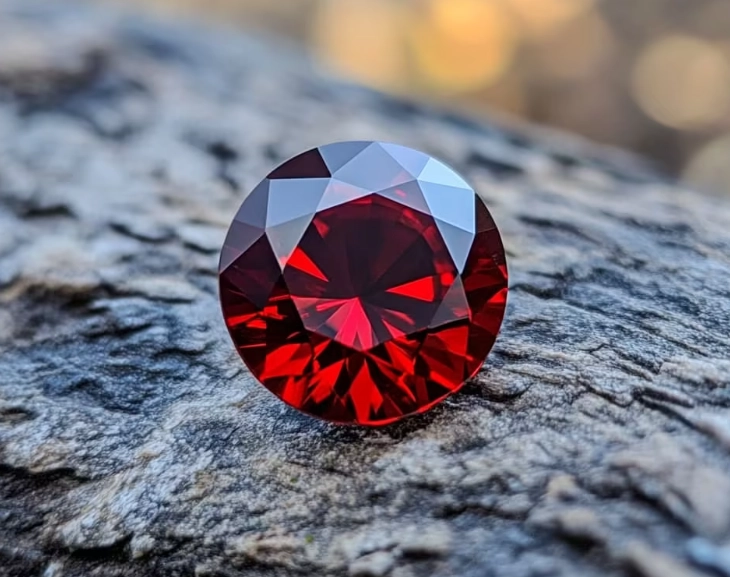
January (Garnet), March (Aquamarine), July (Ruby), September (Sapphire)
These are the relatively tough guys. Garnet, aquamarine, ruby, and sapphire are all silicate gems with good to excellent hardness (7-9). They're generally safe for ultrasonic cleaners and steamers if there are no fractures or treatments. But here's the catch.
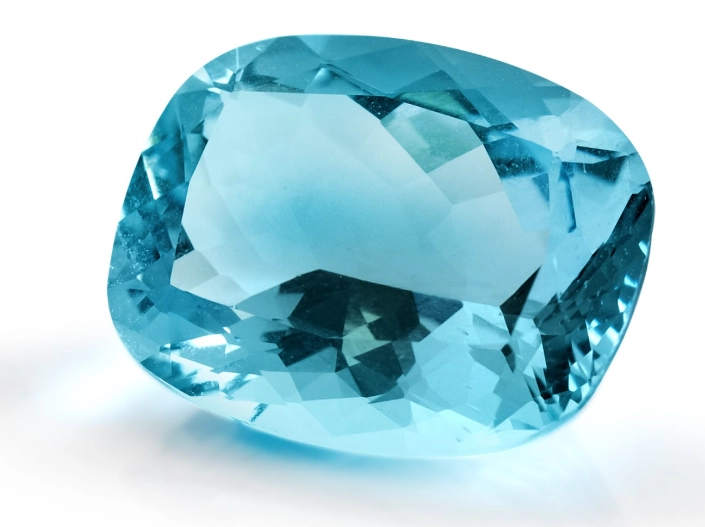
Best Cleaning Method: Warm water, a drop of mild dish soap (the plain kind, no moisturizers), and a soft toothbrush. Gently scrub behind the stone where gunk collects. Rinse thoroughly. For sapphires and rubies, this works like a charm. For aquamarine, just be a bit gentler as it can be slightly more brittle.
What to Avoid: While they're hard, they can still chip from a sharp blow. Also, some heat-treated sapphires or rubies can have their color stability affected by extreme heat (like a jeweler's torch during repair), so always inform your jeweler about any treatments.
February (Amethyst), April (Diamond), May (Emerald), November (Topaz, Citrine)
A mixed bag here, each with a famous weakness.
Amethyst & Citrine (Quartz): Hardness 7, so decent. But their color can fade in prolonged, direct sunlight. Don't leave your amethyst ring on a sunny windowsill for months. Clean with soapy water, avoid harsh chemicals.
Diamond: The hardest, but it attracts grease like a magnet. That's why diamonds lose sparkle. A simple soak in that soapy water solution with a soft brush restores fire. Ultrasonics are usually safe for diamond-only jewelry. The big risk? Old settings can be loosened by the vibrations.
Emerald: This is the diva. Almost all emeralds are fracture-filled with oils or resins to improve clarity. This is a standard and accepted practice, but it means your emerald hates heat, ultrasonic cleaners, and steam. Those can dry out or remove the fillers, making fractures more visible. The American Gem Society (AGS) emphasizes gentle care for fracture-filled gems. Use only lukewarm water, a very soft brush, and pat dry immediately.
Topaz: Hard (8), but with perfect cleavage. A sharp knock in the wrong direction can cause it to split. Also, some blue topaz is irradiated and can be sensitive to sudden temperature changes. Stick to mild soap and water to be safe.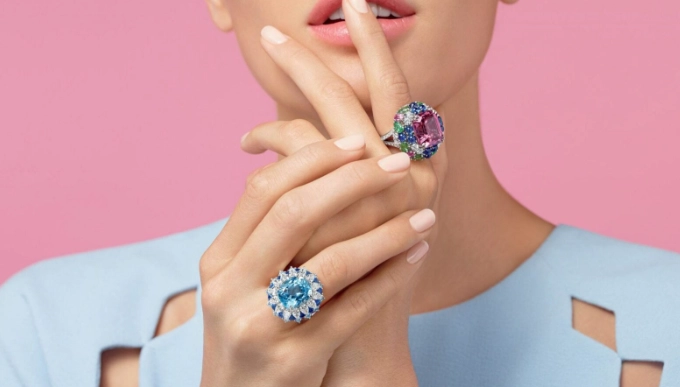
June (Pearl, Alexandrite), August (Peridot), October (Opal, Tourmaline), December (Turquoise, Tanzanite, Zircon)
The delicate squad. Your birthstone care tips for these need a light touch.
Pearls: Wipe with a soft, damp cloth after every wear to remove sweat and acids. Never submerge a pearl necklace—the water can weaken the silk thread. Let pearls air dry before storing. They should be the last thing you put on (after perfume, hairspray) and the first thing you take off.
Opal: The heartbreaker. It contains water (5-10%). Extreme dryness can cause cracking ("crazing"). So can sudden heat. Never use an ultrasonic or steam cleaner. Clean with a damp cloth only. Some people even store opals in a padded bag with a damp piece of cotton wool in a dry climate, but that's advanced-level care.
Turquoise: Porous and soft. It absorbs oils from your skin, which can slowly change its color from bright blue to greenish. This isn't always bad—some people love the "patina." But to preserve the original color, avoid contact with cosmetics, lotions, and skin oils. Clean only with a dry, soft cloth. No water, no chemicals.
Peridot & Tanzanite: Softer stones. They scratch easily. Best in protective settings (bezels) and for occasional wear, not daily bashing. Clean gently with soapy water.
The Daily Do's and Don'ts: Habits That Make or Break Your Gems
Cleaning is one thing. But how you treat your jewelry the other 99% of the time matters more. Let's talk habits.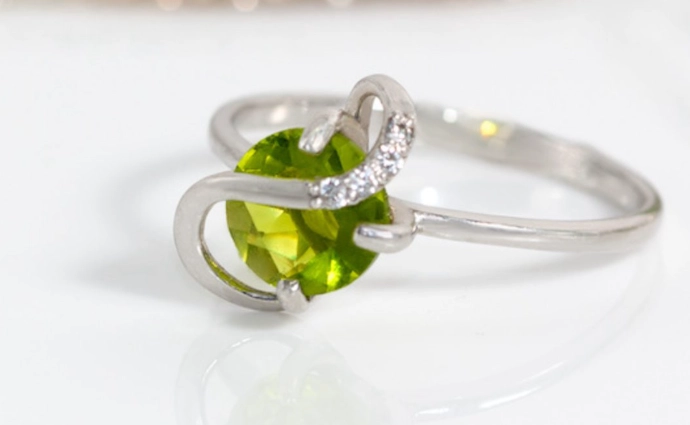
DO put your jewelry on after applying makeup, perfume, and hairspray. These products contain chemicals and abrasives that can cloud stones and damage finishes.
DON'T wear your birthstone ring in the shower or swimming pool. Soap scum is hard to remove. Chlorine can damage metals and some stones (it's terrible for gold alloys). Salt water is corrosive.
I ruined a sterling silver ring with a small stone by wearing it in a hot tub. The combination of chlorine and heat destroyed the setting.
DO take off your jewelry before doing household chores, gardening, or any heavy lifting. Gardening gloves? They still transmit pressure and grit.
DON'T use tissue paper or paper towels to dry gems. They contain wood fibers that can scratch stones softer than 7. Use a soft, lint-free cloth (microfiber or a dedicated jewelry cloth).
DO get a professional check-up. Once a year, take your special pieces to a jeweler. They can check for loose prongs, worn settings wear, and give them a professional clean. This is the most overlooked of all birthstone care tips. A loose prong is a tragedy waiting to happen.
Answering Your Burning Questions (The Stuff You Actually Google)
No. Just don't. Toothpaste is a mild abrasive designed to scrub enamel. It will microscopically scratch the surface of many gems, especially softer ones like opal, turquoise, or pearl, leaving a hazy finish. It's one of the worst home remedies out there.
It depends, but when in doubt, skip it. Ultrasonic cleaners use high-frequency vibrations in a liquid to shake dirt loose. They are fantastic for hard, non-porous stones like diamonds, sapphires, or rubies without fractures. They are disastrous for emeralds (can remove filler), opals (can damage structure), pearls (can destroy nacre), tanzanite, and any stone with inclusions or fractures. If you must use one, know your stone intimately first.
Likely one of three things: 1) You used a chemical it doesn't like (like ammonia on pearls), 2) You didn't rinse all the soap off, leaving a residue, or 3) You exposed a treated stone (like a fracture-filled emerald or an oiled turquoise) to a method that removed or reacted with the treatment. Cloudiness often means the surface is etched or coated with film. A professional jeweler might be able to repolish it, depending on the damage.
The enemy is other jewelry. Harder stones scratch softer ones. The best practice is individual soft pouches or compartments in a jewelry box. Wrap delicate pieces like pearls in a soft cloth. Keep them in a cool, dry place away from sunlight (which can fade amethyst, topaz, and others).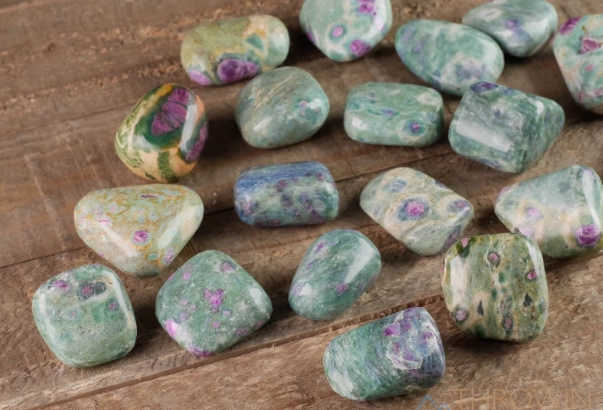
"The most common repair I see isn't from a major accident; it's from years of accumulated, gentle neglect. Stones worn down from constant abrasion, settings loosened from never being checked, and gems clouded by a lifetime of perfume and lotion. Consistent, gentle care is far more powerful than any once-a-year deep clean." – A sentiment echoed by many jewelers I've spoken to.
When to Throw in the Towel and See a Professional
No amount of home birthstone care tips can fix everything. Here are the signs you need a pro:
- A loose stone. If you can feel or hear a stone wiggle in its setting, stop wearing it immediately.
- Deep scratches or chips. These require repolishing or recutting, which needs skill and equipment.
- Severe discoloration or cloudiness that doesn't come off with gentle cleaning.
- A cracked stone. Especially in opals or emeralds. Sometimes it can be stabilized.
- Knotted or broken strands for pearl or bead necklaces.
- Any major structural issue with the metal setting itself.
Finding a good jeweler is key. Look for one with gemological credentials (like from GIA) and good reviews. Ask questions about how they would clean your specific stone. Their caution is a good sign.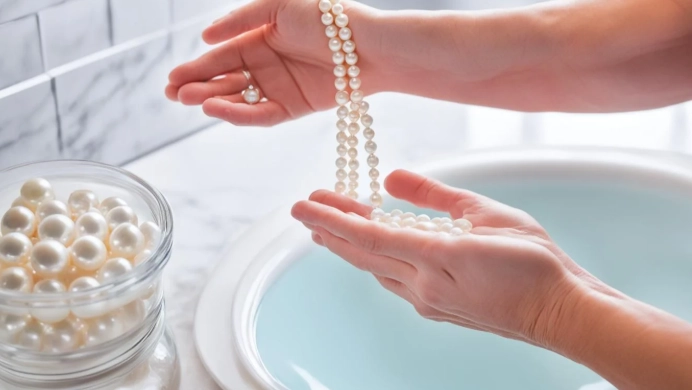
Wrapping It Up: It's About Longevity, Not Perfection
The goal of these birthstone care tips isn't to make you paranoid about wearing your jewelry. It's the opposite. It's to give you the confidence to wear and enjoy it, knowing you're not accidentally causing harm. A little knowledge prevents a lot of heartache.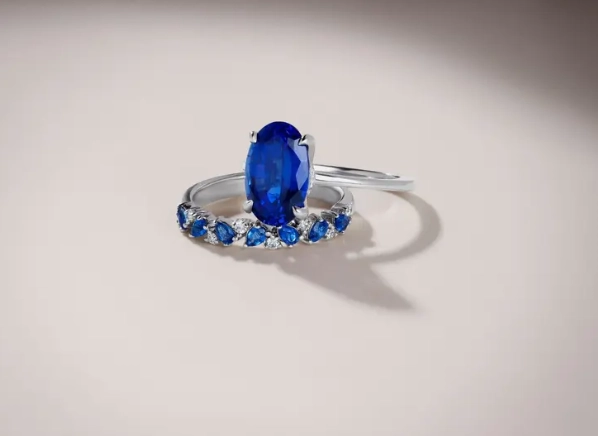
- Identify your stone. Know its hardness and treatments.
- Clean gently. Mild soap, lukewarm water, soft brush, thorough rinse, soft dry. This works for 80% of stones.
- Protect from harm. Take it off for chores, chemicals, and impacts.
- Store separately. Keep pieces from scratching each other.
- Get a yearly check-up. Like going to the dentist for your teeth.
Your birthstone is a connection to your story. Maybe it's a reminder of a person, a place, or a personal triumph. Treating it with the right care ensures that story—and its sparkle—lasts for generations. And that's the most valuable tip of all.