In This Guide
- Before You Even Think About Cleaning: What You MUST Know
- Your Birthstone Cleaning Cheat Sheet (Month by Month)
- The Step-by-Step, Can't-Go-Wrong Home Birthstone Cleaning Method
- Common Birthstone Cleaning Mistakes (And How to Avoid Them)
- Your Birthstone Cleaning Questions, Answered
- When to Skip the DIY and Go to a Professional
- After the Clean: How to Store Your Birthstones
Let's be honest. You love your birthstone jewelry. That garnet ring from your partner, the aquamarine pendant from your mom, your own little piece of personalized sparkle. But then you look closely, and... ugh. Is that lotion gunk? Skin oil? Just general life grime dulling its fire? You want to clean it, but a voice in your head whispers, "What if I ruin it?" I've been there. I once nearly cried after a well-intentioned cleaning session went wrong. That's why I dove deep into the world of proper birthstone cleaning, talked to jewelers, and learned from my mistakes so you don't have to.
Birthstone cleaning isn't a one-size-fits-all game. Treating a delicate opal like a tough diamond is a recipe for disaster. This guide is here to cut through the confusion. We'll walk through everything, from why your specific stone needs special care, to the safest DIY methods you can do at your kitchen sink, and even when to just hand it over to a pro.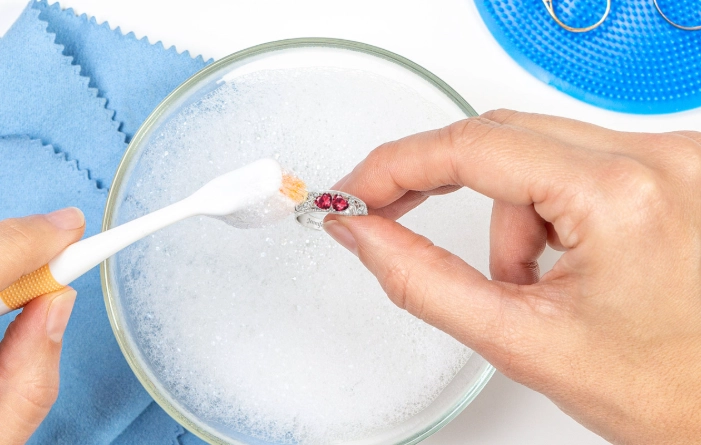
Before You Even Think About Cleaning: What You MUST Know
Most cleaning guides jump straight to the "how." That's how gems get damaged. The real first step in birthstone cleaning is understanding what you're dealing with. Jewelry isn't just a pretty rock; it's a mini ecosystem of gemstones, metals, and sometimes glue.
The Big Three: Hardness, Porosity, and Treatments
Every gemstone has a personality defined by a few key traits. Ignoring these is the biggest mistake people make.
Hardness (The Mohs Scale): This isn't about being tough to scratch, but what can scratch it. Diamond is a 10, talc is a 1. Your fingernail is about a 2.5. Why does this matter for cleaning? A softer stone (like turquoise or opal) can be scratched by the bristles of a toothbrush if you're too rough, or even by dust particles in a cleaning solution. The Gemological Institute of America (GIA) has a great resource on gem hardness if you want to geek out. For cleaning, just remember: softer = gentler.
Porosity: Some stones are like sponges. Emeralds, opals, turquoise, pearls. They can absorb water, soap, chemicals, even dyes from a cleaning cloth. This can cause discoloration, cloudiness, or cracks (called "crazing" in opals). For these, quick rinses and avoiding immersion are key. No long soaks.
Treatments & Stability: Many stones are treated to enhance their color or clarity. Oiled emeralds, heat-treated sapphires, fracture-filled diamonds. Harsh chemicals, ultrasonic cleaners, or steam can dissolve oils, worsen fractures, or cause discoloration. It's a real bummer. If you don't know your stone's history, assume it might be treated and err on the side of caution. The International Jewellery Confederation (CIBJO) sets disclosure standards, but not all retailers are perfect.
So, your first job is to ID your stone. Check any paperwork you have. No paperwork? A reputable local jeweler can often give you a basic ID and tell you if it's porous or treated. It's worth the quick trip.
Your Birthstone Cleaning Cheat Sheet (Month by Month)
Okay, let's get practical. Here’s a breakdown for the classic birthstones. This table is your quick-reference guide, but read the notes below—they’re important.
| Month & Stone | Hardness (Mohs) | Safe Cleaning Method | Avoid Like the Plague | Extra Notes |
|---|---|---|---|---|
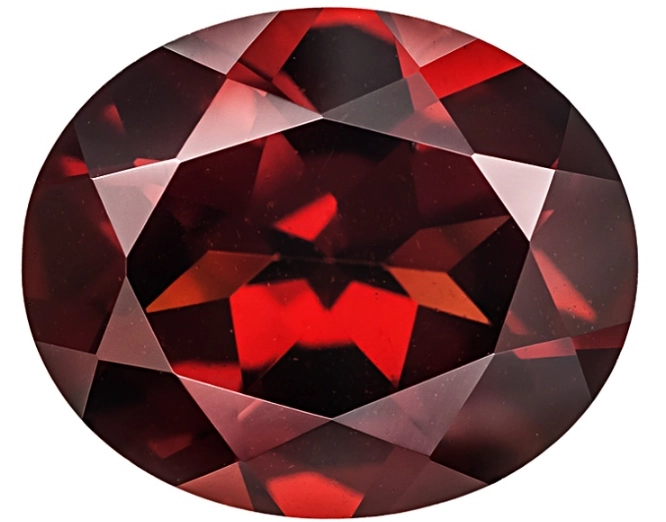
| January (Garnet) | 6.5 - 7.5 | Warm soapy water, soft brush. Rinse well. | Sudden temperature changes (thermal shock). | Generally durable. Some varieties are more sensitive. |
| February (Amethyst) | 7 | Warm soapy water, soft brush. Ultrasonic *usually* okay. | Prolonged sun exposure (can fade color). | A type of quartz. Fairly tough but can fade. |
| March (Aquamarine) | 7.5 - 8 | Warm soapy water, ultrasonic, steam. | Rough handling (can have inclusions). | Very good durability. A great "first stone" to clean. |
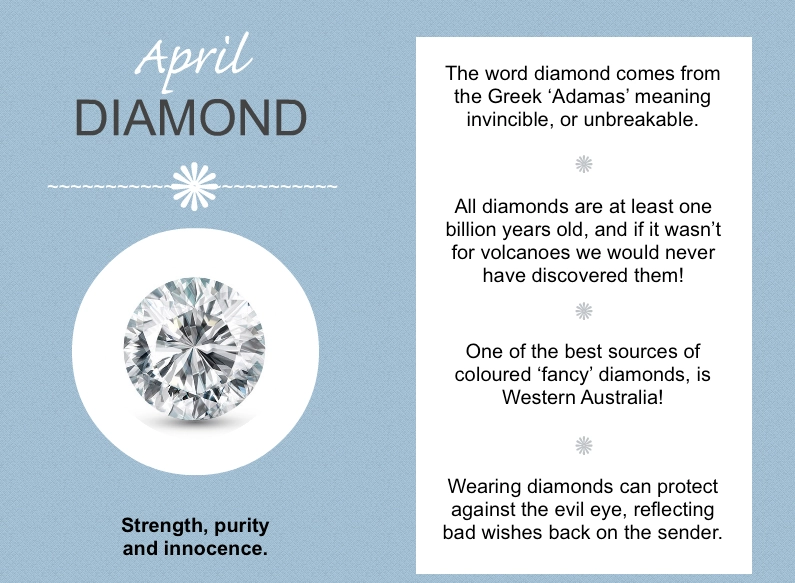
| April (Diamond) | 10 | Almost anything: ultrasonic, steam, ammonia-based solutions. | Letting grease build up (dulls sparkle). | Check setting. Ultrasonic can loosen stones in old/weak settings. |
| May (Emerald) | 7.5 - 8 | Lukewarm water, *very* soft brush, pat dry immediately. | Ultrasonic, steam, heat, chemicals, soaks. | Often oiled & fractured. The poster child for gentle cleaning. |
| June (Pearl) | 2.5 - 4.5 | Wipe with damp, soft cloth after wearing. Mild soapy water only if needed. | Ultrasonic, chemicals, soaks, abrasives. | Organic & porous. Clean last, put on last. GIA's pearl care guide is essential. |
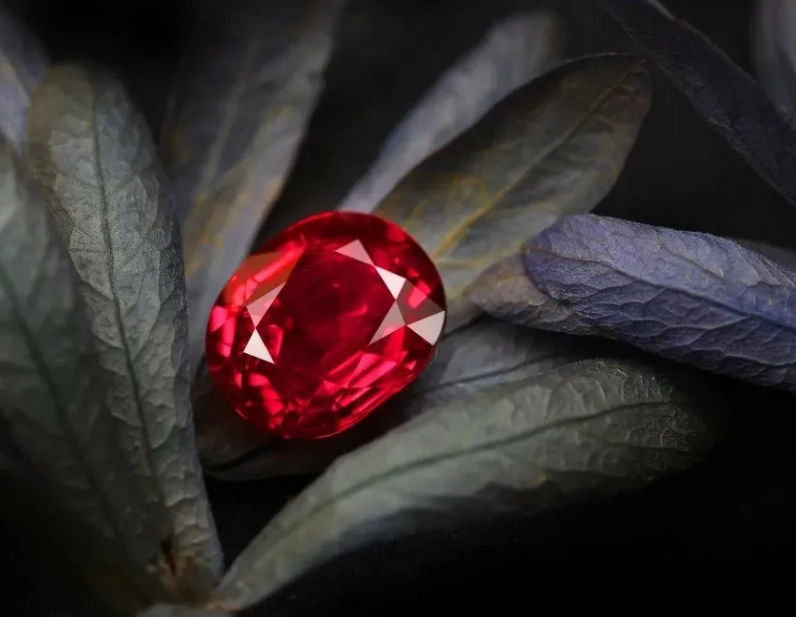
| July (Ruby) | 9 | Warm soapy water, ultrasonic, steam. | Very high heat (can affect treatment). | Extremely durable. One of the safest to clean. |
| August (Peridot) | 6.5 - 7 | Warm soapy water, soft brush. Rinse thoroughly. | Ultrasonic (can be risky), acid (even citrus juice). | Softer, can scratch. Sensitive to acids. |
| September (Sapphire) | 9 | Warm soapy water, ultrasonic, steam. | Very high heat (can affect treatment). | Extremely durable, like ruby. |
| October (Opal) | 5.5 - 6.5 | Wipe with damp, soft cloth. Mild soap only for severe dirt. | Ultrasonic, soaks, heat, dryness, chemicals. | Porous & contains water. Can crack from temp changes or drying out. |
| November (Topaz) | 8 | Warm soapy water, ultrasonic (usually). | Sudden temperature changes (thermal shock). | Durable but some varieties are treated. Can cleave if hit hard. |
| December (Turquoise) | 5 - 6 | Wipe with dry, soft cloth. For grime, barely damp cloth, dry immediately. | Water, soaps, chemicals, ultrasonic, steam. | Very porous & often treated/waxed. Water ruins color & stability. |
See what I mean? Turquoise and opal cleaning is a totally different beast from sapphire or diamond cleaning. That table is a lifesaver, but it's a starting point. Your specific piece might have other things going on.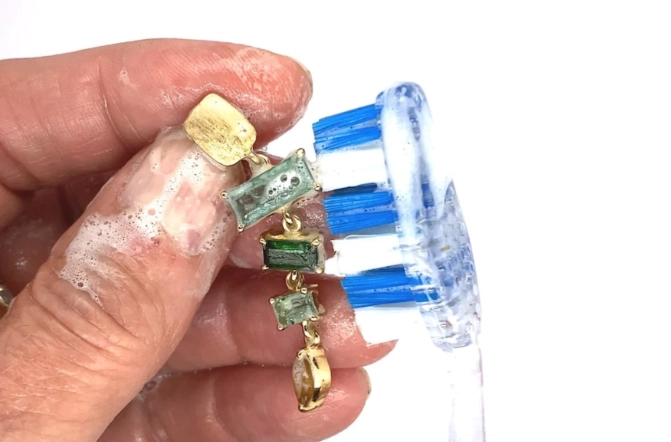
The Step-by-Step, Can't-Go-Wrong Home Birthstone Cleaning Method
For most durable, non-porous stones (think: sapphire, ruby, diamond, aquamarine, garnet), this is your gold-standard, safe home birthstone cleaning routine. It's boring, but it works.
Step 1: The Pre-Clean Inspection. Get a magnifying glass if you have one. Look closely at the stone. Are there any cracks, chips, or loose stones? Does the setting look worn? If yes, DO NOT CLEAN. Take it to a jeweler. Cleaning can worsen damage or dislodge a stone right down your drain. I check my grandmother's old ring every single time.
Step 2: The Gentle Bath. Find a small bowl. Not the kitchen sink with the garbage disposal—that's asking for tragedy. Use lukewarm water (not hot, not cold) and a few drops of mild, phosphate-free dish soap. Dawn original is a jeweler's favorite for a reason; it cuts grease gently. Swirl to make suds.
Step 3: The Soak (For Durable Stones Only!). Place your jewelry in the soapy water. Let it sit for 15-20 minutes. This loosens dirt and oils. If you have a pearl, opal, emerald, or turquoise piece, skip this soak entirely. Just move to a gentle wipe.
Step 4: The Soft Touch. Use a super soft-bristled brush. A baby toothbrush, a dedicated makeup brush, or a special jewelry brush is perfect. Gently scrub the stone and setting. Pay attention to the back of the stone (the pavilion), where grime loves to hide. Use gentle, circular motions. No scrubbing like you're cleaning a burnt pot.
Step 5: The Rinse. This is crucial. Place the jewelry under a gentle stream of lukewarm water. Again, plug the drain or use a small strainer. You want to rinse away all soap residue, which can attract more dirt later.
Step 6: The Dry. Pat the piece gently with a soft, lint-free cloth (microfiber is great). For intricate settings, use a hairdryer on the cool setting from a distance, or just let it air dry completely on a towel. Make sure it's 100% dry before storing it.
Common Birthstone Cleaning Mistakes (And How to Avoid Them)
We've all heard weird "hacks." Let's debunk the dangerous ones.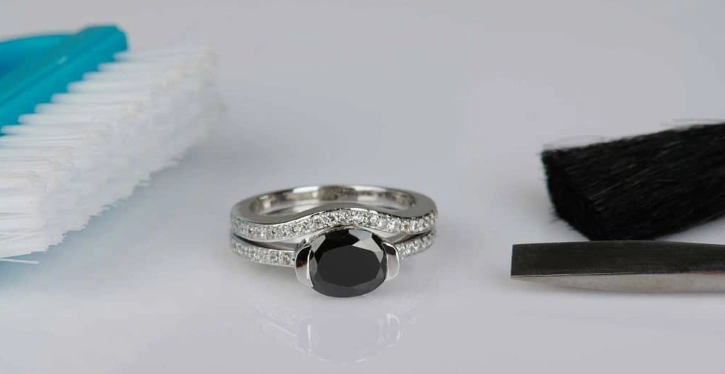
The Ultrasonic Cleaner Trap: These little sonic boxes are amazing... for the right stones. They use high-frequency sound waves to shake dirt loose. For a solid diamond in a strong setting, it's a dream. For a fractured emerald, a layered opal, or a pearl, it's a death sentence. The vibrations can shake apart delicate structures. Never use one on porous, treated, or fragile stones. When in doubt, leave it out.
Toothpaste & Baking Soda: Just don't. These are abrasives. They might clean your silver plate, but they will microscopically scratch the surface of your gemstones, especially softer ones, permanently dulling them. It's a slow ruin. I tried it on a peridot ring years ago and it left tiny scuffs I can still see under a loupe.
Boiling Water or Extreme Heat: Dunking a cold ring into boiling water can cause "thermal shock," making some stones crack instantly. It can also loosen glue in cluster settings or damage treatments. Lukewarm is your friend.
Harsh Household Chemicals: Bleach, ammonia (except on durable stones like diamonds), Windex, vinegar, chlorine. These can corrode metals, damage plating (like rhodium on white gold), and etch or discolor stones. Your birthstone cleaning should never involve products from under the kitchen sink.
Not Rinsing Enough: Soap film left behind acts like a magnet for dust and lint, making your stone look dirty again faster. A thorough rinse is non-negotiable.
Your Birthstone Cleaning Questions, Answered
Can I use rubbing alcohol to clean my birthstone?
For hard, non-porous stones like diamond, sapphire, or ruby, a quick swipe with a cloth dampened with isopropyl alcohol can remove stubborn grease and evaporate without residue. It's a trick some jewelers use. But for porous stones (opal, emerald, turquoise, pearl) or treated stones, alcohol can be drying, can interact with treatments, or be absorbed. I'd avoid it unless you're sure of your stone's stability.
How often should I clean my birthstone jewelry?
It depends on how often you wear it. A ring you wear daily? A light clean every two weeks keeps grime from building up. A special occasion pendant? Clean it before you store it away after wearing. The key is regular, gentle maintenance rather than letting it get so dirty you need an aggressive clean. Consistent, proper birthstone cleaning is better than sporadic, harsh cleaning.
What's the best way to clean a birthstone ring with multiple small stones?
Extra caution zone. Soak (if stones allow) to loosen dirt. Use a very soft brush, and consider a wooden toothpick to gently dislodge gunk from around the tiny prongs. Rinse even more carefully—small stones pop out easier. A pressurized steam cleaner can be good for these if all stones are durable, but I usually stick to the manual brush method for control.
My stone is in a closed-back setting. How do I clean it?
Ah, the dirt trap. Water and soap can get trapped behind the stone and never fully dry, leading to a murky look or metal corrosion. Avoid soaking. Use a damp cloth to wipe the exposed top and a dry, soft brush (like a makeup brush) to dust around the setting. Sometimes, a blast of cool air from a hair dryer can help dislodge loose dust. These are high-maintenance pieces.
Can sunlight or moonwater charge/clean my crystal birthstones?
This is more metaphysical care than physical cleaning. For physical grime, no, sunlight and water won't clean it. Be careful: prolonged direct sunlight can fade many stones (amethyst, topaz, some sapphires). And as for moonwater—if you mean leaving it in water overnight—please refer to the porosity section. An opal or turquoise left in water overnight could be seriously damaged. Believe what you like for energy, but for physical care, stick to the practical guide.
When to Skip the DIY and Go to a Professional
Even with the best guide, some jobs need an expert. Here’s when to pack up your jewelry and visit a jeweler.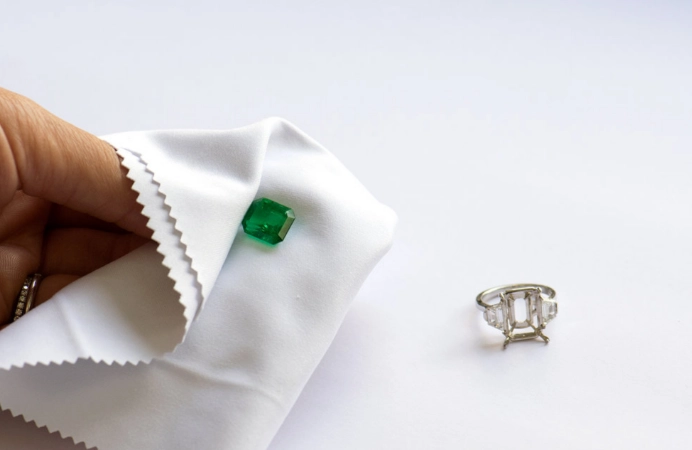
- You see damage: Cracks, deep scratches, loose stones, worn prongs.
- The piece is very valuable or antique: The stakes are too high for experimentation.
- It's incredibly dirty and you don't know its history: A pro has the tools and expertise to assess and clean safely.
- You want a thorough inspection and cleaning: Most jewelers offer this service for a reasonable fee. They have professional-grade ultrasonic cleaners, steamers, and specialized solutions for different stones and metals. They can also check and tighten your setting, which is a critical part of care that home birthstone cleaning can't address.
Think of it like a dental cleaning. You brush and floss at home (DIY cleaning), but you still need a professional cleaning and check-up once in a while (the jeweler).
After the Clean: How to Store Your Birthstones
Cleaning is half the battle. Storing them wrong can undo all your work. Don't just toss everything in a jumbled box. That's how scratches happen.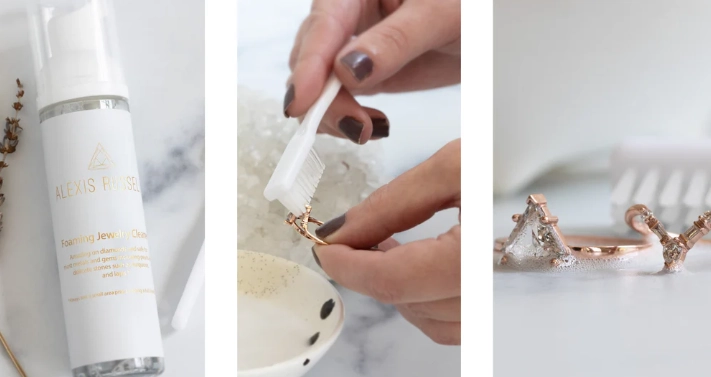
Keep pieces separate. Use a fabric-lined box with individual compartments, soft pouches, or even just wrap them separately in soft tissue paper. The goal is to stop them from knocking into each other. Harder stones can scratch softer ones. A diamond will absolutely scratch an opal if they're loose together.
Keep them away from heat sources, humidity, and direct sunlight. A dresser drawer is better than a windowsill. For silver pieces, consider anti-tarnish strips in the storage box.
Look, I know this seems like a lot. When I started, I was overwhelmed too. But once you learn the basic personality of your stone—is it hard? is it porous?—the whole birthstone cleaning process becomes simple, even relaxing. It's a way to connect with your jewelry, to appreciate its details, and to ensure it lasts for generations.
Start with the gentle soapy water and soft brush method on a durable piece. Gain confidence. Refer to the table. Ask questions. Your birthstones are a personal celebration. Cleaning them properly is how you honor that and keep their sparkle alive, truly.