I've always been fascinated by the idea that a color tied to my birth month could mean something. Is it just marketing, or is there a deeper story? After years of talking to jewelers and gemologists, I realized most people get this wrong. They buy a birthstone piece because it's their month, but they have no clue what the color is trying to say. The meaning isn't in the month—it's in the color itself. That deep red of a garnet, that tranquil blue of an aquamarine, those colors have carried specific messages for centuries, long before they were assigned to modern calendars. Let's cut through the fluff and talk about what these colors really symbolize and how you can use that knowledge.
What’s Inside This Guide
Where the Color Meanings Really Came From
Linking stones to months started with the Breastplate of Aaron in the Bible—twelve stones for the twelve tribes. But the specific list we use today? That was standardized by the American National Association of Jewelers in 1912, mainly for, well, selling jewelry. The real magic is older. Much older.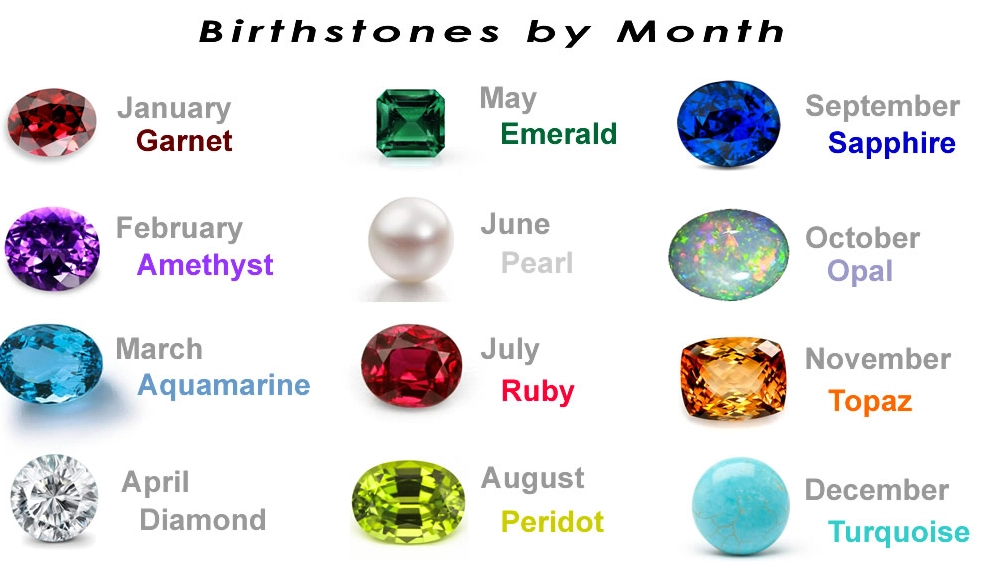
The meanings of colors come from ancient symbolism, alchemy, and cultural beliefs across India, Greece, and the Middle East. Red was always life, blood, and passion. Blue was the sky and the divine, representing truth and calm. Green was the color of nature, growth, and renewal. These associations were then glued onto the gemstones that naturally displayed those colors.
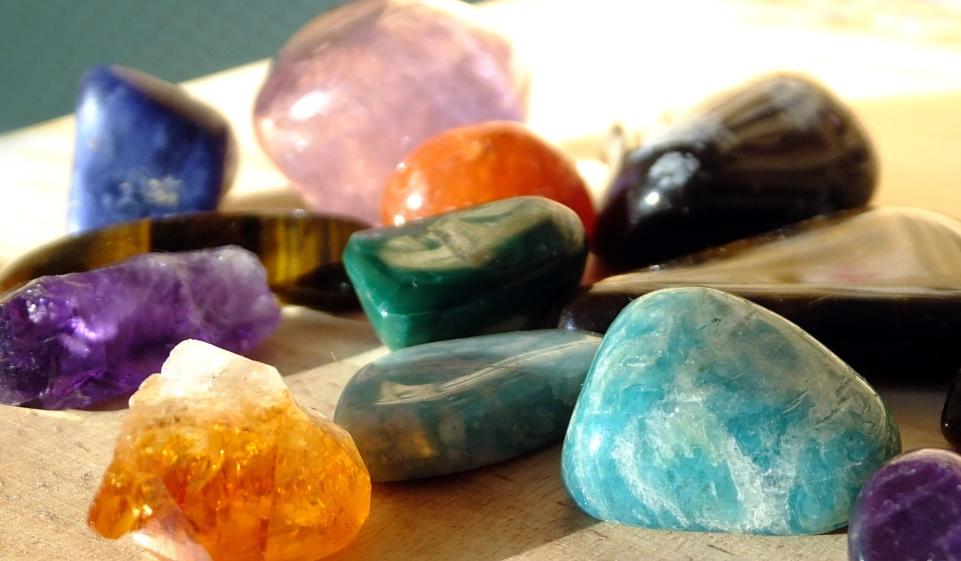
Here's the key point everyone misses: the color came first, the monthly assignment came later. So when you learn about garnet meaning, you're really learning about the symbolism of the color red, as expressed through that particular stone.
The Deeper Meaning Behind Each Birthstone Color
Let's break it down month by month, focusing on the primary color story. Remember, some months have multiple stones (like June with pearl, alexandrite, and moonstone), so I'm focusing on the most iconic color association.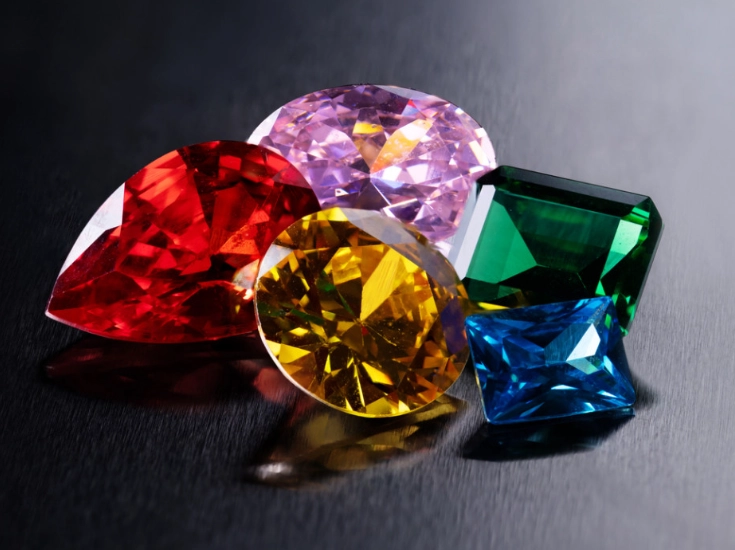
| Month | Primary Birthstone | Color & Shade | Core Color Meaning |
|---|---|---|---|
| January | Garnet | Deep Red | Passion, commitment, vitality, protection. A grounding energy that's more about enduring love than fleeting romance. |
| February | Amethyst | Violet Purple | Spirituality, peace, sobriety (literally believed to prevent intoxication). Connects the physical with the higher mind. |
| March | Aquamarine | Pale to Medium Blue | Calm, courage, clear communication. It's the color of serene seas and speaking your truth without fear. |
| April | Diamond | Clear/White | Purity, innocence, light, invincibility. It amplifies everything—energy, intention, love. |
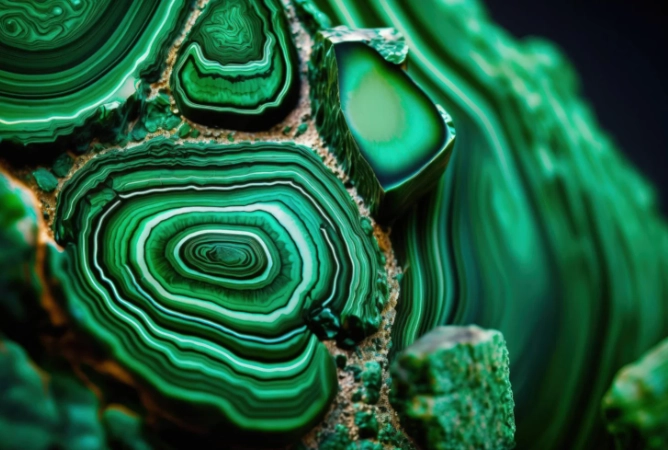
| May | Emerald | Vivid Green | Rebirth, abundance, loyalty, foresight. The ultimate color of growth and heart-centered wisdom. |
| June | Pearl / Alexandrite | White / Color-Changing | Purity (white), magic & balance (alexandrite's shift from green to red). |
| July | Ruby | Fiery Red | Nobility, passion, prosperity, vitality. The king of gems. A more intense, commanding red than garnet. |
| August | Peridot | Olive Green | Healing, protection from nightmares, prosperity. A warmer, friendlier green than emerald. |
| September | Sapphire | Royal Blue | Wisdom, loyalty, nobility, divine favor. Blue sapphire is about deep trust and spiritual insight. |
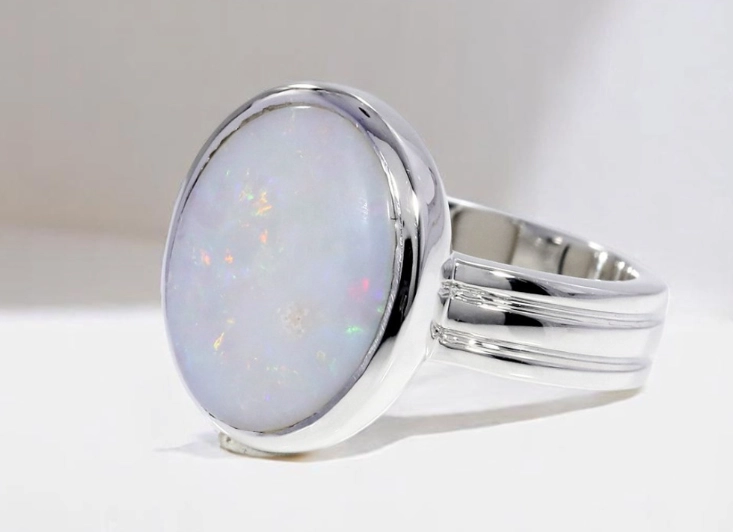
| October | Opal / Tourmaline | Play-of-Color / Pink | Creativity, hope (opal's fire), compassion & love (pink tourmaline). |
| November | Topaz / Citrine | Sunset Orange / Yellow | Warmth, joy, success, personal power. The color of sunshine and mental clarity. |
| December | Tanzanite / Turquoise / Zircon | Violet-Blue / Sky Blue | Transformation (tanzanite), healing & good fortune (turquoise). Blues that promote change and protection. |
Looking at that table, patterns jump out. The reds (Jan, Jul) are about power and life force. The blues (Mar, Sep, Dec variations) are about truth and calm. Greens (May, Aug) are about growth.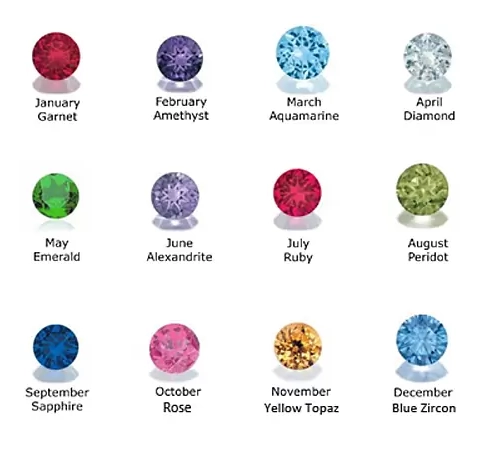
But here's an insight you won't find on every generic list: the shade and saturation matter. A light, almost icy blue aquamarine feels different from a deep, velvety blue sapphire. The first is about calming nerves before a speech. The second is about deep, unwavering loyalty in a marriage. Same color family, vastly different applications.
Applying Color Psychology to Birthstones
This isn't just mystical fluff. Color psychology is studied for a reason. We know blue environments can lower heart rates. Red can increase appetite and attention to detail.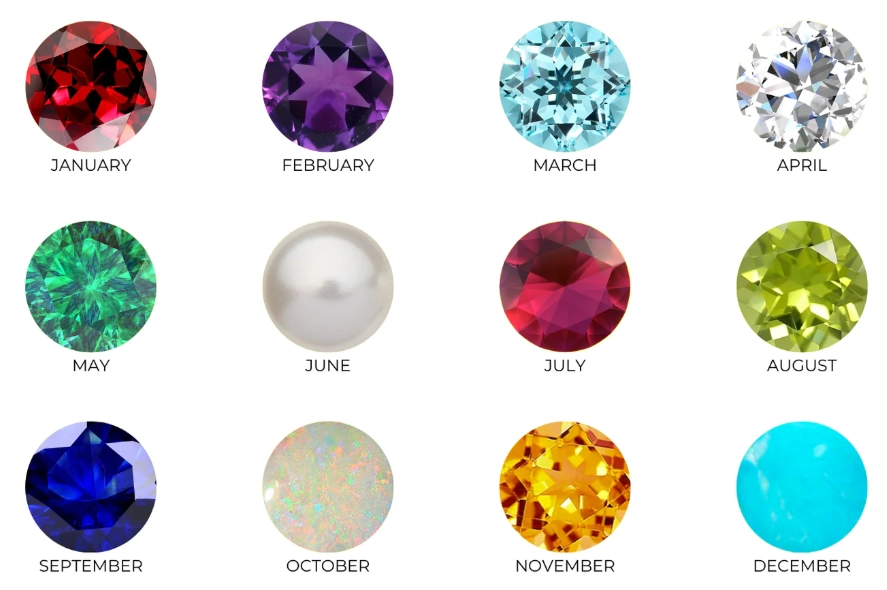
When you wear a birthstone color, you're subtly engaging with that psychology.
- Wearing a green emerald isn't just about "abundance"; it can be a visual reminder to grow in your career or nurture a relationship.
- A yellow citrine on your desk isn't just "for success"; its bright hue can literally boost your mood and mental focus during a long workday.
- Choosing a blue sapphire for an engagement ring taps into deep-seated associations of the color blue with trust and stability.
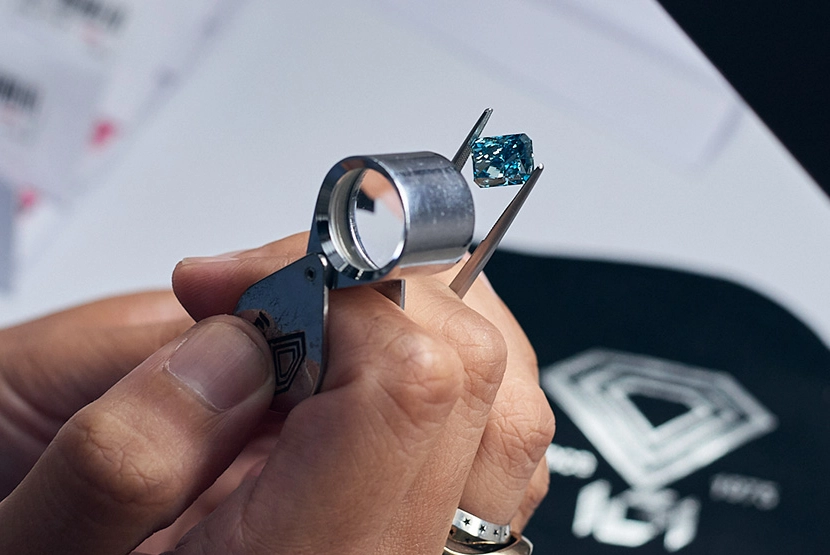
According to the Gemological Institute of America (GIA), color is the most critical factor in determining a gemstone's value and appeal. They grade color based on hue, tone, and saturation—the very qualities that carry the symbolic weight we're discussing.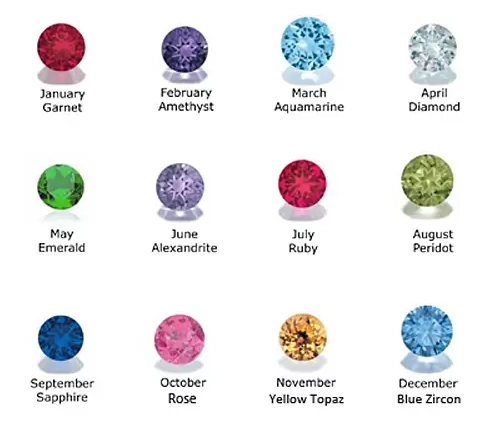
How to Choose the Right Birthstone Color for You
Forget the rulebook for a second. The biggest mistake I see? Someone gets a stone they dislike because it's "theirs," and it sits in a drawer. What a waste.
Here’s a better framework.
First, identify your need. Are you looking for comfort (pink, pale blue)? A boost of energy and confidence (red, orange)? Mental clarity and focus (yellow, clear)? A sense of peace and connection (green, violet)? Match the color meaning to your current life chapter, not just your birth certificate.
Second, consider the stone itself. If you love the meaning of blue but your birth month is April (diamond), guess what? Sapphire is a common alternative for April in some traditions. Or, just get a sapphire. It's your jewelry. Many jewelers, especially independent artisans, celebrate this personalized approach.
Third, think about the piece. A delicate, light-blue aquamarine pendant for everyday calm. A bold, red ruby ring for a power meeting. A soft, pink morganite (often associated with October) stone for a love token.
My grandmother never wore her assigned birthstone (peridot). She adored deep blue. She wore a sapphire pendant every single day because it made her feel serene and wise. That personal connection is everything.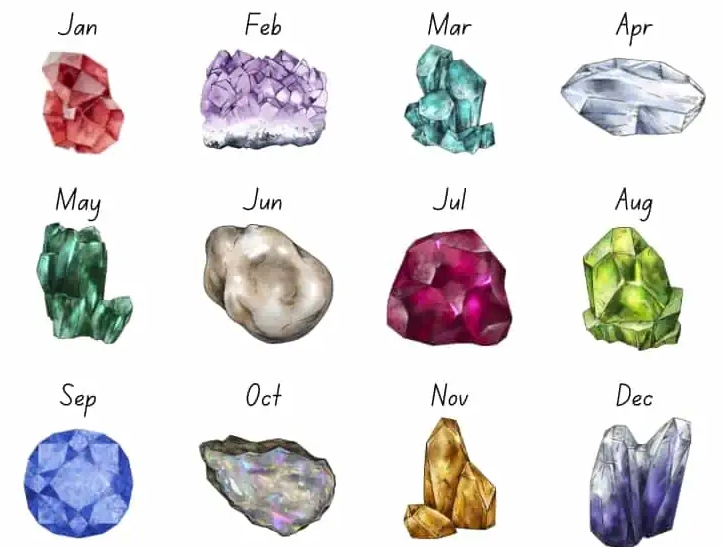
Your Birthstone Color Questions, Answered
Let's tackle the real questions people hesitate to ask.
Can I wear a birthstone color that's not my birth month?
Absolutely. Many people choose stones based on the color's meaning that resonates with their current goals or needs, rather than their birth month. For instance, someone seeking confidence might wear a red stone like garnet, regardless of their birthday. The personal connection to the color's symbolism is what matters most.
Which birthstone color is best for an engagement ring?
Durability is key for daily wear. While all colors have beautiful meanings, sapphire (blue, September) and diamond (clear/white, April) are top choices for their exceptional hardness. A deep blue sapphire symbolizes loyalty and wisdom, making it a profound choice beyond its classic beauty.
Do birthstone color meanings change if the stone is a different shade?
Subtly, yes. A light, pastel aquamarine (March) feels more about calm communication, while a deep blue aqua might lean into stronger themes of courage and truth. A pale pink morganite (an alternative for October) speaks of gentle love, whereas a vivid pink tourmaline feels more passionate. Always consider the intensity of the color.
What's the most common mistake people make when buying birthstone jewelry?
Focusing solely on the month and ignoring the actual color and stone. The official list has changed historically and has alternatives. For example, June's primary stones are pearl and alexandrite, but many choose moonstone for its color. Know the options for your month, then pick the stone and color whose meaning genuinely speaks to you or the recipient.
At the end of the day, these colors are a language. You can learn the traditional grammar (the monthly chart), but fluency comes from understanding the emotional vocabulary of each hue. Choose the color that speaks to you. That’s how a piece of jewelry stops being just an accessory and becomes a personal talisman.