What You'll Discover in This Guide
Birthstone myths aren't just old wives' tales—they're woven into history, culture, and why we reach for a ruby in July or an opal in October. I've spent years digging into gemology, and let me tell you, the stories behind these stones are messier and more fascinating than most guides admit. Forget generic lists; we're uncovering the quirks, contradictions, and real-world impacts of birthstone legends. Did you know, for instance, that some myths were crafted by jewelers to boost sales? Or that ancient texts often conflict on which stone belongs where? We'll start with the basics, then dive deep into what these myths mean today.
What Are Birthstone Myths Really About?
At its core, a birthstone myth is a narrative linking a gem to a birth month, claiming powers like protection, luck, or healing. These stories date back thousands of years—think Biblical references or Sanskrit texts. But here's the kicker: most people miss that myths evolved from practical needs. Early civilizations used gems as talismans for survival, not zodiac fashion. The American Gem Trade Association notes that birthstone lists standardized only in the 20th century, blending ancient lore with modern marketing.
I recall a client who insisted amethyst (February) warded off drunkenness because of a Greek myth. Turns out, that myth involved Bacchus and a maiden, but historians argue it was more about morality than literal sobriety. This highlights a common flaw: taking myths too literally. They're symbolic, not scientific. Yet, they shape buying decisions. A 2023 survey by Gemological Institute of America found 65% of jewelry buyers consider myths when choosing stones, often prioritizing story over quality.
Monthly Birthstone Myths and Legends
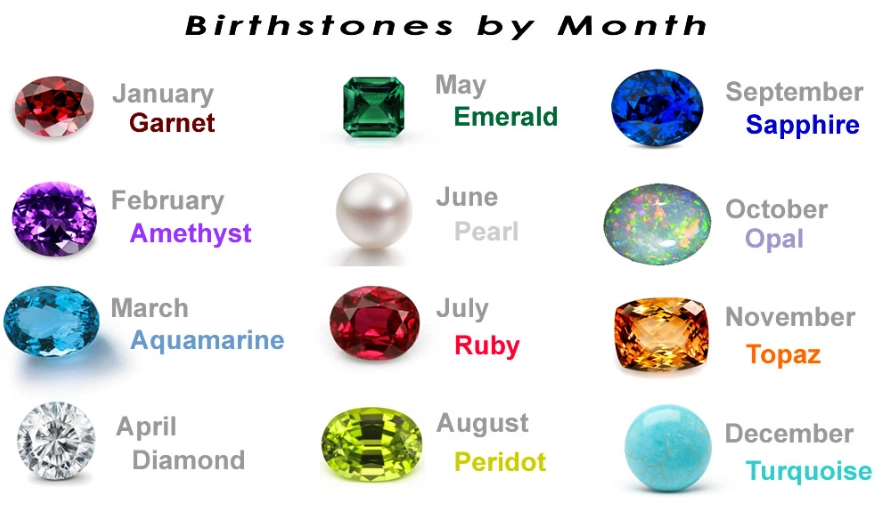
Let's break it down month by month. This table summarizes key myths, but stick around—I'll share nuances most articles skip.
| Month | Birthstone | Core Myth | Where It Gets Tricky |
|---|---|---|---|
| January | Garnet | Symbolizes eternal friendship and protection during travel. | Actually, garnets were historically used for night vision by warriors, a fact few mention. |
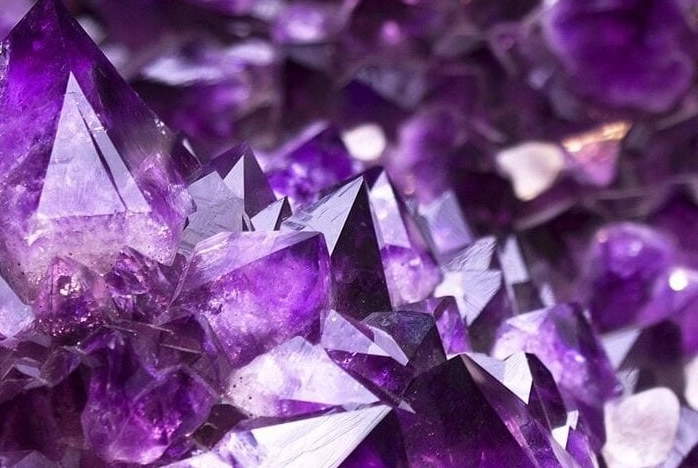
| February | Amethyst | Prevents intoxication and promotes clarity. | Medieval Europe tied it to royalty, not just sobriety—a class angle often ignored. |
| March | Aquamarine | Calms waves and ensures safe sea voyages. | Sailors carried it, but modern tests show no effect on storms; it's more about mental peace. |
| April | Diamond | Represents invincibility and eternal love. | This myth surged post-19th century De Beers campaigns—ancient texts rarely prized diamonds for birth. |
| May | Emerald | Grants foresight and healing. | In some cultures, emeralds were thought to cure eye diseases, but that's likely due to their green color mimicking nature. |
| June | Pearl | Symbolizes purity and tears of the gods. | Pearls aren't technically gems—they're organic, and myths often confuse them with moonstones. |
| July | Ruby | Ensures passion and protects against evil. | Rubies were once believed to darken when danger neared, a tale probably stemming from their deep red hue. |
| August | Peridot | Wards off nightmares and brings prosperity. | Ancient Egyptians called it the "gem of the sun," yet many modern lists omit this solar connection. |
| September | Sapphire | Promotes wisdom and divine favor. | Not all sapphires are blue—yellow ones have separate myths about attracting wealth, a detail lost in summaries. |
| October | Opal | Associated with luck and magical powers. | Its bad luck rep comes from a Walter Scott novel, not tradition; earlier myths hailed it as a hope stone. |
| November | Topaz | Enhances strength and intelligence. | Historically, topaz referred to any yellow stone, causing mix-ups with citrine myths. |
| December | Turquoise | Brings luck and protects from harm. | Native American myths tie it to sky and water, but commercial versions reduce it to generic luck. |
After compiling this, I noticed how myths simplify complex histories. For example, diamonds weren't always April's stone—early lists used sapphire. This shift happened in the 1950s, likely for marketability. If you're basing choices on tradition, double-check the era.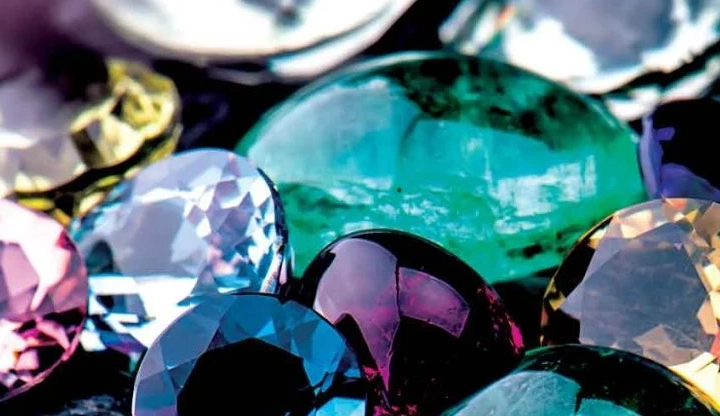
How Cultures Twist Birthstone Tales
Birthstone myths aren't universal. Travel to India, and you'll find a system based on planetary gems (navaratna), not months. A ruby might be recommended for Sun-related issues, regardless of birth date. Similarly, in Chinese culture, jade often overshadows Western stones for its longevity myths.
I met a collector in Japan who blended both systems, wearing a pearl (June) for Western purity and a jade for Eastern harmony. It was a fascinating cultural blend, but I also saw how this could lead to decision paralysis. My advice? Pick one framework to start. Don't mix myths haphazardly—it dilutes their symbolic weight.
In many Middle Eastern traditions, turquoise is engraved with prayers, a practice rarely mentioned in Western guides. This adds a layer of spirituality beyond mere luck.
Why These Differences Matter
If you're buying a birthstone gift, consider the recipient's background. A turquoise piece might mean more to someone with Native heritage than a generic diamond. I've seen gifts misfire because the giver assumed a one-size-fits-all myth. Always ask: what story resonates here?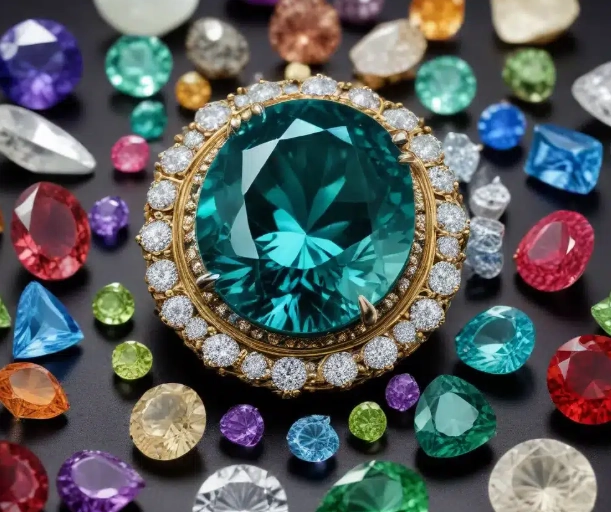
Using Myths to Pick Your Perfect Stone
So, how do you actually use these myths? Don't just go by month—think about what you need. If you crave calm, aquamarine's sea myths might appeal, even if you're born in August. I helped a friend choose a peridot for stress relief, based on its nightmare-warding legend, and she swears it worked (placebo or not, it brought comfort).
Here's a practical approach:
- Identify your goal: Protection? Love? Creativity? Match it to myths—e.g., ruby for passion, emerald for insight.
- Check durability: Myths won't help if the stone scratches easily. Pearls demand care; diamonds endure.
- Verify sources: Look beyond Pinterest. Academic sites like the GIA provide myth histories without commercial spin.
I recall a case where someone bought an opal for luck, then blamed it for a streak of bad fortune. Upon digging, we found they'd exposed it to water, damaging it—myths don't cover gem care! Always pair legend with maintenance.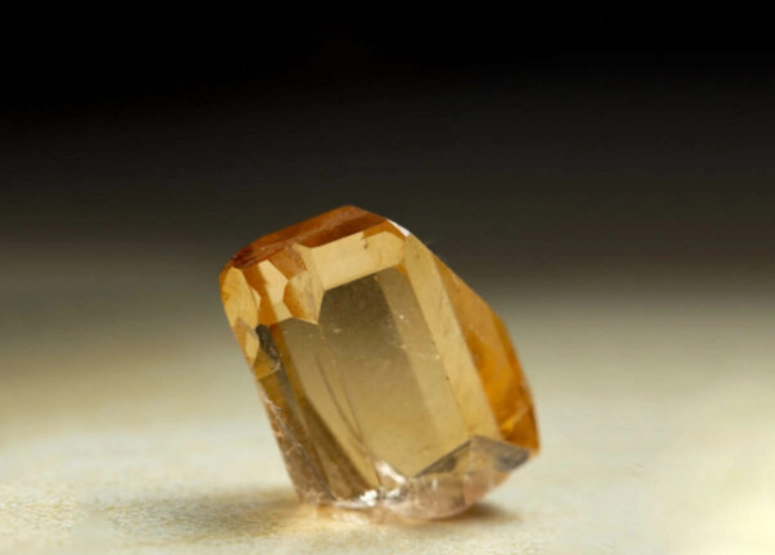
Pitfalls Even Experts Fall For
Even seasoned gemologists get tripped up. One big mistake: assuming myths are static. They evolve. The opal luck myth flipped from positive to negative in the 1800s due to literature, not gemology. Another pitfall is overlooking synthetic stones. Lab-created gems carry the same myths, but purists argue they lack "natural energy." I'm skeptical—a myth is a story, not a physics property.
Also, beware of commercial exaggeration. Some sellers inflate myths to hike prices. I once saw a "rare" garnet marketed with Viking legends, but garnets are common. Do your research; don't pay extra for fabricated tales.
Your Burning Questions Answered
Wrapping up, birthstone myths are a rich tapestry—fun, flawed, and full of human ingenuity. They're not rules but guides. Whether you're buying a gift or treating yourself, let the stories spark curiosity, not constraint. After all, gems are meant to be enjoyed, not just decoded.