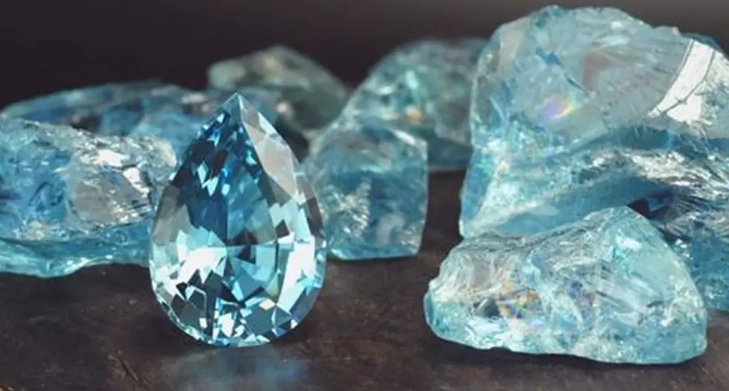
That little gem assigned to your birth month? It's so much more than a color on a chart. I've been working with gems for over a decade, and the most common question I get isn't about carat weight or clarity—it's "What does my birthstone mean?" People sense there's a story there. And they're right. Birthstone legends are a tangled, beautiful web of history, superstition, marketing, and genuine human belief. They connect us to ancient travelers, medieval healers, and our own personal narratives. Let's untangle that web.
Your Quick Guide to Birthstone Lore
From Breastplate to Birthday: How the List Was Made
It all starts—and this surprises many—with a fashion statement in the Bible. The Breastplate of Aaron, described in Exodus, featured twelve gems representing the tribes of Israel. Fast forward to 1st-century Judea, and the historian Josephus made a loose connection between these twelve stones and the twelve signs of the zodiac. The idea stuck.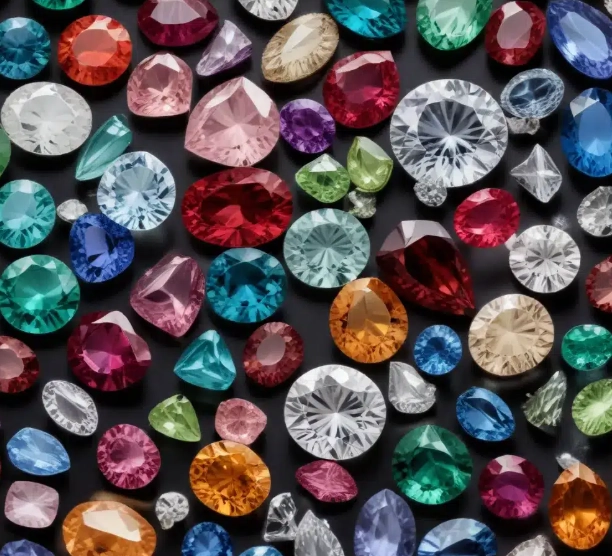
For centuries, people in various cultures wore all twelve stones as a set, rotating them monthly to tap into their changing celestial powers. It was about astrology, not birthdays. The big shift happened in 18th-century Poland, where Jewish gem traders began promoting the idea of wearing a single stone corresponding to your birth month for lifelong luck. The concept was practical, marketable, and took off.
Here's the twist most articles miss: The modern "official" list from the American Gem Trade Association and Jewelers of America? It's just that—modern. Finalized in 1912, it's a compromise. It standardized a chaotic market but also sidelined centuries of regional tradition. For example, in 15th-century Europe, your "birthstone" was often determined by your zodiac sign, leading to multiple stones per month. The modern list is a useful guide, not an ancient decree.
So when you look at your birthstone, you're looking at a symbol that's evolved from tribal identity to cosmic talisman to personal emblem. That's a pretty rich history for a little piece of crystallized carbon or mineral.
A Stone-by-Stone Breakdown of Myths and Meanings
Let's get specific. The legends aren't just generic "good luck" charms. Each stone carries a personality forged from specific fears, hopes, and observations of the natural world.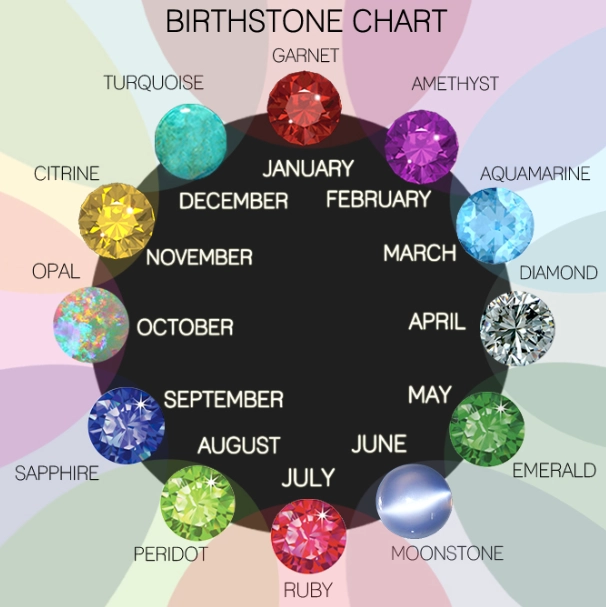
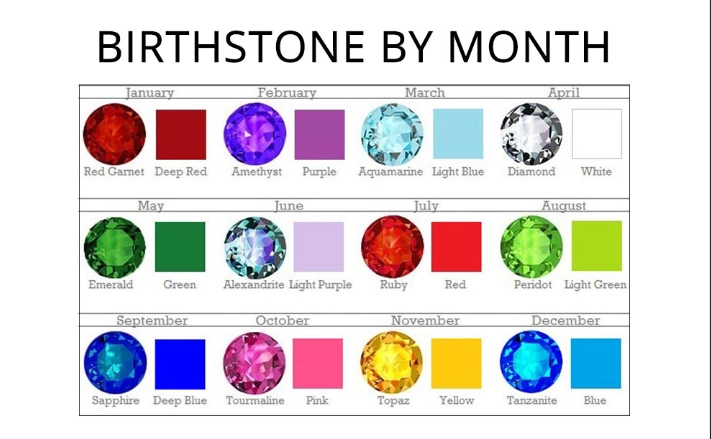
| Month | Modern Stone(s) | Core Legend/Themes | A Practical Note |
|---|---|---|---|
| January | Garnet | Ancient talisman for safe travel; symbolized eternal friendship and trust. Egyptians buried it with the dead. | Its deep red looks richer in candlelight than under LEDs. Perfect for evening wear. |
| February | Amethyst | Greek "a-methystos" (not intoxicated); believed to prevent drunkenness and promote clear thinking. | Color can fade in direct, prolonged sunlight. Don't leave it on a sunny windowsill. |
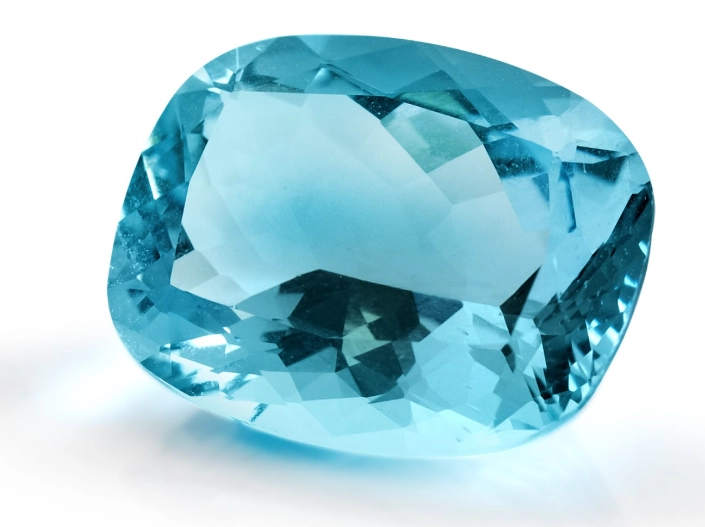
| March | Aquamarine, Bloodstone | Aquamarine: Sailor's stone, calming seas. Bloodstone: Medieval "heliotrope," believed to stanch blood flow. | Aquamarine's serene blue is often enhanced by heat treatment—a standard, accepted practice. |
| April | Diamond | Ancient Romans believed they were splinters of fallen stars; ultimate symbol of invincibility and eternal love. | The "eternity" myth is powerful marketing. Consider lab-grown for identical brilliance and ethics. |
| May | Emerald | Sacred to Venus; thought to reveal truthfulness in lovers. Inca deity Umina was embodied in a giant emerald. | Almost all emeralds have inclusions ("jardin"). If it's flawless and cheap, it's likely glass or synthetic. |
| June | Pearl, Alexandrite, Moonstone | Pearl: Purity, lunar magic. Alexandrite: Russian imperial stone, color-change magic. Moonstone: Sacred in India. | Pearls are soft. Perfume, hairspray, and sweat damage them. Put them on last, take them off first. |
| July | Ruby | In Sanskrit, "ratnaraj" (king of gems). Believed to hold a perpetual inner flame, guaranteeing vitality. | Heat treatment to improve color is near-universal. A natural, untreated ruby with vivid color is exceptionally rare and priced accordingly. |
| August | Peridot, Spinel | Peridot: "Evening emerald," volcanic birth. Spinel: The "great imposter" often mistaken for ruby in crown jewels. | Spinel is a fantastic, often more affordable alternative to ruby or sapphire, with incredible brilliance. |
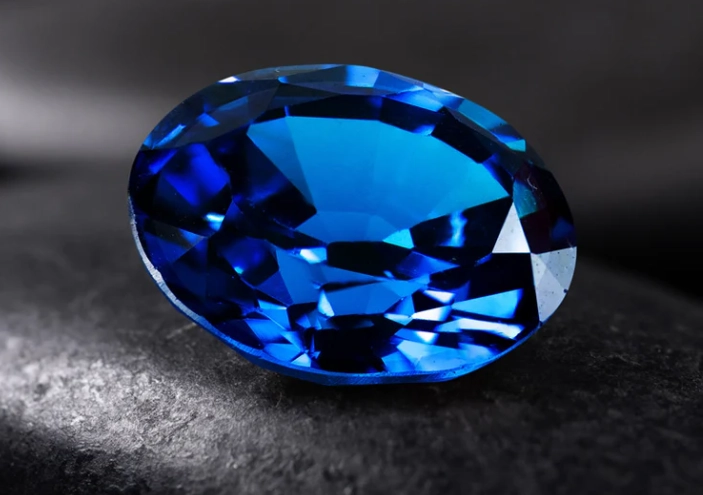
| September | Sapphire | Medieval clergy wore it for heavenly connection; symbolized wisdom, purity, and protection from envy. | Sapphires come in every color but red (that's ruby). Padparadscha (salmon pink) is a collector's dream. |
| October | Opal, Tourmaline | Opal: Once symbolized hope and purity, later got an unlucky rap from a novel. Tourmaline: Grounding, comes in rainbow colors. | Opal contains water. Sudden temperature changes or extreme dryness can cause cracking. Wear it often. |
| November | Topaz, Citrine | Topaz: Ancient Greeks thought it granted strength. Citrine: "Merchant's stone," believed to attract wealth. | Most "citrine" on the market is heat-treated amethyst. Natural citrine is paler, like lemon quartz. |
| December | Tanzanite, Turquoise, Zircon | Turquoise: Universal protector across Native American, Persian, Tibetan cultures. Tanzanite: Modern discovery (1967). | Turquoise is porous. It can be damaged by cosmetics and oils. Tanzanite is relatively soft; avoid ultrasonic cleaners. |
See what I mean? The story for garnet is about physical journey. For amethyst, it's about mental clarity. For opal, it's a rollercoaster of reputation. These aren't interchangeable.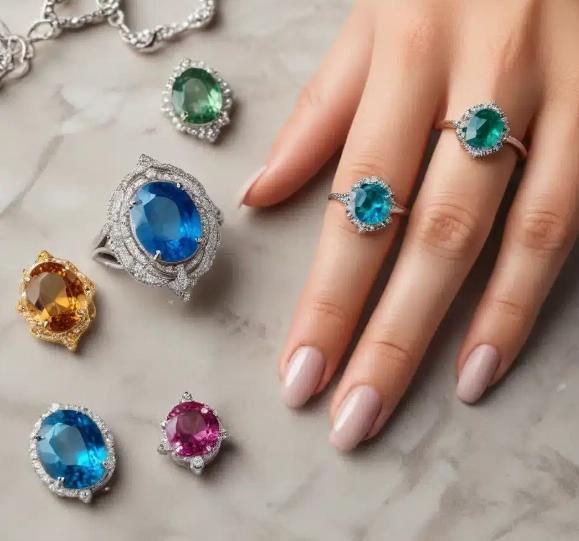
The Cultural Layer Most People Miss
Your Google search will give you the Western, modern list. But travel, or talk to an elder from a different tradition, and you'll find alternatives. In Hindu astrology (Jyotish), your primary gem is based on your planetary ruling sign, not your birth month, leading to a nine-stone system (Navaratna). Some Arabic traditions linked stones to lunar months. These systems aren't "wrong"; they're different threads in the same global tapestry of belief. Recognizing this adds depth to the practice.
Beyond Your Month: How to Choose Your Own Stone
Here's my expert take, after years of seeing what actually brings people joy: the calendar is a suggestion, not a rule. The most meaningful jewelry connects to a personal story.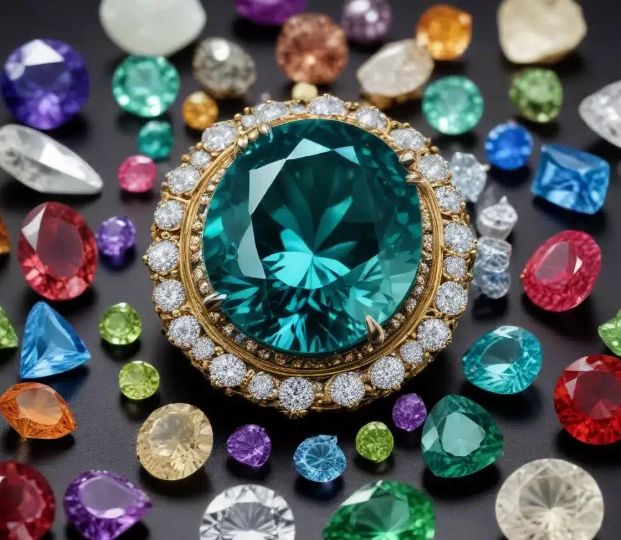
Maybe you love the ocean, so aquamarine (March) speaks to you more than your official August peridot. Perhaps you're drawn to the myth of the ruby's inner fire as you start a new career. That's valid. I've helped people choose stones for:
A milestone: A tanzanite for a 25th anniversary (found only in one place on Earth, symbolizing unique love).
A family tapestry: A necklace with the birthstones of children or grandparents.
A desired trait: Citrine for an entrepreneurial venture, tapping into that "merchant's stone" lore.
The process is simple. First, identify the connection (memory, trait, aesthetic love). Second, research the stones that match. Third—and this is critical—consider the lifestyle of the wearer. A soft opal or pearl ring isn't wise for a mechanic. A large, prong-set stone might snag on a nurse's scrubs. A simple bezel-set pendant might be perfect.
Don't get bogged down in "authentic power." The real power is the meaning you assign it. A stone becomes a touchstone for your own narrative.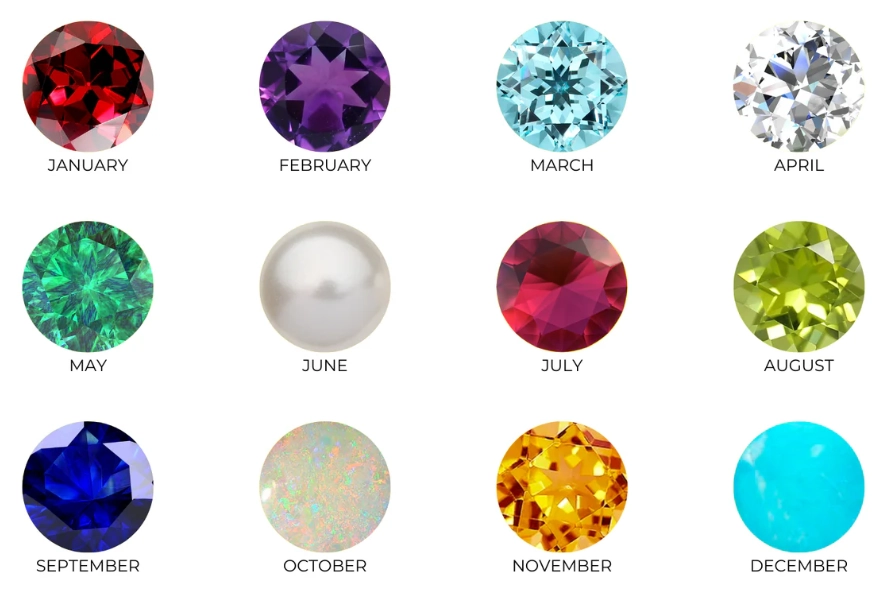
Your Birthstone Questions, Answered
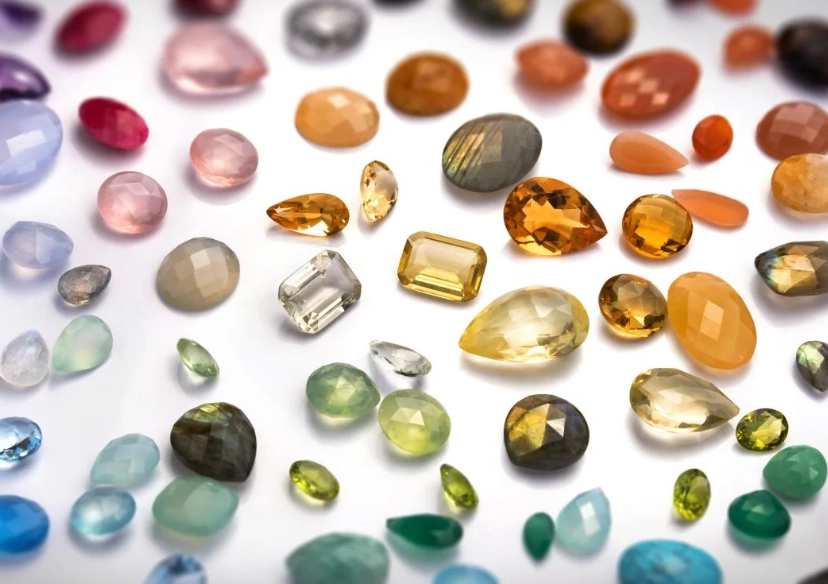
The legends give these gems their soul. But you give them their purpose. Whether you follow the modern calendar, an ancient astrological chart, or simply your own eye, the story that matters most is the one you're living. Choose the stone that speaks to that story.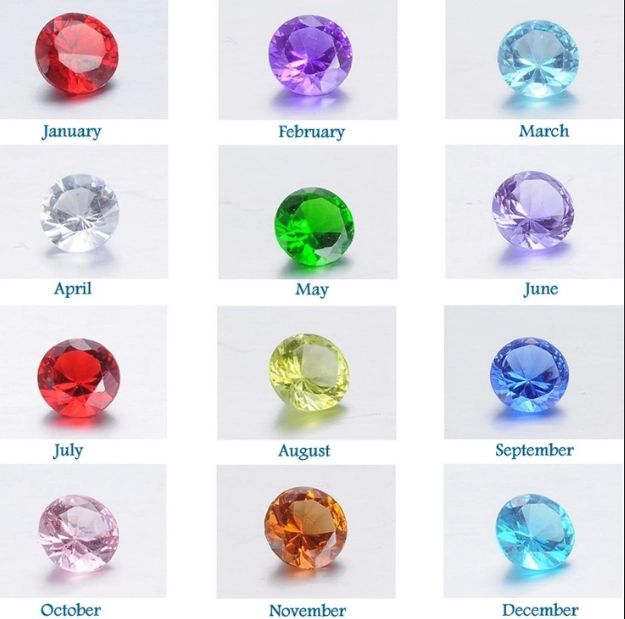
For further reading on gemological history, resources from institutions like the Gemological Institute of America (GIA) or the Smithsonian Institution offer authoritative depth beyond the legends.