What You'll Find Inside
Let's cut to the chase. You've probably seen those flashy ads for birthstone quizzes promising to reveal your "soul gem." Some are fun, others feel generic. I've been a gemologist for over ten years, and I've designed quizzes that actually help people connect with stones. This isn't about slapping a color on your birth month. It's about finding a gem that resonates with your daily life, your quirks, maybe even your wardrobe. I remember a client, Sarah, who hated her traditional birthstone (peridot for August) because it clashed with her cool-toned skin. A good quiz pointed her to sapphire alternatives, and now she wears a sapphire pendant every day. That's the goal here.
What Exactly Is a Birthstone Quiz?
A birthstone quiz is more than a random set of questions. At its core, it's a tool to match you with a gemstone based on factors beyond your birthday—like personality, lifestyle, and aesthetic preferences. Most quizzes online are too simplistic. They ask things like "What's your favorite color?" and call it a day. But a well-crafted one digs deeper. Think about it: if you're someone who works with their hands, a delicate emerald (May) might not be practical, no matter how much you love green. The quiz should surface that.
I once tried a popular quiz that labeled me as a "ruby person" because I said I was ambitious. Rubies are stunning, but I'm also a klutz who bumps into doors. A ruby's hardness is great, but the quiz ignored my accident-prone nature. That's a missed opportunity. A better quiz would balance symbolism with practicality.
Key Elements of a Quality Quiz
- Lifestyle Questions: Do you travel often? Work in an office? These affect gemstone durability.
- Personality Insights: Not just "are you outgoing?" but "how do you recharge?"—introverts might lean toward calming stones like aquamarine.
- Aesthetic Preferences: Metal color, jewelry style (minimalist vs. bold), even your typical outfit colors.
Many quizzes skip this and rely on outdated associations. It's frustrating.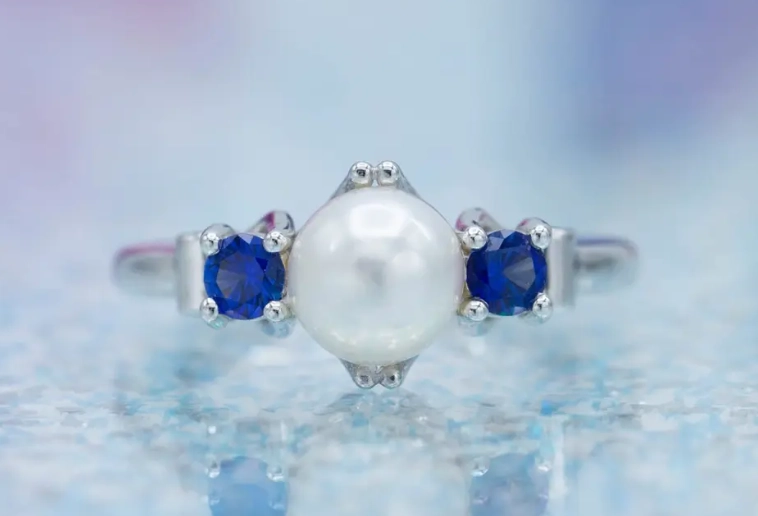
The Real History and Meaning Behind Birthstones
Before you take a quiz, understanding birthstone history adds depth. The modern list, endorsed by organizations like the American Gem Society, traces back to 1912 when jewelers standardized it. But origins go further—think biblical times, with Aaron's breastplate. Each stone had symbolic meaning, often tied to protection or health.
Here's a quick table of traditional birthstones, but with a twist: I've added a "modern vibe" based on my experience, not just textbook definitions.
| Month | Traditional Birthstone | Common Meaning | Modern Vibe (From My Work) |
|---|---|---|---|
| January | Garnet | Protection, friendship | For the loyal friend who remembers birthdays—durable, great for everyday rings. |
| June | Pearl | Purity, innocence | Often misunderstood; pearls suit calm, reflective people, but they require care. I've seen many get damaged in active lifestyles. |
| September | Sapphire | Wisdom, loyalty | Not just blue! Sapphires come in pinks and yellows, perfect for creative types who want durability. |
Notice how the modern vibe is practical? That's what a good quiz should incorporate. History is nice, but if a stone doesn't fit your life, you won't wear it. I've had clients inherit birthstone jewelry only to store it away because it's too fragile or flashy.
Another thing: many online sources repeat myths without context. For example, some say amethyst prevents drunkenness. In reality, it's more about promoting clarity—a subtle difference that quizzes often miss.
How to Take a Birthstone Quiz: A Step-by-Step Walkthrough
Let's walk through a hypothetical scenario. Meet Jane, a graphic designer born in April (diamond). She's taking a quiz to find a stone for a new necklace.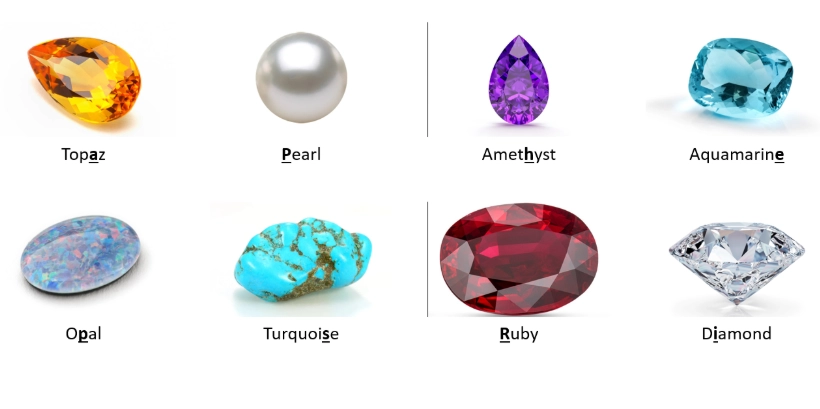
Jane's Scenario: She works from home, loves hiking on weekends, and prefers silver jewelry over gold. Her style is minimalist. She's taking our quiz to see if diamond truly fits.
Step 1: Find a Reputable Quiz. Look for ones that mention gemological sources, like those referencing the Gemological Institute of America (GIA). Avoid quizzes with only five questions—they're likely shallow. I recommend ones with at least 10-15 questions.
Step 2: Answer Honestly, Not Ideally. Jane might be tempted to say she's "adventurous" because it sounds cool, but in reality, she's cautious with her belongings. The quiz asks: "How do you handle valuable items?" She answers "I'm careful but not obsessive." This points to a stone with good hardness, like diamond or sapphire, but maybe not something too soft like opal.
Step 3: Review the Results Critically. Jane's quiz result suggests moissanite as an alternative to diamond. Why? Because it's durable, affordable, and suits her minimalist style. The quiz explains that moissanite has similar brilliance but is less traditional—perfect for her creative side. She learns something new, rather than just getting "diamond."
Step 4: Cross-Check with Traditional Knowledge. Jane compares the quiz result with her April birthstone. Diamonds are classic, but moissanite offers a modern twist. She decides to go for a moissanite pendant for daily wear and save diamond for special occasions. This blended approach is something I advocate for.
Most quizzes stop at step 3. Adding step 4 makes it actionable.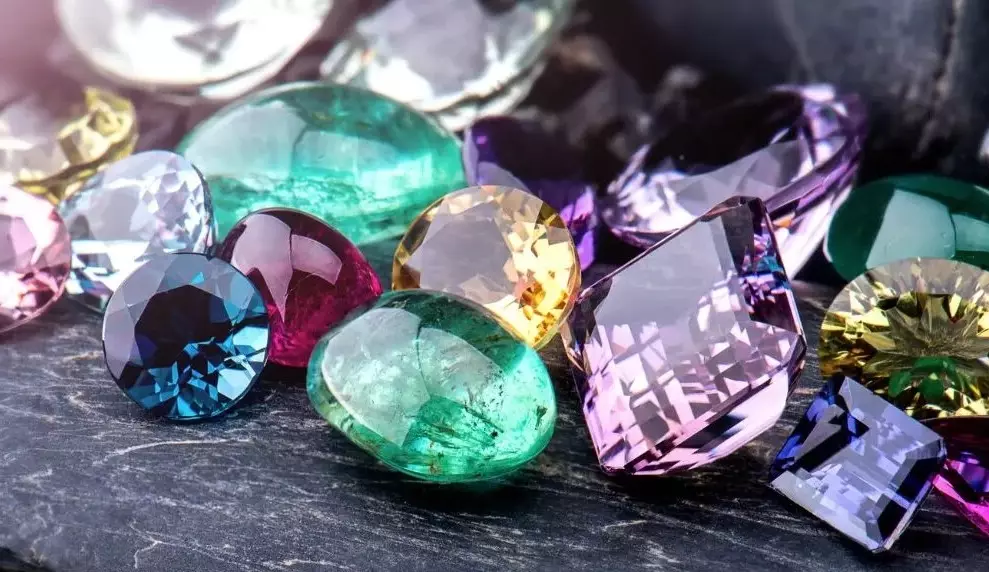
Common Mistakes in Birthstone Quizzes and How to Dodge Them
After years of reviewing quizzes, I've spotted patterns that lead people astray. Here are the big ones.
Mistake 1: Overemphasizing Color Psychology. Many quizzes assume if you love red, you're passionate and need a ruby. But color preference can be superficial. I've met people who adore blue but find sapphires too formal for their casual lifestyle. Instead, focus on questions like "What emotions do you want your jewelry to evoke?"—calm, energy, confidence.
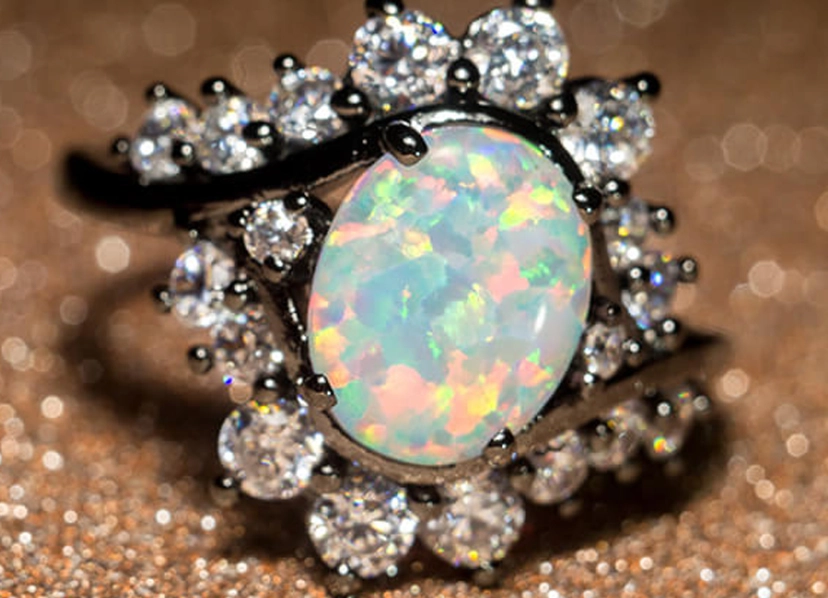
Mistake 2: Ignoring Gemstone Care. Quizzes rarely mention maintenance. Take opal (October): it's beautiful but can crack if exposed to dryness. If you live in a dry climate, a quiz should flag this. I once advised a client from Arizona to avoid opal despite her quiz result, suggesting quartz instead. She was grateful.
Mistake 3: Relying on Generic Personality Traits. Terms like "leader" or "dreamer" are too vague. A better quiz asks for specific habits. For example, "Do you frequently wash your hands?" might steer you away from porous stones like turquoise.
My tip: use quizzes as a conversation starter, not a final answer. Cross-reference with expert resources, like the GIA's gem encyclopedia, to verify stone properties.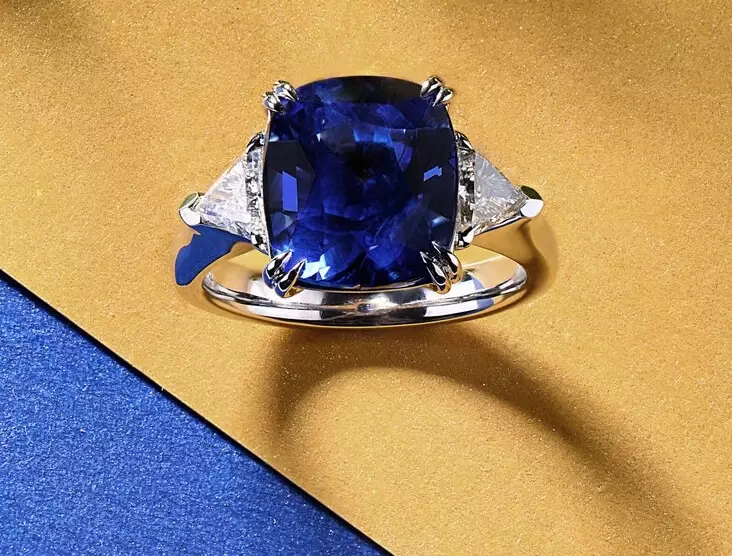
Beyond the Quiz: Using Your Birthstone in Everyday Jewelry
So you've got your quiz result. Now what? Let's talk integration. Your birthstone shouldn't just sit in a box.
For Daily Wear: Choose settings that protect the stone. Bezels are great for active folks. If your quiz pointed to a soft stone like pearl, consider earrings or pendants that face less impact. I've seen too many pearl rings get scratched.
Mixing Stones: Don't feel locked into one gem. If your quiz suggests aquamarine (March) but you love the look of garnet (January), blend them. Stackable rings or multi-stone necklaces are trendy and personal. A client of mine combined her quiz result (topaz) with her husband's birthstone in a bracelet—it meant more than any single stone.
Budget Considerations: Quizzes often ignore price. If your result is diamond but you're on a tight budget, alternatives like white sapphire or lab-grown options work. Mention this in the quiz feedback; good ones do.
I recall designing a piece for a teacher whose quiz suggested amethyst for its calming properties. We set it in a simple silver pendant she could wear daily without worrying about damage. She told me it became a touchstone during stressful days. That's the real value—making the stone part of your life.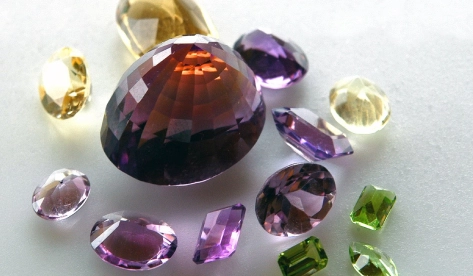
Your Burning Questions Answered
Wrapping up, a birthstone quiz is more than a fleeting internet trend. When done right, it bridges ancient symbolism with modern life. Don't just click through; engage with the questions, challenge the results, and most importantly, choose stones that you'll actually wear. Your gemstone should tell your story, not just your birth date. Now, go take that quiz—but keep this guide in mind.