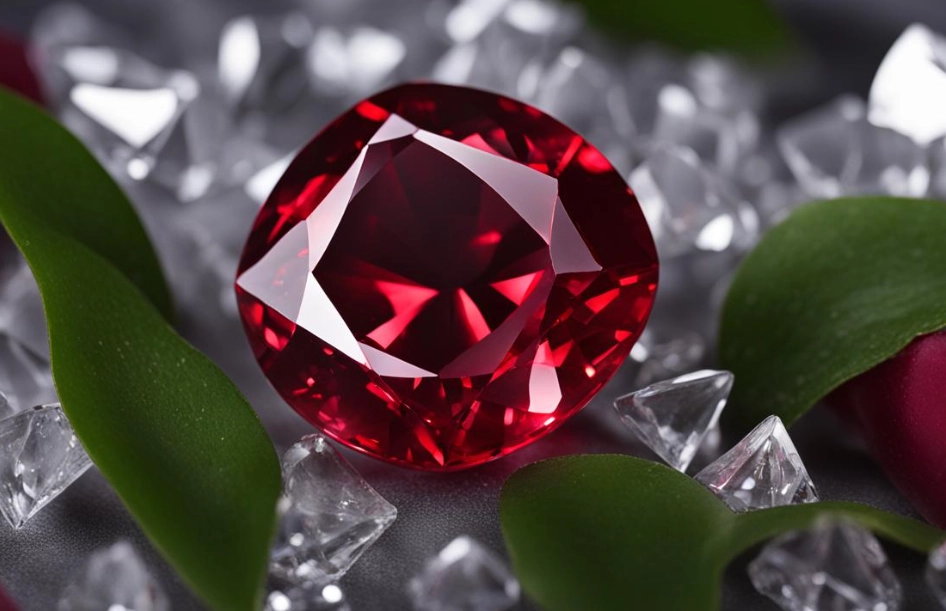
You found a gemstone in an old jewelry box, received one as a gift, or maybe you're just curious if the "sapphire" you bought online is the real deal. Birthstone identification isn't just for gemologists. With a systematic approach, you can get pretty close to figuring out what you have. This guide cuts through the fluff and gives you the steps a professional would take, starting with the basics you can do at your kitchen table.
I've handled thousands of stones over the years, from dusty flea market finds to high-end pieces. The most satisfying part is seeing someone's face light up when they realize the "pretty blue glass" they've had for years is actually a decent piece of aquamarine. Let's get you there.
What's Inside This Guide
What Exactly Is a Birthstone (Beyond the Month)?
Most people think a birthstone is just the gem assigned to their birth month. That's the tradition, sure. But for identification, you need to think of it as a specific mineral or material with a defined set of physical properties.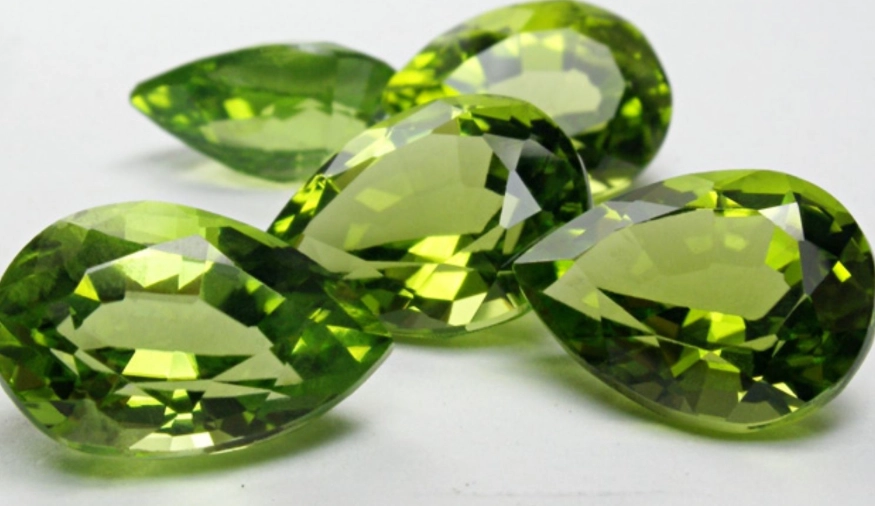
The official list from the American Gem Trade Association and Jewelers of America is the standard reference. But here's the twist many blogs don't mention: there are often multiple stones for one month. March has aquamarine and bloodstone. December has tanzanite, zircon, and turquoise. This immediately complicates identification—your blue December stone could be one of three very different things.
My first piece of advice: forget the month for a second. Look at the stone in front of you. Your goal is to identify the material. Once you know it's, say, a purple quartz, then you can match it to February (amethyst) and feel that personal connection.
Key Insight: The traditional birthstone list is a cultural and marketing framework. Gemology, the science of identifying gems, doesn't care about your birthday. It cares about hardness, refractive index, and chemical composition. Bridging these two worlds is the key to accurate birthstone identification.
The Step-by-Step Birthstone Identification Process
Don't try to guess the answer immediately. Work through a process of elimination. Start simple, free, and non-destructive. You'd be shocked how much you can learn before even touching a tool.
Stage 1: The Visual Inspection (Your Eyes and a Good Light)
Grab a bright LED flashlight or sit by a window. Natural light is best.
Color & Hue: Be precise. Is it royal blue or sky blue? Pale yellow or vivid gold? Note the primary color and any secondary tones. A May emerald is a distinct bluish-green, while a green tourmaline (October alternative) can be more olive or yellowish-green.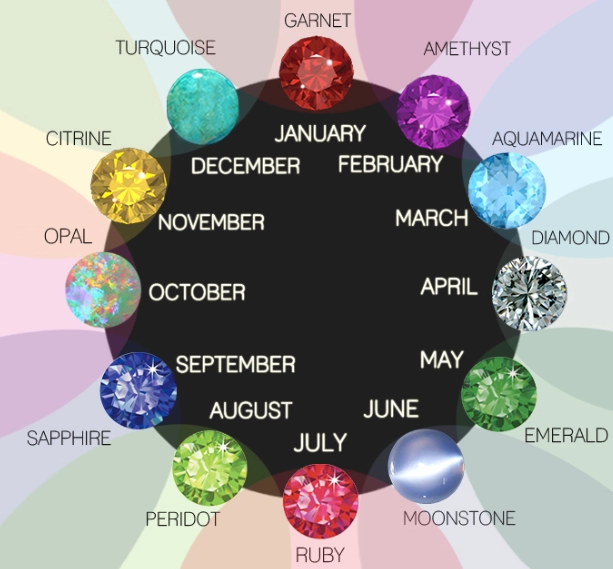
Clarity & Inclusions: Look closely. Are there tiny flaws, cracks, or specks inside? Most natural birthstones have them. Emeralds are famously included (they call it the "jardin" or garden). A perfectly flawless, deep red stone is more likely to be synthetic ruby or glass than a natural July ruby.
Luster: How does it reflect light? Is it glassy (vitreous), like quartz or topaz? Metallic, like hematite? Waxy, like turquoise or jade? This is a huge clue.
Transparency: Can you see through it clearly (transparent), vaguely (translucent), or not at all (opaque)? All December stones differ here: tanzanite is transparent, turquoise is opaque.
Stage 2: Simple Hands-On Tests
Now for some gentle interaction. Warning: Only perform these tests on loose stones or if you are certain the setting is sturdy. Do not scratch or heat valuable antique jewelry.
The "Feel" Test: Gemstones conduct heat differently. Plastic feels warm. Glass feels cool but warms quickly in your hand. A real crystal like quartz or topaz will feel notably colder to the touch and stay cold longer.
The Scratch Test (Mohs Hardness): This is the most useful home test. You need a set of common items or a Mohs hardness pick set (cheap online). The principle: a harder mineral will scratch a softer one.
| Test Material | Mohs Hardness | What it Identifies |
|---|---|---|
| Fingernail | 2.5 | Scratches gypsum, talc. If your stone scratches easily with a nail, it's very soft (e.g., January Garnet is 6.5-7.5, won't scratch). |
| Copper Penny | 3 | Scratches calcite. Good test for softer stones like turquoise (~6) or pearls (2.5-4.5). A real turquoise won't scratch from a penny. |
| Window Glass | 5.5 | The classic test. If your stone scratches glass easily, its hardness is >5.5. Quartz (amethyst, citrine), topaz, sapphire all pass. |
| Steel File/Kitchen Knife | 6.5 | A crucial divider. If a steel knife can scratch it, the stone is hardness 6 or less. If it cannot, the stone is 6.5 or more. This separates quartz (7) from feldspar (moonstone, 6). |
I once watched a client try to test a pearl ring with a steel file. It didn't end well. Know what you're testing.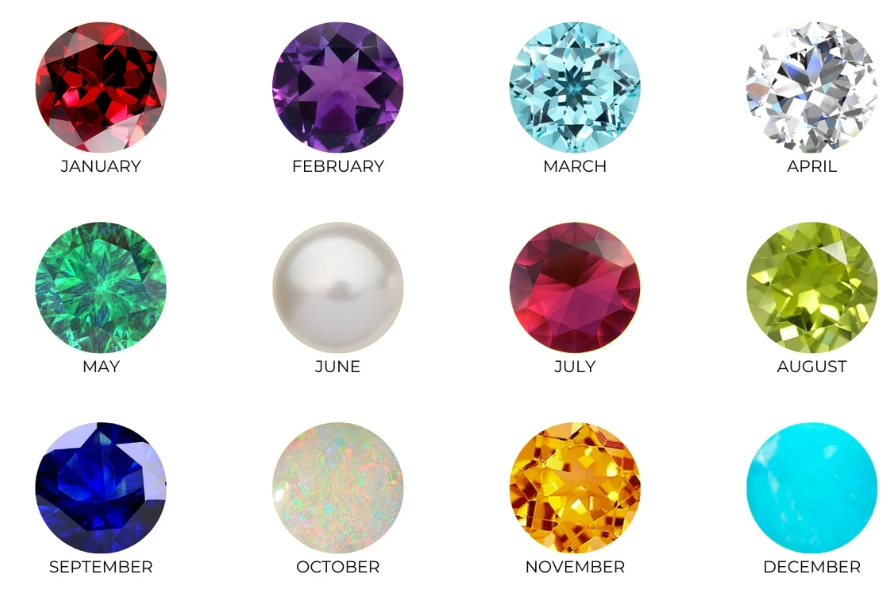
Stage 3: Getting Technical (Affordable Tools)
If you're serious, invest in two tools under $50 total.
A 10x Jeweler's Loupe: Not a magnifying glass. A loupe lets you see inclusions, cut quality, and signs of fakery. Look for bubbles (indicates glass), curved striae (lines in synthetic sapphire/ruby), or the characteristic inclusions of natural stones.
A Dichroscope: This cheap, tube-like tool reveals if a stone is doubly refractive (most birthstones) or singly refractive (like diamond, garnet, glass). It's a fantastic filter. If you look through it at a sapphire and see two different shades of blue, it's likely real. If you see only one color, it could be a spinel or glass imitation.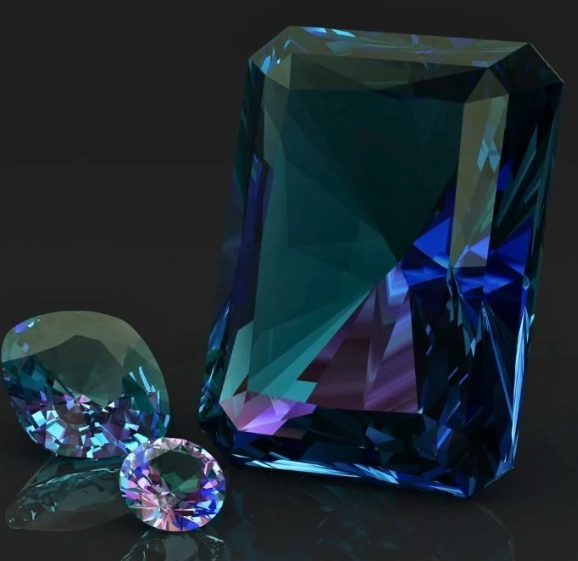
Advanced Identification & Common Traps
Here's where experience talks. The internet is full of oversimplifications.
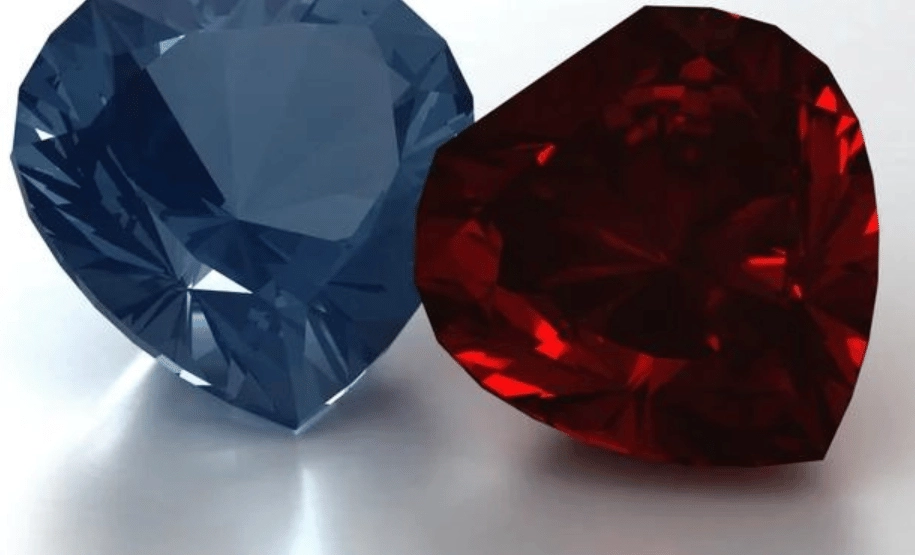
Trap 1: The Color Deception. I've seen garnet (January) passed off as ruby (July). Both can be deep red. But garnet is singly refractive, ruby is doubly refractive. A quick check with the dichroscope tells the story. Citrine (November) and yellow sapphire (September) are another tricky pair.
Trap 2: The Synthetic Takeover. Lab-created stones are everywhere. They are chemically identical to natural ones. Your "April diamond" might be cubic zirconia (hardness 8.5, different heft) or moissanite (hardness 9.25, fiery brilliance). A loupe helps, but thermal conductivity testers are needed for certainty. Don't pay a natural stone price for a synthetic without knowing.
Trap 3: The Treatment Secret. Most commercial birthstones are treated. Almost all blue topaz (December) is irradiated. Many sapphires are heat-treated to improve color. Treatments are accepted but must be disclosed. They can affect value and sometimes stability. A tell-tale sign of heat treatment in some sapphires is a "silk" (tiny inclusions) that's partially dissolved.
When in doubt, and if the stone has significant monetary or sentimental value, get a professional appraisal. Organizations like the American Gem Society can help you find a qualified gemologist. They have tools like refractometers and spectroscopes that give definitive answers.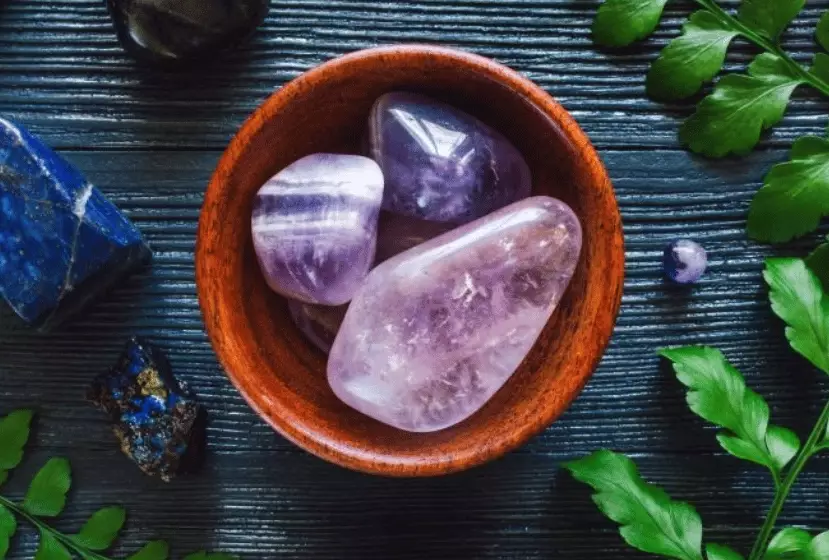
Your Burning Birthstone Questions Answered
The journey of birthstone identification is part detective work, part science, and part history lesson. Start with your eyes, move to simple tests, and don't be afraid to admit when you need a pro. The goal isn't just to slap a label on a rock. It's to understand the unique piece of the Earth's history you're holding, connected to a month, a person, or a memory. That's the real value no test can measure.