Let's cut to the chase. If you're holding a birthstone—whether it's an heirloom sapphire or a new aquamarine pendant—and wondering about its true identity, you need a certificate. Not a sales receipt, not a jeweler's verbal assurance, but a proper gemological report from a reputable lab. This document is the fingerprint of your gem. It tells you exactly what you have, and in this world, that knowledge is power. I've spent over a decade in gemology, and the number of times I've seen people overpay for misidentified stones or get stuck with fakes is staggering. This guide will walk you through the entire birthstone certification maze, from why it matters to how to do it without getting ripped off.
What's Inside This Guide
What is Birthstone Certification Actually Means (And What It Doesn't)
Think of a birthstone certification like a passport for your gem. It's an official document issued by an independent gemological laboratory. This report scientifically identifies the stone's species (is it a natural ruby or a synthetic one?), its variety, and grades its characteristics based on the 4Cs: Cut, Color, Clarity, and Carat weight. For some stones, like sapphires or emeralds, it might also include an origin determination (e.g., Ceylon, Colombia).
Here's the crucial part everyone misses: a certificate is not an appraisal. It doesn't tell you the monetary value. That's a separate service. The Gemological Institute of America (GIA), one of the most respected labs, is clear on this—their reports describe the gem, not its price. The certification's job is to answer the "what is it?" question with authority.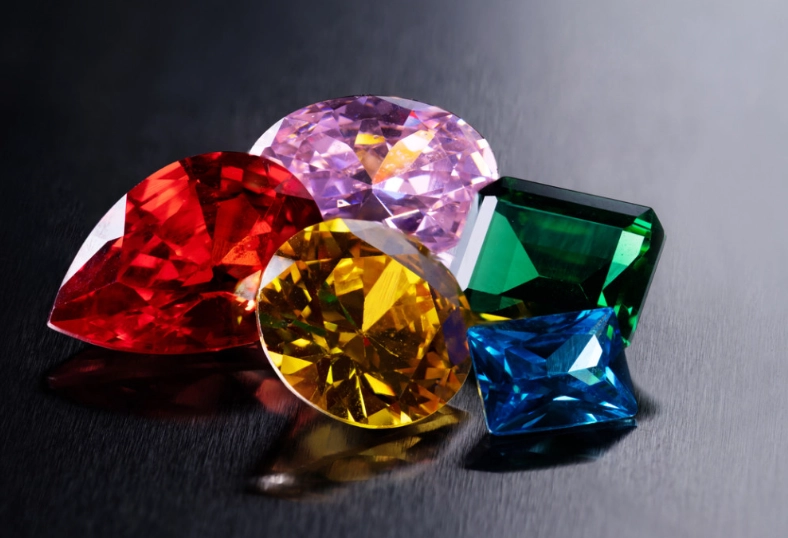
Why bother? Three big reasons. First, authenticity. Is your December birthstone a real blue topaz or colored glass? The certificate says. Second, value. A certified stone typically commands a higher resale price and is easier to insure. Third, peace of mind. You're not just taking a seller's word for it.
The Step-by-Step Certification Process Demystified
Getting a stone certified isn't rocket science, but it does require following specific steps. Most people can't walk into a lab themselves; you go through a jeweler or submit via mail.
Step 1: Choosing Your Battleground (The Lab)
This is your first and most critical decision. Not all labs are created equal. You want a lab whose name carries weight in the industry. We'll compare the big players in the next section, but for now, know that your choice affects cost, turnaround time, and the report's detail level.
Step 2: Prepping and Submitting the Stone
You or your jeweler will fill out a submission form. You need to decide on the service level—just identification, full grading, origin determination? Then, the stone is securely packaged, often with a pre-assigned submission number. It's shipped via insured mail to the lab. Pro tip: Take clear photos of your stone from all angles before sending it off. I've heard horror stories of stones getting mixed up, though it's rare with major labs.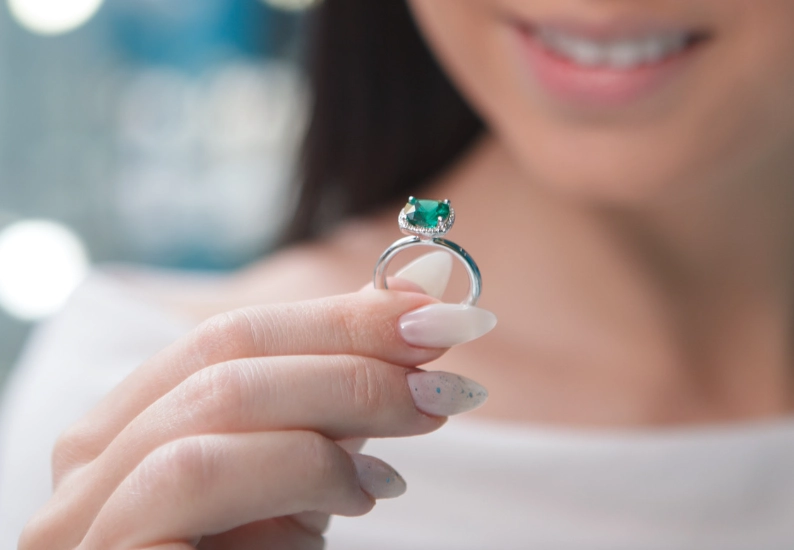
Step 3: The Lab's Work
At the lab, gemologists use a battery of tools: microscopes, refractometers, spectroscopes. They're not just looking; they're testing. The process is methodical and can take days or weeks. The stone is examined, graded, and the data is compiled into a draft report.
Step 4: Receiving the Report
Once finalized, the lab issues the certificate. You get a physical copy, and nowadays, almost always a digital version is available online. That online record is key for verification, as mentioned by the American Gem Society in their guidance on gem identification.
The entire process, from mailing to receiving the report, typically takes 2 to 8 weeks, depending on the lab and service.
Top Gem Labs for Birthstones: A Side-by-Side Look
Here’s a straightforward comparison of the three most recognized labs for birthstone certification. This isn't just theory; it's based on my experience submitting stones to each.
| Laboratory | Best For | Average Turnaround | Starting Cost Range (Common Stones) | A Key Detail |
|---|---|---|---|---|
| GIA (Gemological Institute of America) | The gold standard. Unmatched reputation for diamonds and colored stones. Ideal for high-value or heirloom pieces. | 3-5 weeks | $100 - $300+ | Their reports are often considered the most defensible in disputes. Their website, GIA.edu, has a free report check tool. |
| AGL (American Gemological Laboratories) | Colored stones, especially origin determination. Experts in sapphires, rubies, emeralds. | 4-8 weeks | $150 - $400+ | They provide incredibly detailed comments on color and treatment. A report from AGL carries serious weight in the colored gem trade. |
| EGL (European Gemological Laboratory) | Budget-conscious options or faster service. Several franchises exist worldwide. | 1-3 weeks | $75 - $200 | Be careful here. EGL USA is different from EGL International. Consistency can vary. For a birthstone you just want authenticated (not for high-end investment), it can be a viable choice. |
My personal go-to for important colored birthstones is usually AGL for their colored stone expertise, but for a no-fuss, widely accepted report, GIA is the safe bet. I'd avoid smaller, unknown labs—their reports might not be accepted by insurers or buyers down the line.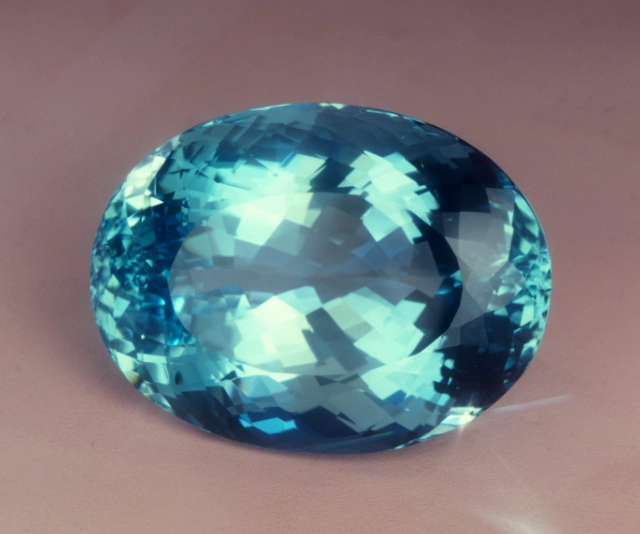
Breaking Down the Real Cost of Certification
"How much will this set me back?" That's the real question. The sticker price from the lab is just part of it.
Let's take a common example: certifying a 1-carat amethyst (February birthstone).
- Lab Fee: At GIA, for a standard colored stone identification report, you're looking at around $80-$120.
- Jeweler/Submitter Fee: If you use a local jeweler to handle the submission, they might charge a service fee of $25-$50. Some do it for free if you're a good customer.
- Shipping & Insurance: Insured shipping to and from the lab can add $30-$50. Do not skip insurance.
- Hidden Cost - Time: Your stone is gone for weeks. If it's a piece you wear daily, that's a factor.
So, for that amethyst, the total out-of-pocket could be $135 to $220. For a more expensive stone like a sapphire requiring origin service, costs can jump to $500+ easily.
Is it worth it for a $200 stone? Often, no. The certification can cost more than the stone. Use your judgment. But for anything over $500, or with sentimental value you want to confirm, I'd say yes. The cost becomes a percentage of the value, not a flat fee.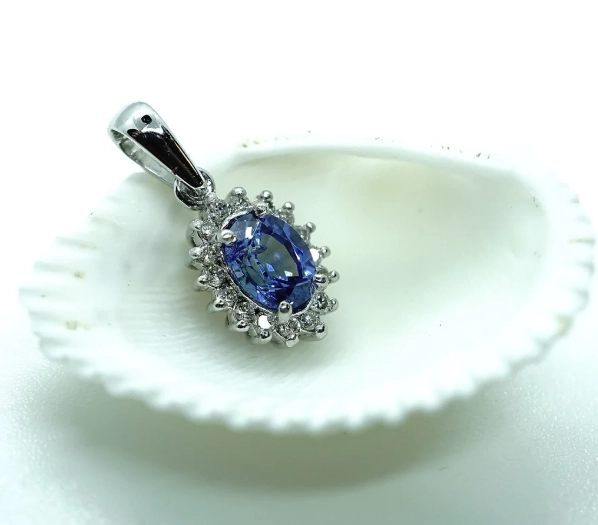
Common Certification Mistakes and How to Sidestep Them
After seeing hundreds of certifications, patterns of errors emerge. Here are the big ones.
Mistake 1: Choosing a Lab Based Solely on Price. The cheapest report might be from a lab with loose grading standards. A GIA "VS1" clarity grade might be an EGL "VVS2." This inconsistency hurts you if you ever sell. Pay for the lab that your target market (e.g., future buyers, insurers) respects.
Mistake 2: Not Getting the Right Type of Report. Requesting a full grading report with origin for a common, treated citrine is overkill. A basic identification report might suffice. Talk to the submitter about what you need the certificate for—insurance, sale, personal knowledge—and choose the service level accordingly.
Mistake 3: Assuming Certification Equals High Value. A certificate confirms what the stone is, not that it's high quality. You can get a poorly cut, included ruby certified. It's still a low-quality ruby. The report gives you the facts to make that judgment yourself.
Mistake 4: Losing the Paper and Forgetting the Online Record. Always register for the online report. Physical copies can fade, get lost, or damaged. The digital record is permanent and verifiable. I keep a dedicated folder in my email for these links.