Let's cut to the chase. You're here because traditional birthstones might be too expensive, hard to find, or just not your style. Maybe you want something unique without breaking the bank. I've been in the gemstone trade for over a decade, and I've seen too many people overspend on flashy stones that don't suit their needs. Birthstone alternatives aren't just cheap knock-offs—they're smart, often stunning options that give you more flexibility. In this guide, I'll walk you through everything from affordable swaps to hidden gems you've probably never considered. We'll cover costs, durability, and where to shop, with some personal blunders I've made along the way.
What You'll Find in This Guide
Why Consider Birthstone Alternatives?
Think about it. The classic birthstone list, like diamond for April or ruby for July, comes from traditions that don't always fit modern budgets or tastes. Alternatives open up a world of options. They're not about settling for less—they're about finding what works for you.
Cost and Accessibility
Traditional birthstones can be pricey. A decent-quality ruby might set you back hundreds per carat, but a garnet or red spinel can offer a similar look for a fraction. I remember a client who wanted a July birthstone ring but couldn't afford ruby. We switched to red tourmaline, and she loved it—saved about 70% without sacrificing beauty.
Some stones are just rare. Alexandrite for June? Good luck finding a natural one under $1000. That's where alternatives like moonstone or pearl come in, costing as low as $20-$100 per carat.
Personal Style and Uniqueness
Maybe you're tired of seeing the same sapphire everywhere. Alternatives let you stand out. For September, instead of the usual blue sapphire, try iolite or tanzanite for a unique violet-blue hue. It's about expressing yourself, not following a chart.
Top Birthstone Alternatives for Each Month
Let's get specific. Below is a table I've compiled based on my experience, showing traditional birthstones and their best alternatives. I've included average cost per carat and key notes to help you decide.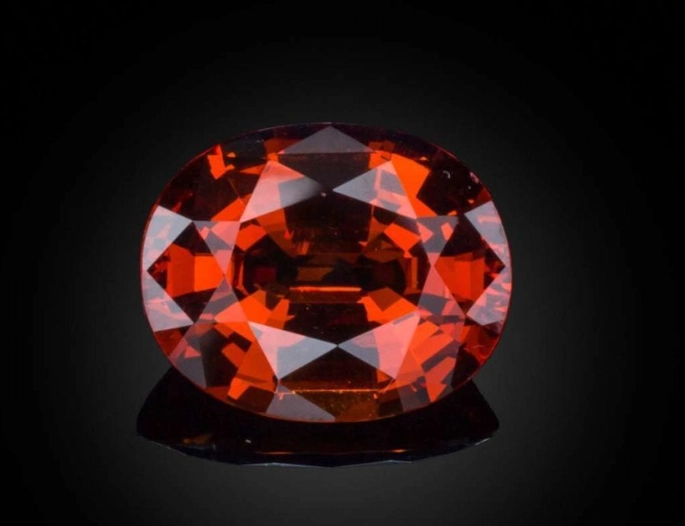
| Month | Traditional Birthstone | Top Alternative | Average Cost per Carat (Alternative) | Why It Works |
|---|---|---|---|---|
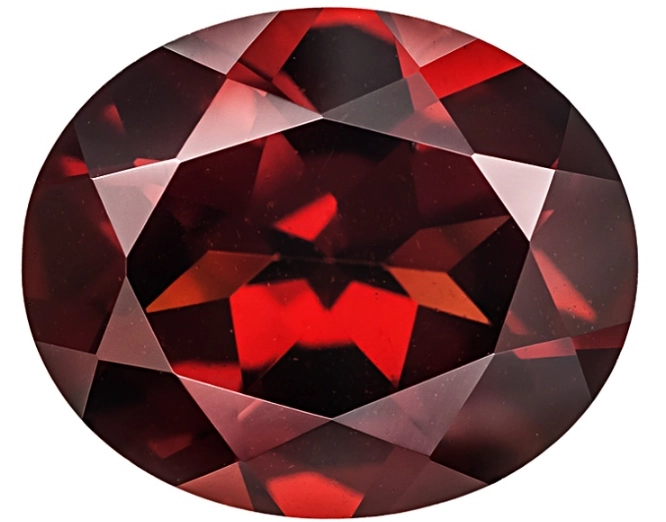
| January | Garnet | Red Jasper | $5-$20 | Similar deep red, more affordable and widely available. |
| February | Amethyst | Purple Fluorite | $10-$30 | Offers a softer purple hue, great for casual jewelry. |
| March | Aquamarine | Blue Topaz | $20-$50 | Brighter blue, often more durable for rings. |
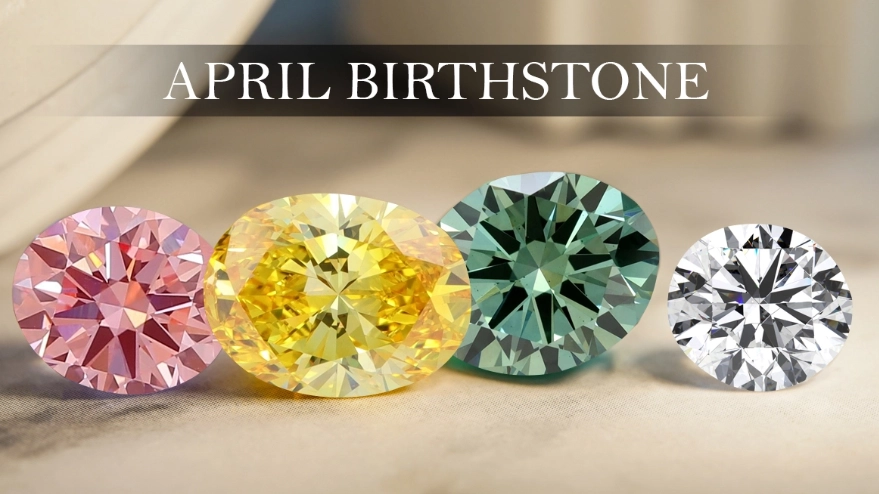
| April | Diamond | Moissanite | $50-$200 | Nearly as hard, sparkles more, and is lab-created for ethics. |
| May | Emerald | Green Aventurine | $5-$15 | Less included, good for budget-friendly pieces. |
| June | Pearl/Alexandrite | Moonstone | $20-$100 | Iridescent sheen, mimics alexandrite's color change cheaply. |
| July | Ruby | Red Spinel | $50-$150 | Similar red, often fewer flaws, and historically mistaken for ruby. |
| August | Peridot | Green Olivine | $10-$40 | Same mineral family, but more accessible in larger sizes. |
| September | Sapphire | Iolite | $30-$80 | Blue-violet color, pleochroic effect for uniqueness. |
| October | Opal/Tourmaline | Fire Agate | $20-$60 | Iridescent like opal, but tougher and less prone to cracking. |
| November | Topaz/Citrine | Yellow Jasper | $5-$20 | Warm yellow tones, very affordable for everyday wear. |
| December | Turquoise/Zircon | Howlite (dyed blue) | $2-$10 | Looks like turquoise, extremely cheap, but avoid water exposure. |
This table is a starting point. Notice how costs vary—alternatives aren't always dirt cheap, but they're generally more budget-friendly. For example, moissanite for April is a steal compared to diamond, but it's still an investment. I've sold iolite to September babies who wanted something different, and they rave about the color shifts.
Don't just pick from this list blindly. Some alternatives have downsides. Purple fluorite for February is beautiful but soft (4 on the Mohs scale), so it's better for earrings than rings. I learned this the hard way when a client's fluorite pendant scratched after a few months.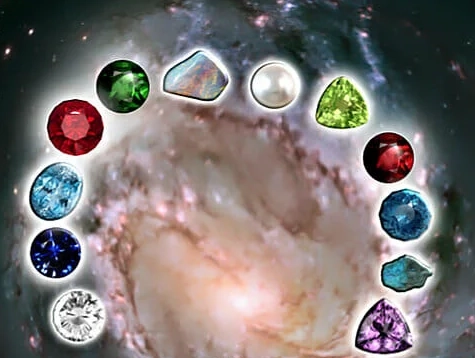
How to Choose the Right Alternative
Choosing isn't about grabbing the cheapest option. It's a balance of factors that most guides gloss over. Let's break it down.
Factors to Consider: Budget, Durability, Color
Budget: Set a realistic range. If you're spending under $100, stones like jasper or howlite work. For $200-$500, you can get into spinel or topaz. I always ask clients: Is this for daily wear or occasional use? Daily pieces need more durability, which might cost a bit more.
Durability: Check the Mohs hardness scale. Stones above 7 (like quartz at 7) are good for rings; below 6 (like fluorite) suit pendants or earrings. The Gemological Institute of America (GIA) provides great resources on gemstone durability—I often refer clients to their website for basics.
Color: Match the hue you love. If you adore April's diamond sparkle but want color, consider white sapphire or cubic zirconia. They mimic the look without the price tag. Color consistency matters too; some alternatives like dyed howlite can fade over time.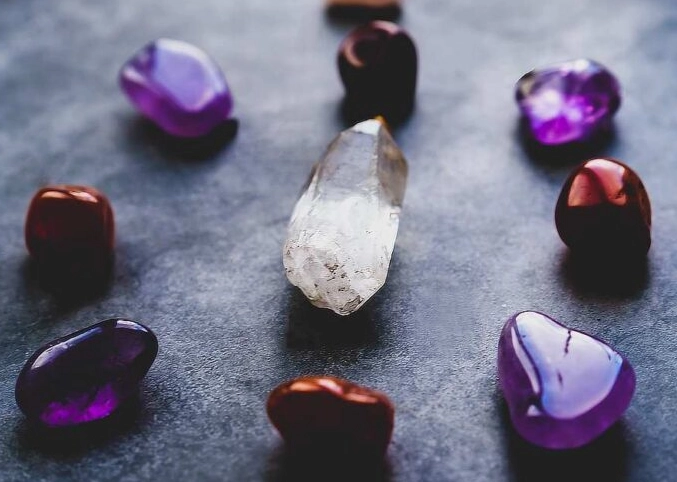
Where to Buy Birthstone Alternatives
Where you shop makes a huge difference. I've seen people get ripped off on online marketplaces, so let's talk options.
Online Retailers vs. Local Jewelers
Online Retailers: Sites like Etsy or specialized gem sellers offer variety and often lower prices. Look for sellers with detailed photos, return policies, and customer reviews. For example, when buying moissanite, I recommend retailers that provide certification from labs like the GIA. But beware—some listings use stock images that don't match the actual stone.
Local Jewelers: They can offer personalized service and let you inspect stones upfront. However, their selection might be limited for alternatives. Ask if they source sustainable gemstones; many now carry lab-grown options. I've partnered with local shops to stock iolite and spinel, and it's helped customers feel the weight and color firsthand.
Hybrid approach: Buy online but from reputable dealers. One client got a red spinel from a trusted online vendor for half the local price, but she had to wait for shipping.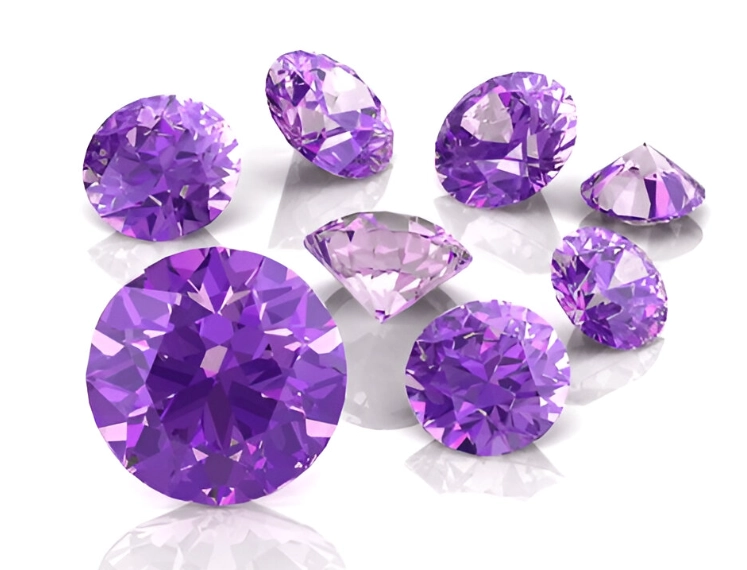
Common Mistakes to Avoid
Here's where my experience pays off. I've made these errors, and I've seen others do it too.
Ignoring Durability: Choosing a soft stone for a ring because it's cheap. Opal alternatives like fire agate are better, but still, check toughness. A friend used howlite in a ring, and it chipped within weeks—not worth the savings.
Overpaying for Treatments: Some alternatives are treated to enhance color. Dyed stones like howlite are fine, but ask about treatments. If a seller hides it, walk away. I've seen treated quartz sold as natural, causing disputes later.
Not Verifying Sources: Always ask where the gem comes from. Sustainable gemstones are a hot topic now; alternatives like lab-grown moissanite reduce environmental impact. But some sellers greenwash—so look for certifications.
Skimping on Settings: A great stone in a poor setting ruins everything. Spend on a sturdy setting, especially for daily wear. I've had clients bring in loose alternatives they bought online, only to find no local jeweler would set them due to risk.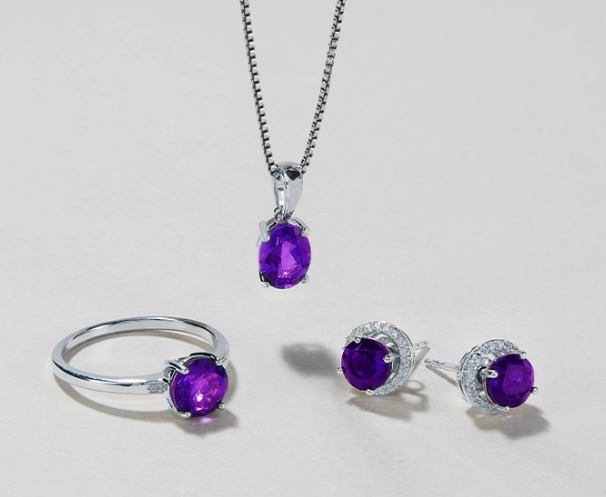
Your Questions Answered
Wrapping up, birthstone alternatives open doors to creativity and savings. They're not second-best—they're a smart choice for modern jewelry lovers. Start by identifying your priorities: budget, style, or durability. Use the table as a reference, but don't be afraid to mix and match. And always, always verify what you're buying. If you take one thing from this guide, let it be this: Your birthstone should reflect you, not just a calendar month. Happy gem hunting!