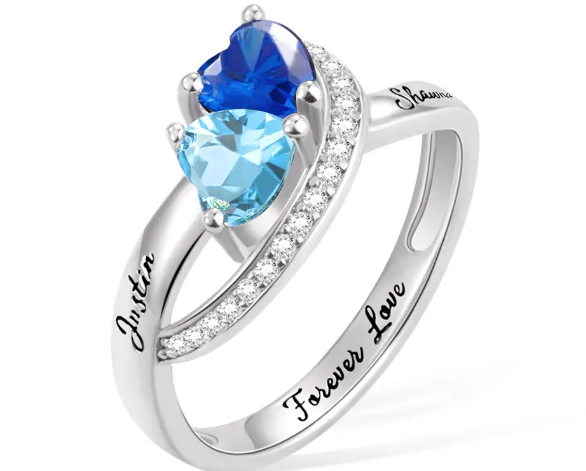
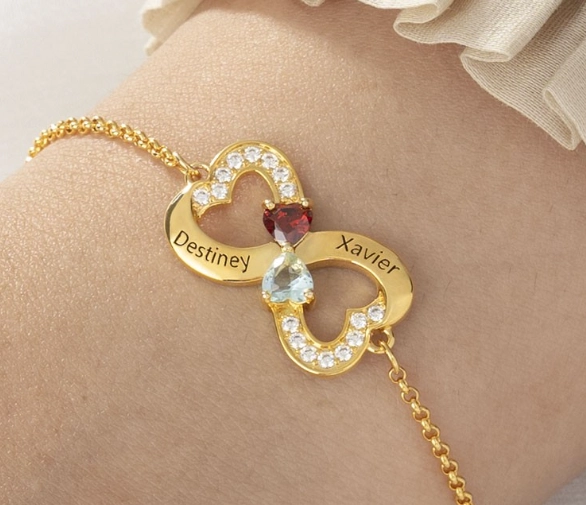
Let's be honest. Finding a gift that feels truly personal for your partner can be a struggle. You want something that says "I see you, I know you, and what we have is unique." That's where the idea of a birthstone for couples comes in. It's moved far beyond a simple monthly gem. It's a tool for storytelling, a way to weave your individual histories into a shared symbol.
I've worked with couples for over a decade, designing jewelry that marks their journey. The most common mistake I see? Choosing a design that looks good on Pinterest but feels hollow to wear every day. The magic happens when the symbolism is baked into the piece, not just glued on.
Quick Navigation for Your Love Story
The Deeper Meaning of a Couple's Birthstone
Forget the old-school idea that you're stuck with just your own month's gem. A birthstone for couples can be any combination that holds meaning. It could be:
- Your months: The classic. His and hers stones set together.
- The month you met or married: This stone becomes "yours" as a pair.
- Your children's birthstones: A way to carry your family with you.
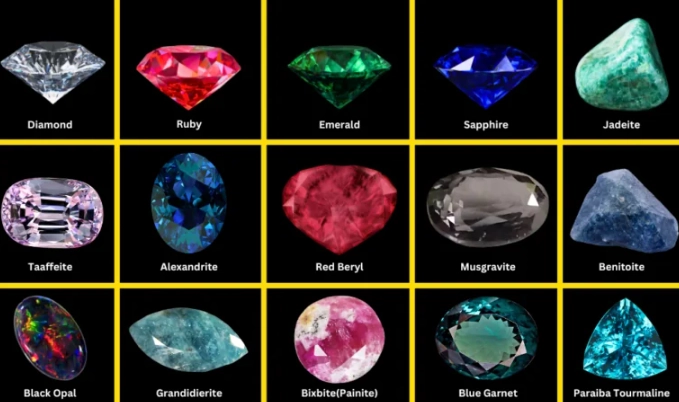
- Stones whose properties resonate: Maybe you choose a turquoise for protection and an amethyst for peace, representing what you give each other.
The point is intention. You're creating a private language in gem form.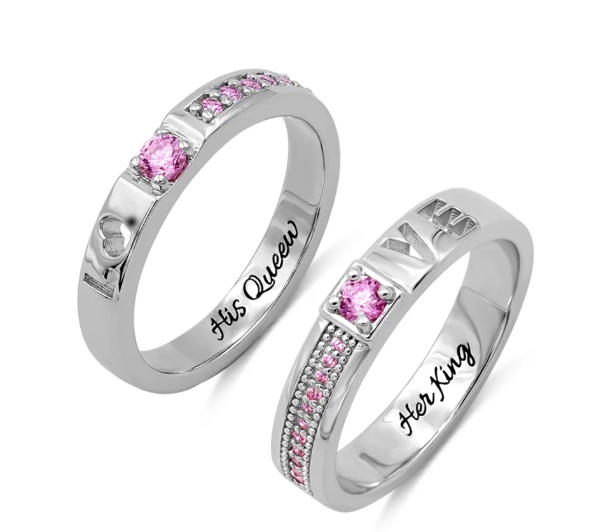
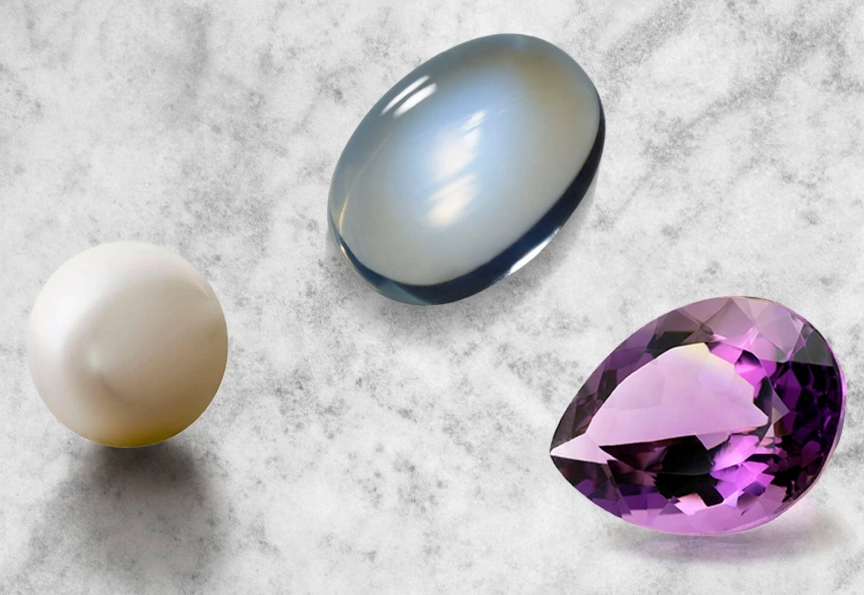
A note from experience: I once designed a ring for a couple where the man's birthstone was a deep blue sapphire (September) and the woman's was a delicate pearl (June). She hated how pearls scratched easily. The solution? We used a small, perfect sapphire cabochon set flush next to a diamond (for April, their wedding month). The pearl was represented by a milky, opalescent moonstone accent on the side of the band. It told their story without compromising durability. That's the kind of thinking that makes jewelry last a lifetime.
How to Choose Your Combined Birthstones
This is where practicality meets romance. You can't just pick two random pretty rocks. You have to live with them.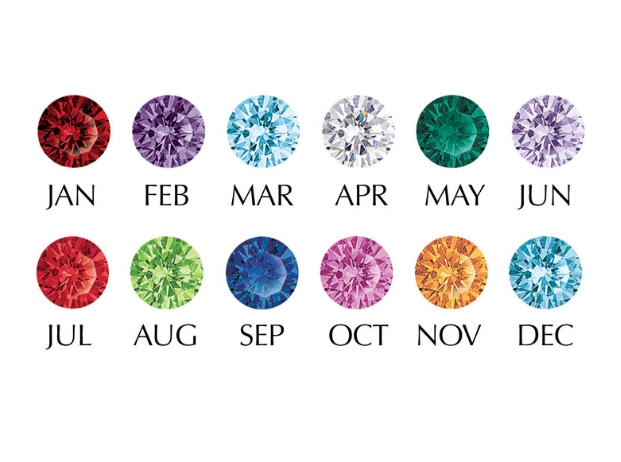
Durability is King (and Queen)
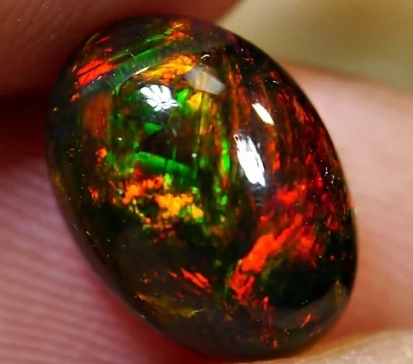
If this is for an everyday ring or bracelet, hardness matters. The Mohs scale is your friend. A diamond (10) can scratch an opal (5.5-6.5) into oblivion if they're set side-by-side on the same ring.
| Stone Combination | Durability Concern | Smart Design Workaround |
|---|---|---|
| Diamond (His) + Opal (Hers) | High risk of opal damage. | Use opal as a detachable pendant. Or, set stones on separate rings worn on different hands. |
| Emerald (His) + Aquamarine (Hers) | Both are moderately hard but can be brittle. | Choose a bezel setting for protection, not prongs. Ideal for pendants or earrings, not a heavy-duty ring. |
| Sapphire (Both) | Excellent durability (9). | Great for any jewelry. Play with different shades of blue and pink sapphires. |
Color Harmony (Or Deliberate Contrast)
Do you want the stones to blend like a sunset or pop against each other? A ruby and an emerald scream festive contrast. A sapphire and a tanzanite offer a harmonious blue gradient. There's no wrong answer, only what feels right to you.
Couple Birthstone Jewelry Ideas That Don't Look Cheesy
Let's move past the obvious "two stones on a band" cliché. Here are subtle, sophisticated ways to wear your story.
For Him & Her: Beyond Matching Rings
His Signet Ring, Her Pendant: His signet ring features a small inlay of her birthstone on the side facing his palm (a secret). Her pendant features his stone as the centerpiece, with hers as a tiny accent on the bail.
Interlocking Bands: Two separate bands that fit together. One band is inlaid with his birthstone, the other with hers. When apart, they're simple. Together, they complete the picture.
Cufflinks & Studs: He gets cufflinks set with her birthstone. She gets stud earrings set with his. It's a connection felt, not loudly seen.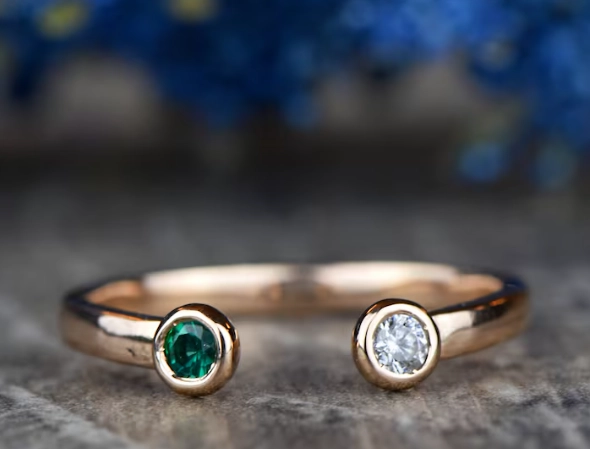
For a Shared Piece
The "Journey" Necklace: A delicate chain with three stones: his, hers, and a central diamond or other gem representing your union or a milestone.
Stacking Rings: Each of you gets a stack. One ring has his stone, one has hers, and you can add others over time for anniversaries or children.
The key is to integrate the stones into a design you'd love even without the symbolism. The meaning is the bonus layer.
Navigating the Custom Design Process
Working with a jeweler? Don't just show a picture. Tell the story. Here's how to get the best result.
1. Bring Your Non-Negotiables: "It must be waterproof" (for a nurse). "It can't snag on fabric." "I only wear yellow gold." This saves everyone time.
2. Discuss Budget Early: A good jeweler can work with most budgets. Knowing yours upfront lets them suggest the right materials (e.g., lab-grown vs. natural stones) and complexity.
3. Ask About Alternatives: Can't afford a natural ruby? Ask about garnet (similar color, more affordable) or a lab-grown ruby. Love the look of opal but need durability? Consider opal triplet or a synthetic opalite glass for a similar effect.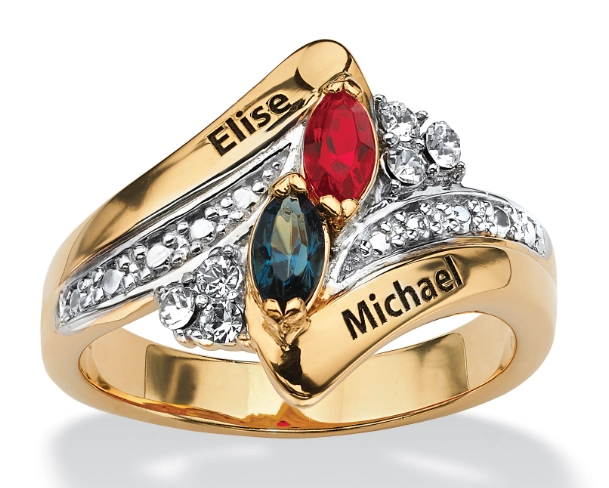
4. Get a Wax or CAD Model: Before anything is cast in metal, insist on seeing a 3D model. It's much easier to adjust the size, shape, and setting at this stage.
I had clients who wanted a bracelet with all their kids' stones. The original design was bulky. The wax model showed that instantly. We scaled it down, used smaller accent stones, and the final piece was elegant, not overwhelming.
Your Questions Answered