Jump to Your Birthstone
- What Are Birthstones and Why Do They Matter?
- January: Garnet – The Stone of Commitment
- February: Amethyst – The Calming Purple Gem
- March: Aquamarine – The Serenity Stone
- April: Diamond – Beyond Sparkle
- May: Emerald – The Heart Opener
- June: Pearl and Alexandrite – Dual Meanings
- July: Ruby – The Passion Igniter
- August: Peridot – The Light Bringer
- September: Sapphire – Wisdom in Blue
- October: Opal and Tourmaline – Colorful Choices
- November: Topaz and Citrine – Warmth and Clarity
- December: Turquoise and Zircon – Protective Stones
- How to Choose and Use Your Birthstone Effectively
- Common Mistakes with Birthstones (And How to Avoid Them)
- Frequently Asked Questions
When I first got into gemology, I thought birthstones were just a fancy way to sell jewelry. But after a decade of handling stones and talking to collectors, I've seen how a simple gem can carry deep personal meaning. Let's cut through the fluff—birthstone meanings by month aren't about superstition; they're about connecting with history, culture, and your own intentions. This guide dives into each month's stone, explaining what they really symbolize and how you can use them beyond just wearing a ring.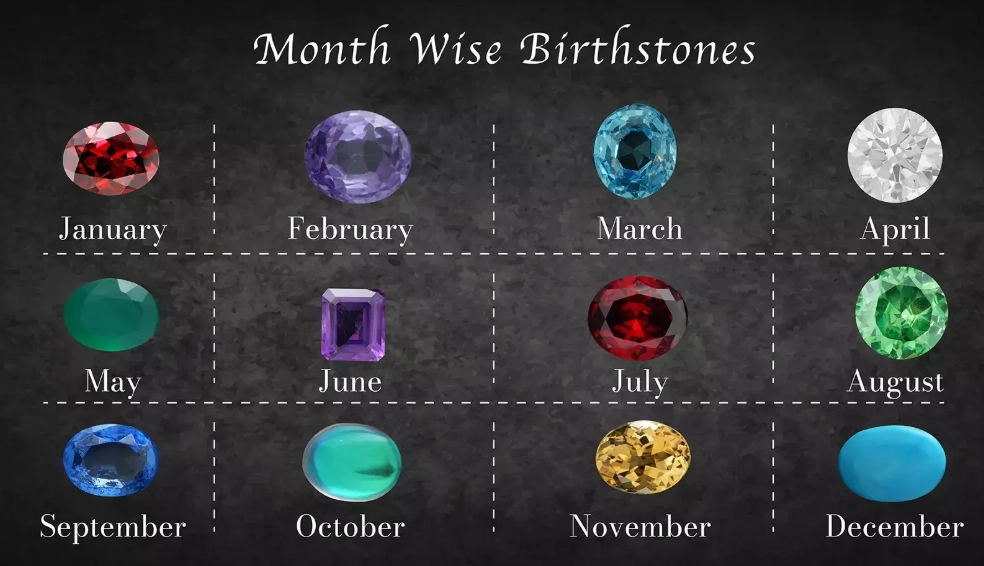
What Are Birthstones and Why Do They Matter?
Birthstones are gems traditionally associated with each month of the year. The concept dates back to ancient times, with roots in biblical traditions and cultural rituals. According to the Gemological Institute of America (GIA), the modern list was standardized in the early 20th century, but variations exist across cultures. Why do they matter? They offer a tangible link to personal identity—think of them as a monthly mascot that can inspire, protect, or remind you of goals. I've met people who wear their birthstone as a daily touchstone for motivation, not just decoration.
Quick tip: Don't get bogged down by strict rules. Birthstone meanings evolve, and it's okay to mix and match based on what resonates with you.
January: Garnet – The Stone of Commitment
Most folks think garnet is just a dark red gem, but it comes in greens, oranges, and purples too. Its meaning centers on passion, protection, and commitment. Historically, warriors carried garnets for safety in battle.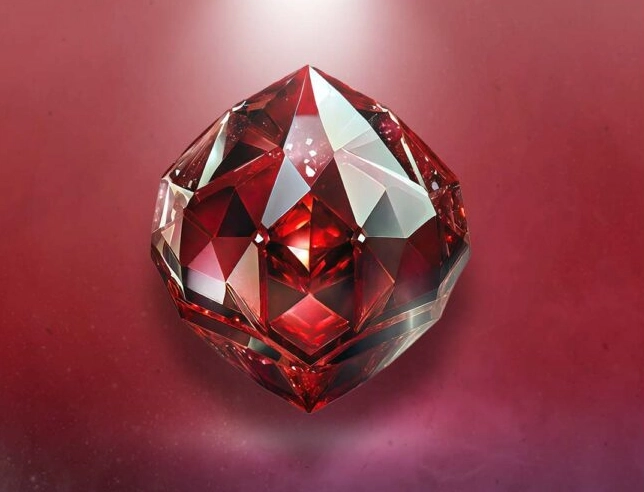
Symbolism and Practical Use
Garnet symbolizes deep love and loyalty. If you're looking to strengthen a relationship, this stone might help—not magically, but as a reminder. I once gifted a garnet pendant to a friend going through a tough time; she said it felt like a anchor. Wear it as a necklace or keep a small piece in your pocket. Avoid exposing it to sudden temperature changes, as it can crack.
February: Amethyst – The Calming Purple Gem
Amethyst is all about calm and clarity. Its purple hue is linked to royalty and spirituality. In medieval Europe, it was believed to prevent intoxication—hence the name from Greek "amethystos," meaning "not drunken."
Today, people use amethyst for stress relief. Place it on your desk or wear it as earrings. A common mistake? Using harsh cleaners; stick to mild soap and water to preserve its color.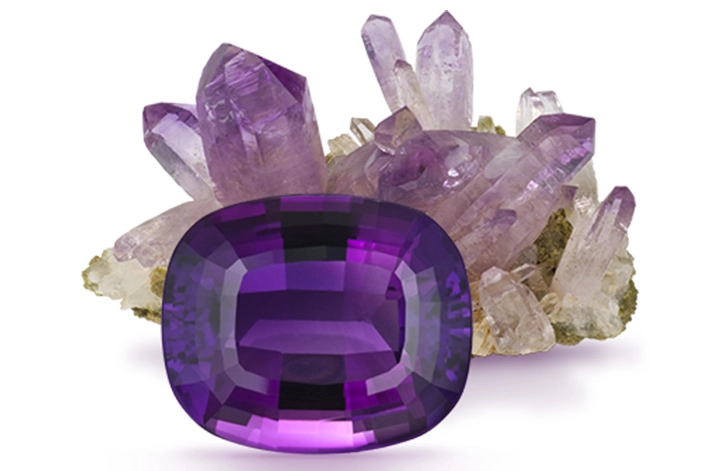
March: Aquamarine – The Serenity Stone
Aquamarine, with its ocean-blue tone, symbolizes tranquility and courage. Sailors once carried it for protection at sea. Its meaning ties to communication—helpful if you're nervous about public speaking.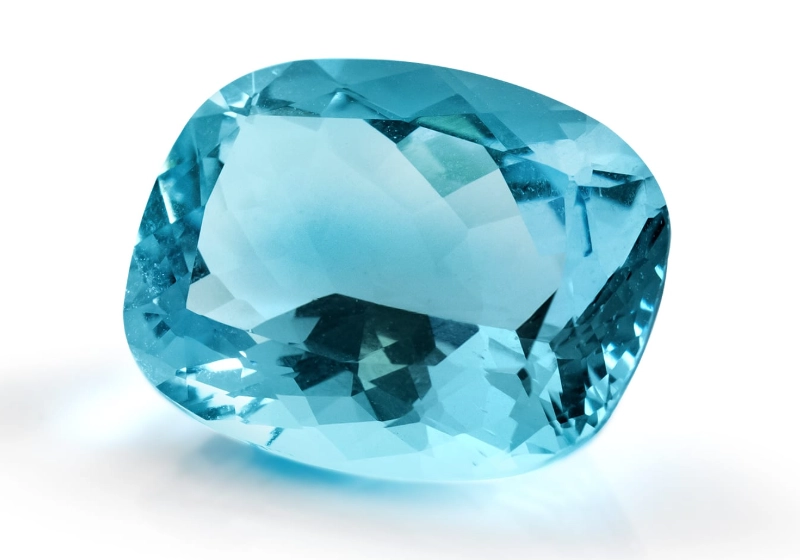
I've found aquamarine works best when paired with intention. Meditate with it before a big meeting, and you might feel more centered.
April: Diamond – Beyond Sparkle
Diamonds aren't just for engagement rings. They represent strength, innocence, and eternal love. The diamond's hardness makes it a metaphor for resilience. But here's a non-consensus view: many people overspend on diamonds without considering ethical sourcing. Look for lab-grown or conflict-free options—they carry the same meaning without the baggage.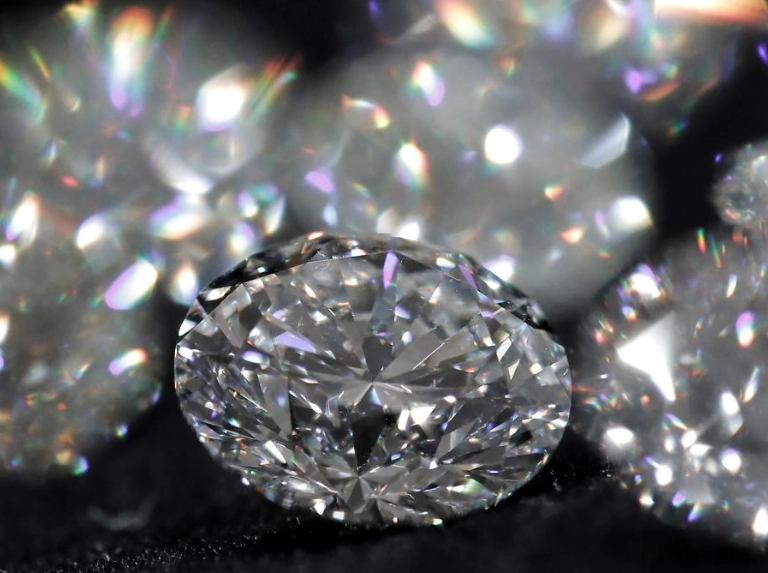
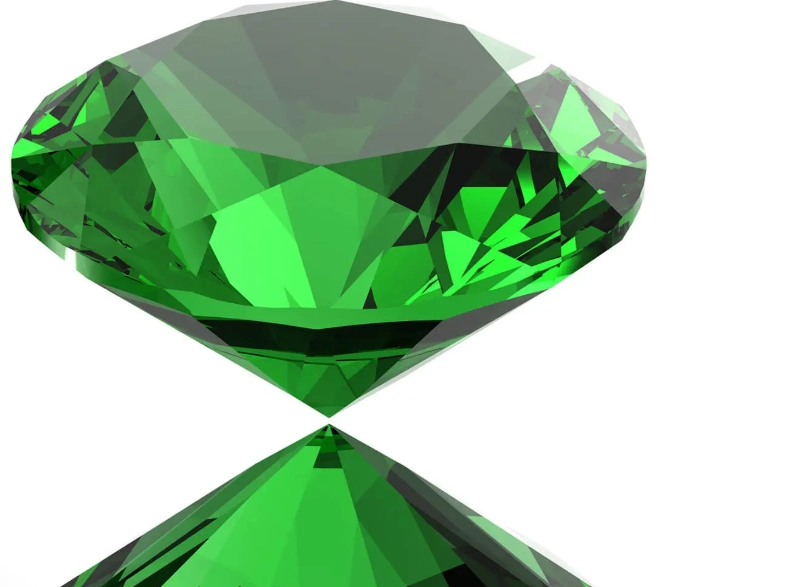
May: Emerald – The Heart Opener
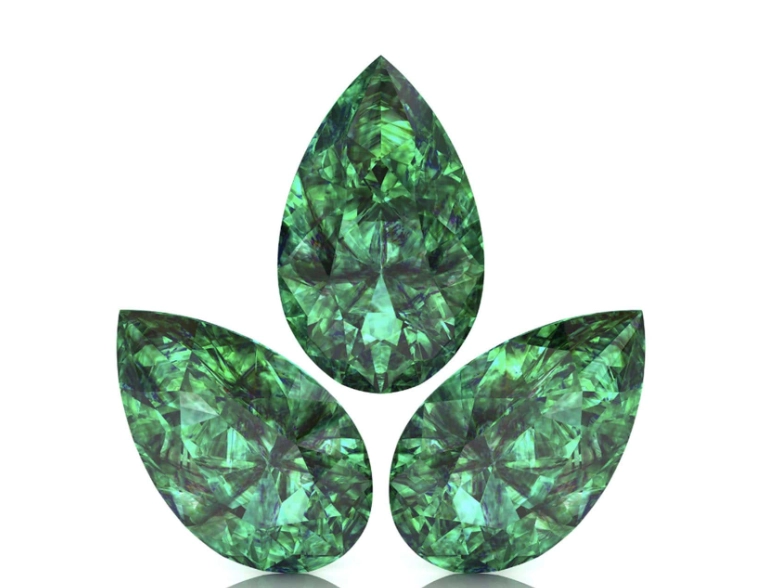
Emerald is the stone of rebirth and love. Its green color connects to nature and growth. In ancient lore, it was thought to reveal truth. Use emerald to foster patience or heal emotional wounds. Be careful with knocks; it's a relatively soft gem that can chip easily.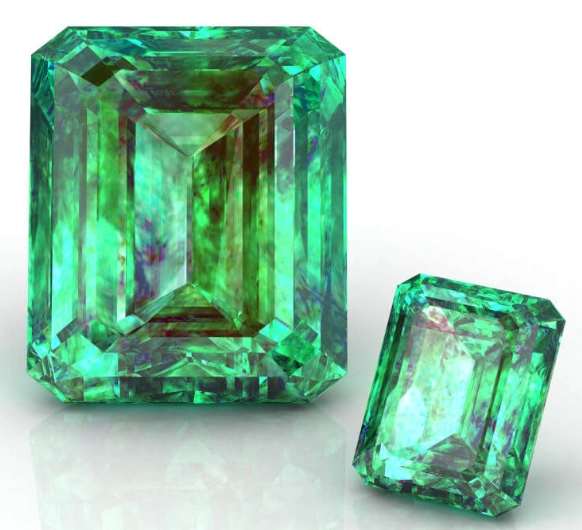
June: Pearl and Alexandrite – Dual Meanings
June has two birthstones: pearl (organic) and alexandrite (rare gem). Pearls symbolize purity and wisdom, while alexandrite represents balance and joy. Alexandrite changes color in different light—a cool party trick. Pearls require gentle care; avoid perfumes or sweat to prevent damage.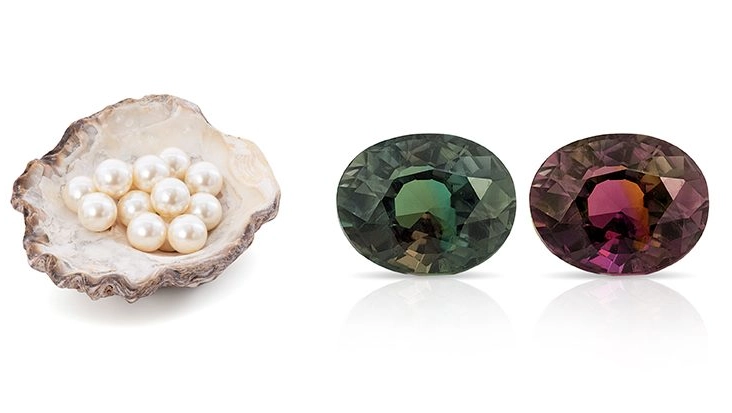
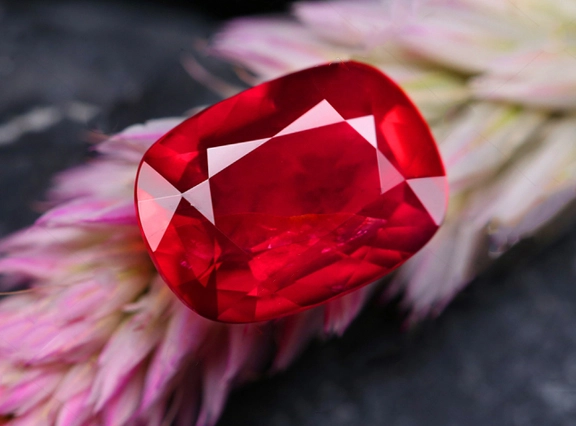
July: Ruby – The Passion Igniter
Ruby is all about passion, vitality, and protection. Its red color evokes fire and energy. In some cultures, rubies were believed to predict danger by darkening. Wear ruby to boost confidence, but don't expect miracles—it's more about mindset.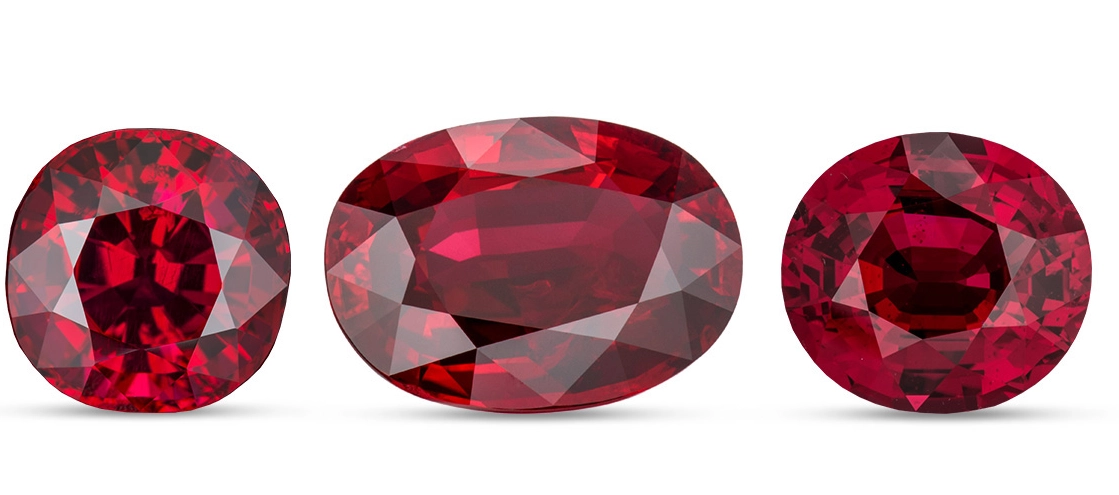
August: Peridot – The Light Bringer
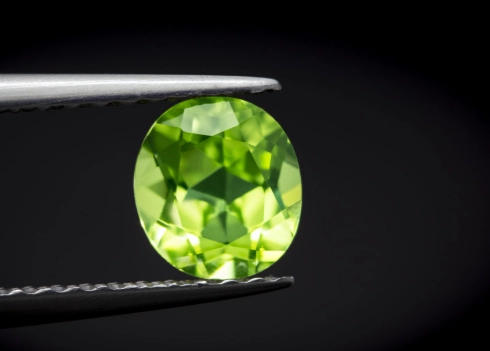
Peridot, with its olive green shade, symbolizes light and prosperity. It's said to ward off negativity. Historically, it was mined in Egypt. Use peridot in jewelry or as a decorative piece in your home. It's relatively affordable, making it a great gift option.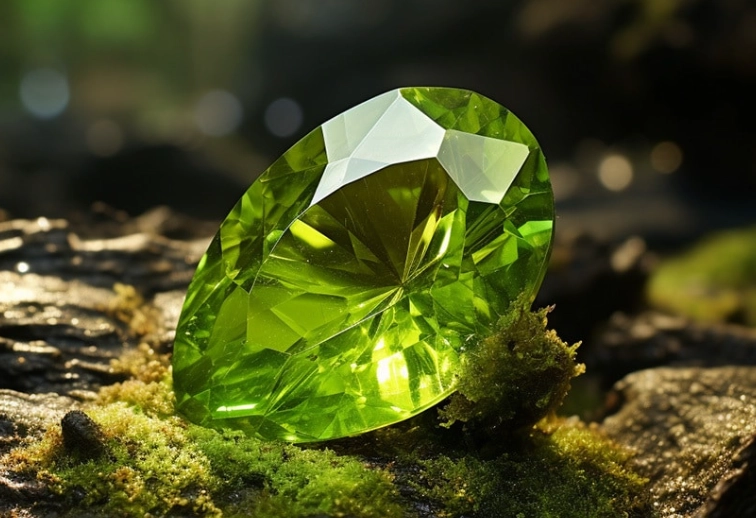
September: Sapphire – Wisdom in Blue
Sapphire represents wisdom, loyalty, and nobility. While blue is common, it comes in pinks and yellows too. I've seen sapphires passed down as family heirlooms, carrying generations of stories. Clean it with warm soapy water; it's durable but can scratch softer stones.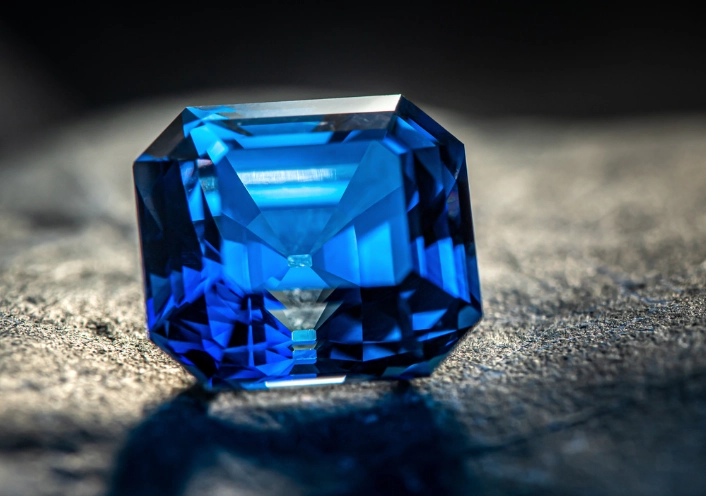
October: Opal and Tourmaline – Colorful Choices
October offers opal (play-of-color) and tourmaline (varied hues). Opal symbolizes creativity and hope, but it's delicate—avoid water exposure. Tourmaline is known for protection and is often used in healing practices. Choose based on your lifestyle; tourmaline is tougher for daily wear.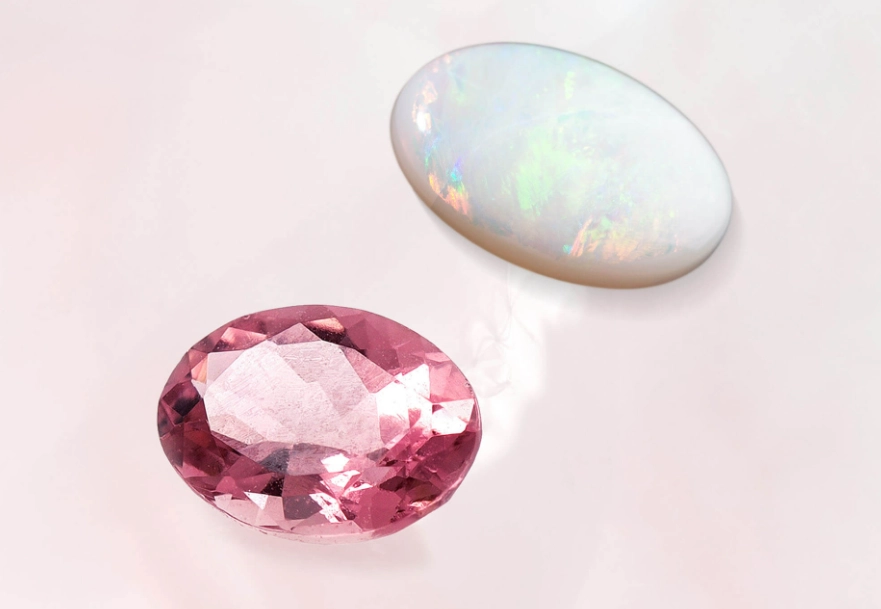
November: Topaz and Citrine – Warmth and Clarity
Topaz (often blue) and citrine (yellow) both symbolize warmth and clarity. Citrine is called the "merchant's stone" for attracting abundance. Topaz can fade in sunlight, so store it carefully. I prefer citrine for its sunny vibe—it's hard to go wrong.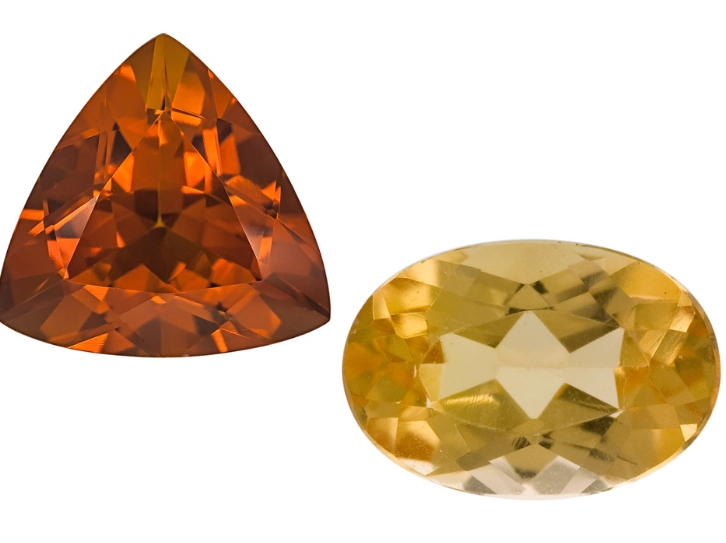
December: Turquoise and Zircon – Protective Stones
Turquoise is a protective stone, linked to friendship and luck. Zircon (not cubic zirconia) represents virtue and honor. Turquoise can change color with skin chemistry, which some find charming. Both are great for statement pieces.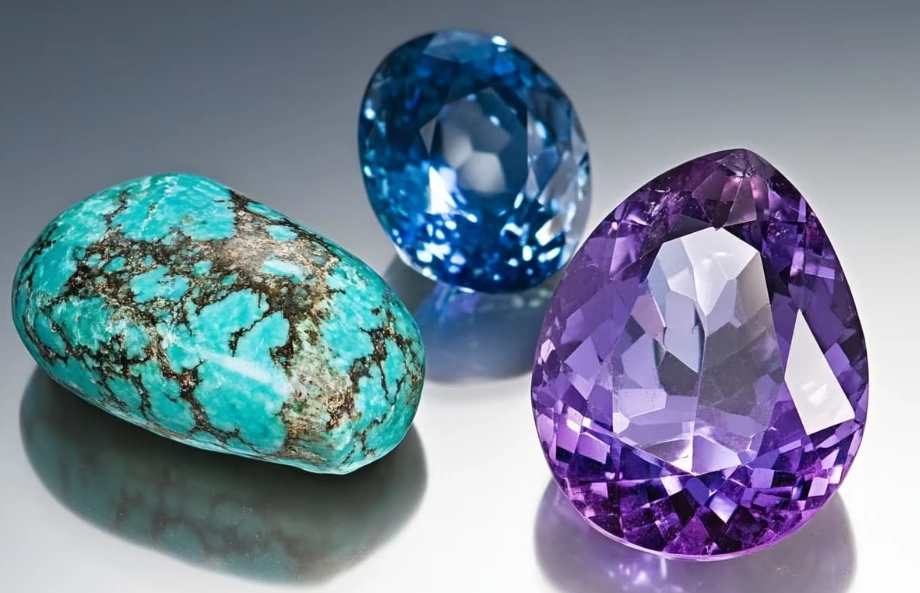
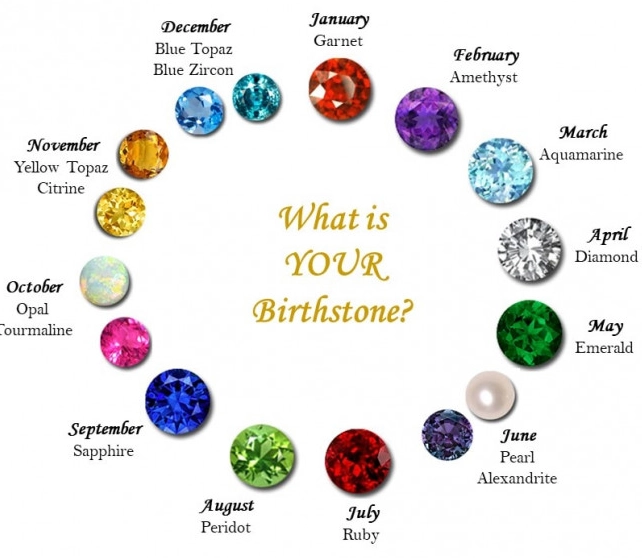
| Month | Birthstone | Primary Color | Key Meaning |
|---|---|---|---|
| January | Garnet | Red | Passion, Protection |
| February | Amethyst | Purple | Calm, Clarity |
| March | Aquamarine | Blue | Tranquility, Courage |
| April | Diamond | Clear | Strength, Eternal Love |
| May | Emerald | Green | Rebirth, Love |
| June | Pearl/Alexandrite | White/Color-change | Purity, Balance |
| July | Ruby | Red | Passion, Vitality |
| August | Peridot | Green | Light, Prosperity |
| September | Sapphire | Blue | Wisdom, Loyalty |
| October | Opal/Tourmaline | Multicolor | Creativity, Protection |
| November | Topaz/Citrine | Blue/Yellow | Warmth, Clarity |
| December | Turquoise/Zircon | Blue/White | Protection, Friendship |
How to Choose and Use Your Birthstone Effectively
Start by identifying your birth month's stone from the table. But don't stop there—consider the meaning that fits your current life phase. For example, if you're seeking calm, amethyst might work even if you're born in July. Think about form: jewelry, loose stones, or decorative items. I recommend starting with a simple pendant or ring; it's less overwhelming. Budget-wise, stones like peridot or citrine are affordable, while diamonds or rubies cost more. Always purchase from reputable sellers to avoid synthetics passed off as natural.
Case study: A client wanted a birthstone gift for her mother, who was born in May but loved blue. We chose a sapphire necklace, emphasizing its wisdom meaning over the traditional emerald. It was a hit because it matched personal preference while keeping the symbolic connection.
Common Mistakes with Birthstones (And How to Avoid Them)
People often assume birthstones are only for jewelry. Wrong. You can use them in meditation grids, as pocket stones, or even in home décor. Another mistake: ignoring care instructions. Opals can crack if dried out, and pearls lose luster with chemicals. I've seen too many gems ruined by careless cleaning. Also, don't fall for overpriced "healing" claims—birthstone meanings are symbolic, not medical. Focus on the psychological boost, not miracles.
Remember: The best birthstone is one that you connect with, whether it's your birth month or not. Use this guide as a starting point, not a rulebook.