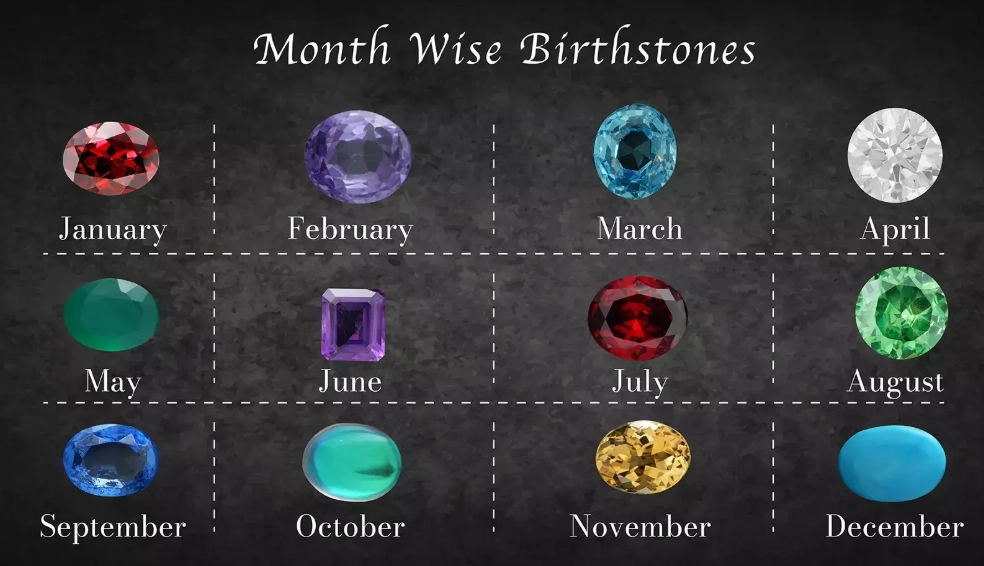
Birthstones aren't just pretty gems; they're personal symbols tied to your birth month, packed with history and meaning. If you've ever wondered why people wear specific stones for their birthday, this guide cuts through the noise. I've spent years in the gemstone industry, and let me tell you, most online lists miss the nuances—like how traditional birthstone lists vary by culture, or why some stones are terrible for daily wear. We'll cover everything from the classic monthly stones to picking jewelry that actually lasts.
Jump to What Interests You
What Are Birthstones? A Quick Dive into History
The concept of birthstones dates back to ancient times, with roots in biblical traditions and astrology. The modern list we often see—like garnet for January or sapphire for September—was standardized by organizations like the American Gem Trade Association in the early 20th century. But here's something most guides don't mention: there are multiple lists. The British have slight variations, and some cultures use zodiac stones instead. I once met a jeweler who insisted on using the ancient Tibetan list, which swaps out common gems for rarer ones. It's a mess if you're not careful.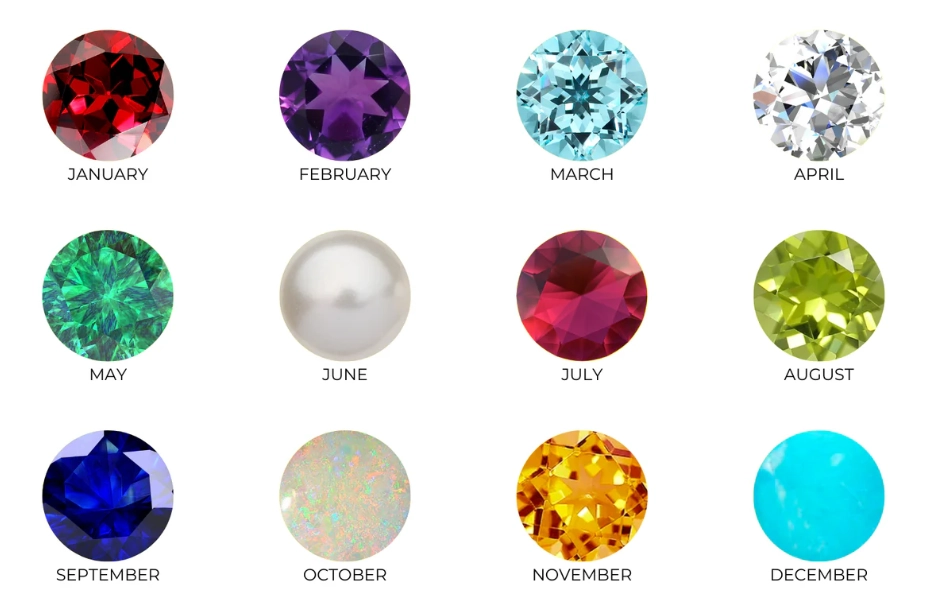
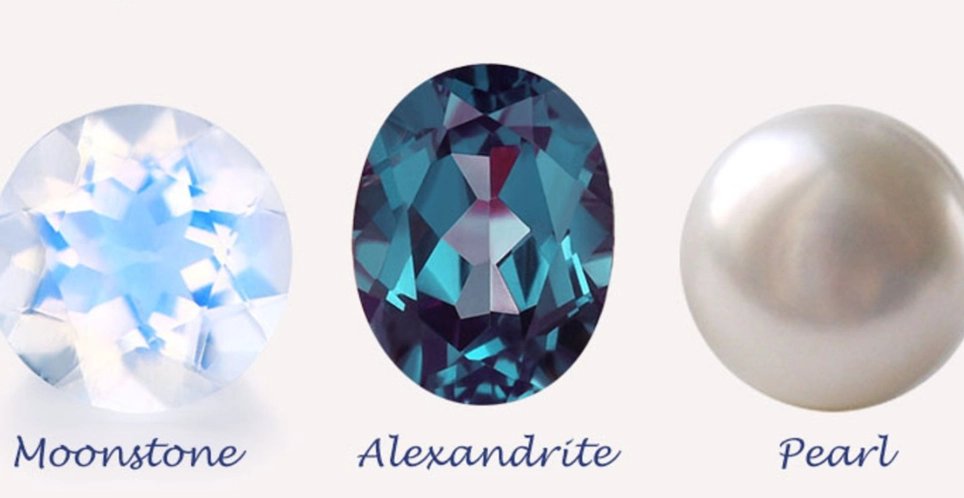
Why does this matter? Because when you're buying a birthstone gift, you might want to consider these alternatives. For example, the traditional birthstone for June is pearl, but alexandrite is a modern alternative that's more durable. The Gemological Institute of America provides a reliable reference, but even they note that personal preference trumps tradition.
Birthstone for Each Month: A Detailed Breakdown
Let's get into the nitty-gritty. Below is a table summarizing the primary birthstones by month, but don't stop there—each stone has its own story.
| Month | Primary Birthstone | Color | Hardness (Mohs Scale) | Key Meaning |
|---|---|---|---|---|
| January | Garnet | Deep red | 6.5-7.5 | Protection, friendship |
| February | Amethyst | Purple | 7 | Calmness, wisdom |
| March | Aquamarine | Light blue | 7.5-8 | Courage, serenity |
| April | Diamond | Colorless or varied | 10 | Strength, purity |
| May | Emerald | Green | 7.5-8 | Rebirth, love |
| June | Pearl or Alexandrite | White or color-change | 2.5-8.5 | Purity, luck |
| July | Ruby | Red | 9 | Passion, vitality |
| August | Peridot or Spinel | Green or varied | 6.5-8 | Harmony, protection |
| September | Sapphire | Blue | 9 | Wisdom, loyalty |
| October | Opal or Tourmaline | Multi-color or pink | 5.5-7.5 | Creativity, hope |
| November | Topaz or Citrine | Yellow or orange | 8 | Strength, joy |
| December | Turquoise or Tanzanite | Blue-green or blue | 5-6 | Prosperity, healing |
Now, let's zoom in on a few months where people often get confused.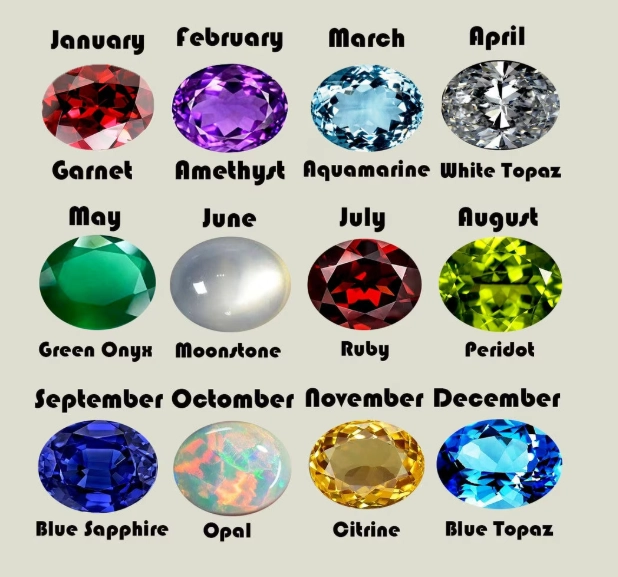
January – Garnet
Garnet isn't always red; it can be green, orange, or even colorless. Most folks think of the deep red variety, which is affordable and durable enough for everyday rings. But I've seen customers disappointed when their garnet pendant scratches easily—hardness matters. If you're active, consider setting it in protective bezels.
June – Pearl vs. Alexandrite
Pearls are classic, but they're soft and can degrade with sweat. Alexandrite, a modern addition, changes color from green in daylight to red under incandescent light. It's pricier but stunning. My sister, a June baby, prefers alexandrite because it's more unique, though she complains about the cost.
October – Opal
Opals are beautiful but fragile. They contain water, so they can crack in dry environments. A common mistake is wearing opal rings daily; I recommend pendants or earrings instead. Tourmaline, an alternative, offers similar colors with better durability.
Each stone has its quirks. For instance, emeralds (May) often have inclusions that are part of their charm, but some jewelers overcharge for flawless ones. Always ask for a grading report from a trusted source like GIA.
How to Choose the Right Birthstone Jewelry
Picking birthstone jewelry isn't just about the gem; it's about lifestyle, budget, and personal taste. Here's a step-by-step approach I use with clients.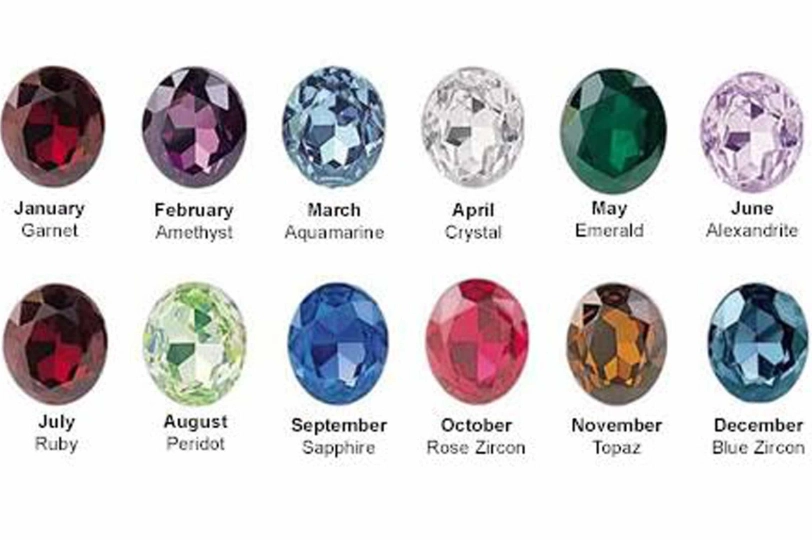
First, consider durability. If you're buying a ring for someone who works with their hands, avoid soft stones like pearls or opals. Sapphires and diamonds hold up better. I learned this when a friend's opal ring shattered after a few months—she was devastated.
Second, think about color preferences. Not everyone loves their birthstone's hue. For example, if someone born in April dislikes clear diamonds, suggest colored diamonds or alternative stones like quartz. The birthstone for birthdays should feel personal, not obligatory.
Third, set a budget. Birthstones range from affordable (garnet) to luxury (ruby). Don't fall for overpriced items; compare prices from reputable retailers. Check out the American Gem Trade Association for certified vendors.
Fourth, choose the setting. White gold enhances blue stones like sapphire, while yellow gold complements garnet. For a modern twist, consider mixed-metal designs.
Pro tip: Always inspect the gem under natural light. I once bought an amethyst necklace online that looked purple in photos but turned out grayish in person. Now, I insist on seeing videos or store visits.
Lastly, consider symbolism. Some people believe in gemstone healing properties, like amethyst promoting calm. While there's no scientific backing, if it adds sentimental value, go for it. Just don't expect miracles.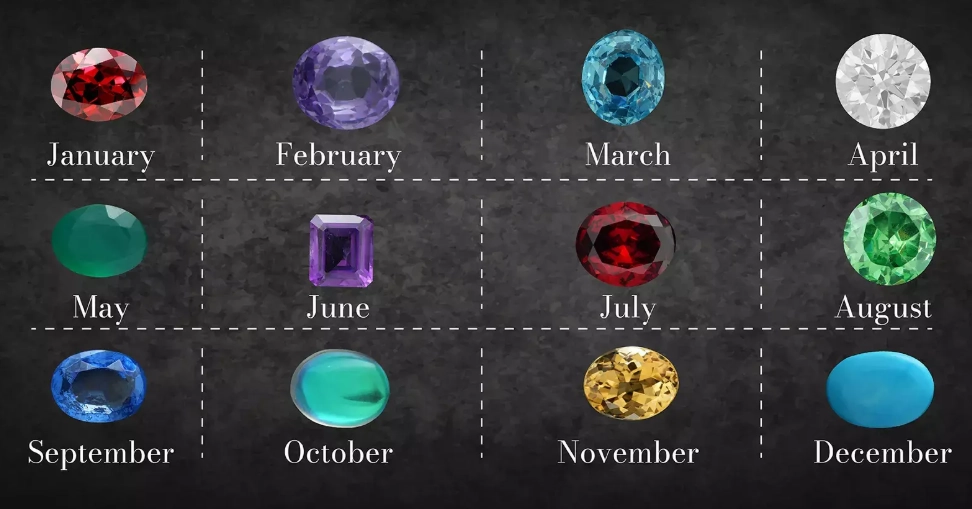
Debunking Common Birthstone Myths
There's a lot of misinformation out there. Let's clear up a few.
Myth 1: Birthstones must match your month exactly. Nope. Many cultures encourage wearing multiple stones for different benefits. I've worn a sapphire (September) even though I'm a March baby—it just felt right.
Myth 2: All birthstones are equally durable. False. As the table shows, hardness varies widely. Turquoise (December) scratches easily, making it poor for rings.
Myth 3: Birthstones are only for jewelry. Not true. They're used in decor, watches, and even tech accessories. I saw a custom phone case with inlaid birthstones—cool, but impractical for drops.
Myth 4: Traditional lists are universal. Actually, they differ by region. The British list includes bloodstone for March, while the U.S. uses aquamarine. If you're gifting internationally, check local preferences.
These myths can lead to bad purchases. A client once bought a pearl ring for daily wear, only to see it deteriorate quickly. Education saves money.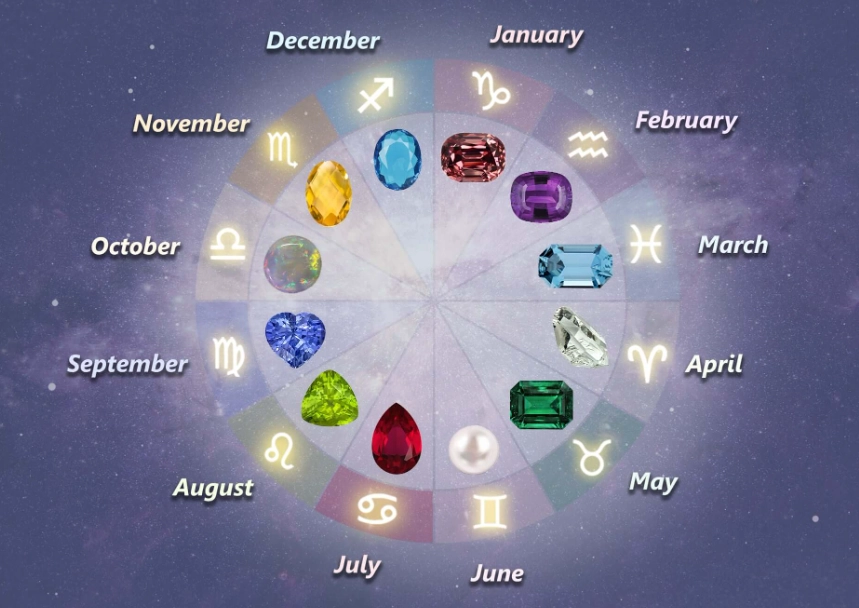
Your Birthstone Questions Answered
Wrapping up, birthstones for birthdays offer a blend of tradition and personal expression. Whether you're buying a gift or treating yourself, focus on what feels meaningful. Skip the generic advice and tailor choices to lifestyle—durability matters more than you think. And remember, the best birthstone is one that brings you joy, month after month.