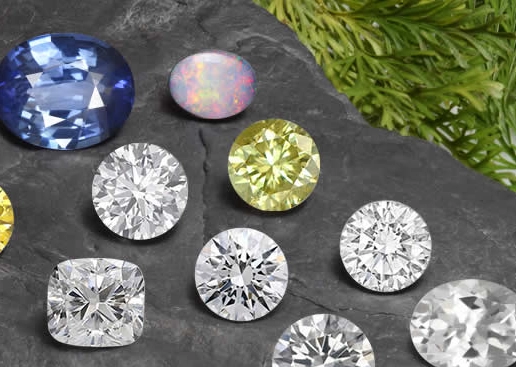
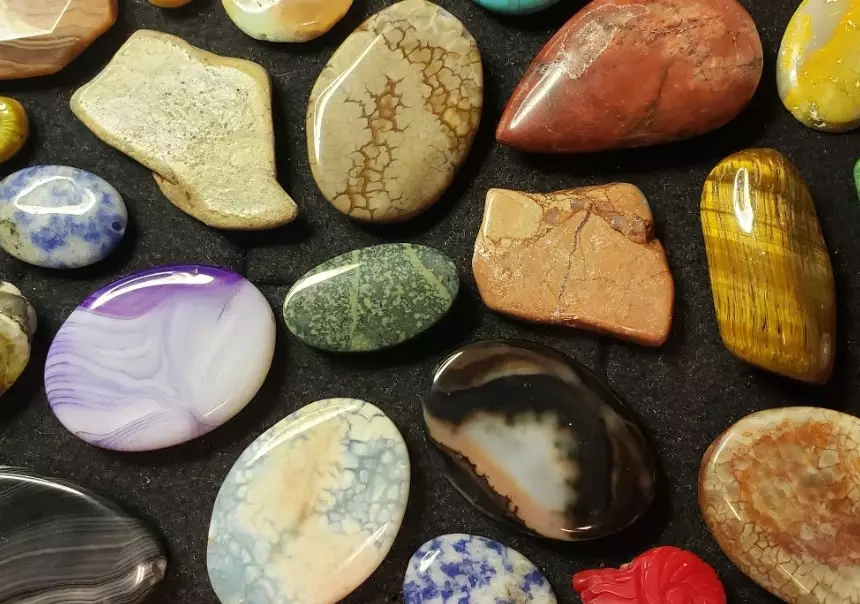
You probably know your birth month's gem. But when someone mentions "birthstone gemstone properties," what comes to mind? A vague sense of "good luck" or "protection"? Most lists stop there, leaving you with a pretty color and a one-word mantra. That's a surface-level take. The real properties of these stones weave together geology, history, cultural belief, and a surprising amount of practical jewelry advice. Let's dig deeper than the calendar chart.
Your Guide to Birthstone Properties
What Are Birthstone Properties Really About?
Think of "properties" in three layers: physical, historical, and intentional.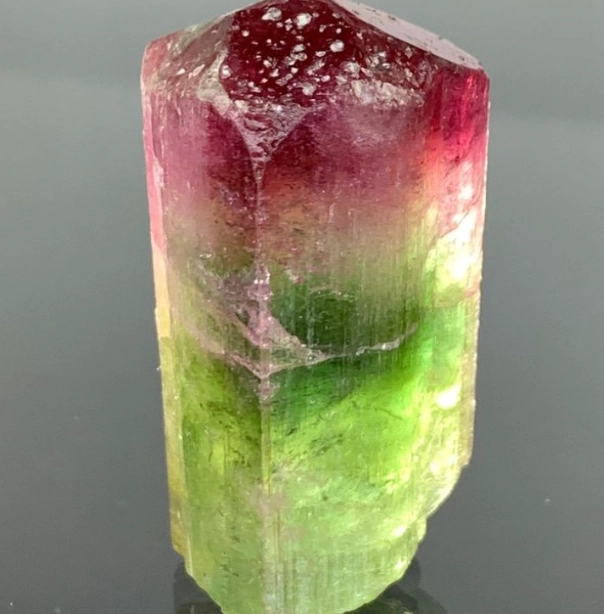
The physical layer is straightforward. This is Mohs hardness (will it scratch if you wear it daily?), crystal structure, and color cause. A diamond's unmatched hardness (10) is a property. An opal's play-of-color from silica spheres is a property. This stuff matters if you plan to wear the stone, not just admire it in a box.
The historical layer is where lore builds up over centuries. Ancient Romans associated garnet with protection during travel. Medieval lapidaries claimed sapphires could cure eye ailments. These weren't random guesses; often, a stone's color or source inspired the link. Green emerald for growth and vision, deep blue sapphire for celestial connection.
Here's a non-consensus point: The "metaphysical properties" you read online aren't ancient gospel. Many are modern interpretations, popularized in the last 50 years. That doesn't make them invalid—it just means you shouldn't stress about "getting the ancient meaning wrong." Your personal connection is newer, and just as valid.
The intentional layer is the most personal. This is the property you assign the stone. Maybe an amethyst reminds you of a peaceful vacation, so it becomes your "calm" stone. That's a real property for you. The stone becomes a tangible anchor for an intention—focus, courage, memory. This is where the magic actually happens, not in some universal energy field the stone emits.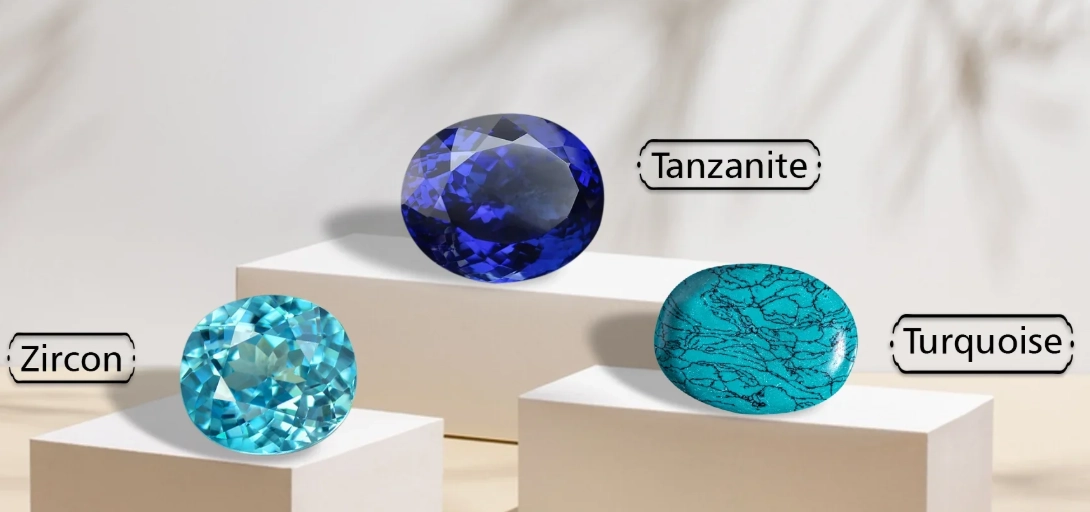
The Complete Monthly Birthstone Chart & Properties
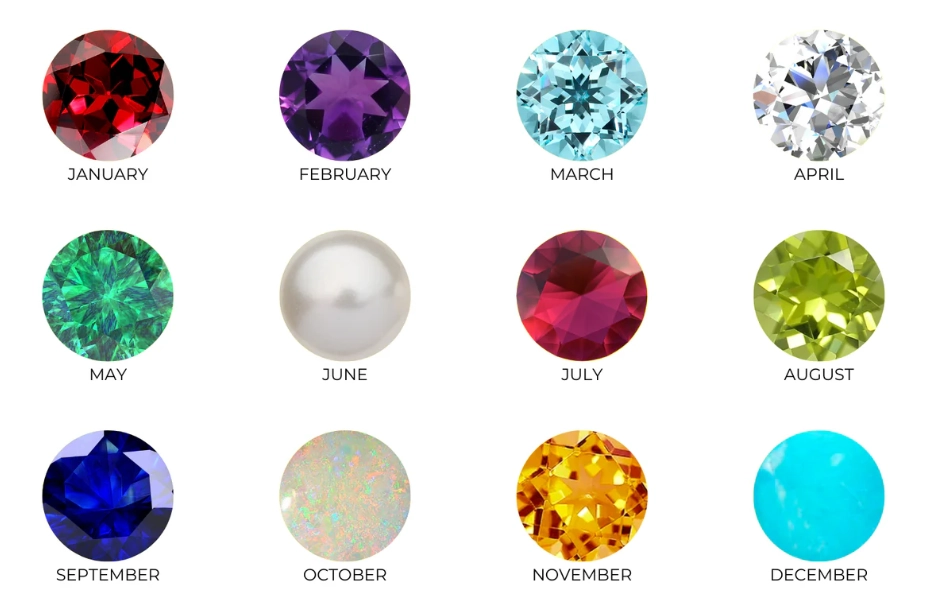
Let's move beyond the one-word associations. This table includes the standard modern birthstone, key physical traits that affect wearability, the core historical/lore-based property, and one practical, less-mentioned tip.
| Month | Birthstone | Key Physical Property (Mohs) | Core Historical Property | One Practical Tip |
|---|---|---|---|---|
| January | Garnet | 7-7.5 (Good for rings) | Protection, safe travel, regulating blood flow. | Almandine garnets (deep red) are most common, but Tsavorite (green) offers a vivid alternative with the same durability. |
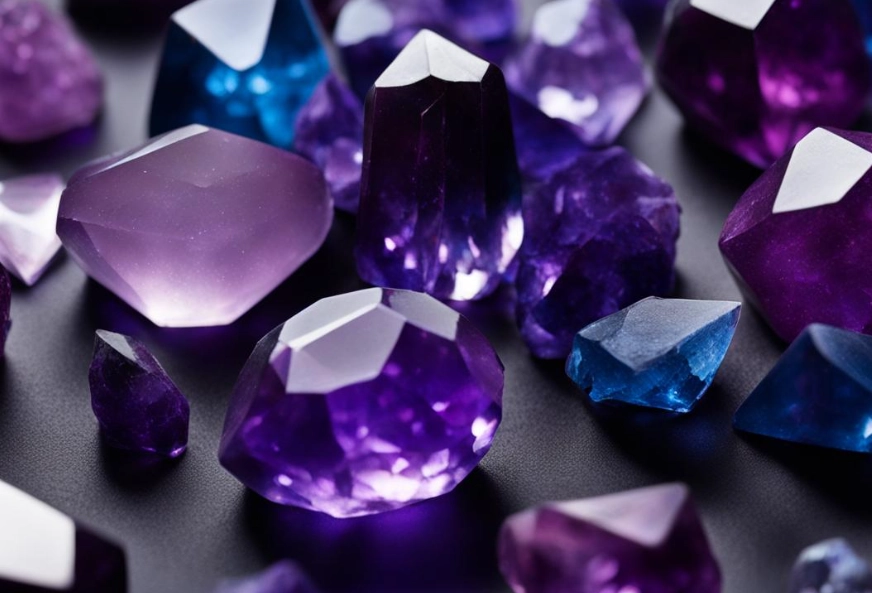
| February | Amethyst | 7 (Durable, but can fade) | Sobriety, clarity of mind, peaceful sleep. | Keep it out of prolonged direct sunlight to prevent color fading. A great, affordable option for statement pieces. |
| March | Aquamarine | 7.5-8 (Good hardness) | Courage of sailors, calming stormy emotions. | Its pale blue color can look washed out in yellow gold. Set it in white gold or platinum for maximum pop. |
| April | Diamond | 10 (The hardest) | Invincibility, eternal love, purity. | Hardness isn't toughness. Diamonds can still chip if hit at the girdle. Don't assume it's indestructible. |
| May | Emerald | 7.5-8 (Often included, brittle) | Rebirth, foresight, enhancing intuition. | Almost all emeralds are oil-treated. Never clean with ultrasonic or steam; use only mild soap and water. |
| June | Pearl / Alexandrite | 2.5-4.5 (Pearl: Very soft) / 8.5 (Alex: Very hard) | Pearl: Purity, wisdom. Alexandrite: Balance, joy. | Pearls are last-on, first-off jewelry. Apply perfume and cosmetics before putting them on. Alexandrite's color change is best seen under incandescent light. |
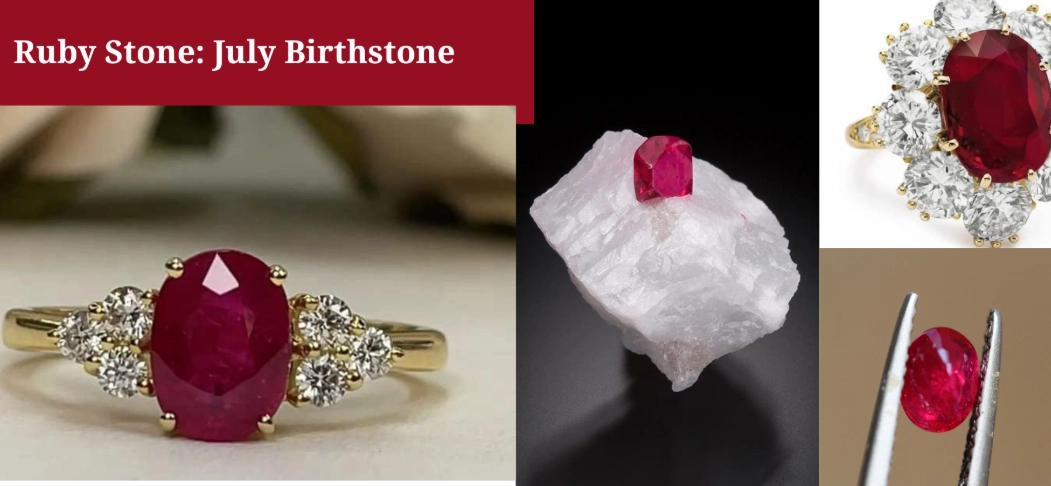
| July | Ruby | 9 (Excellent durability) | Vitality, passion, protecting against misfortune. | Heat treatment to enhance color is standard. Ask your jeweler about treatments. A "pigeon's blood" red commands a major premium. |
| August | Peridot / Spinel | 6.5-7 (Peridot: Fair) / 8 (Spinel: Excellent) | Peridot: Reducing anger, attracting prosperity. | Peridot scratches easily. Better in earrings or pendants than rings. Spinel is an underrated, often untreated alternative with great fire. |
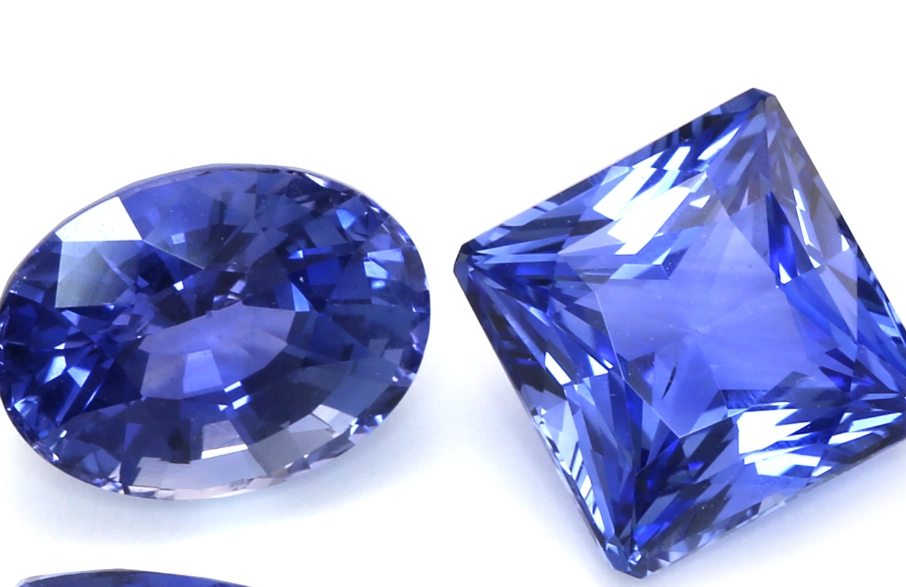
| September | Sapphire | 9 (Excellent durability) | Wisdom, fidelity, divine favor. | "Sapphire" means blue corundum, but it comes in every color except red (that's ruby). A pink or yellow sapphire offers unique symbolism. |
| October | Opal / Tourmaline | 5.5-6.5 (Opal: Soft, porous) / 7-7.5 (Tour: Good) | Opal: Creativity, inspiration. Tourmaline: Protection. | Opals crave moisture. Dry climates can cause cracking. Consider a "hydrophane" opal that absorbs water. Tourmaline is often heat-treated for color. |
| November | Topaz / Citrine | 8 (Topaz) / 7 (Citrine) | Topaz: Strength, intelligence. Citrine: Abundance, joy. | Most blue topaz is irradiated to achieve that color. It's stable and safe. Natural citrine is rare; most is heat-treated amethyst. |
| December | Turquoise / Tanzanite / Zircon | 5-6 (Turq: Soft, porous) / 6.5 (Tanz: Careful) / 6.5-7.5 (Zirc) | Turquoise: Healing, friendship. Tanzanite: Transformation. | Turquoise is often stabilized with resin. Avoid oils and chemicals. Tanzanite has perfect cleavage—can split from a sharp blow. Zircon is brittle, despite good hardness. |
See how the physical property directly informs the practical tip? That's the connection most guides miss. You can't talk about an opal's inspirational properties without warning someone it might crack in Arizona air.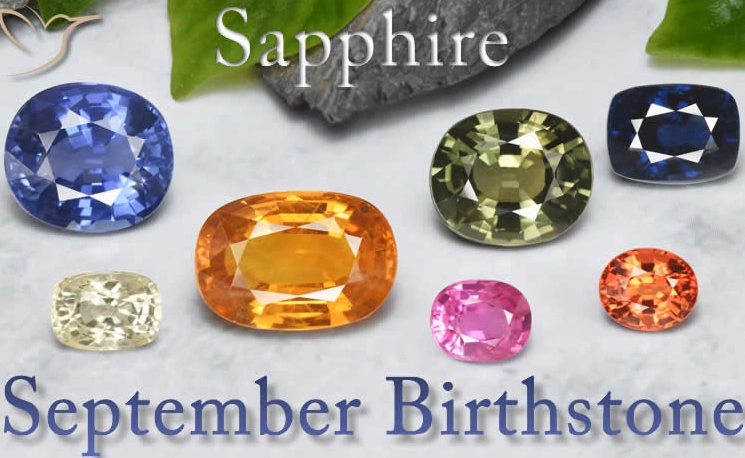
How to Choose the Right Stone For You (Beyond Your Month)
Sticking solely to your birth month is like only eating food from your birth country. You might be missing out. Here’s a more personal selection framework.
Listen to Your Gut Reaction
You walk past a jewelry case and one stone consistently catches your eye. That’s data. Maybe you're drawn to the deep blue of a sapphire even though you're a May baby. That attraction is a property in itself—it signals a resonance. Don't ignore it because a chart says you should wear green.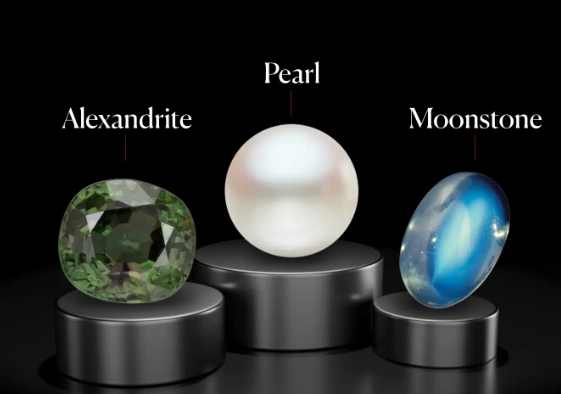
Match the Property to a Life Chapter
Are you starting a new job? Look to stones historically linked with courage and communication like aquamarine or lapis lazuli. Going through a period of grief? Perhaps a rose quartz for gentle heart healing, not your traditional birthstone. Treat stones like tools, not just labels.
Consider the "Vibe" Not Just the Lore
I have a client who swears by a moss agate bracelet during gardening season. Moss agate isn't a birthstone, but its chaotic green inclusions remind her of growth and soil. It works for her. The property is personal symbolism.
A common mistake: buying a delicate stone like an opal or emerald for a ring you plan to wear every day while working with your hands, then being devastated when it chips. The intended "property" of beauty is defeated by ignoring the physical property of hardness and toughness. Always cross-reference.
Caring for Your Stones to Maintain Their Properties
A damaged or filthy stone can't anchor your intentions very well. Care is practical spirituality.
For most hard stones (7+ on Mohs): A soft brush, mild dish soap, and lukewarm water is safe. Rinse well. Ultrasonic cleaners are generally safe for diamonds, sapphires, and rubies but are a hard no for many others.
For soft or porous stones (opal, turquoise, pearl, emerald): Wipe only with a damp, soft cloth. Never soak. Store them separately to prevent scratching. Keep them away from heat, harsh chemicals, and hairspray.
Energetic" cleansing (if that's your thing): If you believe in clearing a stone's "energy," do it safely. Running water can damage many gems. Instead, try:
- Smudging with sage smoke (keep stone at a safe distance from heat).
- Burying in dry brown rice overnight.
- Placing on a selenite charging plate (a popular and safe method).
The property of longevity is maintained through proper care.