What's Inside This Guide
I remember walking into a jewelry store years ago, completely overwhelmed by the wall of glittering gems. The salesperson asked, 'Looking for a birthstone?' I nodded, but honestly, I had no clue what that meant beyond my month's gem. Turns out, birthstone colors and meanings go way deeper—they're tied to history, symbolism, and even personal energy. Whether you're picking a gift, treating yourself, or just curious, understanding these stones can feel like unlocking a secret code. Let's break it down without the fluff.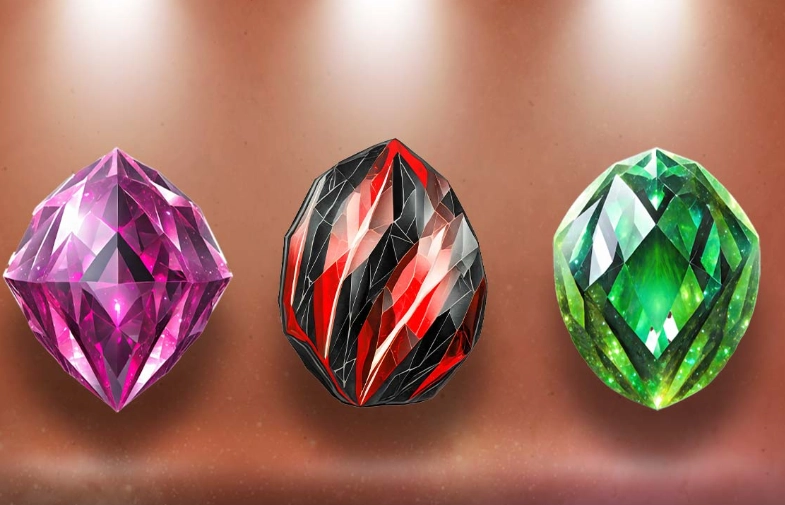
What Are Birthstones and Why Do They Matter?
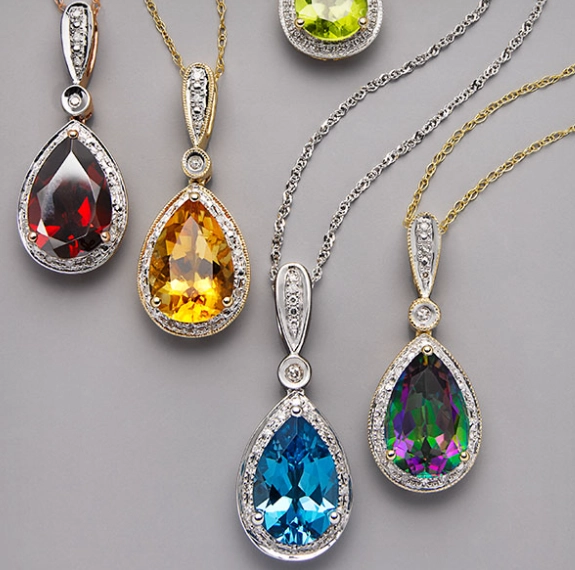
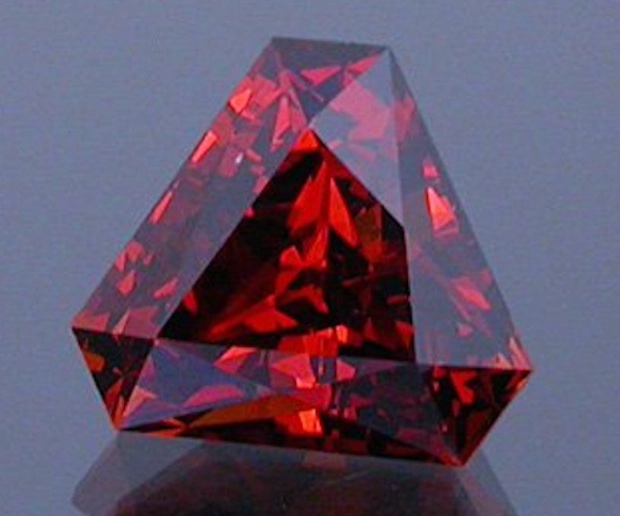
Birthstones are gems associated with each month of the year, often used in jewelry for their symbolic meanings. The tradition dates back to ancient times, with roots in biblical breastplates and zodiac signs. But here's the thing—it's not just about wearing a pretty rock. These stones carry colors and meanings that can reflect personality, offer protection, or mark milestones. For example, garnet for January isn't just red; it's linked to passion and commitment. I've seen clients use birthstones to celebrate birthdays, anniversaries, or even as reminders of personal goals.
A Brief History That Most Guides Skip
Many articles mention the 1912 standardization by the National Association of Jewelers, but few dive into why some gems changed. Originally, birthstones were based on the Aaron's breastplate in Exodus, with 12 stones for the 12 tribes. Over time, availability and mining influenced swaps—like tanzanite replacing turquoise for December in 2002. If you're into vintage pieces, this matters. A gemologist once told me that older birthstone lists can affect value, especially for months like August that now have peridot as a modern addition.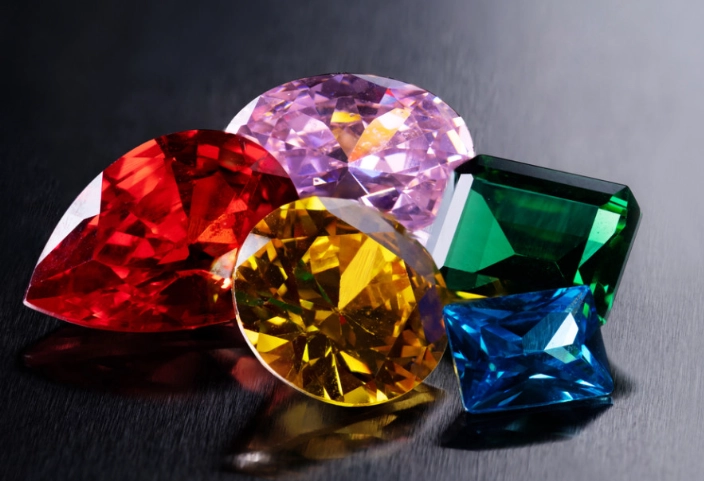
Monthly Birthstone Colors and Their Hidden Meanings
Each month's stone has a unique color palette and symbolism. Below is a quick table to visualize it, but I'll share nuances you won't find elsewhere.
| Month | Birthstone | Primary Color | Key Meanings |
|---|---|---|---|
| January | Garnet | Deep Red | Passion, protection, friendship |
| February | Amethyst | Purple | Calmness, wisdom, sobriety |
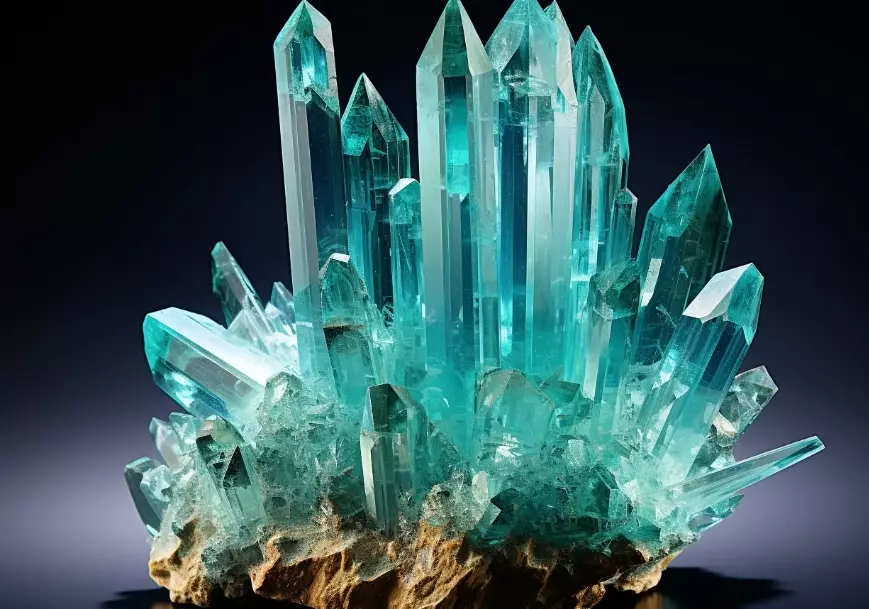
| March | Aquamarine | Pale Blue | Courage, serenity, communication |
| April | Diamond | Clear/White | Strength, purity, eternal love |
| May | Emerald | Green | Growth, rebirth, patience |
| June | Pearl, Alexandrite, Moonstone | White, Color-shift, Iridescent | Innocence, luck, intuition |
| July | Ruby | Red | Vitality, passion, protection |
| August | Peridot, Sardonyx | Green, Banded Red-Black | Strength, healing, good fortune |
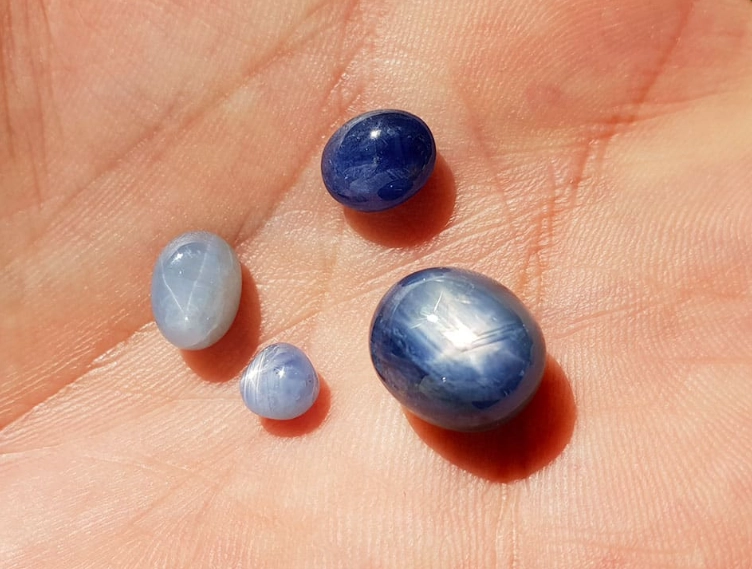
| September | Sapphire | Blue (often) | Wisdom, loyalty, nobility |
| October | Opal, Tourmaline | Multicolor, Pink-Green | Creativity, hope, emotional balance |
| November | Topaz, Citrine | Yellow-Orange | Strength, healing, positivity |
| December | Turquoise, Zircon, Tanzanite | Blue-Green, Blue, Purple-Blue | Success, friendship, transformation |
Now, let's get specific. For March, aquamarine's pale blue isn't just pretty—it's said to calm seas and minds. I wore it during a stressful job interview, and while it might be placebo, the color reminded me to breathe. For June, many people default to pearls, but alexandrite's color-shift from green to red under light symbolizes adaptability, perfect for someone with a dynamic personality. A friend of mine, a June baby, swears by moonstone for its intuitive vibes; she calls it her 'gut-check gem.'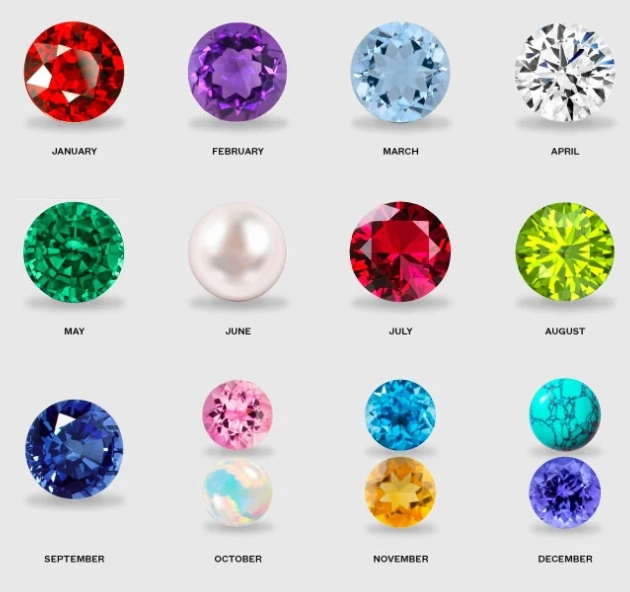
Pro Tip: Don't just stick to the primary color. Some stones like sapphire come in pinks or yellows—called 'fancy sapphires'—and they carry similar meanings. If blue doesn't suit you, try a padparadscha sapphire (orange-pink) for September.
How to Choose the Right Birthstone for You or a Gift
Picking a birthstone isn't just about month matching. Think of it like choosing a wine—consider the occasion, the person's taste, and the stone's properties. Here's a scenario: You're buying a birthday gift for a friend born in April. Diamonds are classic, but maybe they prefer something less traditional. You could opt for a white topaz as a more affordable alternative, or even a diamond simulant like moissanite for sparkle on a budget. I did this for my sister; she loved the look without the cost.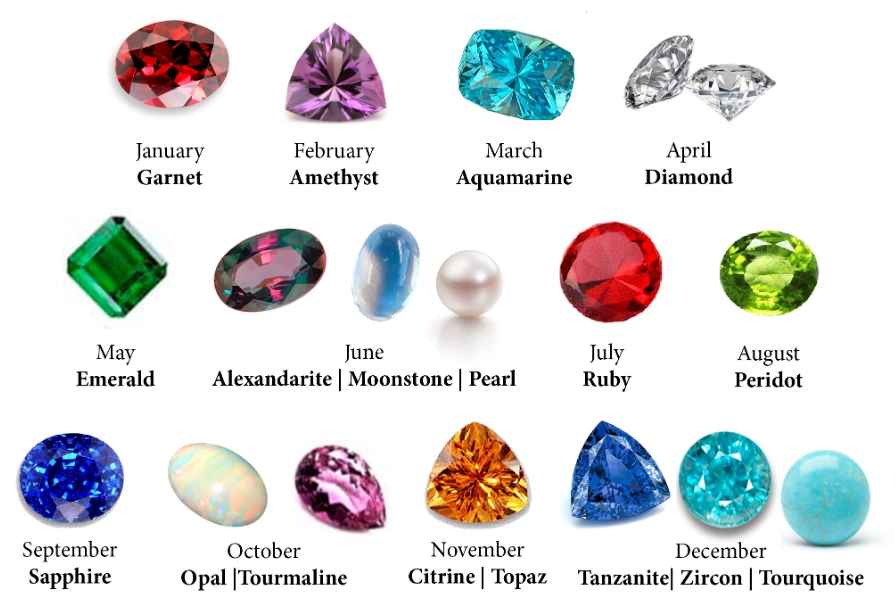
Consider these factors:
- Color Preference: If they adore green, an emerald (May) might resonate more than their actual month's stone.
- Meaning Alignment: For a graduation gift, citrine (November) symbolizes success—great even if they're born in March.
- Durability: For everyday wear, harder stones like sapphire (September) last longer than opal (October), which can scratch easily.
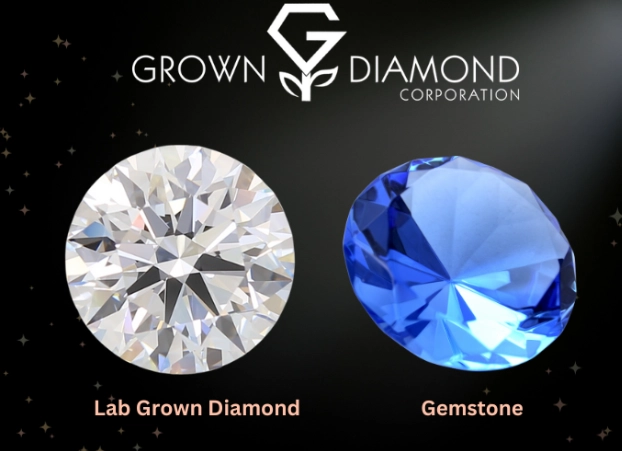
- Budget: Birthstones range widely. Garnet (January) is often more affordable than ruby (July). Lab-created gems, like synthetic emeralds, offer beauty without the high price.
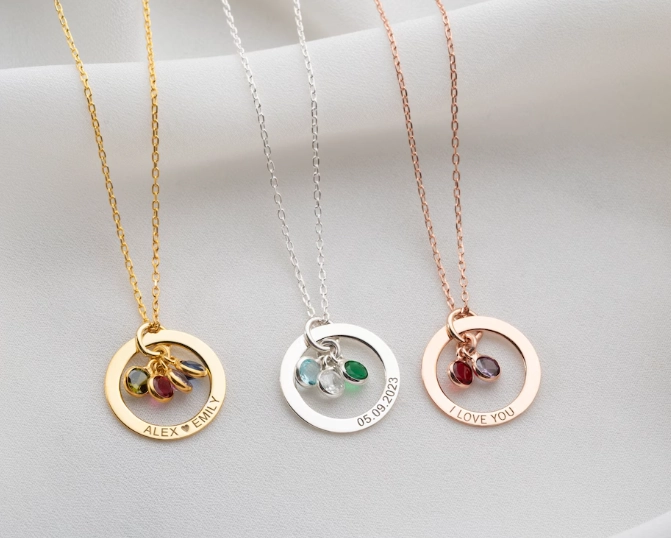
I once helped a client mix birthstones in a bracelet for her family: each kid's stone plus hers. It wasn't about months but colors that complemented each other—deep garnet, light aquamarine, and vibrant peridot. She said it told a story.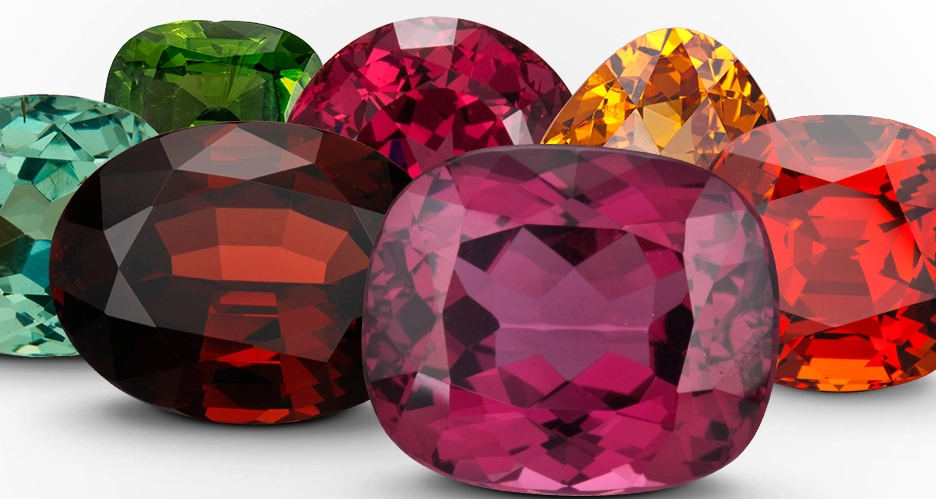
Common Misconceptions and Expert Tips
Let's clear up some confusion I see all the time.
Misconception 1: You must wear only your birth month's stone. Nope. Many cultures, like Ayurveda, assign gems based on planetary alignments, not birth dates. I wear an amethyst (February) for focus, though I'm a July baby. It's about what the stone means to you.
Misconception 2: All birthstones are natural. Not always. Many are treated—heated, irradiated, or oiled—to enhance color. For example, most blue topaz (December) is irradiated to achieve that shade. Ask about treatments; a good jeweler will disclose this. GIA reports are gold here.
Expert Tip: Don't ignore hardness. Opal (October) is soft (5.5 on Mohs scale), so avoid rings for daily wear. Choose pendants or earrings instead. I learned this after cracking an opal ring doing dishes.
Caring for Your Birthstone Jewelry
To keep gems shining, tailor care to the stone. Diamonds (April) can handle ultrasonic cleaners, but pearls (June) will dull with chemicals. Here's my routine:
- Soft Stones (Opal, Pearl): Wipe with damp cloth, store in soft pouch, avoid heat.
- Medium Stones (Emerald, Tanzanite): Use mild soap water, gentle brush, no steam.
- Hard Stones (Sapphire, Ruby): Regular cleaning with jewelry solution, check settings annually.
Store pieces separately. I use a fabric-lined box with compartments. Exposure to sunlight can fade some gems like amethyst over years—keep them in dark when not worn.