You're searching for an anniversary gift. Jewelry feels right, meaningful. Then you stumble upon the "birthstone anniversary stones" lists—traditional, modern, a jumble of gems and years. It's supposed to help, but sometimes it just adds pressure. Is the 8th anniversary really black onyx? What if my partner would prefer something else?
Let's clear the air. These lists are a fantastic starting point, a thread of tradition connecting decades of celebration. But slavishly following them can miss the point. The real magic isn't in checking a box; it's in using that tradition as a springboard for a gift that feels uniquely yours.
I've worked with gems and clients for years, and the most memorable anniversary pieces always have a story that goes beyond the chart.
Your Quick Guide to Anniversary Stones
Where Did These Anniversary Stone Lists Come From?
This tradition didn't fall from the sky. The most commonly cited source is a 1920s marketing effort by the American National Retail Jewelers Association (now Jewelers of America). They published a list assigning specific gifts—including gemstones—to each anniversary year, up to the 15th and then for key milestones after.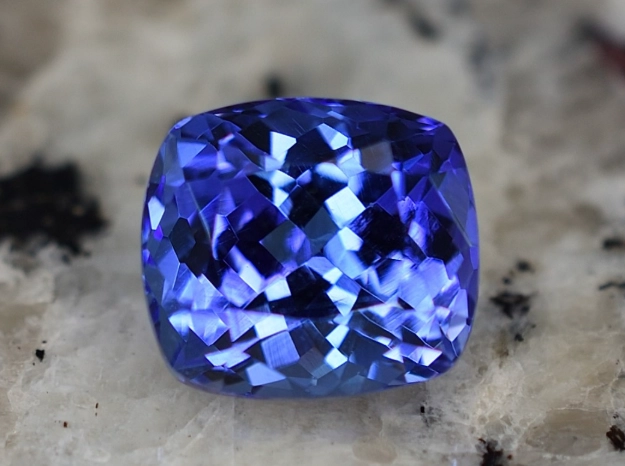
The idea was genius: it gave people a framework for a meaningful, escalating gift tradition. The first year was paper, the fifth wood, the tenth tin, and so on. Gemstones were woven into this, with bigger, more precious stones reserved for the later, more significant years (diamond for 60th, for example).
The "modern" list came later, as tastes and commerce evolved. The modern list, often attributed to updates by jewelry associations in the mid-20th century, swapped out some of the less durable or less popular materials for gems that were more commercially viable and appealing. Linen for year 4? That became blue topaz or sapphire. Iron for year 6? Hello, amethyst.
Here's the thing most articles don't say: these lists were always meant as suggestions, not commandments. They were a tool to sell jewelry, yes, but also to inspire thoughtful gifting. Getting hung up on "getting it right" defeats the purpose.
Traditional vs. Modern Anniversary Stones: The Full Breakdown
Let's look at the lists side-by-side. Seeing them this way shows the evolution and gives you options. I've added a column for what I call "Practical Notes"—things like typical price range for a decent piece and durability concerns you should know about.
| Anniversary Year | Traditional Gift (Stone/Material) | Modern Gift (Stone) | Practical Notes & Symbolism |
|---|---|---|---|
| 1st | Paper (Gold Jewelry) | Gold Jewelry or Peridot | Peridot is affordable ($). Gold is timeless. A simple gold band or peridot studs are perfect starters. |
| 5th | Wood (Sapphire) | Sapphire (any color) | A classic. Sapphire is extremely durable (9/10 hardness). Blue is traditional, but pink or yellow are stunning modern choices ($$$). |
| 10th | Tin/Aluminum (Diamond) | Diamond Jewelry | The big one. Diamond symbolizes enduring strength. Lab-grown diamonds now offer identical quality at a better price point ($$$$). |
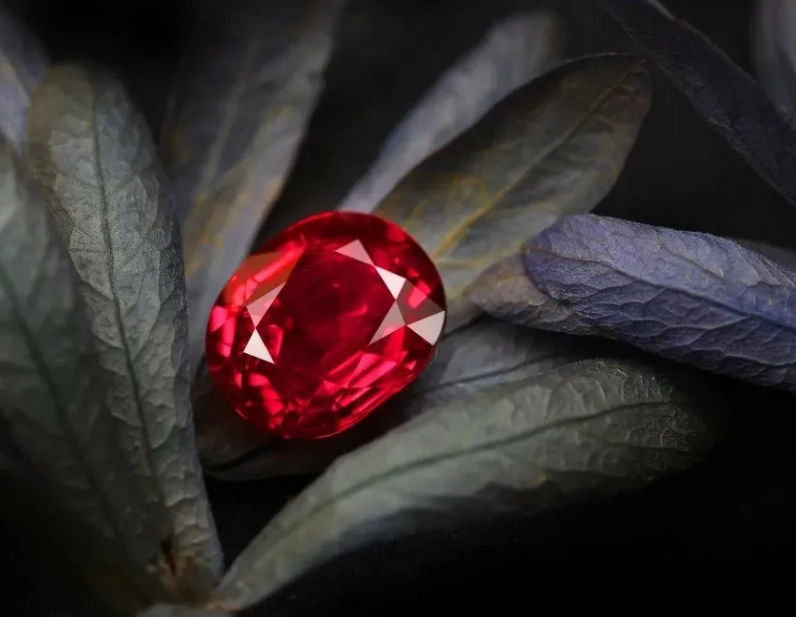
| 15th | Crystal (Ruby) | Ruby | Ruby's deep red is all about passion and vitality. Look for a rich color over perfect clarity. A great colored stone milestone ($$$). |
| 25th | Silver (Silver) | Silver Jubilee | Silver itself is the star. A significant piece of sterling silver or a gem set in silver (like alexandrite) honors this perfectly ($-$$). |
| 50th | Gold (Gold) | Gold | The ultimate celebration. Go for high-karat gold (18k or 22k) for a truly special feel. This is the time for heirloom-quality ($$$$). |
Notice a pattern? The modern list often upgrades the traditional material to a specific gemstone, especially in the early years. It also sometimes offers more flexibility—like "sapphire (any color)" instead of just blue.
A quick rant: The traditional list for the 8th anniversary is "bronze/pottery" and the stone is listed as tourmaline. But I've seen so many generic articles blindly copy-paste that it's become "bronze = black onyx." That's a mix-up! Tourmaline comes in every color; black onyx is a type of chalcedony. If you want to follow tradition, tourmaline (especially pink or green) is a gorgeous and more personal choice than basic black onyx.
How to Actually Choose an Anniversary Stone (The Practical Stuff)
Forget the chart for a second. Let's talk about your partner and your life.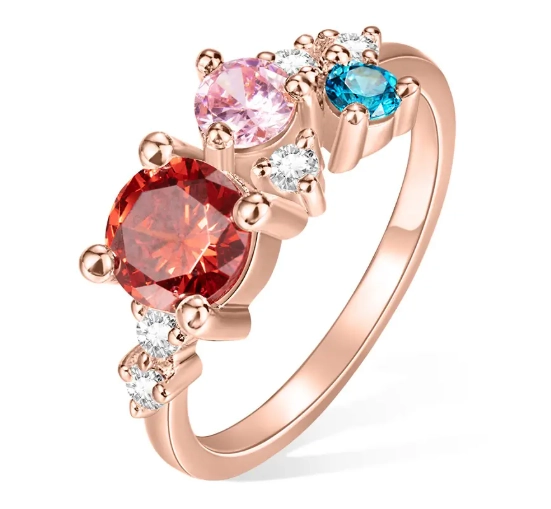
Consider Lifestyle First (The Durability Test)
This is the expert advice most people ignore. That beautiful pearl ring (traditional for 1st and 30th) is a nightmare for someone who works with their hands or is just active. Pearls are soft and can be damaged by chemicals, even perfume.
Use the Mohs hardness scale as a guide. For an everyday ring, aim for a hardness of 7 or higher (quartz, topaz, sapphire, diamond). For earrings or pendants, you have more flexibility—softer stones like opal (5.5-6.5) or pearl (2.5-4.5) are safer there.
I had a client insist on an emerald (7.5-8) engagement ring for her 5th anniversary. Emeralds are brittle. We designed it with a protective bezel setting, and she's extra careful. It works because she knew the risk. Most people don't.
Blend the Lists for Something Unique
The lists aren't mutually exclusive. Use them as a mash-up menu.
Is it your 12th anniversary? Traditional is silk and linen (not helpful), modern is jade or opal. But your partner loves the ocean. Why not look for a pearl (traditional for year 1 or 30) set in a modern, sleek design? The stone has meaning from another part of the tradition, and the design makes it feel fresh and personal for your 12th year.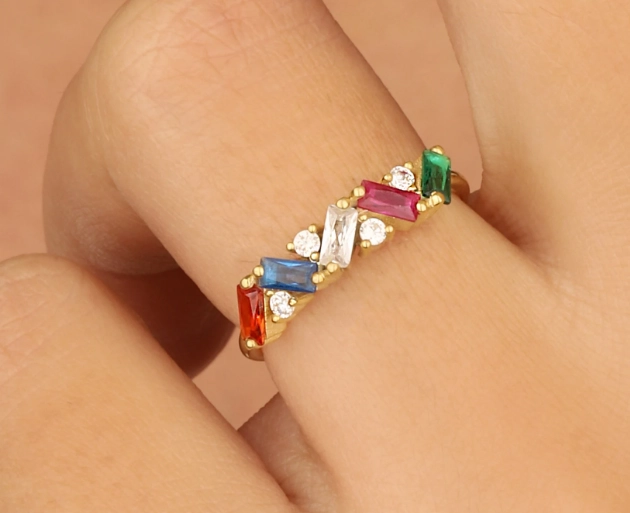
Prioritize Personal Symbolism Over Calendar Symbolism
This is the golden rule. The most powerful anniversary stone is one that already has a story.
- Their Birthstone: Always a winner. It personalizes the "anniversary stone" concept completely.
- A Stone from a Memorable Place: Did you honeymoon in Australia? An opal. Safari in Tanzania? A stunning tanzanite. This adds a layer of memory no chart can provide.
- The Stone They Always Admire: Listen. If she's always pointing out aquamarine in shop windows, who cares if it's not on the list for your anniversary year? Get the aquamarine.
The goal is to see the spark of recognition and joy, not a nod of "oh, you followed the chart correctly."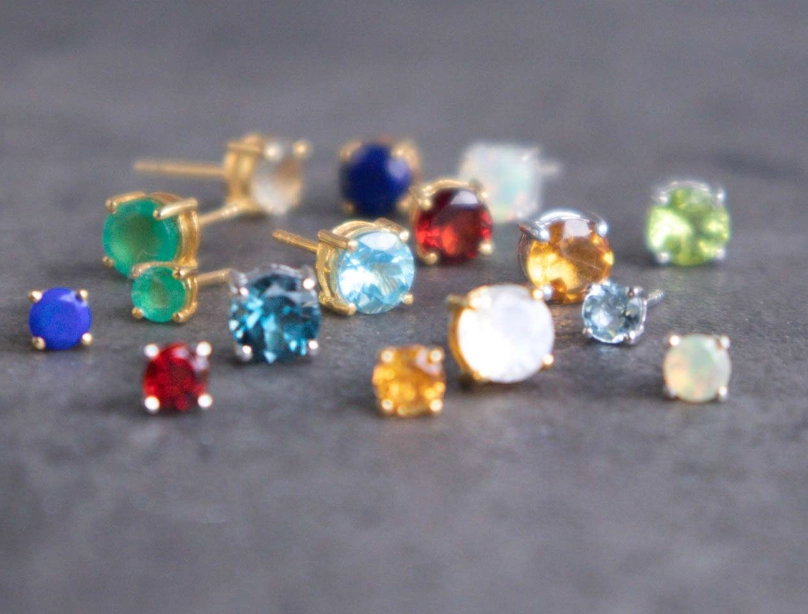
Your Top Anniversary Stone Questions, Answered
At the end of the day, these lists of birthstone anniversary stones are a language—a way to express how a relationship grows and strengthens over time. Learn the vocabulary, sure. But then use it to write your own story. The most valuable gem you can give is one that reflects the unique journey you're on together, chart or no chart.
Start with the list if it helps. Then immediately start thinking about how to bend it, blend it, or break it to make it truly yours. That's where the real treasure is.