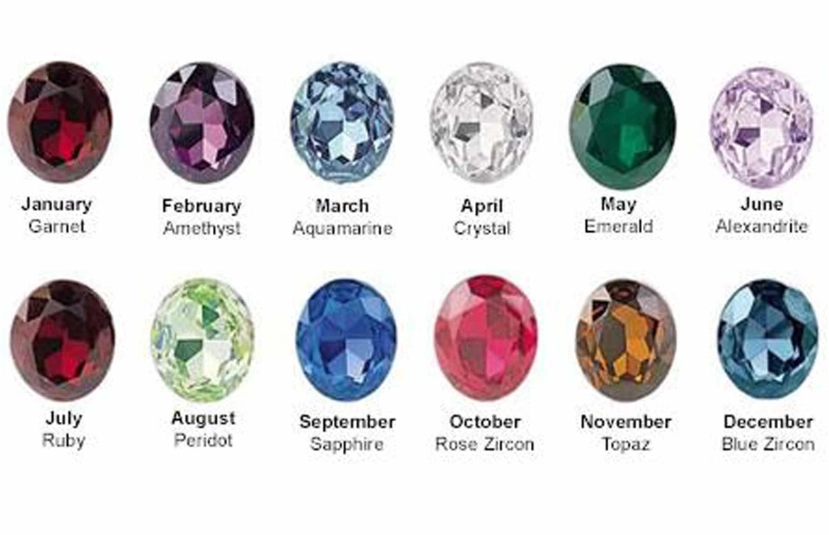
Stuck with a birthstone you don't love? You're not alone. The traditional monthly list feels rigid. Maybe your stone is too expensive, too soft for daily wear, or just not your color. That's where birthstone alternate stones come in—a world of creative, personal, and often more practical options.
This isn't about settling for less. It's about finding more. More choice, more personality, more value.
What's Inside This Guide
What Exactly Are Alternate Birthstones?
Think of them as the supporting cast that often steals the show. Alternate birthstones are gemstones that, while not on the "official" list (like the one from the American Gem Trade Association or the UK's National Association of Goldsmiths), have historical, cultural, or aesthetic connections to a birth month.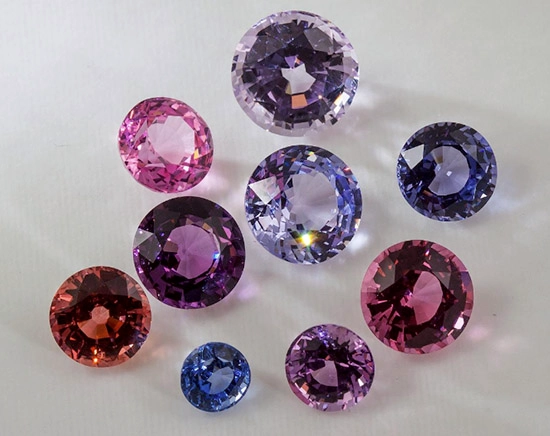
Sometimes they're a different variety of the same mineral family. Other times, they're a completely different stone that shares a key characteristic, like color.
Key Point: There is no single universal birthstone list. The modern list most people know was standardized in 1912 by the Jewelers of America to simplify marketing. Many months have multiple traditional stones, and cultures worldwide have their own associations. So, calling a stone an "alternate" is often just a matter of perspective.
I remember a client who hated her assigned stone. She felt boxed in. When we explored alternates, her whole demeanor changed. She found a gem that resonated with her personality, not just her birthday. That's the power of choice.
Top Reasons to Choose an Alternate Birthstone
Why bother looking beyond the standard list? The reasons are more practical than you might think.
1. Budget Without Sacrificing Beauty
Let's be honest. A high-quality, natural ruby (July) or diamond (April) can cost a fortune. An alternate stone like a vibrant red spinel or a brilliant white sapphire can give you 90% of the look for 10% of the price. This isn't about fake gems; it's about choosing a naturally beautiful stone that's more accessible.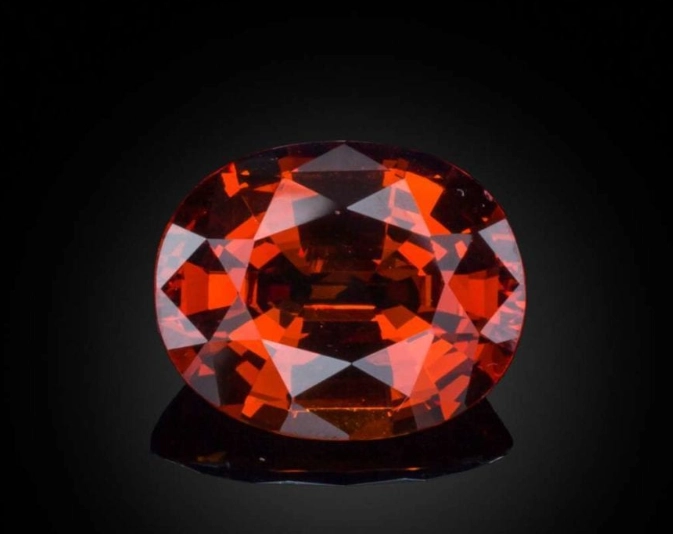
You can get a larger, cleaner, more impressive centerpiece stone for your budget.
2. Durability for Real Life
The traditional list includes some surprisingly soft stones. June's pearl and opal, November's topaz and citrine (which can fade), even July's ruby can have inclusions that make it prone to cracking if hit just right.
If you want a ring you'll wear every day without constant worry, an alternate with a higher Mohs hardness rating is a smart move. A blue sapphire (9) is exponentially more scratch-resistant than a tanzanite (6.5) for December, for instance.
3. Personal Style and Color Preference
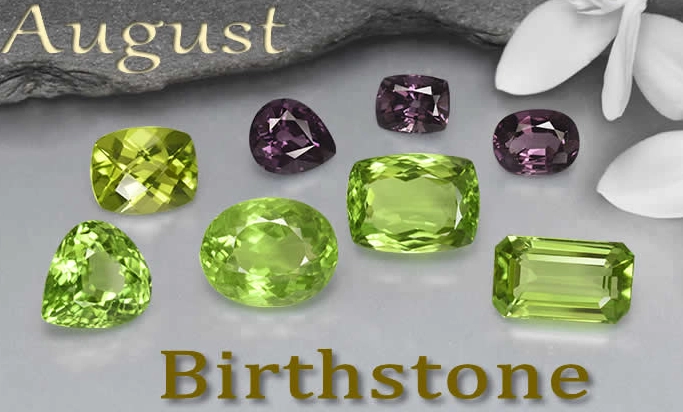
Maybe you're a January baby but don't love garnet's deep red. What about a raspberry-red rhodolite garnet (a variety of garnet) or a frosty white moonstone, another historical January stone? Perhaps you're an August-born person who finds peridot's lime green too bright. A deep green tourmaline or tsavorite garnet could be your match.
Your jewelry should reflect you.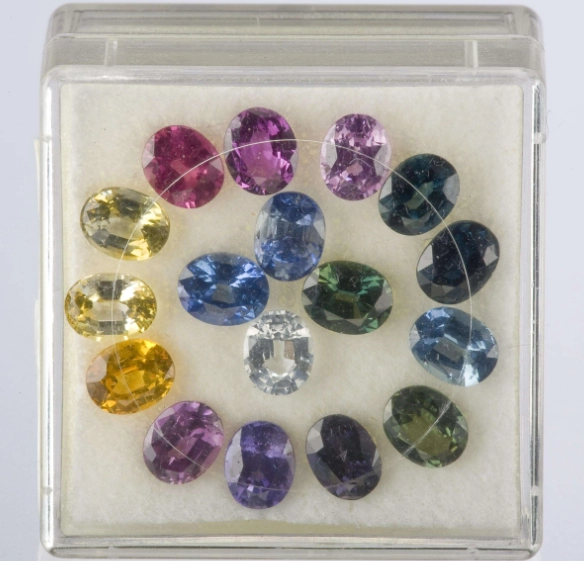
How to Pick Your Perfect Alternate Stone: A Practical Framework
Don't just pick a random pretty gem. Follow this simple three-step check.
First, identify your priority. Is it cost? Hardness? A specific shade of color? Rank them. This instantly narrows the field.
Second, consider the jewelry type. Earrings and pendants can handle softer stones (like an opal doublet for October). Rings, especially for active hands, need durability—aim for hardness 7 and above.
Third, see the stone in person or under multiple light sources. A gem can look flat online and magical in natural light. Tanzanite's trichroism (showing blue, violet, and burgundy) is a perfect example—you need to see it move.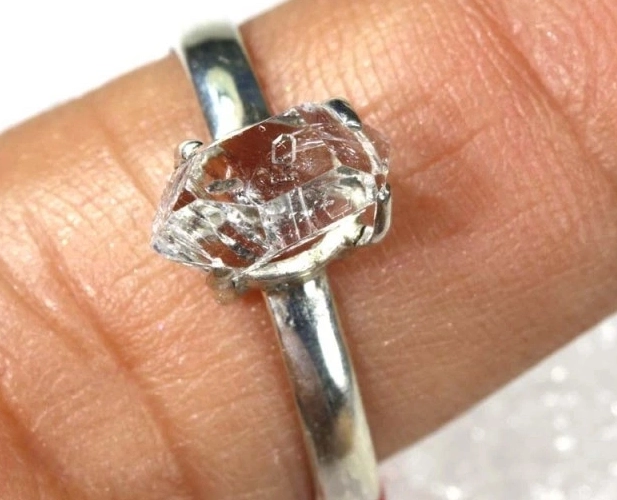
Month-by-Month Alternate Stone Ideas
Here’s a practical look at some of the most popular and sensible alternates. This isn't just a list; it's a starting point for conversation with your jeweler.
| Month (Traditional Stone) | Popular Alternate Stones | Key Color & Mohs Hardness | Why It's a Great Alternate | Approx. Price Point (vs. Traditional) |
|---|---|---|---|---|
| April (Diamond) | White Sapphire, Moissanite | Colorless, 9 / 9.25 | Extreme durability & brilliance at a lower cost. Moissanite has more fire than diamond. | Significantly Lower |
| July (Ruby) | Red Spinel, Rhodolite Garnet | Red, 8 / 7-7.5 | Spinel is often brighter, less included, and historically confused with ruby. Great value. | Lower to Moderate |
| October (Opal/Tourmaline) | Pink Morganite, Rose Quartz | Pink, 7.5-8 / 7 | Softer pinks, more affordable. Morganite offers excellent clarity for a romantic look. | Lower |
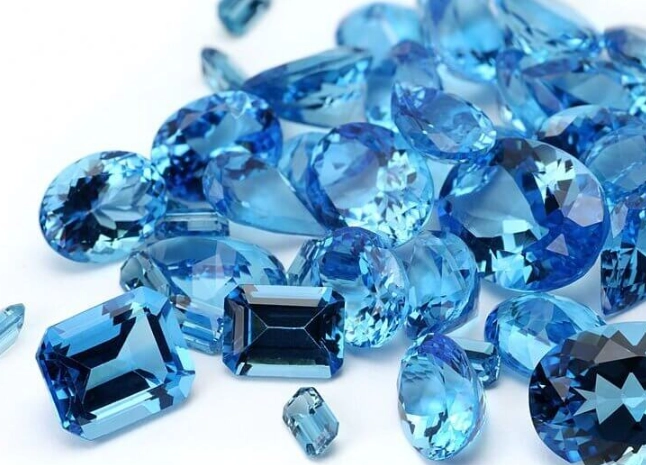
| December (Turquoise/Zircon/Tanzanite) | Blue Topaz, London Blue Topaz | Sky Blue to Deep Blue, 8 | Far more durable than turquoise or tanzanite. Consistent color, very affordable. | Much Lower |
| June (Pearl/Alexandrite) | Moonstone, Chrysoprase | Milky White, Green, 6-6.5 / 6.5-7 | Moonstone shares pearl's luminous quality but is a gemstone. Chrysoprase is a stunning apple-green chalcedony. | Comparable to Lower |
Notice I didn't just list cheaper stones. For August (Peridot), a pricier but much tougher demantoid garnet could be an upgrade for a ring. It's about the right tool for the job.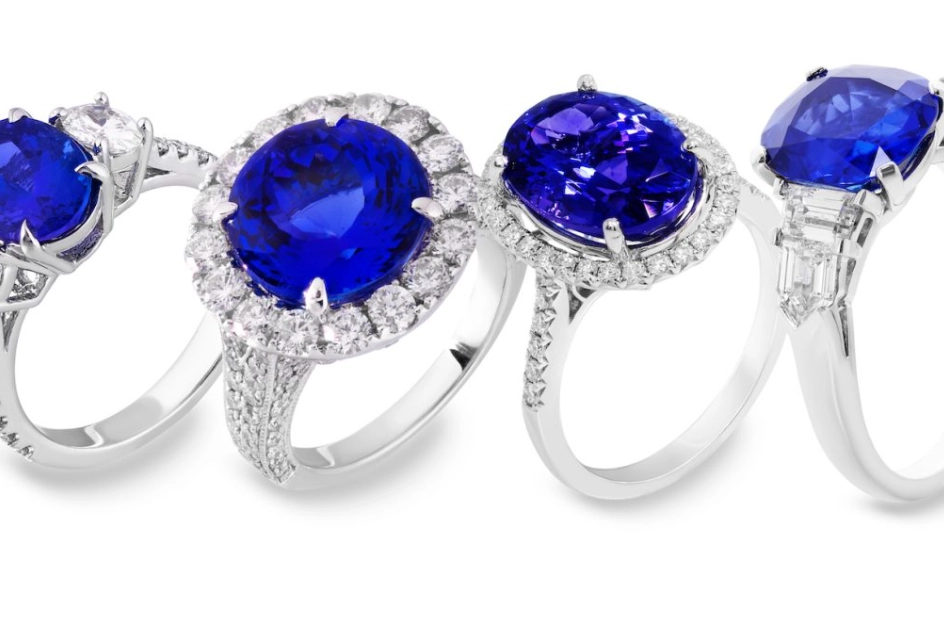
Let's get specific with a couple of examples.
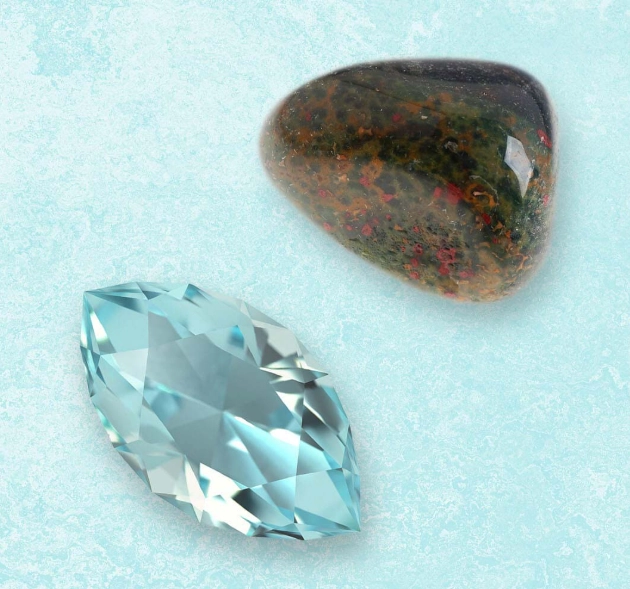
For March (Aquamarine), people love the pale blue but worry about durability (7.5-8). A fantastic alternate is blue topaz (Swiss or London Blue), which is treated to a stable, beautiful blue and sits at a solid 8 on the hardness scale. It's tougher and often more saturated in color.
For September (Sapphire), you might want something different from the classic blue. A padparadscha sapphire (a salmon-pink-orange variety) is a breathtaking and rare choice within the same corundum family. For a completely different look, a vibrant green tsavorite garnet offers incredible brilliance and good durability (7-7.5).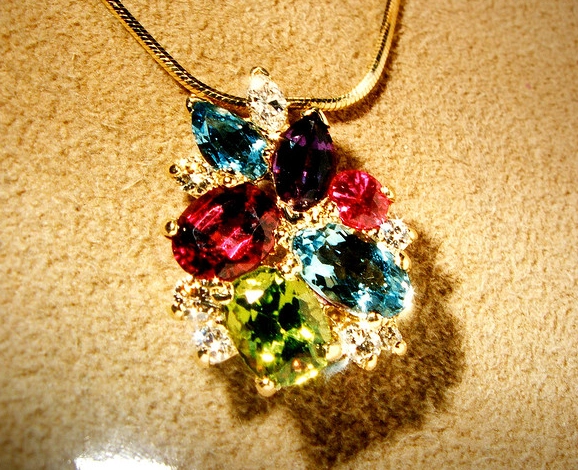
Your Questions, Answered (The Real Stuff)
The world of birthstone alternate stones is about empowerment. It breaks the rule that your birthday dictates your style. You get to consider budget, lifestyle, and personal taste. You can honor the tradition while making it uniquely yours.
Start by looking at the color you're drawn to. Then, explore the gems that live in that color family, checking their practicality against how you plan to wear them. Talk to a reputable jeweler—show them this guide. The perfect stone, the one that feels like "you," is out there waiting. It just might not be the one on the standard chart.