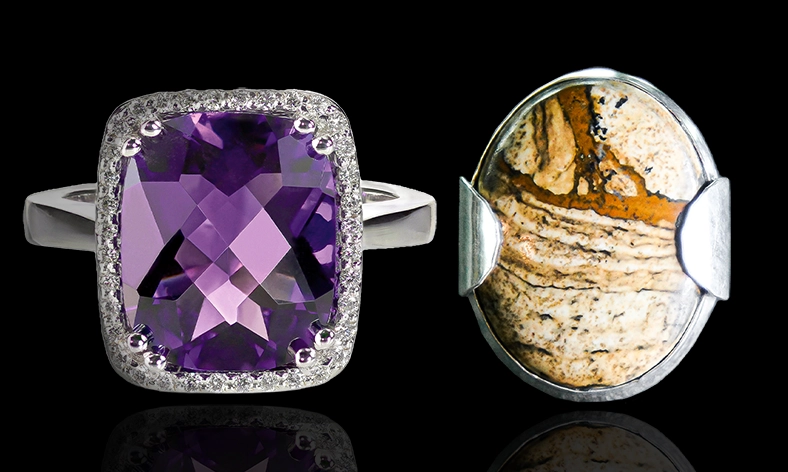
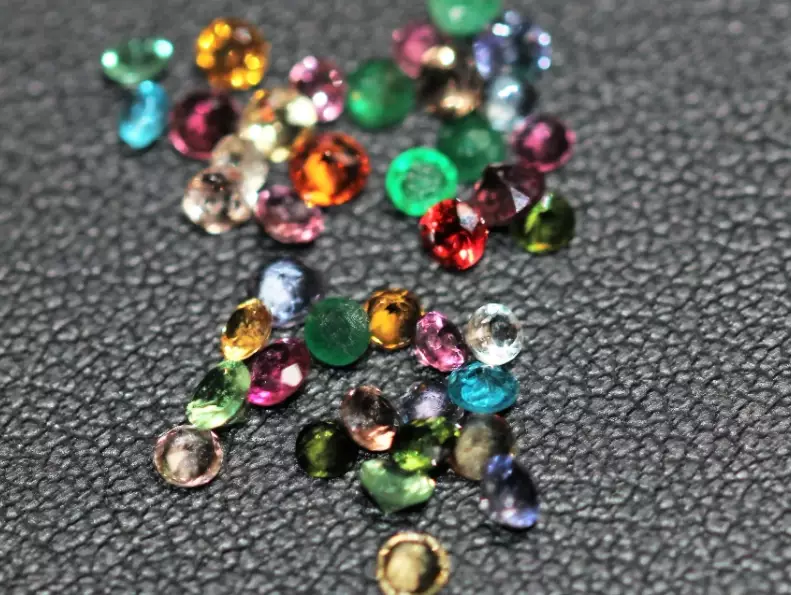
Your birthstone jewelry is personal. It's a gift, a self-purchase, a marker of your month. And nothing dims that special feeling faster than a gemstone clouded with lotion, dirt, and daily grime. You know you need to clean it, but a wave of anxiety hits. Can it get wet? Will soap ruin it? Is that ultrasonic cleaner you got for Christmas a genius tool or a death sentence?
I've been there. I once nearly ruined a delicate opal pendant with a "one-size-fits-all" jewelry dip. The internet is full of generic advice that treats all gemstones the same, but that's where the danger lies. A diamond can handle things that would shatter an opal. An emerald has hidden vulnerabilities a sapphire doesn't.
What's Inside This Guide
Step 1: The Non-Negotiable Rule – Know Your Stone
Forget "jewelry" for a second. Think "mineral." Every birthstone is a unique combination of chemical composition and crystalline structure. This determines its hardness (Mohs scale), porosity, and stability.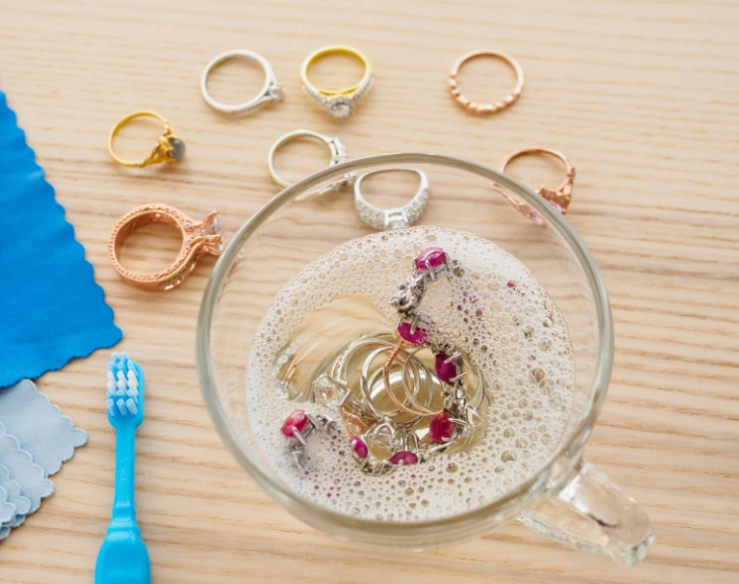
Hardness tells you how easily it scratches. Quartz scratches calcite. Porosity tells you if it absorbs liquids. Opal and turquoise absorb water and sweat. Stability tells you if it survives heat. Amethyst, turquoise, and zircon survive heat.
The Mohs hardness scale explains hardness. Turquoise and zircon survive heat. Amethyst survives heat. Amethyst survives heat. Amethyst survives heat. Amethyst survives heat. Amethyst survives heat. Amethyst survives heat. Amethyst survives heat. Amethyst survives heat. Amethyst survives heat. Amethyst survives heat. Amethyst survives heat. Amethyst survives heat. Amethyst survives heat. Amethyst survives heat. Amethyst survives heat. Amethyst survives heat. Amethyst survives heat. Amethyst survives heat. Amethyst survives heat. Amethyst survives heat. Amethyst survives heat. Amethyst survives heat.
This isn't just trivia. It's the blueprint for safe cleaning. A porous, soft stone like Turquoise (December) needs a completely different approach than a hard, non-porous stone like Diamond (April). The single biggest mistake people make is assuming all their fine jewelry can be cleaned the same way.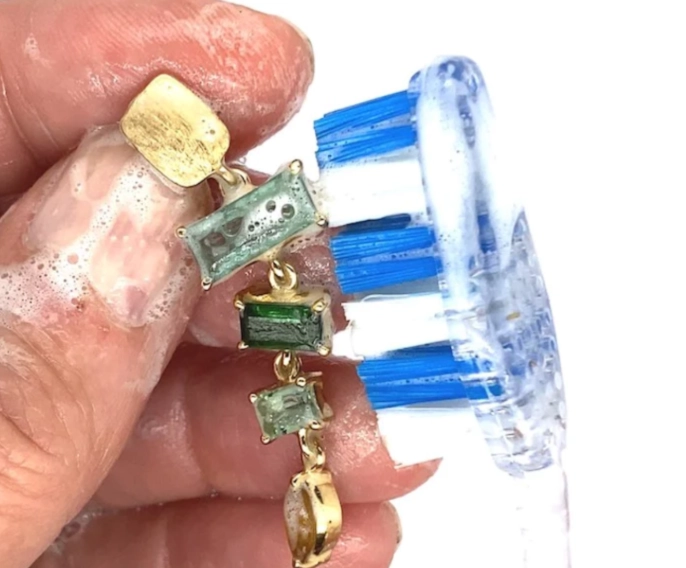
The Universal Do's and Don'ts (Before You Start)
These rules apply to 99% of birthstone jewelry, no matter the month.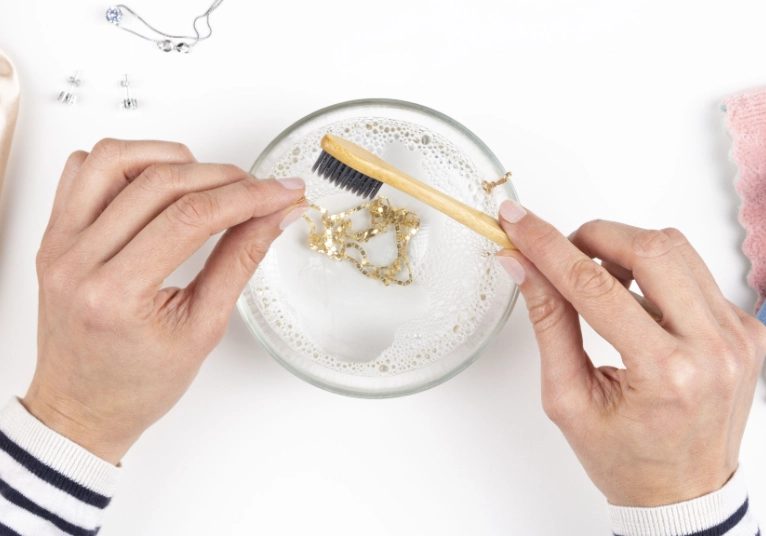
DO:
- Work over a soft, closed surface. A towel-lined sink bowl is perfect. If you drop the piece, it won't go down the drain or chip on hard porcelain.
- Use lukewarm water. Extreme temperature changes can stress stones and settings. Think room temperature.
- Use a soft, clean brush. A baby toothbrush with ultra-soft bristles is the gold standard. It gets into settings without scratching.
- Dry thoroughly with a lint-free cloth. Microfiber or a dedicated jewelry polishing cloth is ideal. Moisture left under a setting can tarnish metal.
DON'T:
- Use harsh chemicals. Bleach, ammonia, acetone (nail polish remover), and chlorine are enemies of both gemstones and metals. They can erode, discolor, or dissolve treatments and alloys.
- Assume heat is safe. Never boil jewelry or use steam cleaners unless you are 100% certain the stone can handle it (hint: most can't).
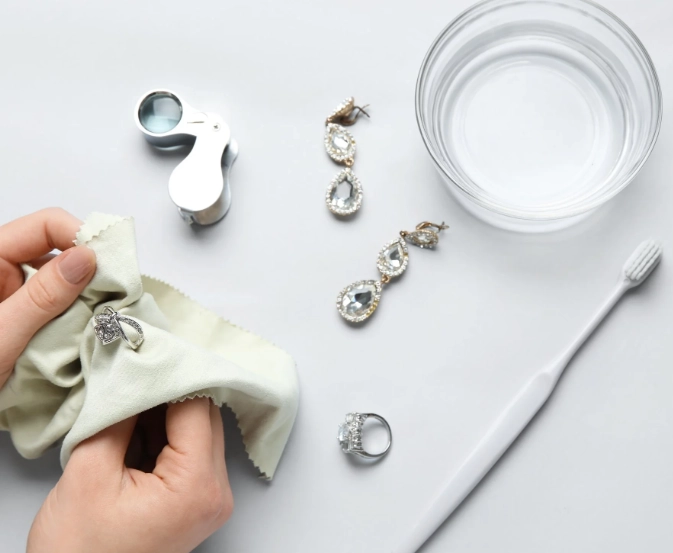
- Scrub aggressively. Gentle, circular motions around the setting. Scrubbing the top of a faceted gem can blur its facets over time.
Your Month-by-Month Birthstone Cleaning Guide
Here is your actionable reference. I've grouped stones by their cleaning personality—tough, delicate, and in-between.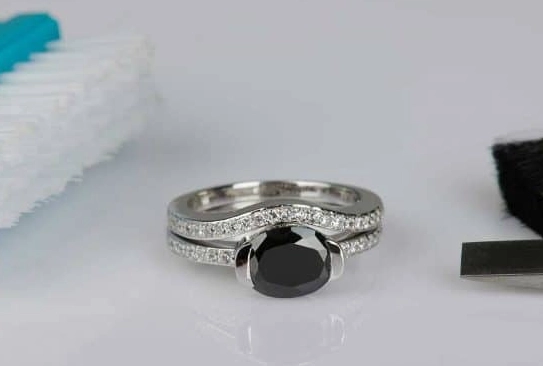
| Birthstone (Month) | Cleaning Personality | Safe Method | Absolute Avoid |
|---|---|---|---|
| Garnet (Jan), Amethyst (Feb), Diamond (Apr), Sapphire (Sep), Topaz (Nov, Blue), Zircon (Dec) | The Tough Crowd (Hardness: 7+ on Mohs) | Soap & Water Soak: A few drops of mild dish soap in lukewarm water. Soak 20-30 min. Gently brush. Rinse well. Ultrasonic cleaners are *generally* safe for these, but check settings first. | Chlorine bleach. It can pit and damage even diamond settings. |
| Aquamarine (Mar), Emerald (May), Alexandrite (Jun), Ruby (Jul), Peridot (Aug), Citrine (Nov) | The Sensitive Ones (Often treated or with inclusions) | Quick & Gentle: Use the soapy water method but limit soaking to 5-10 minutes. Rinse under a gentle stream. Pat dry immediately. For emeralds (often oil-treated), just use a soft, damp cloth. | Ultrasonic cleaners & steam. Heat and vibrations can fracture inclusions or remove vital treatment oils. |
| Pearl (Jun), Opal (Oct), Turquoise (Dec) | The Delicates (Porous & Soft) | Dry Clean First: Wipe with a soft, slightly damp cloth after each wear. For deeper cleans, use a cloth dampened with only water. Never submerge. Let air dry completely before storing. | Water soaking, all chemicals, ultrasonics. Water can seep in, causing cracks or discoloration. |
Real-World Scenario: The Opal Ring Dilemma
You wear your October opal ring daily. It's developed a film of hand cream and dust. The old internet advice says "soap and water." Bad idea. Opals contain water; soaking can cause "crazing" (a network of tiny cracks).
Here's the right way: Take a microfiber cloth, barely dampen one corner with distilled water (tap water minerals can leave residue). Gently wipe the opal's surface and the setting. Immediately dry it with the dry part of the cloth. That's it. The sparkle returns without the risk.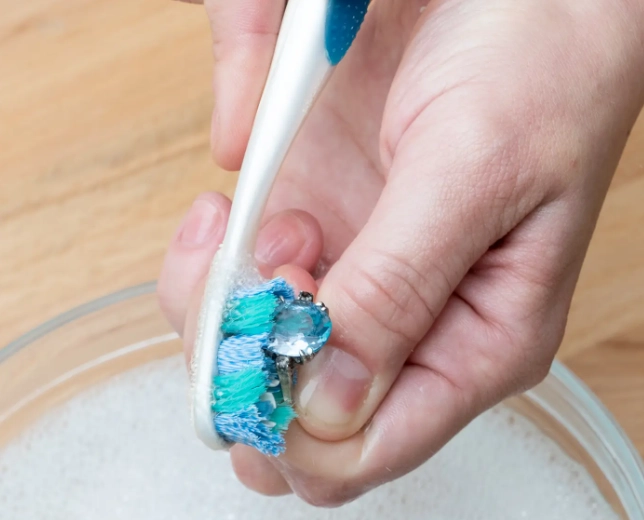
The Other Half of the Battle: Dealing with Settings
The stone is only half the piece. The metal setting holds it and collects its own grime.
Gold (Yellow, White, Rose): Fairly resilient. The soapy water soak works well. For stubborn tarnish on older pieces, a specific gold polishing cloth is safer than liquid dips.
Silver: Tarnishes easily. After cleaning the stone as directed, use a silver-polishing cloth specifically for the setting. Avoid getting polish on the gemstone, especially porous ones.
Platinum: Durable and low-maintenance. The standard gentle cleaning is sufficient.
Cluster settings or pieces with many small stones (like pavé) often use glue. Avoid prolonged soaking as it can weaken the adhesive. A quick swipe with a damp cloth is better.
Your Top Birthstone Cleaning Questions, Answered
The goal isn't just a clean piece today, but a brilliant heirloom for years to come. Treat your birthstone like the unique mineral it is, and it will reward you with lasting sparkle.