What's Inside This Guide
That sapphire ring from your grandmother, the opal pendant you bought on a trip, the tiny diamond studs for April—we often wonder if these birthstone pieces are secretly growing in value. The short, honest answer? It's complicated, and most of the time, the sentimental worth far outweighs the cash. But that doesn't mean some stones don't have serious financial legs. Let's cut through the marketing and look at what actually makes a birthstone's value change over years or even decades.
Here's a story from my own experience. A client once brought in a large, pale blue topaz (a December birthstone) she believed was a priceless heirloom. She was heartbroken when I explained its modest market value. Conversely, another client had a small, unassuming garnet ring that, under the loupe, turned out to be a rare, vivid green demantoid garnet—worth a small fortune. The difference wasn't the month on the calendar; it was a combination of rarity, quality, and a bit of luck.
What Determines a Birthstone's Value?
Forget the month for a second. A gem's value in the open market obeys the same rules, whether it's a birthstone or not. These are the big four drivers, but their importance is not equal.
The Holy Grail: Color, Color, Color
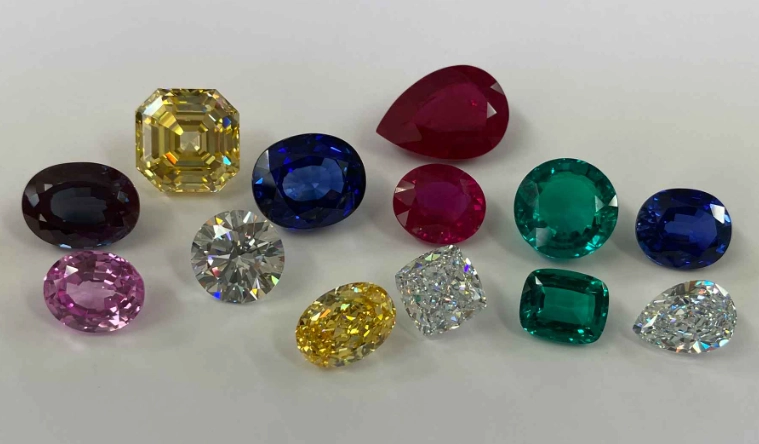
This is the number one factor for colored stones. The market pays insane premiums for the best color. A "cornflower blue" sapphire from Kashmir or a "pigeon's blood" red ruby from Myanmar can sell for 10 to 100 times more than a commercial-grade stone of the same size. It's not just about being blue or red; it's about the saturation, tone, and hue being perfect.
For diamonds (April), it's the opposite—the less color (more whiteness or fancy vivid colors like blue or pink), the higher the value. A common mistake is thinking a bigger, lighter stone is better than a smaller, more intense one. For investment potential, color intensity almost always wins.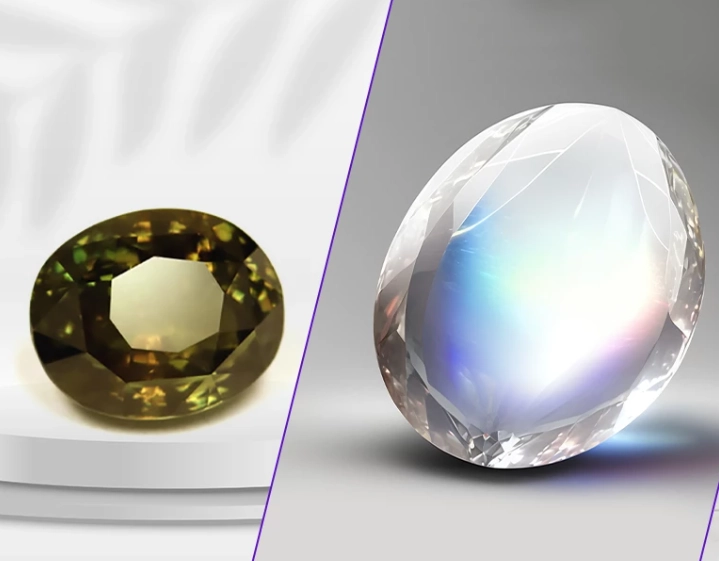
Rarity and Origin Story
Some birthstones are inherently rarer. Alexandrite (June) is vastly rarer than pearl or moonstone. A gem's origin can be a huge value multiplier. A ruby from Burma, a sapphire from Kashmir, or an emerald from Colombia carries a geographic pedigree that commands higher prices and tends to appreciate more steadily. Reports from labs like the Gemological Institute of America (GIA) or the American Gemological Laboratories (AGL) that confirm origin are crucial for top-tier stones.
Treatments: The Value Killer (Usually)
Most gemstones are treated to improve appearance. Heat treatment for sapphires and rubies is standard and accepted—it doesn't hurt value much if disclosed. But other treatments like fracture filling (common for emeralds), dyeing, or irradiation can drastically reduce value and long-term stability. An untreated, top-color stone is the investment gold standard. Always, always get a lab report for any stone you're buying as an asset.
Market Trends and Fashion
Demand shifts. Ten years ago, everyone wanted a cushion cut. Now, ovals and antiques are hot. Pink sapphires have seen a surge. These trends affect liquidity and price. Classic stones (ruby, sapphire, emerald, diamond) have more stable, long-term markets. More obscure birthstones can be volatile.
How to Assess Your Birthstone's Investment Potential
So you have a stone or are thinking of buying one. How do you gauge its financial future? Don't guess. Follow these steps.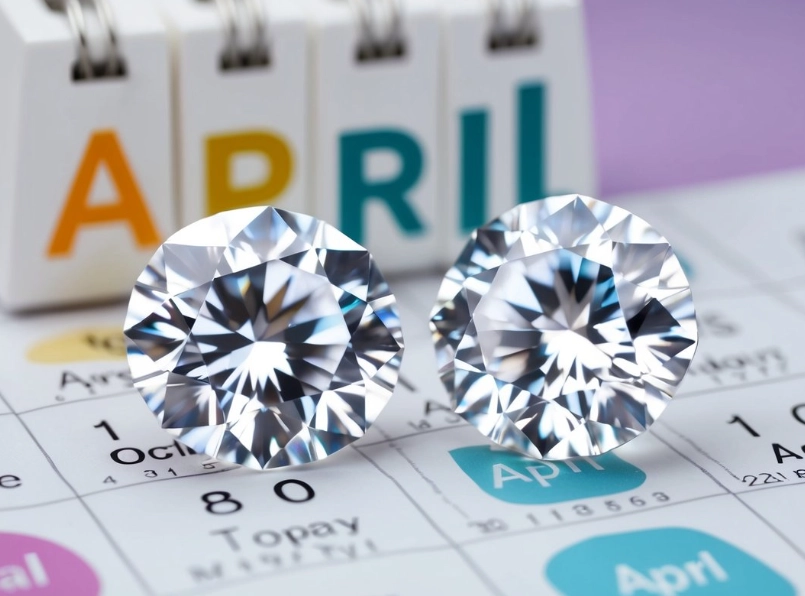
Step 1: Get Professional Documentation. This isn't optional. Take your piece to a Graduate Gemologist (GG) or a reputable gem lab. You need a report that details the Four Cs (Carat, Cut, Color, Clarity), identifies any treatments, and, if possible, suggests origin. This report is your stone's passport and resume.
Step 2: Understand the Value Tiers. Not all sapphires are equal. Think of the market in tiers:
- Commercial Grade: What you find in most mall jewelry stores. Often treated, lighter color, included. These are consumer goods, not investments. Their value is stable or may even depreciate.
- Fine Grade: Better color and clarity, often with a lab report. These can hold value well and see modest appreciation over long periods, especially if set in quality jewelry.
- Investment/Collector Grade: Exceptional color, large size (varies by stone), minimal to no treatment, famous origin. This is the top 1-2%. These are the stones that break auction records and see real capital appreciation.
Step 3: Check the Auction Record. Look at past sales from Sotheby's, Christie's, or Heritage Auctions. See what stones similar to yours actually sold for. This is the real market price, not a retail or insurance appraisal. Retail markups are huge; auction prices reflect what collectors are willing to pay.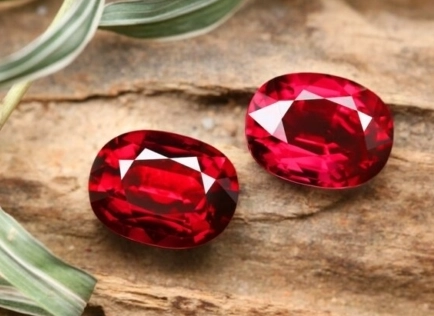
A Real-World Look at Birthstone Value Trends
Let's get specific. How have some popular birthstones actually fared? This table looks at the general trajectory, but remember, exceptional stones in each category defy these trends.
| Birthstone (Month) | General Value Trend (Last 20 Years) | Primary Value Driver | Investment Potential Note |
|---|---|---|---|
| Ruby (July) | Strong Appreciation for top-quality Burmese material. Commercial grades stable. | Color (Pigeon's Blood), Origin (Burma), Lack of Treatment | Probably the strongest performer among major colored stones. Supply of fine material is shrinking fast. |
| Sapphire (September) | Moderate to Strong Appreciation for Kashmir/Ceylon top colors. Others stable. | Color (Cornflower Blue, Padparadscha), Origin | Kashmir sapphires are virtually unobtainable new, driving up prices for existing stones. Padparadscha (orange-pink) is a superstar. |
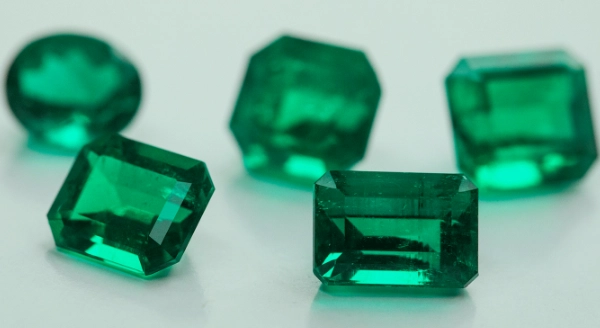
| Emerald (May) | Moderate Appreciation for clean, vivid Colombian stones. Heavily included stones are less liquid. | Color (Vivid Green), Clarity, Origin (Colombia) | Highly treatment-sensitive. An untreated, clean emerald is a rarity that commands premiums. |
| Diamond (April) | Stable for high-quality 1ct+ rounds. Volatile for lower qualities. Fancy colors (pink, blue) have skyrocketed. | The 4Cs, Rarity of Fancy Colors | A commodity market. Exceptional large whites and any fancy intense colors have done very well. Small, low-color diamonds have poor resale. |
| Opal (October) | Variable. Black opals from Lightning Ridge have appreciated. Common white opals are stable. | Play-of-Color Intensity, Body Tone (Black is best), Origin | Highly subjective market. The best black opal is art, and its value reflects that. Can be fragile, affecting long-term stability. |
| Citrine/Topaz (November) | Stable to Depreciating | Size, Clarity | Generally abundant. Value is in the craftsmanship of the jewelry, not the stone itself. Not an appreciation asset. |
Notice a pattern? The stones that appreciate are the rare ones at the pinnacle of color and quality. The vast majority of birthstone jewelry falls into the "stable" or "sentimental value" category, which is perfectly fine. Its job is to be beautiful and meaningful, not to fund your kid's college.
Smart Moves for Buying or Selling Birthstones
If you're in the market, either way, here's the straight talk.
Buying for Potential Appreciation: Your budget needs to be high. Focus on the best color you can afford in a classic stone (sapphire, ruby, emerald), even if it means a smaller carat weight. Prioritize a reputable lab report (GIA, AGL, Gubelin, SSEF) over a fancy brand name box. Buy from a specialist dealer or at auction, not a general retailer. Think of it as buying a piece of the earth, not just jewelry.
Selling a Birthstone Piece: Manage your expectations. You will almost never get the retail price you paid. The best avenues are auction houses (for high-value items), consignment with a specialty dealer, or reputable online platforms like Worthy.com. A pawn shop is the last resort and will give you the lowest price. That insurance appraisal is for replacement cost, not resale—it's usually much higher.
Your Birthstone Value Questions Answered
The final word? The true value of a birthstone over time is a layered story. For the rare few, it's a tale of geology, art, and market dynamics leading to impressive financial growth. For most of us, it's a more personal narrative—a connection to memory, family, and identity that grows richer every year. That kind of value doesn't need an appraisal.