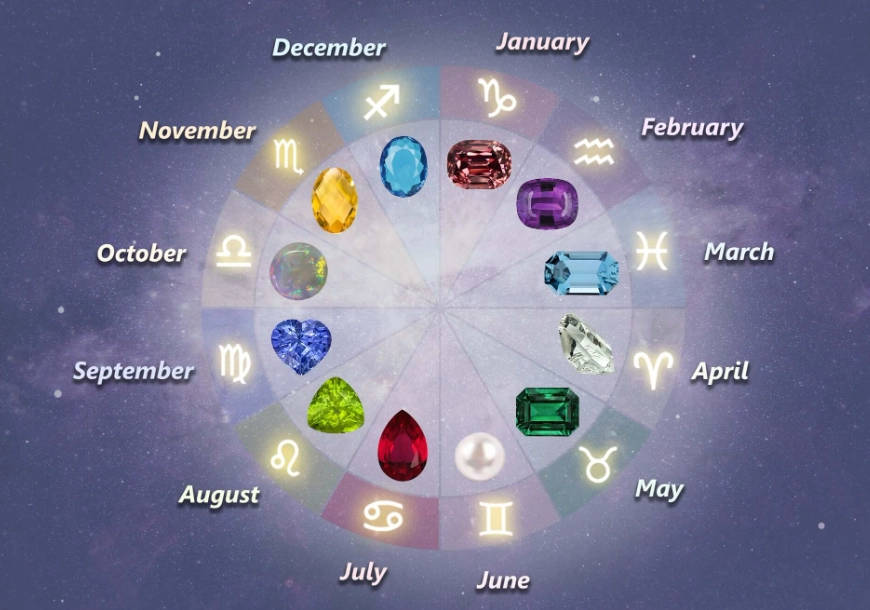
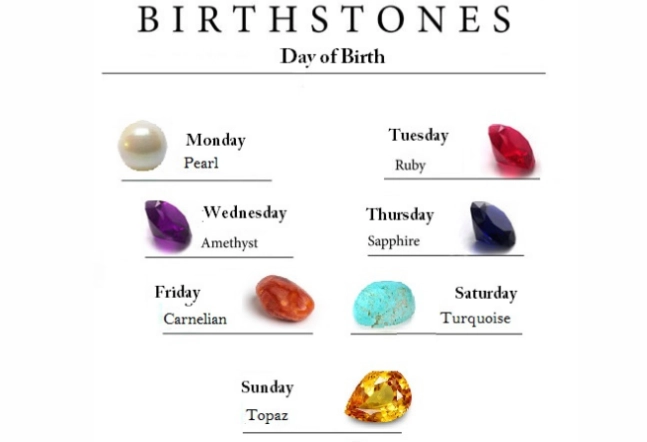
Let's be honest. You love the idea of a birthstone—that personal, monthly connection to a beautiful gem. But then you look at the price tag of a natural sapphire, emerald, or ruby, or you read about mining concerns, and the excitement fades a little. What if there was a way to get that brilliant color, that personal meaning, without the hefty cost or ethical weight? That's where synthetic birthstone alternatives come in. They're not fakes. They're the real deal, grown in a lab instead of the earth.
Your Quick Guide to Synthetic Birthstones
What Exactly Are Synthetic Birthstones?
First, let's clear up the jargon. A synthetic gemstone has the same chemical composition, crystal structure, and physical properties as its natural counterpart. A lab-created ruby is aluminum oxide with chromium, just like one from Myanmar. The only difference is its origin. This is crucial. It's not a "simulant" like cubic zirconia (CZ) or glass, which just looks similar. A synthetic is the genuine article, molecule for molecule.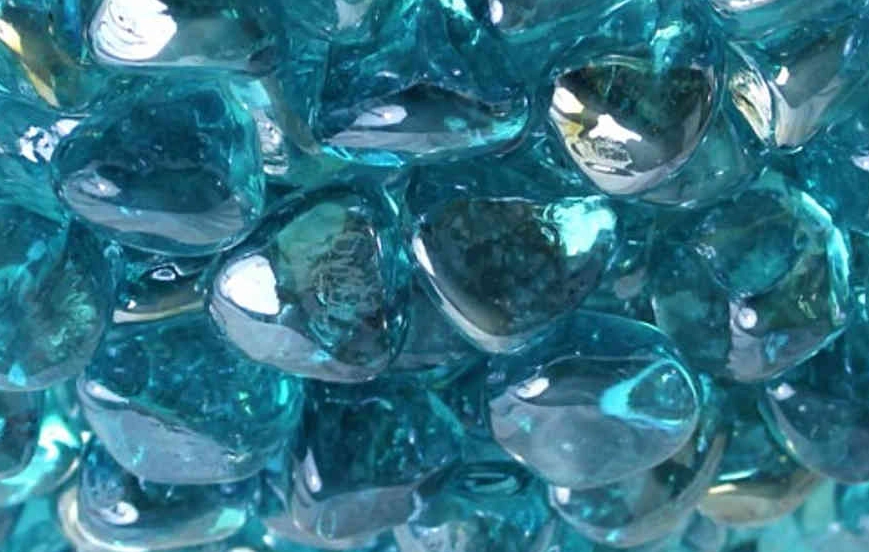
Why does this matter? Because it means the stone will have the same hardness, brilliance, and durability. A synthetic sapphire is a 9 on the Mohs scale, perfect for an engagement ring. A synthetic emerald will have that distinctive velvety green. They're not compromises on quality; they're alternatives on origin.
I remember a client, Sarah, who wanted an April birthstone diamond ring but had a firm budget. She was devastated, thinking she had to settle for a tiny stone. We introduced her to lab-created diamonds and high-quality moissanite (a separate mineral but a fantastic diamond alternative). The relief on her face when she saw a brilliant, sizeable stone that fit her budget and ethics was everything. That's the power of understanding alternatives.
How Are Synthetic Gems Made? The Big Three Methods
Not all labs are created equal. The method used impacts the stone's characteristics, inclusions, and even cost. Here's the breakdown you won't find in most basic guides.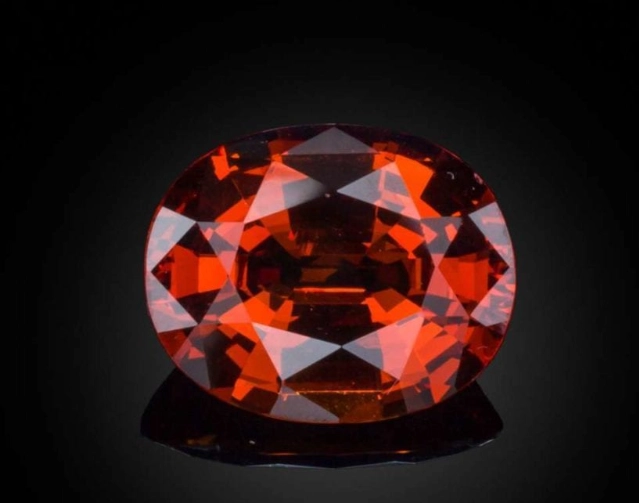
| Method | How It Works | Common Birthstones Made | Key Characteristic |
|---|---|---|---|
| Flame Fusion (Verneuil Process) | Powdered ingredients melt in a high-temperature flame, forming a droplet that solidifies into a crystal "boule." | Ruby, Sapphire, Spinel | Fast, affordable. Stones often have curved growth lines and gas bubbles. |
| Czochralski (Pull) Method | A seed crystal is dipped into molten material and slowly pulled up, growing a large, cylindrical crystal. | Alexandrite, Ruby, YAG | Produces very high-quality, large crystals. Often used for laser applications. |
| Hydrothermal Method | Mimics natural geological conditions. Nutrients dissolve in hot, pressurized water, crystallizing on a seed plate. | Emerald, Quartz, Aquamarine | Creates gems with inclusions that look remarkably natural (like "jardin" in emeralds). Slower, more expensive. |
Most people think synthetic means "flawless." That's a common oversimplification. Flame fusion rubies? Often packed with tiny gas bubbles. Hydrothermal emeralds? They frequently contain characteristic "wispy" inclusions or seed plate remnants. A skilled gemologist uses these features to identify the stone, not just label it fake. The Czochralski method gets you closer to optical perfection, but you pay for it.
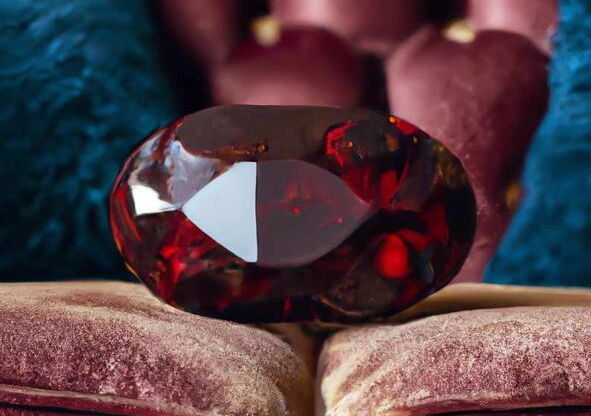
How to Spot the Difference: Synthetic vs. Natural
Can you tell with the naked eye? Sometimes, but usually not. Here’s a practical, tiered approach.
Step 1: The Reality Check (Your Eyes and a Loupe)
Start with suspicion of perfection. Is that emerald a flawless, vivid green at a surprisingly low price? Alarm bells. Under a 10x loupe, look for:
- Curved Striae: Fine, curved lines like grooves on a record. This is the fingerprint of flame fusion corundum (ruby/sapphire). You won't see this in nature.
- Gas Bubbles: Round, isolated bubbles. Natural gems have crystals, not bubbles.
- Too-Perfect Patterns: Flux-method synthetics may have wispy, veil-like inclusions or remnants of the flux (the growth medium). They look "organized" compared to the chaotic beauty of natural inclusions.
- Color Zoning: Natural stones often have uneven color distribution. Some synthetics have overly even color or distinctive geometric zoning.
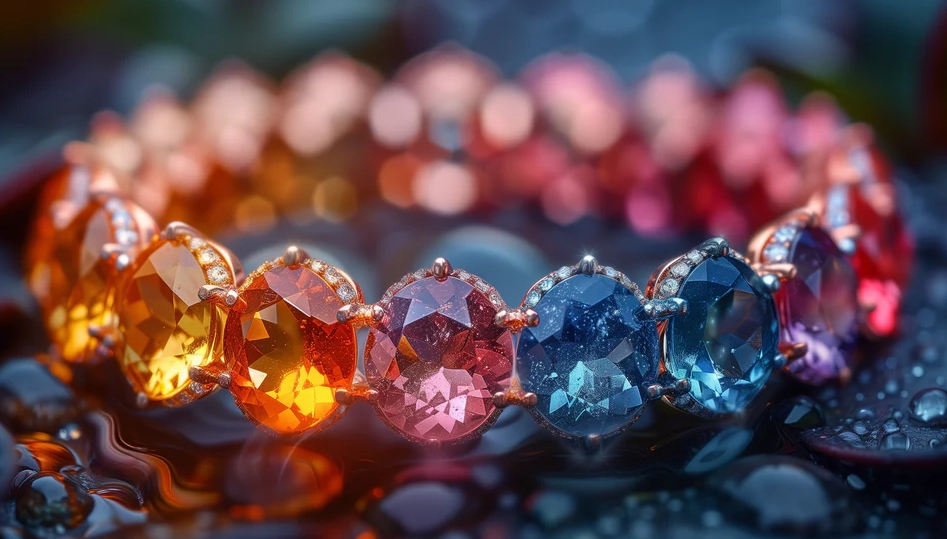
Step 2: The Professional Tools (What Gemologists Use)
This is where the definitive calls are made. Gem labs use advanced spectroscopy and microscopy.
For example, natural diamonds often have nitrogen impurities. Many lab-grown diamonds don't, or they have specific strain patterns visible under specialized lighting. The Gemological Institute of America (GIA) and the American Gem Society (AGS) have entire suites of instruments dedicated to this. If you're spending serious money on a large stone and provenance matters, a report from these labs is non-negotiable.
A jeweler once showed me a stunning blue sapphire. It looked natural, had some minor inclusions. But under the microscope, we found the faint, telltale curved lines. It was a very well-made flame fusion stone. The seller wasn't being deceptive—they likely didn't know. This happens more than you'd think in the secondary market.
The Real Deal: Pros and Cons of Going Synthetic
Let's cut through the marketing. Here’s the unbiased breakdown.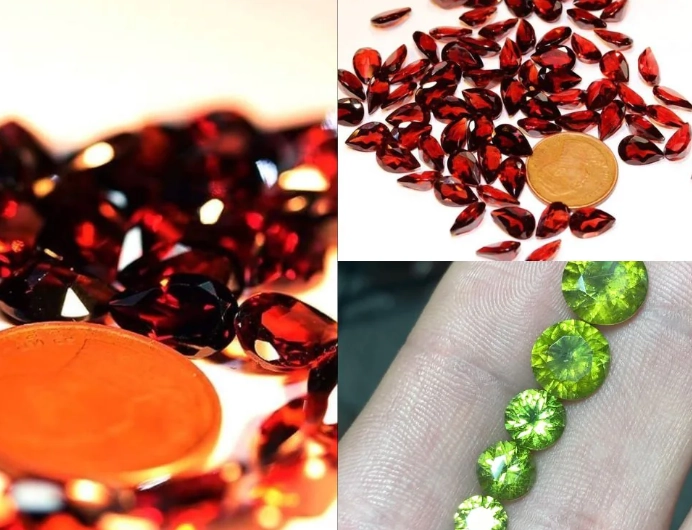
The Good Stuff:
- Cost: This is the big one. You can get a larger, cleaner stone for a fraction of the price of a comparable natural gem. A 2-carat synthetic sapphire might cost what a 0.5-carat natural one does.
- Ethics & Origin: No mining concerns. You avoid potential links to conflict zones or environmentally damaging practices. The supply chain is short and transparent.
- Availability & Choice: Want a perfect, vivid red ruby in a 5-carat size? Virtually impossible in nature, readily available synthetically. You're not limited by what the earth coughed up.
- Durability: Same hardness, same suitability for daily wear. A synthetic moissanite is actually harder than a synthetic cubic zirconia and more durable for a ring.
The Trade-offs:
- No Investment Value: They have little to no resale value. You're buying for beauty and sentiment, not as an asset. This is critical to understand.
- The "Too Perfect" Look: Some collectors and enthusiasts find the perfection of synthetics sterile. They miss the unique fingerprint of natural inclusions—the "jardin" in an emerald that tells its ancient story.
- Disclosure is Key: The value relies on honest selling. It must be disclosed as lab-created. Passing it off as natural is fraud.
Buying Guide: How to Choose the Right Synthetic Birthstone
Ready to shop? Don't just click "buy." Think through these points.
1. Define Your "Why." Is it budget? Ethics? Wanting a specific size? Your priority guides everything. If it's purely budget, flame fusion corundum is great. If you want the most natural-looking synthetic emerald, seek out hydrothermal.
2. Know the Terminology.
"Synthetic" / "Lab-Created" / "Cultured": Good. It's the real mineral.
"Simulated" / "Imitation" / "[Gemstone]-colored": Caution. This means a different material (e.g., "emerald-colored glass").
"Moissanite": Excellent diamond alternative, but it's silicon carbide, not carbon. It's its own brilliant category.
3. Research the Seller. Look for jewelers who specialize in or clearly explain their synthetic offerings. Check reviews. Do they offer any kind of verification? Reputable sellers like Brilliant Earth or smaller artisan jewelers on platforms like Etsy (with strong reviews) are often good sources.
4. Ask Specific Questions.
"What growth method was used for this stone?"
"Can you provide any documentation or a lab report?"
"Is the setting designed to fit a lab-created stone of this type?" (Some settings are better for certain hardness levels).
5. Set a Realistic Budget. While cheaper than natural, high-quality synthetics aren't dirt cheap. A well-cut, 1-carat hydrothermal emerald in a fine setting will still cost a few hundred dollars. You're paying for human skill and technology.