If you're diving into the world of gemstones, a solid gemstones list isn't just nice to have—it's essential. I've spent over a decade appraising stones, and I can tell you that most beginners jump in without a clear map. This guide cuts through the noise, giving you a practical list, identification tricks, and buying advice that actually works. Let's get straight to it: a gemstones list helps you understand what's out there, from common picks like sapphires to rarities like alexandrite, so you can make informed choices whether you're shopping for jewelry or building a collection.
In This Guide
What Exactly is a Gemstones List and Why Should You Care?
A gemstones list is more than a boring catalog—it's your starting point for navigating a crowded market. Think of it as a cheat sheet that breaks down stones by type, hardness, color, and value. Why bother? Because without it, you might end up paying top dollar for a treated stone or picking something too soft for daily wear. I've seen clients buy "rare" gems that turned out to be common glass. A good list, like the one from the Gemological Institute of America (GIA), gives you baseline knowledge. It covers everything from the big four (diamond, ruby, sapphire, emerald) to lesser-known options like spinel or tourmaline. This isn't about memorizing names; it's about knowing what to look for when you're face-to-face with a dealer.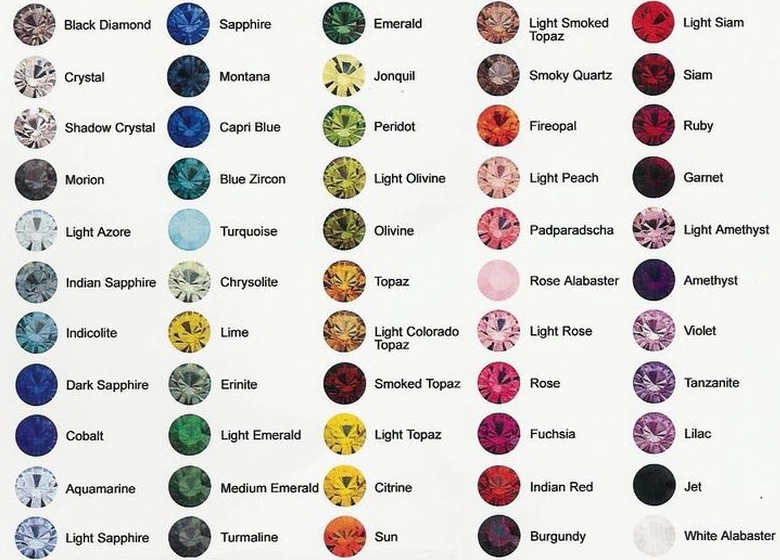
Let me share a quick story. A friend once asked me to check an "antique" ruby ring she bought online. The seller had a fancy list but omitted details on treatments. Turns out, it was a synthetic stone worth a fraction of the price. That's why a trustworthy gemstones list includes not just names, but key attributes like origin and common enhancements. It saves you from costly mistakes.
The Top 10 Gemstones You Need to Know
Here's a curated list of the most popular and practical gemstones. I've ranked them based on durability, demand, and my own experience in the trade. This isn't just a random ranking—it's what actually matters for buyers.
| Gemstone | Mohs Hardness | Key Colors | Best For | Approx. Price Range (per carat) |
|---|---|---|---|---|
| Diamond | 10 | Colorless, yellow, pink | Engagement rings, investment | $2,000 - $50,000+ |
| Sapphire | 9 | Blue, pink, yellow | Rings, earrings | $500 - $10,000 |
| Ruby | 9 | Red | Statement jewelry | $1,000 - $15,000 |
| Emerald | 7.5-8 | Green | Pendants, special occasions | $300 - $8,000 |
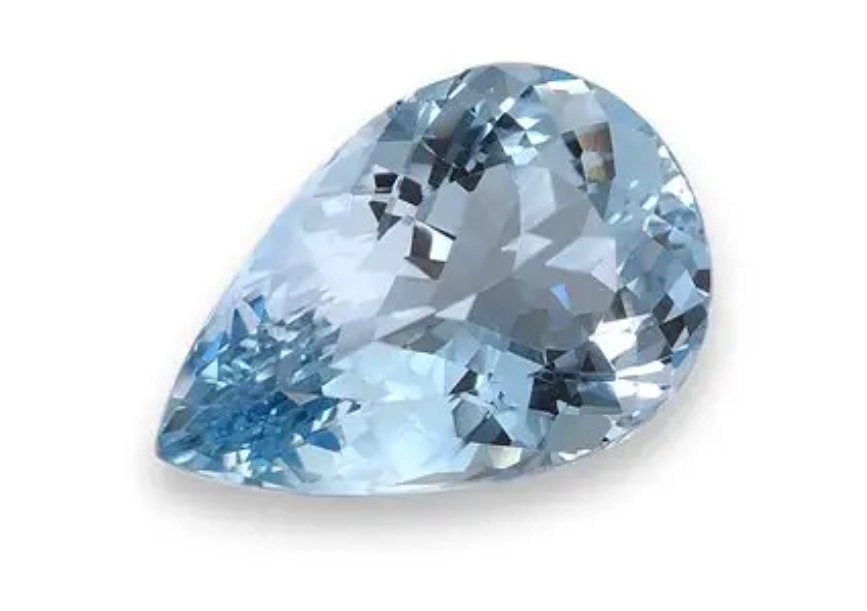
| Aquamarine | 7.5-8 | Light blue | Everyday wear, birthstone jewelry | $100 - $1,500 |
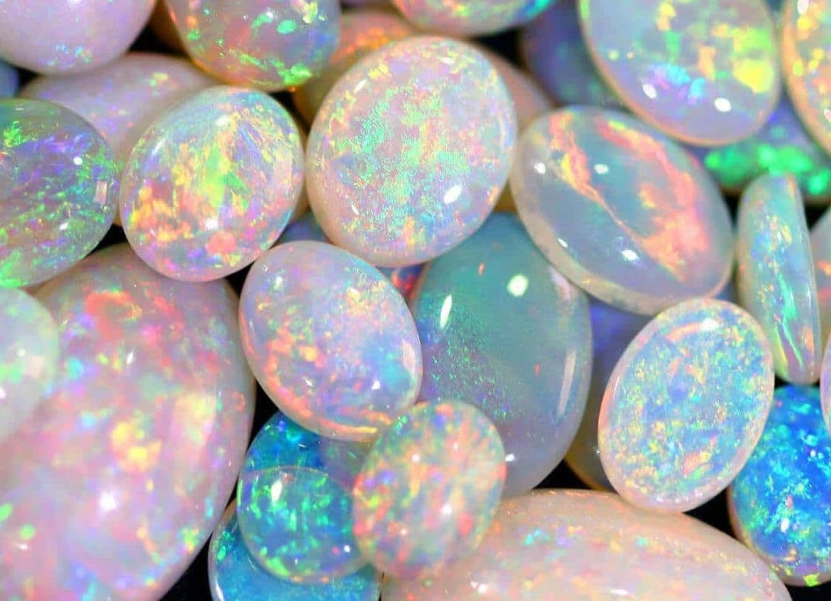
| Opal | 5.5-6.5 | Play-of-color | Collectibles, pendants | $50 - $5,000 |
| Topaz | 8 | Blue, imperial | Affordable rings | $20 - $500 |
| Tourmaline | 7-7.5 | Pink, green, watermelon | Unique pieces | $100 - $3,000 |
| Amethyst | 7 | Purple | Budget-friendly jewelry | $10 - $200 |
| Pearl | 2.5-4.5 | White, black | Classic necklaces | $50 - $2,000 |
Notice how hardness varies? That's crucial. Diamond tops the list for durability, but sapphire and ruby are close seconds. Opal is stunning but scratches easily—I'd avoid it for rings you wear daily. Prices depend on factors like clarity and origin; for example, a Burmese ruby commands a premium. Don't just go by price; think about use. If you want a stone for a pendant, hardness matters less than for a ring.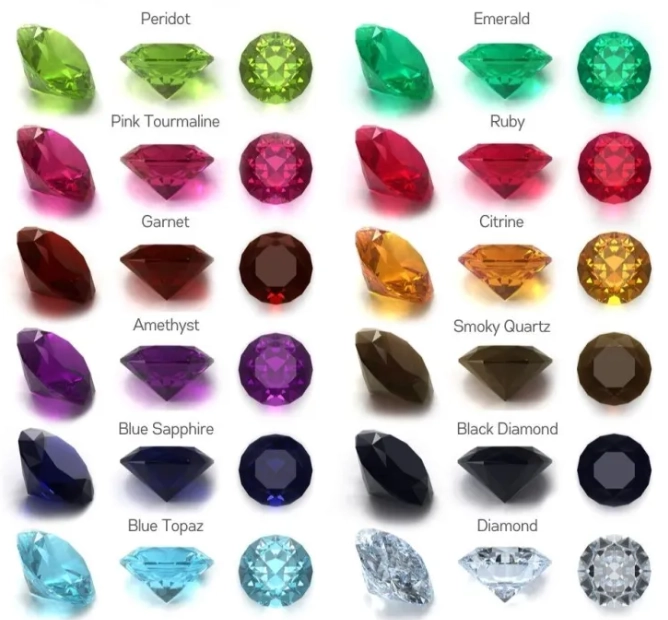
Diamond: The Benchmark
Diamonds are the hardest, but that doesn't mean they're indestructible. I've seen chipped diamonds from hard knocks. The 4Cs (cut, color, clarity, carat) matter, but cut is king—a well-cut stone sparkles more. Lab-grown diamonds are gaining traction; they're identical chemically but cheaper. Some traditionalists scoff, but for ethical buyers, they're a win.
Sapphire: More Than Just Blue
Sapphires come in every color except red (that's ruby). Kashmir sapphires are legendary for their cornflower blue, but they're rare. Most today are from Madagascar or Sri Lanka. Heat treatment is common to enhance color; it's accepted if disclosed. I prefer unheated stones for investment, but for jewelry, treated ones are fine if priced right.
How to Identify Gemstones Like a Pro
Identification isn't about fancy gear—it's about knowing what to look. Here's a simple method I use in my shop.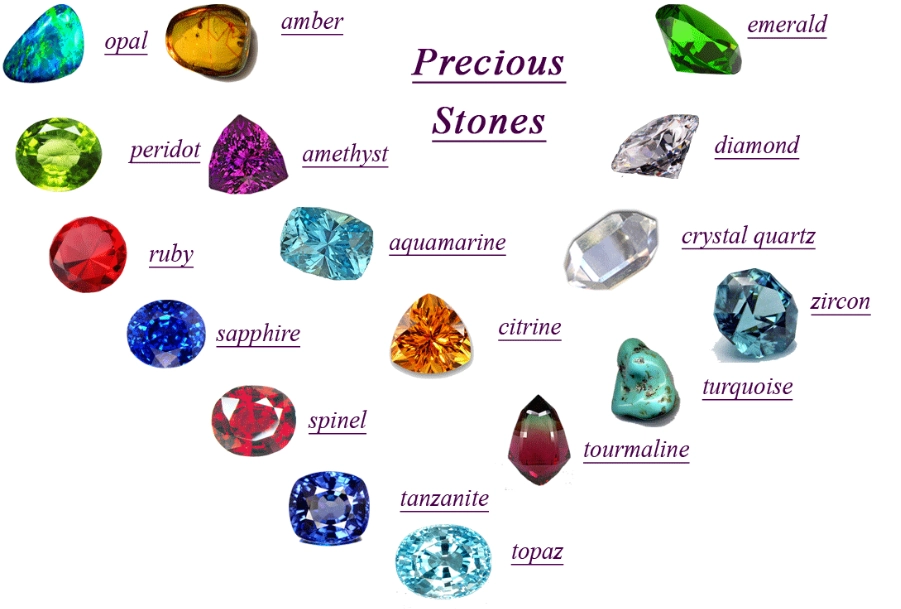
Step 1: Check Hardness. Use a Mohs scale kit (under $20 online). Gently scratch the stone with a known material. If a quartz (hardness 7) scratches it, it's softer than 7. This rules out fakes like glass (hardness 5.5).
Step 2: Examine Color and Inclusions. Natural gemstones have imperfections. Hold the stone under a loupe (10x magnification). Emeralds show jardin inclusions; diamonds might have feathers. Synthetic stones often look too clean. Color zoning—uneven color patches—can indicate natural origin.
Step 3: Test Refraction and Density. Use a refractometer if you have one; each gem has a unique refractive index. For density, weigh the stone in air and water—a quick calculation gives specific gravity. Garnet, for instance, is denser than quartz.
Step 4: Verify with Authority. When in doubt, get a report from GIA or American Gem Society (AGS). It costs $50-$100 but saves thousands. I once identified a "sapphire" as blue spinel using this—the client almost overpaid by 80%.
Pro tip: Many guides miss this, but always test under different lights. Some treated gems change color in fluorescent light, revealing enhancements. Also, be wary of sellers who avoid questions about origin—it's often a sign of undisclosed treatments.
Choosing the Perfect Gemstone: A Step-by-Step Approach
Picking a gemstone isn't just about beauty; it's about matching it to your needs. Let's walk through a scenario: you want a gem for an engagement ring.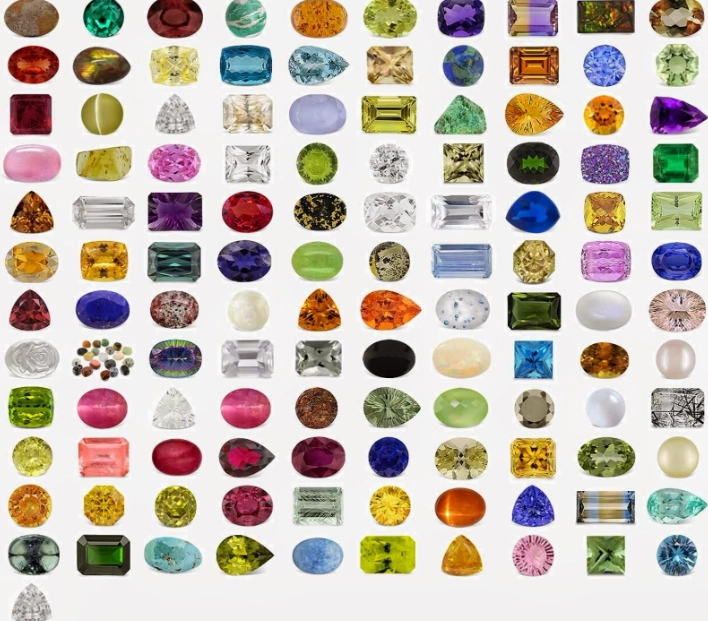
Define Your Purpose. Is it for daily wear, investment, or a special gift? For daily wear, prioritize hardness above 7. For investment, focus on rarity and certification.
Set a Budget. Gemstones vary wildly in price. Decide if you're okay with treatments—heated sapphires cost half of unheated ones. Include insurance in your budget; it's often overlooked.
Consider Color and Personal Style. Do you prefer classic whites or bold colors? Blue sapphires are timeless, while paraíba tourmaline is trendy but pricey. I advise against chasing fads; go with what you love.
Evaluate Source and Ethics. Sustainable gemstones are a hot topic. Look for stones from mines with fair-trade practices, like some Australian opals. Avoid conflict gems; ask for Kimberley Process certification for diamonds.
Get Hands-On. Visit a reputable jeweler. Feel the stone's weight, check its cut under light. Photos online can be misleading. I've had clients disappointed because the stone looked different in person.
For example, if you're on a tight budget, consider moissanite instead of diamond—it's nearly as hard and more affordable. Or, for a unique touch, try a parti sapphire with multiple colors.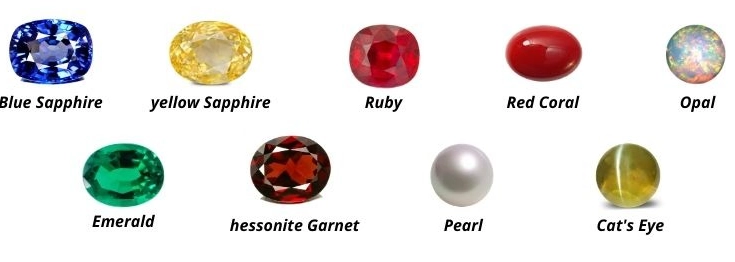
Common Pitfalls in Gemstone Buying (From My Experience)
Here are mistakes I see every week—avoid these to save money and hassle.
Overpaying for Treatments. Many gemstones are treated to improve color or clarity. It's fine if disclosed, but some sellers hide it. Always ask: "Is this stone treated?" If they hesitate, walk away. Heated rubies are common, but fracture-filled emeralds can degrade over time.
Ignoring Durability. Soft stones like opal or pearl aren't suited for rings. I repaired a pearl ring that cracked after a few months—it wasn't designed for daily abuse. Match the stone to its use.
Falling for Fake Certificates. Not all gemological reports are equal. Stick to GIA, AGS, or SSEF. I've seen homemade "certificates" that inflate grades. Check the report number online to verify.
Neglecting Insurance. Gemstones can be lost or stolen. Insure them separately from jewelry; standard policies might not cover full value. A client once lost a $10,000 sapphire pendant and got only $2,000 from insurance.
Buying Based on Size Alone. A bigger stone isn't always better. Quality trumps carat weight. A small, vivid ruby is worth more than a large, pale one. Focus on color and clarity first.
My personal rule: if a deal seems too good to be true, it probably is. I once passed on a "steal" of a diamond that later turned out to be cubic zirconia. Trust your gut and do your homework.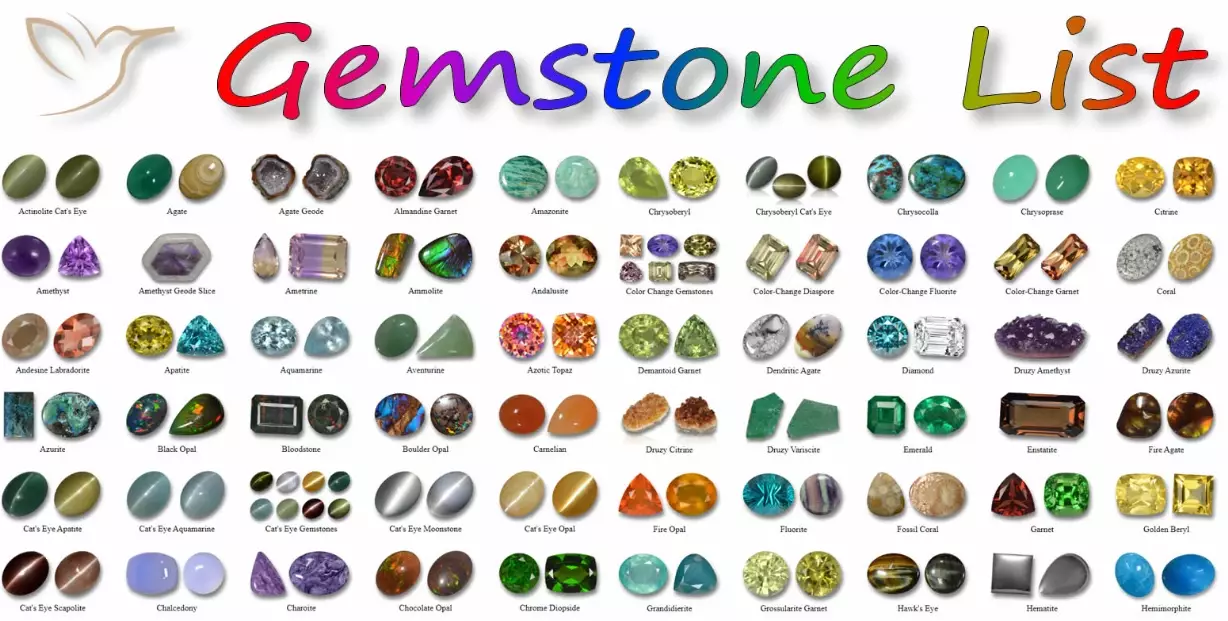
Frequently Asked Questions About Gemstones
That wraps up our gemstones list guide. Remember, whether you're buying your first stone or adding to a collection, knowledge is your best tool. Start with this list, practice identification, and always ask questions. The gem world is full of wonders, but a little caution goes a long way. Happy hunting!