You've seen those lists. "Gemstones from A to Z." They're everywhere. But most just throw names at you—Agate, Beryl, Citrine—without telling you what you actually need to know. Which ones are tough enough for a ring? Why does one "emerald" cost $100 and another $10,000? What's the deal with all these different names for what looks like the same green stone?
Let's fix that. This isn't just a list. It's a field guide. I've been collecting and working with stones for over a decade, and I still get tripped up by trade names and misleading descriptions. This guide cuts through the noise. We'll go beyond the alphabet to talk about hardness, where they're found, and the one critical mistake beginners make with almost every stone on this list.
What's Inside This Guide
How to Use This A-Z Gemstone List (The Right Way)
Think of this as a starting point, not the final answer. When you see a name like "Kunzite," don't just note it's a pink stone. Look at its hardness (6.5-7). That tells you it's okay for pendants but might scratch in a ring. See its property (pleochroism)—meaning it shows different colors from different angles. That's a cool identifier.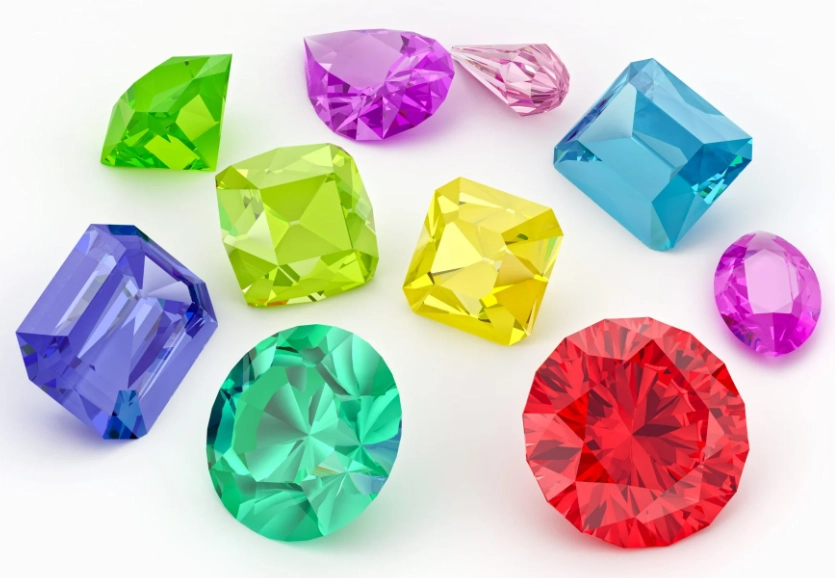
The real value comes from cross-referencing. See a beautiful blue stone in a shop labeled "Larimar." Come here, find it under 'L,' and you'll instantly know it's a pectolite only from the Dominican Republic, with a soft hardness of 4.5-5. That immediately tells you it's rare, location-specific, and too delicate for daily-wear rings. You've just avoided an overpay or a poor choice.
Pro Tip: The name game is tricky. "Precious" stones (diamond, ruby, sapphire, emerald) is an old marketing term. A high-quality "semi-precious" tsavorite garnet can be far more valuable than a low-quality "precious" emerald. Focus on the individual stone's quality, not its category label.
Alphabetical Gemstone Guide: Key Stones from A to Z
Here’s a curated look at some of the most significant gemstones, organized alphabetically. I've skipped some ultra-obscure ones to focus on what you're actually likely to encounter or search for.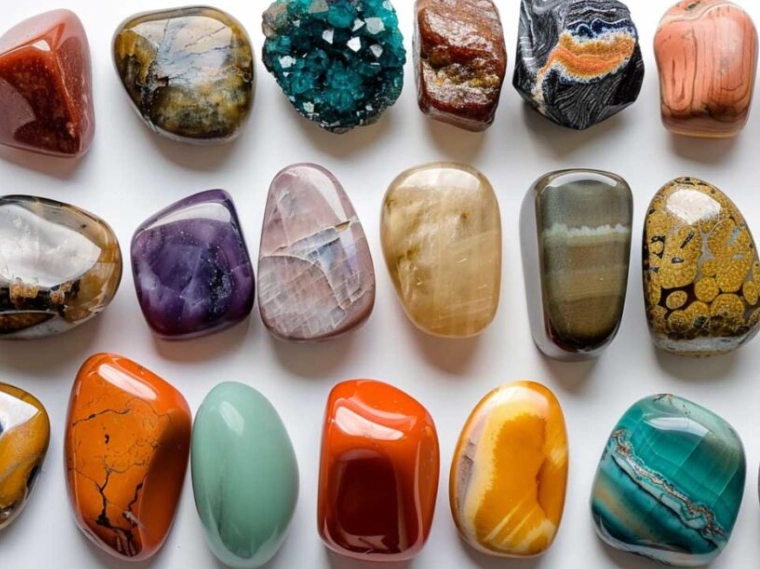
| Gemstone | Key Colors | Mohs Hardness | Notable Source(s) | Quick Insight |
|---|---|---|---|---|
| Agate | Banded, all colors | 6.5-7 | Worldwide (Brazil, Uruguay) | A chalcedony variety. Dyed agate is ubiquitous. Natural banding is key. |
| Beryl | Green, Blue, Pink, Yellow | 7.5-8 | Colombia, Brazil, Africa | The mineral family for emerald (green), aquamarine (blue), and morganite (pink). |
| Citrine | Yellow to orange-brown | 7 | Brazil, Madagascar | Most commercial citrine is heat-treated amethyst. Natural pale yellow is rarer. |
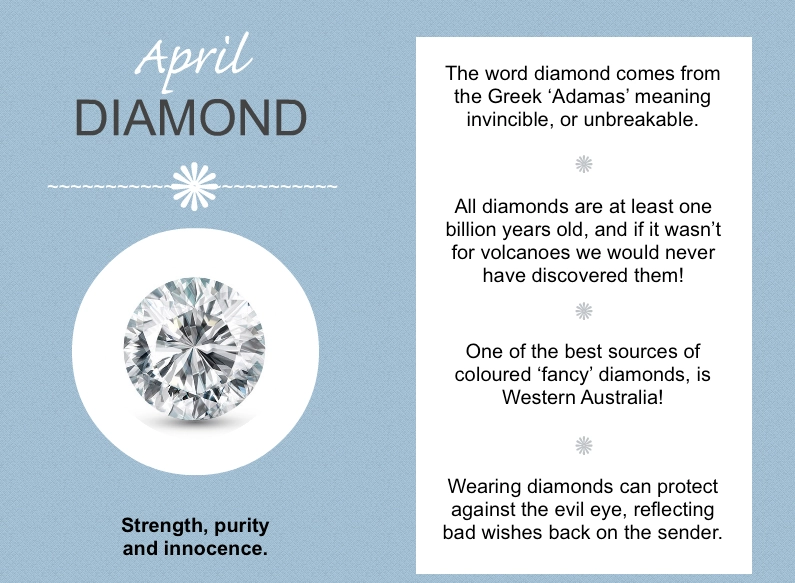
| Diamond | Colorless, fancy colors | 10 | Botswana, Russia, Canada | The hardest natural substance. Value based on Cut, Color, Clarity, Carat (4Cs). |
| Emerald | Green | 7.5-8 | Colombia, Zambia, Brazil | Almost always included (jardine). Clarity-enhancing oils are standard, must be disclosed. |
| Fluorite | Purple, Green, Blue, Multicolor | 4 | China, Mexico, England | Too soft for jewelry. Prized by collectors for stunning cubic crystals and fluorescence. |
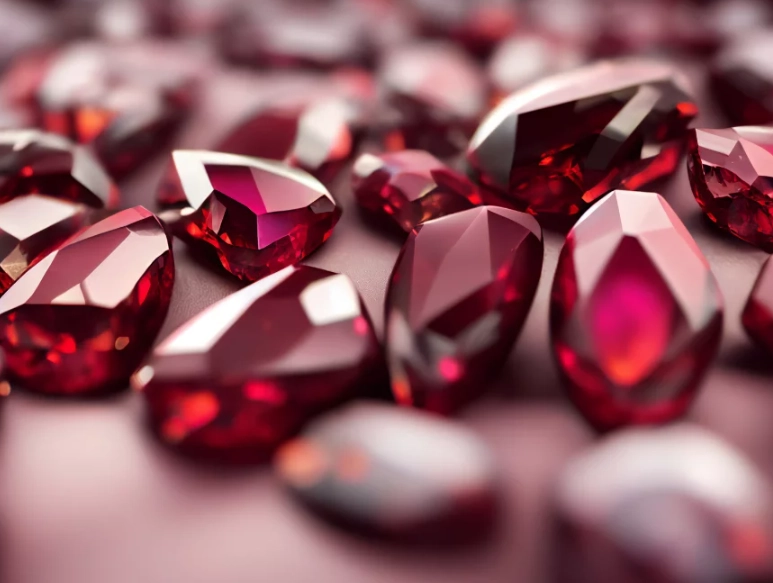
| Garnet | Red, Green, Orange, Purple | 6.5-7.5 | Worldwide | A group, not one stone. Pyrope (red), Almandine (red), Spessartine (orange), Tsavorite (green). |
| Hematite | Metallic gray-black | 5.5-6.5 | England, Brazil, USA | Dense, heavy, with a metallic luster. Often carved or polished into beads. Can streak red. |
| Iolite | Violet-blue, gray | 7-7.5 | India, Sri Lanka, Madagascar | Strongly pleochroic (looks violet, blue, or gray from different angles). Called "Vikings' Compass." |
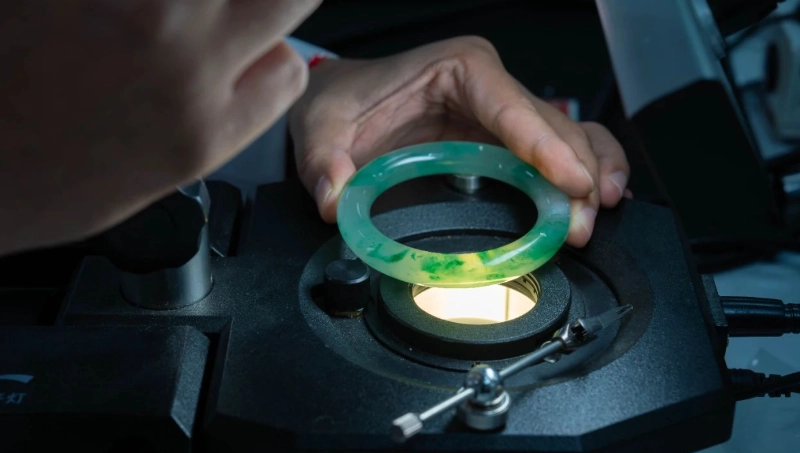
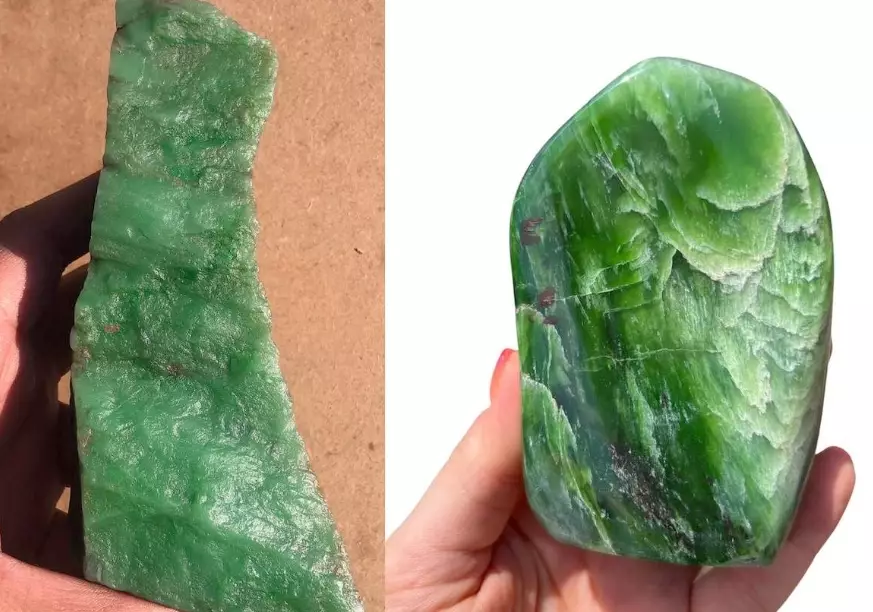
| Jade | Green, White, Lavender | 6-7 (Jadeite harder) | Myanmar (Jadeite), Canada (Nephrite) | Two distinct minerals: Jadeite (more valuable) and Nephrite (tougher). |
| Kunzite | Pink to violet | 6.5-7 | Afghanistan, Brazil, USA | A pink spodumene. Color can fade in strong sunlight. Pleochroic. |
| Lapis Lazuli | Deep blue with pyrite flecks | 5-5.5 | Afghanistan, Chile | A rock, not a single mineral. Prized since antiquity. Often dyed or imitated. |
| Moonstone | White, Peach, Gray with sheen | 6-6.5 | Sri Lanka, India | A feldspar with adularescence (floating light effect). Soft, best for protected settings. |
| Opal | All colors (play-of-color) | 5.5-6.5 | Australia, Ethiopia, Mexico | Can be precious (play-of-color) or common. Hydrated, can crack if dried ("crazing"). |
| Peridot | Olive green | 6.5-7 | Pakistan, USA, China | One of the few gemstones found in one color. Can be extraterrestrial (in pallasite meteorites). |
| Quartz | Clear, Purple, Pink, etc. | 7 | Worldwide | The most common gem family. Includes amethyst, citrine, ametrine, rose quartz, smoky quartz. |
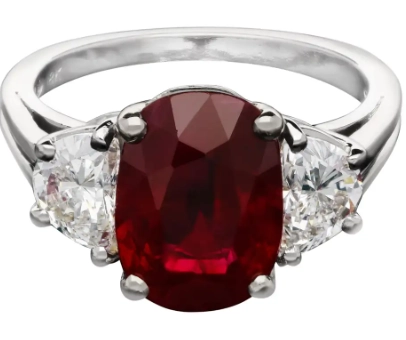
| Ruby | Red | 9 | Mozambique, Myanmar, Thailand | Red corundum. Heat treatment is common. The presence of chromium causes the red color. |
| Sapphire | Blue, Pink, Yellow, etc. | 9 | Sri Lanka, Madagascar, Kashmir | Any color of corundum that's not red. Padparadscha (orange-pink) is exceptionally rare. |
| Tanzanite | Blue-violet | 6.5-7 | Tanzania (only) | A blue zoisite. Almost always heat-treated to enhance blue. Pleochroic, can be brittle. |
| Turquoise | Blue to green | 5-6 | USA, Iran, China | Often stabilized with resin for durability. High-quality natural, untreated material is rare. |
| Zircon | Blue, Brown, Colorless | 6.5-7.5 | Cambodia, Sri Lanka, Myanmar | Not cubic zirconia! Natural, with high brilliance and fire. Can be heat-treated to blue. |
See? More than just names. That hardness number is your best friend. I learned this the hard way early on. I bought a beautiful fluorite necklace, not checking the hardness. After a few months of casual wear, it was covered in fine scratches, dulling its stunning color. A quick glance at a proper list would have saved it.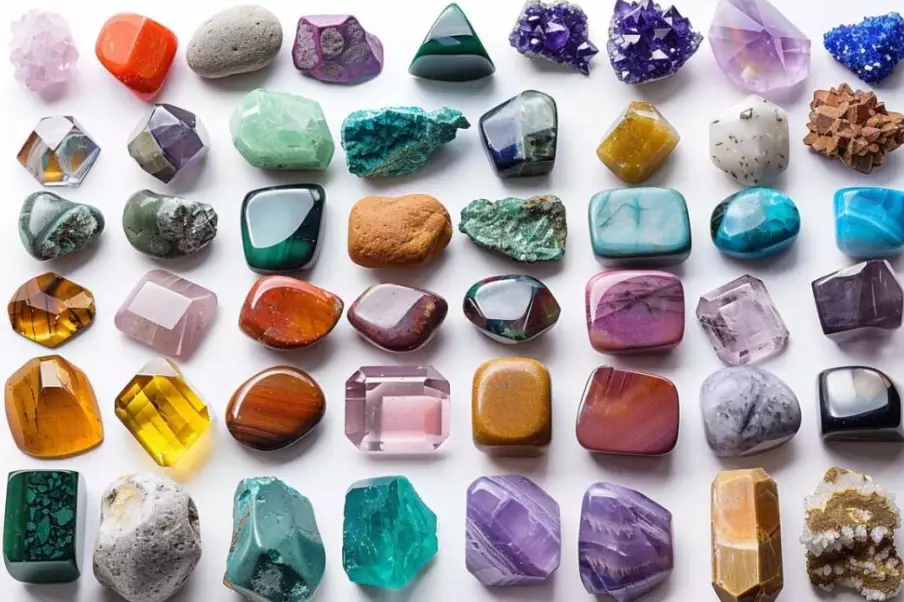
Beyond the Alphabet: Hardness, Care & Buying Tips
The list gives you facts. This section tells you what to do with them.
Understanding Mohs Hardness for Real Life
The Mohs scale is ordinal, not linear. A diamond (10) isn't twice as hard as apatite (5); it's exponentially harder. For jewelry:
- 7 and above (Quartz, Topaz, Corundum, Diamond): Safe for daily-wear rings and bracelets.
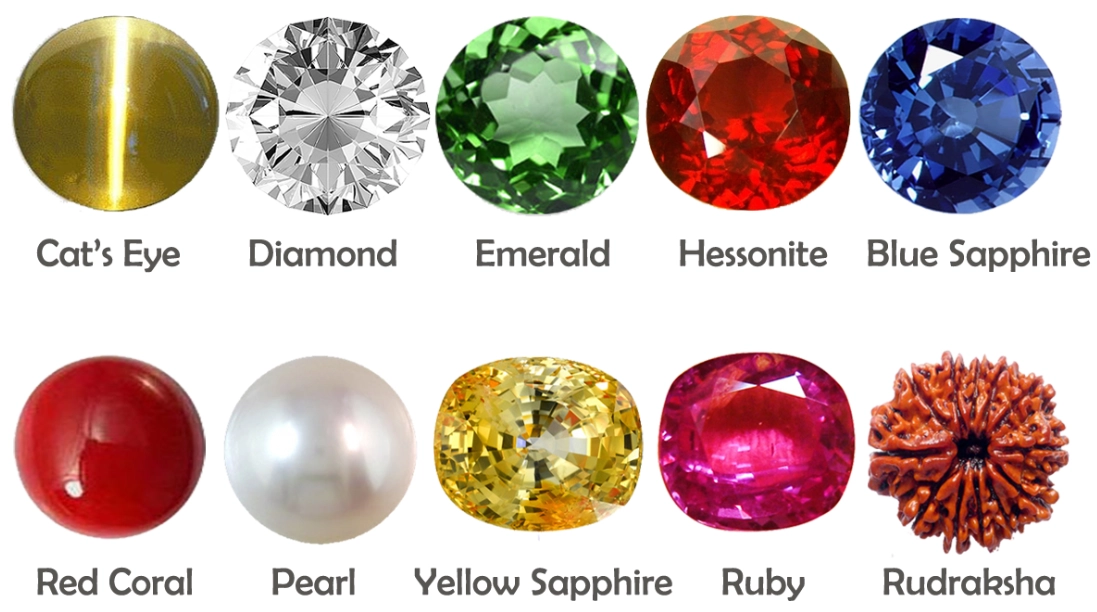
- 6 to 6.5 (Opal, Moonstone): Okay for pendants, earrings, or occasional-wear rings in protective settings (bezels).
- 5 and below (Turquoise, Lapis, Malachite): Best for pendants or earrings only. Keep away from impacts and chemicals.
The American Gem Trade Association and Gemological Institute of America (GIA) emphasize hardness as a primary factor in gemstone durability. It's not just about scratching; a softer stone's polish will wear away over time, making it look perpetually dirty.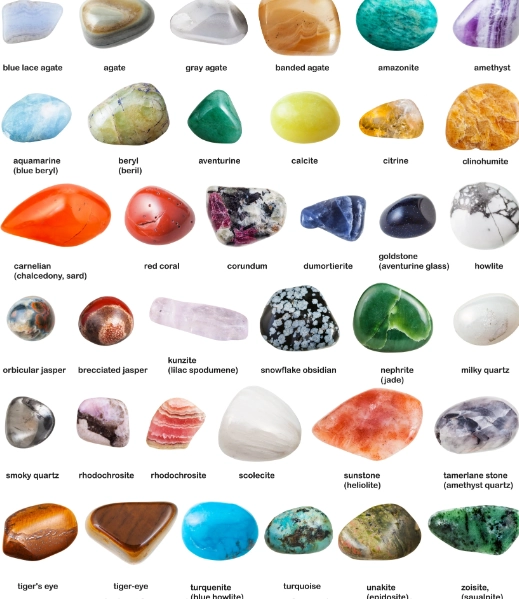
The Single Biggest Mistake When Buying
Assuming the name tells the whole story. "Sapphire" means blue corundum, but most blue sapphires are heat-treated to improve color. That's acceptable but must be disclosed. "Topaz" in a mall store is almost always irradiated and treated blue topaz—the natural blue is incredibly rare. "Emerald" is often filled with oils or resins to hide fractures.
Always ask: "Has this stone been treated?" Reputable sellers will tell you. If they don't know or evade the question, walk away. A list like the one above gives you the baseline; an honest seller gives you the real story of that specific stone.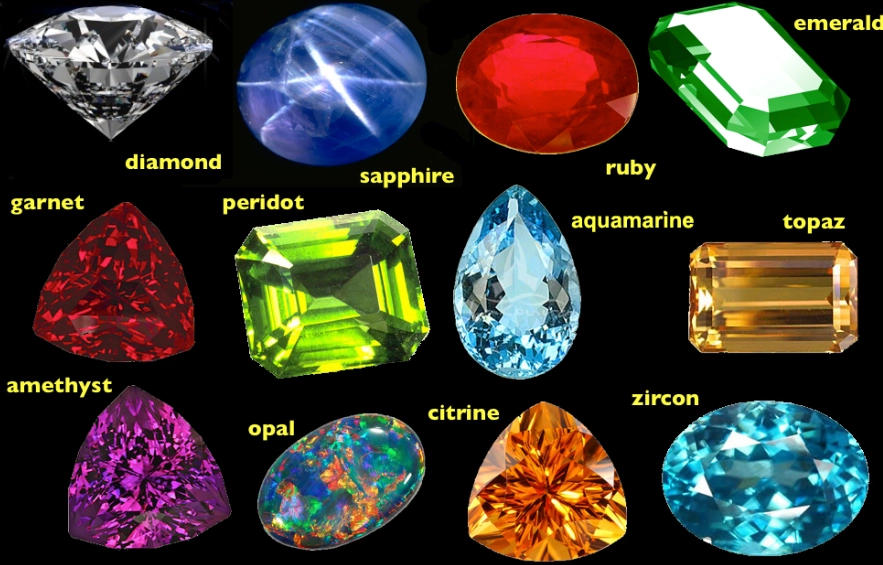
Your Gemstone Questions Answered
Over the years, I've been asked hundreds of questions. These are the ones that come up again and again, especially after people scan an A-Z list.
Let's be honest. No single list can contain everything. New deposits are found, treatments evolve, and fashion changes. But a solid A-Z list grounded in practical properties—hardness, typical appearance, common treatments—is an anchor. It turns a vague interest into informed curiosity. You stop just liking the "blue stone" and start appreciating the specific brilliance of a Ceylon sapphire versus the velvety sleep of a lapis lazuli. That's where the real magic begins.
Use this list as your cheat sheet. Bookmark it. Cross-reference. And next time you're looking at a piece of jewelry or a loose stone, you'll have the confidence to look beyond the label.