Let's cut to the chase. Asking for the "top 10 gemstones" isn't just about a list. You want to know what's truly valuable, what holds its worth, and what piece of the Earth's magic is worth wearing or investing in. The answer blends cold-hard facts like rarity and hardness with the warm, fuzzy stuff like history and sheer beauty.
Based on decades of market trends, auction records, and desirability, the top tier is dominated by the "Big Four" precious stones—diamond, ruby, sapphire, and emerald—but several phenomenal gems have fought their way into the elite circle. This list ranks them by a mix of durability, rarity, demand, and that intangible "wow" factor.
What's Inside?
What Makes a Gemstone "Top"?
It's not just about being pretty. A top-tier gemstone needs to tick several boxes. Durability is non-negotiable. The Mohs scale of hardness matters. A gem like an opal (5.5-6.5) is breathtaking but requires babying. A diamond (10) can handle daily life. Then there's rarity. How many carats of gem-quality material are pulled from the ground each year? Paraiba tourmaline is measured in grams, not kilos. Finally, beauty and demand. Color, brilliance (how it handles light), and clarity create the visual appeal, while cultural significance (like diamonds for engagements) drives demand.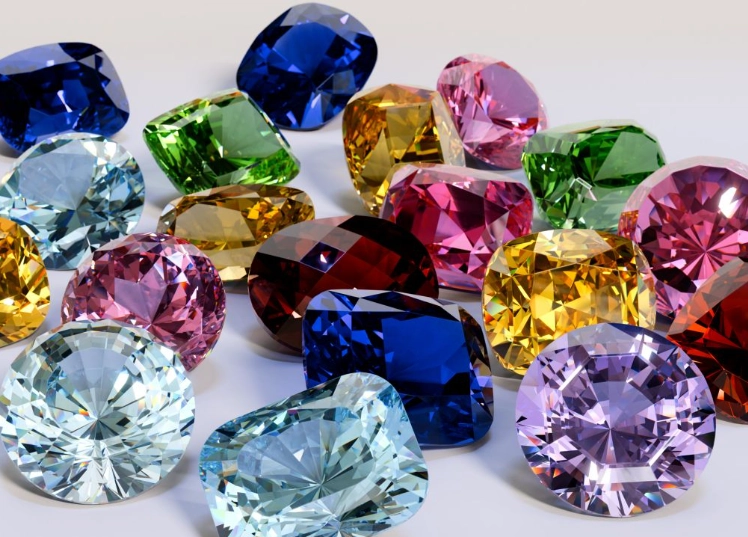
I've seen collectors chase a specific shade of blue for years. That's what we're talking about.
The Definitive Top 10 Gemstones List
Here they are, ranked from the undisputed king to the magnificent contenders. Think of positions 5-10 as a fierce tie—their order can shift based on a specific stone's quality.
| Rank & Gem | Key Color(s) | Mohs Hardness | Why It's Top Tier | Expert Note |
|---|---|---|---|---|
| 1. Diamond | Colorless, Fancy Colors (Yellow, Blue, Pink) | 10 | Ultimate hardness, unmatched brilliance, cultural cornerstone. | The 4Cs (GIA standard) are gospel. Fluorescence can lower value, but sometimes makes a faint yellow diamond look whiter. |
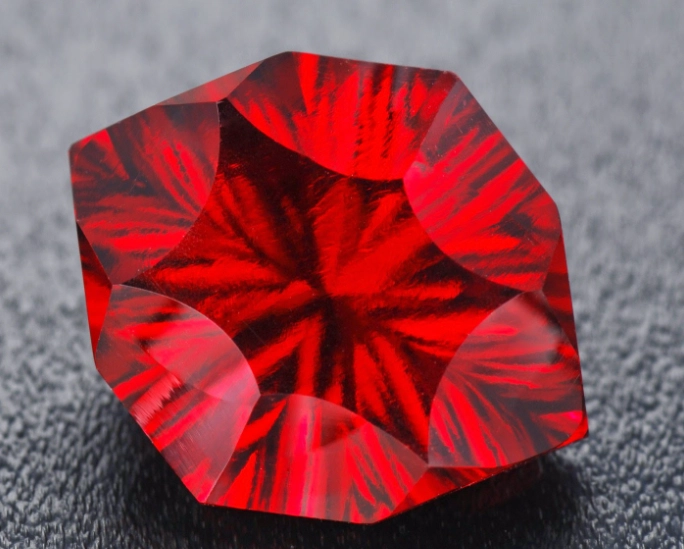
| 2. Ruby | Red (Pigeon's Blood ideal) | 9 | Rarest of the colored "Big Four," symbol of passion. | Burmese origin commands a huge premium. Heat treatment is ubiquitous; unheated stones are exponentially more valuable. |
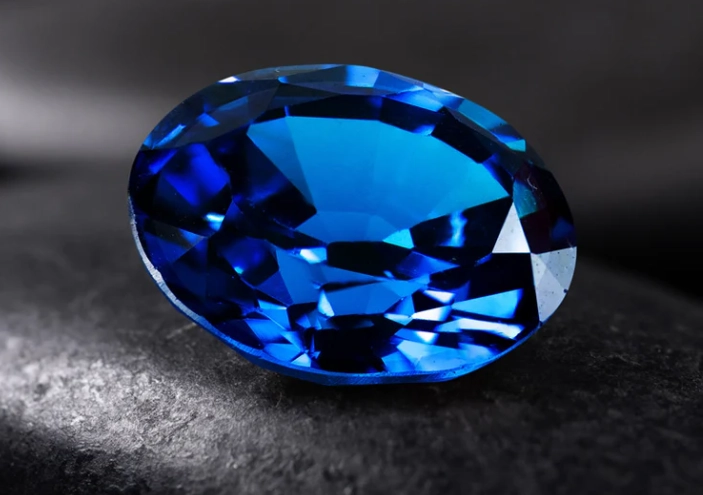
| 3. Blue Sapphire | Blue (Cornflower to Royal Blue) | 9 | Durable, classic, royal heritage. Most famous is Kashmir (rare) or Ceylon (Sri Lankan). | Heat treatment is standard and accepted, but should be disclosed. Padparadscha (pink-orange) sapphires are a collector's dream. |
| 4. Emerald | Green (Vivid Grass Green) | 7.5-8 | Iconic, lush color. Inclusions ("jardin") are accepted, even expected. | Almost all are clarity-enhanced with oils or resins. Ask for the level of treatment. They're brittle—avoid knocks. |
| 5. Paraiba Tourmaline | Neon Blue-Green ("Windex" blue) | 7-7.5 | Most electric color in the gem world. Extremely rare due to copper content. | Originally from Paraiba, Brazil; now also from Mozambique. Mozambican stones are often larger but can lack the neon punch. Price per carat is staggering. |
| 6. Alexandrite | Color-Change (Green in daylight, Red in incandescent) | 8.5 | Rarest optical phenomenon. The "emerald by day, ruby by night" magic. | Natural stones over 1 carat are museum pieces. Most on the market are lab-created or simulants (like color-change sapphire). |
| 7. Opal (Black & Crystal) | Play-of-Color (All rainbow colors) | 5.5-6.5 | Unmatched play-of-color. Each stone is a unique universe. | Black opal from Lightning Ridge, Australia, is the most valuable. It's a fragile gem—fears dryness and sudden temperature changes. |
| 8. Cat's Eye Chrysoberyl | Honey, Green, Yellow with moving "eye" | 8.5 | The "chatoyancy" effect is mesmerizing. Incredibly durable and rare. | The sharp, centered, silky eye is key. Many "cat's eye" stones are quartz or glass—insist on a lab report for chrysoberyl. |
| 9. Spinel | Red, Hot Pink, Cobalt Blue | 8 | Historically confused with ruby (the "Black Prince's Ruby" is spinel). Brilliant, often very clean. | The "great impostor" is now a star in its own right. Burmese reds and vivid pinks are top. No treatments, what you see is natural. |
| 10. Tanzanite | Violet-Blue (Trichroic) | 6.5-7 | Found in only one place on Earth (Tanzania). A deep, velvety blue-violet. | Softer, needs protective settings. Heat treatment is standard to achieve the blue. Its single-source status drives value and speculation. |
That table gives you the blueprint. But a list is just a start. I remember a client who fell for a large, included ruby because it had "character," ignoring the fact the inclusions made it prone to cracking. Beauty needs a foundation of sense.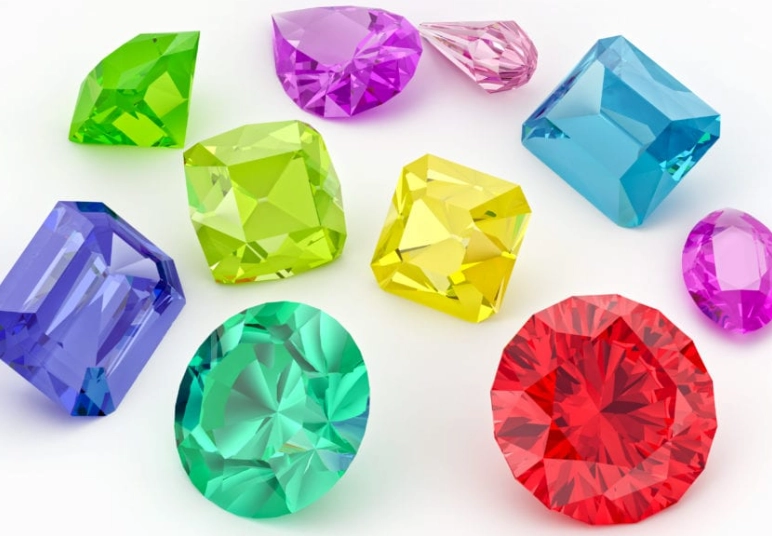
How to Choose Your Perfect Gemstone?
You're not just buying a mineral; you're starting a relationship. Here’s how to think about it.
Start With Your Lifestyle
Be brutally honest. If you're hard on your hands, a diamond, sapphire, or spinel ring is a warrior. An opal or emerald ring? Maybe a pendant or earrings where they're safer. I've seen too many chipped emeralds from people forgetting to take them off while gardening.
Understand the 4Cs (And Beyond)
For diamonds, the GIA's 4Cs (Cut, Color, Clarity, Carat) are the bible. For colored stones, the mantra shifts: Color is King, Clarity is Queen, and Cut is the Messenger. A great cut can make mediocre color look better, but it can't create a great color from a pale stone.
Budget with Strategy
Don't just think carat weight. A slightly smaller stone with superior color will look and hold value better than a larger, dull one. With a mid-range budget, consider a fantastic spinel over a mediocre ruby. You'll get more beauty for your buck.
Certification is Your Safety Net
For any significant purchase, insist on a report from a major lab like GIA, AGL (American Gemological Laboratories), or Gubelin. It's your ID card, confirming species, origin, and any treatments. No reputable seller should balk at this.
Beyond the List: Other Notable Gemstones
The top 10 aren't the only show in town. Some gems are rising stars or niche favorites.
Tsavorite Garnet: A rival to emerald with a brighter, cleaner green and more brilliance. It's also rarer in large sizes but more durable (7-7.5 Mohs). No treatments ever.
Demantoid Garnet: The most brilliant of all gems (higher refractive index than diamond), known for its horsetail inclusions and vibrant green. A connoisseur's choice.
Jadeite Jade: Not evaluated by transparency alone. Its value lies in an intense, even emerald-green color ("Imperial Jade"), fine texture, and translucency. The Asian market sets the pace here, and prices for top pieces rival diamonds.
These gems prove that sometimes stepping off the beaten path gets you something extraordinary.
Are Lab-Created Gemstones a Good Alternative?
This is the hottest debate in the industry. Lab-created diamonds and corundum (ruby/sapphire) are chemically identical to their mined counterparts. They're not "fake."
The Pros: You get a flawless, large, vividly colored stone for a fraction of the price. It's an ethical choice for some, with a guaranteed origin story. For a fashion piece where you want maximum impact per dollar, they're unbeatable.
The Cons (The Big One): They have little to no resale value. A natural gem is a piece of rare geology; a lab gem is a manufactured product. The market treats them like consumer electronics—they depreciate. If you're buying as an heirloom or asset, go natural. If it's purely for adornment and you don't care about future value, labs are a smart option.
Always, always ensure the stone is disclosed as lab-created. If the deal seems too good to be true for a natural stone, it probably is.