Let's cut straight to it. You're here because you want to know which gemstone is linked to your birthday, or maybe you're shopping for a meaningful gift. The idea of a birthstone for each month is ancient, romantic, and surprisingly practical—it narrows down the endless world of gems into a personal choice. But the list you probably know, the "modern" one, is a 20th-century creation. It's designed to be beautiful, available, and wearable. This isn't just a list; it's a roadmap to 12 unique pieces of the Earth's artistry.
Your Quick Guide to the 12 Birthstones
What Are Birthstones and Where Did They Come From?
The concept is older than most people think. It didn't start with jewelry stores. Historians trace it back to the Breastplate of Aaron described in the Book of Exodus—a religious garment adorned with twelve gems representing the tribes of Israel. Fast forward through centuries, and these stones became linked to the zodiac, then to calendar months.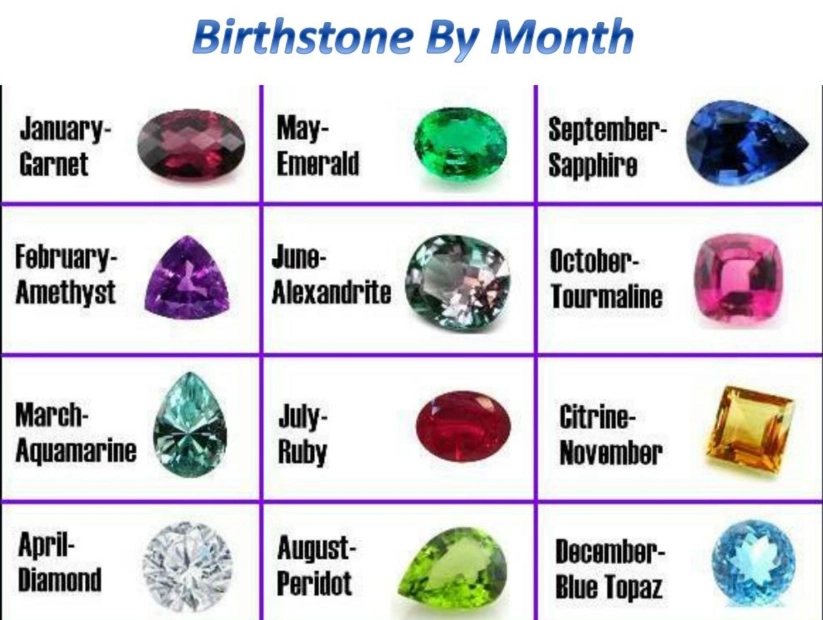
The big shift happened in 1912. The National Association of Jewelers in the USA sat down and standardized an official list. Why? Chaos. Before that, you had multiple lists from different cultures—Turkish, Arabic, Polish, Russian—all disagreeing. A jeweller in New York might sell you one stone for April, while another in London suggested something else. The 1912 list aimed for consistency, focusing on stones that were commercially viable. It was updated in the 1950s (adding stones like citrine for November) and has had minor tweaks since, like adding tanzanite for December in 2002.
Here's a detail most articles miss: The modern list heavily favors gemstones that can be consistently supplied to the global market. That's why you see Tanzanite (only found in one place) as an alternative for December, but the primary stones are more widespread. It's a blend of poetry and pragmatism.
Your Month-by-Month Guide to the 12 Birthstones
Forget dry descriptions. Let's talk about what makes each stone special, beyond its color. I've handled thousands of these, and the character of each one is unique.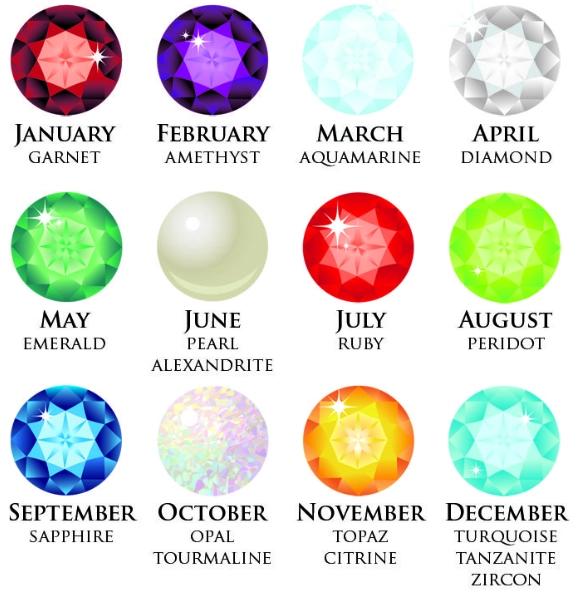
January – Garnet
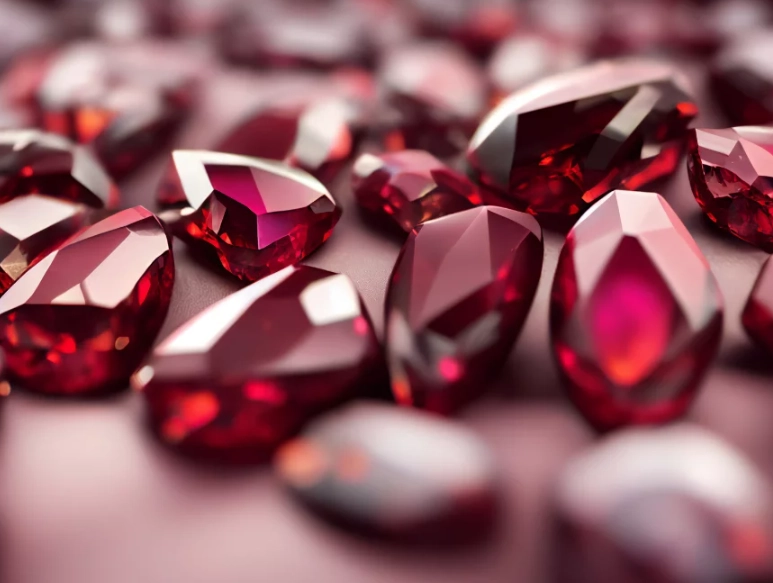
Most think garnet is only that deep, dark red. It's a classic, sure. But the garnet family is huge. Have you seen a vibrant green Tsavorite garnet? Or a soft orange Spessartite? They're stunning. The common red Almandine garnet is affordable and durable (7-7.5 on the Mohs scale), perfect for everyday rings. It symbolizes loyalty and friendship. A great starter gem.
February – Amethyst
Once as valuable as ruby or emerald, amethyst lost its exclusive status when massive deposits were found in Brazil. That's good news for you. It means you can get a large, eye-clean purple stone without breaking the bank. The color ranges from light lilac to deep, almost blackish purple. It's a quartz, so it's tough enough (7 Mohs) for any jewelry. Historically linked to sobriety and clarity of mind.
March – Aquamarine
The color of serene tropical waters. Aquamarine is a beryl, a cousin to emerald, but typically far cleaner (with fewer inclusions). Its cool blue tone lightens up any complexion. It's reasonably hard (7.5-8 Mohs), but its clarity means you have to watch for knocks—it can chip if set in a vulnerable ring setting. Always a popular choice for engagement rings as a diamond alternative. Evokes calmness and courage.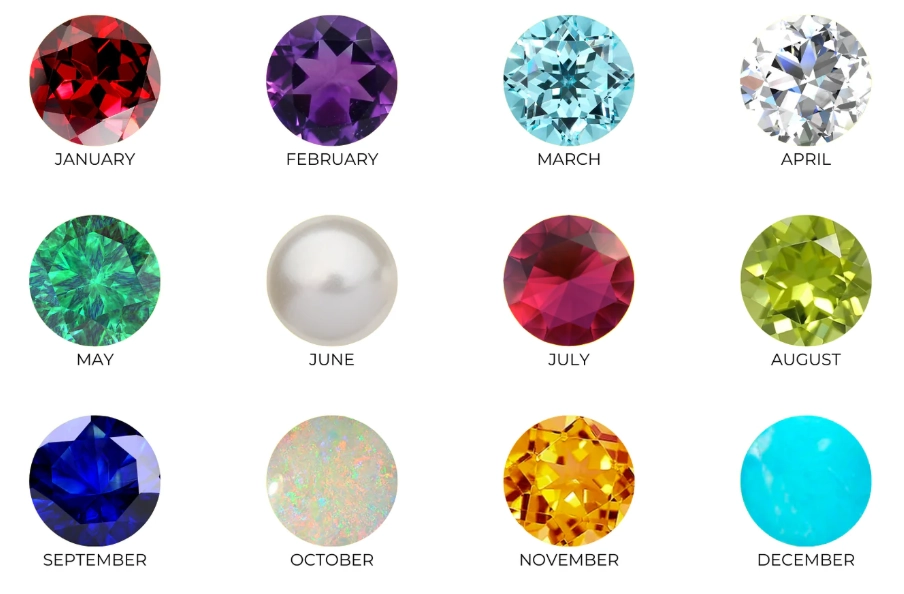
April – Diamond
The ultimate. It's not just about sparkle; it's about science. Diamond is a 10 on the Mohs scale, the hardest natural substance. That doesn't mean it's indestructible (it can cleave if struck with force at the right angle), but it will resist scratches like nothing else. The modern April birthstone is a marketing triumph, but you can't argue with its performance. For a more unique April option, look into white sapphire or white topaz, but know they won't have the same fiery brilliance.
May – Emerald
Emeralds are gardens trapped in stone. Their iconic rich green comes from chromium and vanadium. Almost every natural emerald has inclusions—jardins (gardens) in the trade. These aren't flaws; they're a fingerprint. If you see a perfectly clean, vibrant green "emerald" at a low price, it's likely synthetic or a simulant like green glass. They're softer (7.5-8 Mohs) and often oil-treated to enhance clarity, so ultrasonic cleaners are a big no-no. The stone of rebirth and love.
June – Pearl, Alexandrite, Moonstone
June gets a trio. Pearls are organic, grown by mollusks. Cultured pearls made them accessible. They're soft (2.5-4.5 Mohs) and sensitive to acid, perfume, and sweat. Alexandrite is the magic trick. It changes color from green in daylight to red under incandescent light. Natural alexandrite is extremely rare and pricey. Most on the market are synthetic or simulants. Moonstone shows a floating blue sheen called adularescence. It's more affordable and ethereal.
July – Ruby
Ruby is red corundum. Pink corundum is sapphire. That's the only difference. A true, pigeon's blood red ruby is one of the most expensive gems per carat. Heat treatment to improve color and clarity is standard and accepted. Like sapphire, it's a 9 on the Mohs scale, making it exceptionally durable for daily wear. Symbolizes passion and protection. Lab-grown rubies offer the same color and durability at a fraction of the cost, a great option many traditional jewelers won't highlight.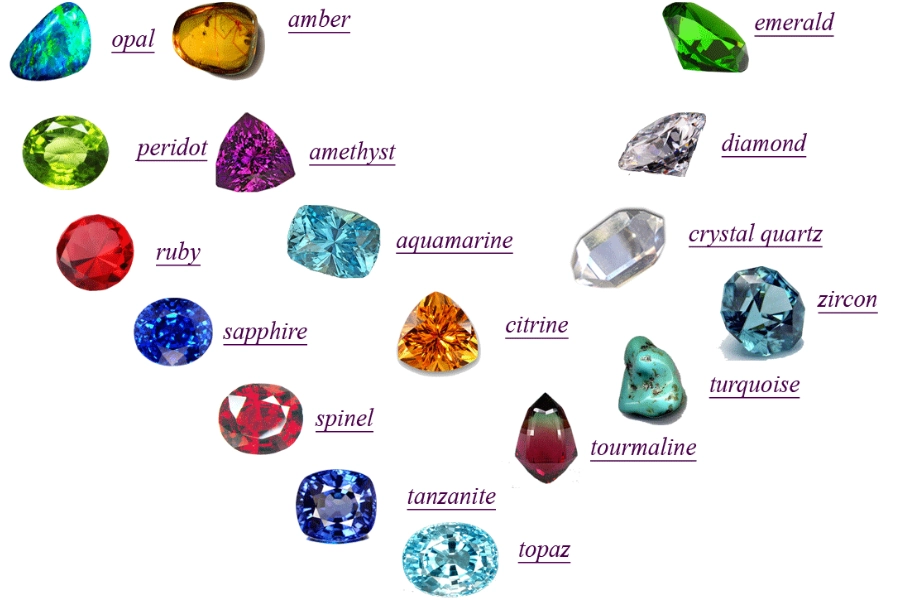
August – Peridot, Spinel
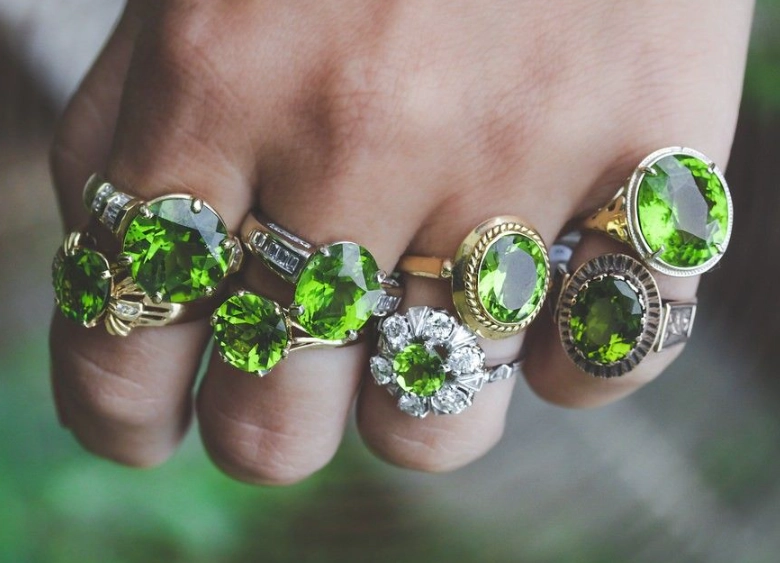
Peridot is that distinctive lime green. It's formed deep in the mantle and brought up by volcanoes. It's not super hard (6.5-7 Mohs), so keep it away from abrasives. Spinel was added as a modern alternative in 2016, and it's a game-changer. For centuries, spinel was mistaken for ruby (the "Black Prince's Ruby" in the British Crown Jewels is actually spinel). It comes in vibrant reds, pinks, and blues, is very durable (8 Mohs), and often has fewer inclusions than a ruby of similar color.
September – Sapphire
Blue is classic, but sapphire is every color except red (that's ruby). Padparadscha sapphire, a sunset pink-orange, is incredibly sought after. Sapphire is a 9 on the Mohs scale, second only to diamond. This toughness is why it's a favorite for engagement rings. The most famous sapphires are often heated to intensify the blue, which is a permanent and accepted treatment. Represents wisdom and nobility.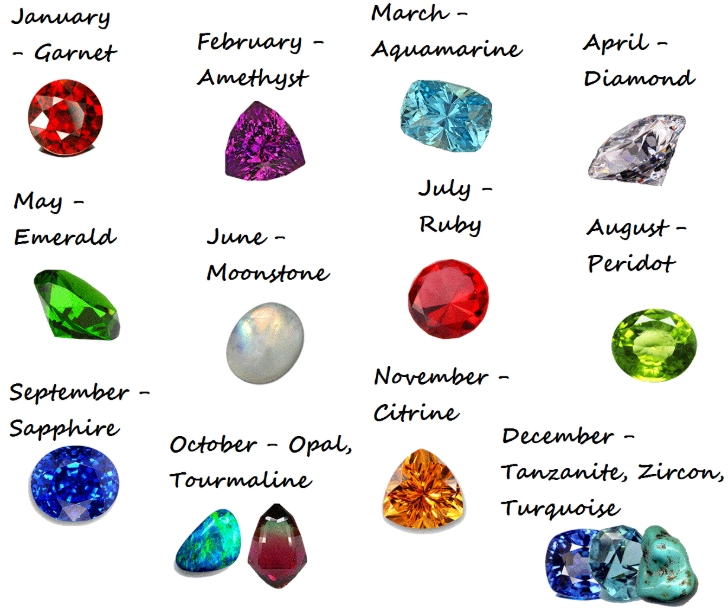
October – Opal, Tourmaline
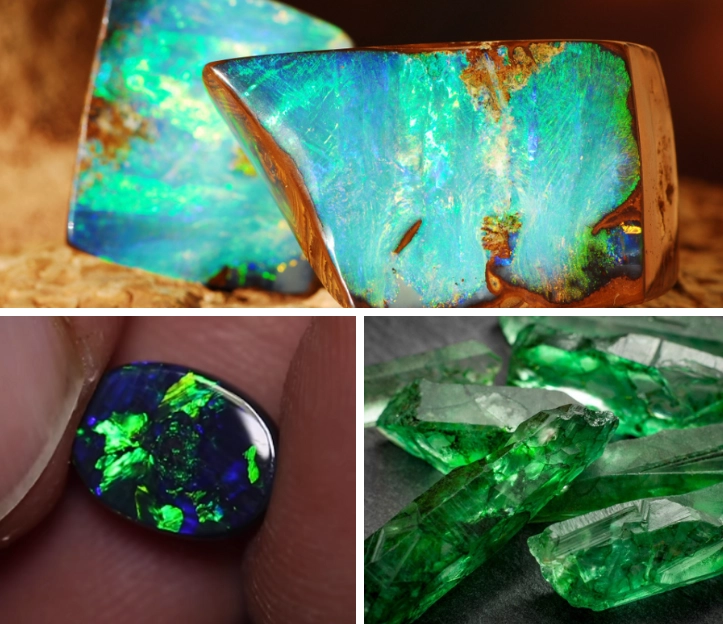
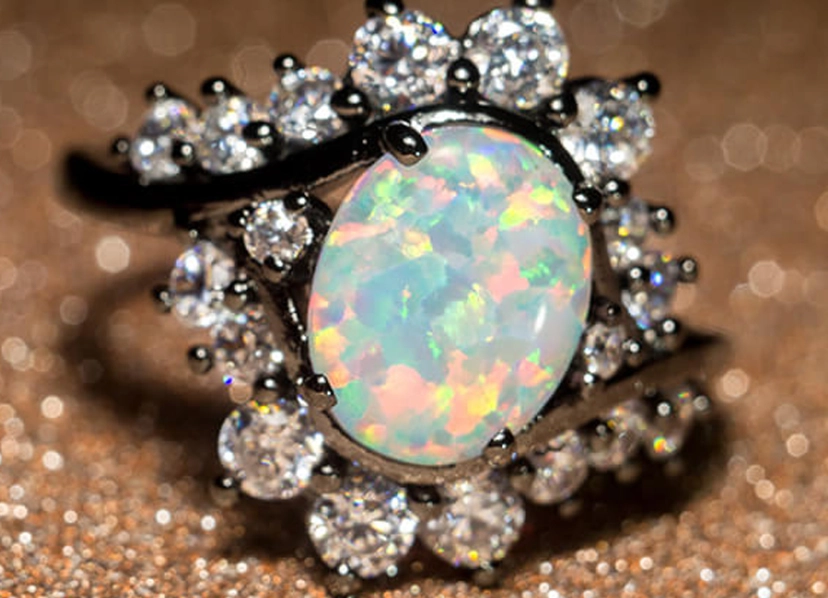
Opal is fire captured in silica. That play-of-color is unforgettable. But it's delicate (5.5-6.5 Mohs) and can crack if dried out or subjected to sudden temperature changes. Never use an ultrasonic cleaner. Tourmaline is the chameleon. It comes in more colors than any other gemstone, often in bi-color or watermelon (pink center, green rind) varieties. It's tougher (7-7.5 Mohs) than opal and a fantastic, colorful alternative.
November – Topaz, Citrine
Topaz in its natural state is often colorless or pale. The iconic blue topaz you see everywhere (Swiss Blue, London Blue) is almost always colorless topaz irradiated and heated to achieve that stable, permanent color. Imperial topaz, a sherry orange-pink, is the most valuable natural color. It's hard (8 Mohs). Citrine is the sunny yellow to orange member of the quartz family. Much of the citrine sold is actually heat-treated amethyst. Natural citrine is paler. Both are very affordable and durable.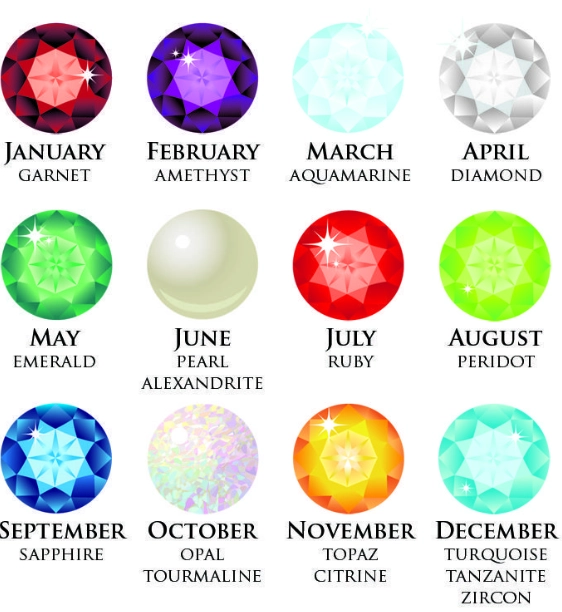
December – Turquoise, Zircon, Tanzanite
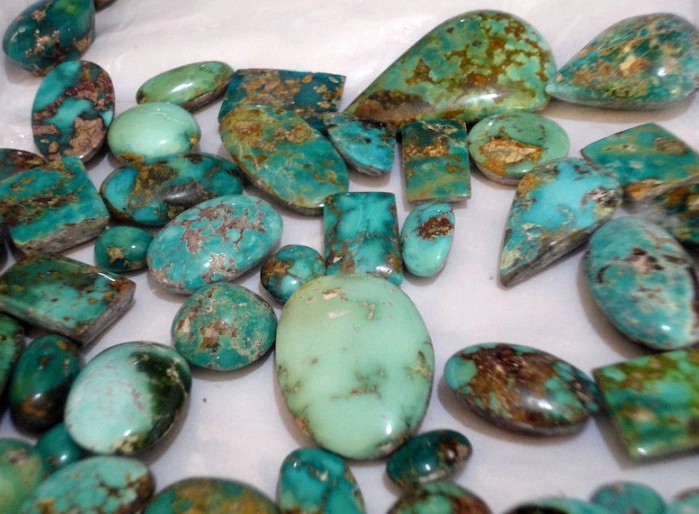
A diverse set. Turquoise is opaque, sky-blue, and often veined. It's porous and can be damaged by chemicals and oils. Zircon (not to be confused with cubic zirconia) is a natural gem with incredible fire and brilliance. It comes in blues, whites, and other colors. It's brittle, so wear it carefully. Tanzanite, discovered in 1967, is a violet-blue variety of zoisite found only in Tanzania. It's pleochroic (shows different colors from different angles) and is usually heated to enhance the blue. Softer (6.5 Mohs), best for pendants and earrings.
| Month | Modern Birthstone | Hardness (Mohs) | Key Trait |
|---|---|---|---|
| January | Garnet | 7 - 7.5 | Family of many colors beyond red |
| February | Amethyst | 7 | Abundant, affordable purple quartz |
| March | Aquamarine | 7.5 - 8 | Serene, clean blue beryl |
| April | Diamond | 10 | Ultimate hardness and brilliance |
| May | Emerald | 7.5 - 8 | Included, oil-treated green beryl |
| June | Pearl, Alexandrite, Moonstone | 2.5 - 8.5 | Organic, color-change, or ethereal sheen |
| July | Ruby | 9 | Rare, durable red corundum |
| August | Peridot, Spinel | 6.5 - 8 | Lime green or misunderstood historic gem |
| September | Sapphire | 9 | Durable corundum in all colors but red |
| October | Opal, Tourmaline | 5.5 - 7.5 | Play-of-color or extreme color variety |
| November | Topaz, Citrine | 7 - 8 | Often treated for color; sunny quartz |
| December | Turquoise, Zircon, Tanzanite | 5 - 7.5 | Opaque cultural stone, brilliant, or single-source violet-blue |
How to Choose and Care for Your Birthstone Jewelry
Picking a stone is one thing. Making sure it lasts is another.
For Rings: Prioritize hardness. Diamond, sapphire, and ruby are champions. Think twice about opal, pearl, or emerald for a ring you'll wear daily, unless it's in a very protective setting.
For Earrings and Pendants: You have more freedom. Softer stones like opal, tanzanite, or pearl are safer here, away from the bumps and scrapes of your hands.
The Cleaning Rule of Thumb: Warm water, mild dish soap, a soft toothbrush, rinse thoroughly, dry with a soft cloth. This works for 90% of gems. The big exceptions: Opals and Pearls (damp cloth only), Emeralds (avoid soaking, especially if oil-treated), and any porous stones like Turquoise.
Never, ever use ultrasonic or steam cleaners unless you are 100% certain of the stone's stability and any treatments it has had. I've seen too many fractured opals and faded gemstones from well-meaning cleaning.