Let's cut to the chase. You're here because you want to know the names of all gemstones, but the truth is, there are hundreds—maybe thousands—depending on how you count them. Instead of overwhelming you with an endless list, I'll break it down into practical categories, share some insider tips, and point out common pitfalls. I've been collecting and studying gems for over a decade, and I've seen too many beginners get tripped up by the basics. This guide will give you a solid foundation without the fluff.
What You'll Find Inside
What Are Gemstones, Really?
Gemstones are minerals, rocks, or organic materials that are cut, polished, and used for jewelry or decoration. They're valued for beauty, rarity, and durability. But here's a key point many miss: not all gems are minerals. Some, like pearls, come from living things. The Gemological Institute of America (GIA) is the go-to authority for classification—they set the standards that jewelers worldwide follow. If you're serious about gems, bookmark their site for reference.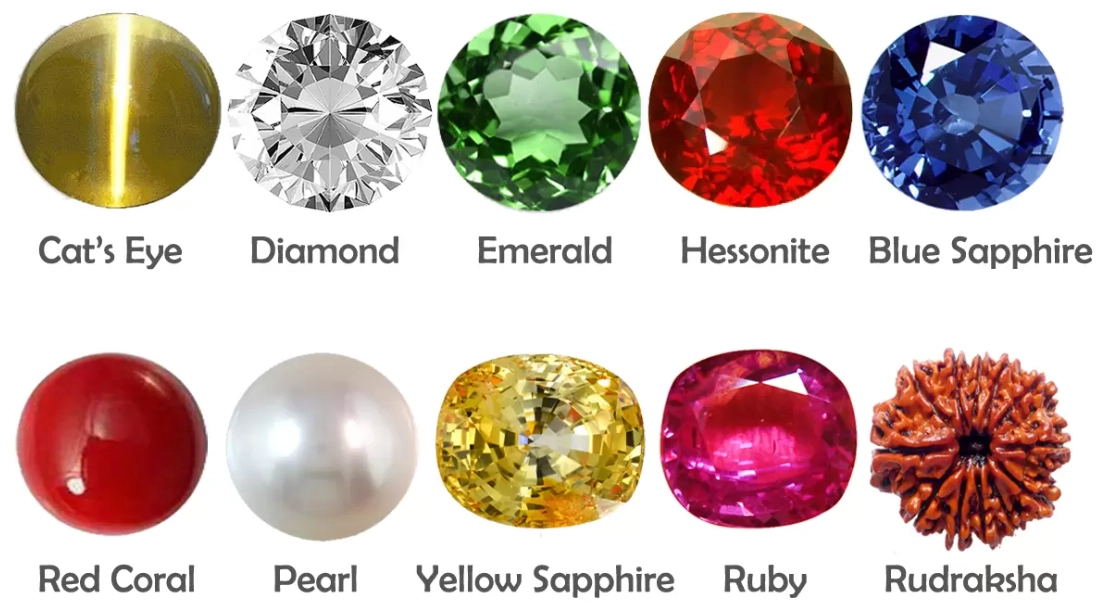
I remember my first gem show. I was dazzled by the colors but clueless about names. A vendor tried to sell me "blue zircon" as a sapphire substitute. It looked similar, but zircon is softer and has different optical properties. That experience taught me to always verify names beyond surface appearances.
The Major Categories of Gemstones
To make sense of all those names, let's group them. Traditionally, gems are split into precious and semi-precious, but that's a bit outdated. Nowadays, experts focus on mineral groups and origin. I'll use a mix for clarity.
Precious Gemstones: The Big Four
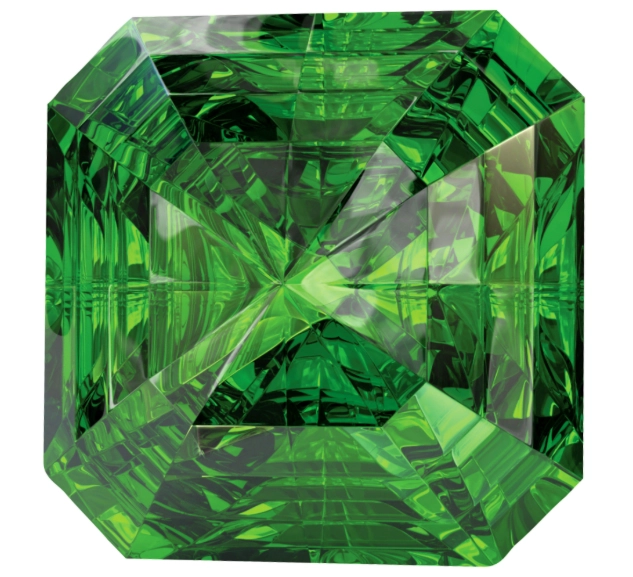
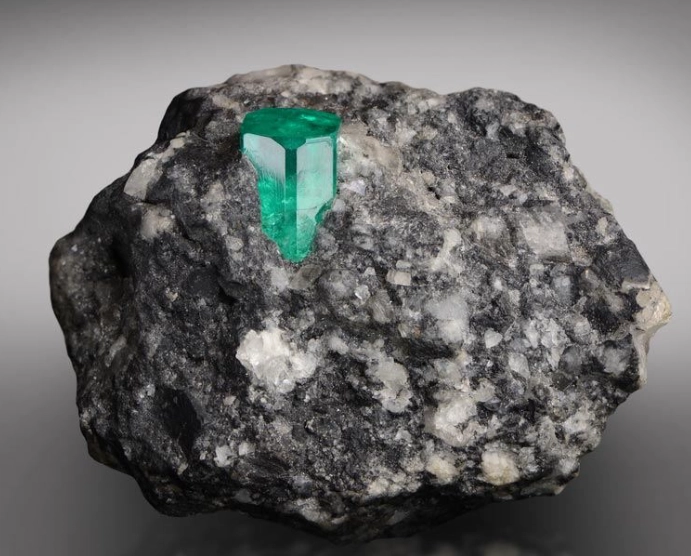
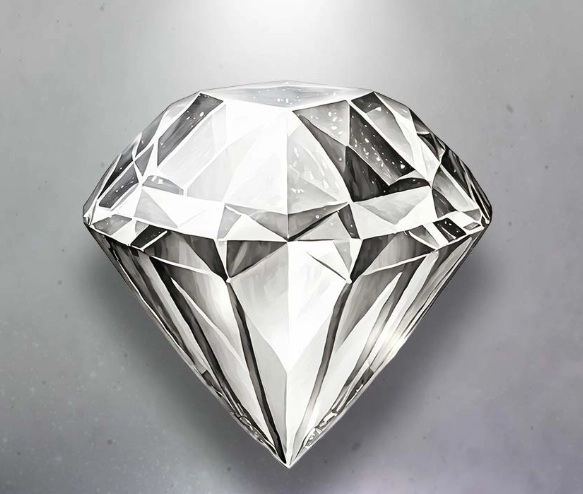
These are the classics—diamond, ruby, sapphire, and emerald. They're prized for hardness, color, and history. Diamond is pure carbon, ruby and sapphire are corundum (with different trace elements), and emerald is a variety of beryl. Don't assume they're always expensive; quality varies wildly. A low-grade diamond can cost less than a high-grade sapphire.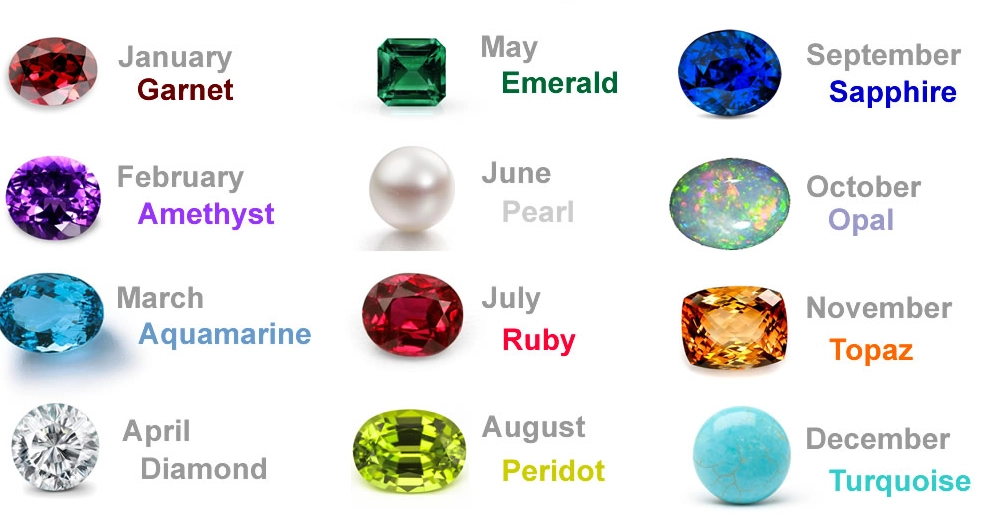
Semi-Precious Gemstones: The Diverse Bunch
This category includes everything else from minerals. It's huge, so here's a table of common ones to start:
| Gemstone Name | Mineral Family | Typical Color | Hardness (Mohs Scale) |
|---|---|---|---|
| Amethyst | Quartz | Purple | 7 |
| Topaz | Topaz | Blue, Yellow | 8 |
| Opal | Hydrated Silica | Multi-color Play | 5.5-6.5 |
| Garnet | Garnet Group | Red, Green | 6.5-7.5 |
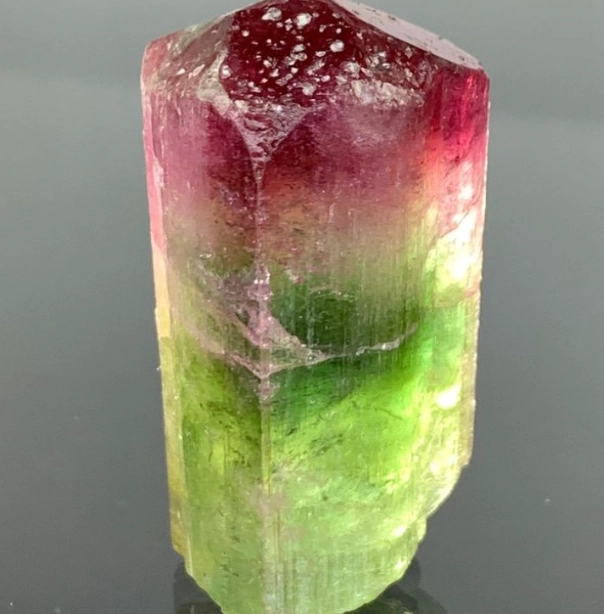
| Tourmaline | Tourmaline | Various | 7-7.5 |
Notice how hardness varies? That's crucial for durability. Opal is beautiful but scratches easily—I learned that the hard way when a ring got damaged after a few months of wear.
Organic Gemstones: From Nature's Living Sources
These aren't minerals. Pearls (from oysters), amber (fossilized resin), coral (marine polyps), and jet (fossilized wood) fall here. They're often softer and need gentle care. Many people forget this and clean them with harsh chemicals, ruining the surface. Keep them away from perfumes and acids.
Beyond the Basics: Rare and Lesser-Known Gems
If you want to impress at a gem club, learn these names. They're not everyday stones, but they're fascinating.
- Alexandrite: Changes color from green in daylight to red under incandescent light. It's a variety of chrysoberyl and incredibly rare.
- Tanzanite: Found only in Tanzania, it's a blue-violet variety of zoisite. Marketed heavily in the 1960s, it's now a collector's favorite.
- Benitoite: California's state gem, it's a blue barium titanium silicate. So rare that most jewelers haven't even seen one.
- Painite: Once called the world's rarest mineral, but new deposits have been found. It's a borate mineral with a reddish-brown hue.
I once handled a small painite specimen—it felt like holding history. But here's a reality check: unless you're a serious collector, you might never own these. Focus on understanding their stories instead of chasing them.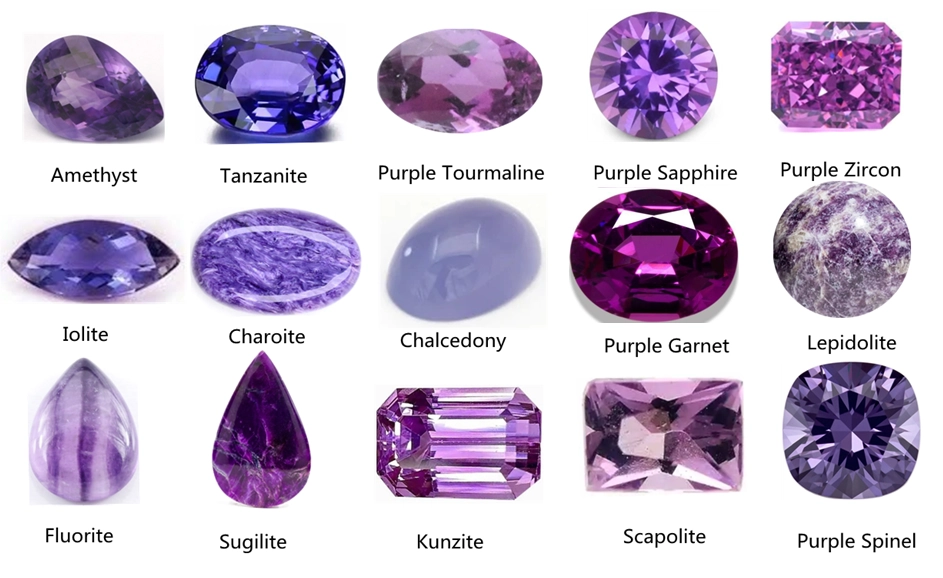
A Common Mistake in Gemstone Identification
Most beginners think color is king. It's not. For example, red spinel looks like ruby, but spinel is singly refractive while ruby is doubly refractive. Under a polariscope, the difference is obvious. I've seen dealers pass off glass as gemstones because buyers only checked the color. Always use multiple tests: hardness, specific gravity, and if possible, refractive index. A $10 loupe can save you hundreds.
How to Use This List in Real Life
Say you're shopping for an engagement ring. Instead of just asking for "a blue gem," you can now specify: "I'm considering sapphire, but what about spinel or tanzanite?" Knowledge gives you power. Or if you're cataloging a collection, group gems by mineral family—it makes identification easier. I helped a friend organize her inherited jewelry, and we found a "ruby" that was actually garnet. She was disappointed, but at least she knew the truth.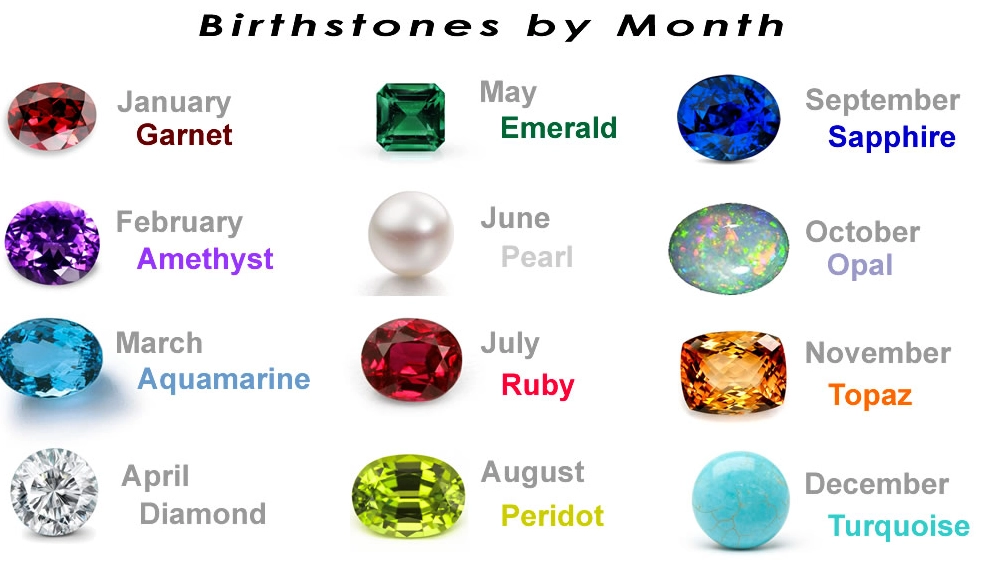
Another scenario: gift-giving. Birthstones are a big deal. Here's a quick reference based on modern lists from the American Gem Trade Association:
- January: Garnet
- February: Amethyst
- March: Aquamarine
- April: Diamond
- May: Emerald
- June: Pearl or Alexandrite
- July: Ruby
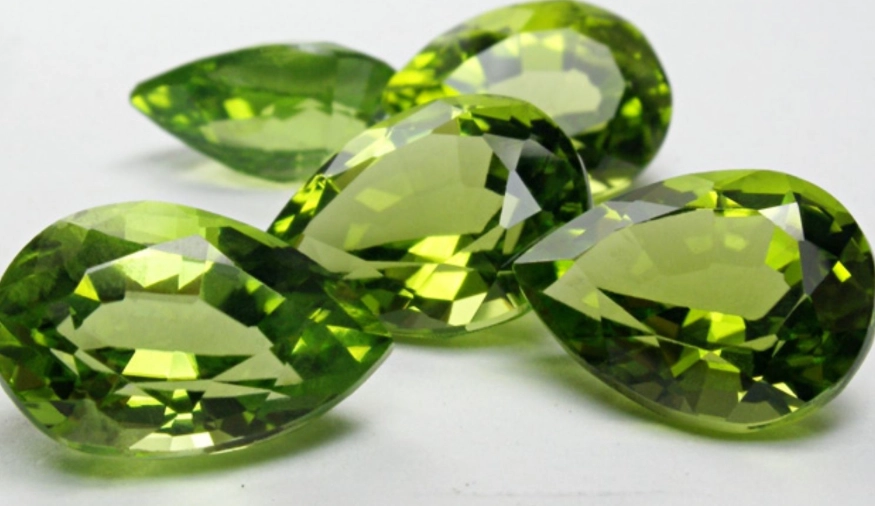
- August: Peridot
- September: Sapphire
- October: Opal or Tourmaline
- November: Topaz or Citrine
- December: Turquoise or Tanzanite
See how some months have alternatives? That's because trends change, and availability matters.
FAQ: Answering Your Top Questions
That wraps it up. Remember, learning gemstone names is a journey, not a destination. Start with the common ones, use reliable sources like GIA, and don't be afraid to ask questions. The world of gems is richer when you know what you're looking at.