Ever wondered why your birthstone is what it is? That little gem assigned to your birth month carries more than just beauty—it's packed with centuries of history, symbolism, and personal meaning. Whether you're buying a gift, treating yourself, or just curious, understanding birthstones by month meaning goes beyond a simple color chart. It's about connecting with a tradition that links us to the stars, the earth, and our own personal story.
What's Inside This Guide?
Where Did Birthstones Come From? A Quick History
The idea isn't a modern marketing gimmick. It stretches back to the Breastplate of Aaron described in the Bible's Book of Exodus, which featured twelve gemstones representing the tribes of Israel. Scholars later linked these stones to the twelve signs of the zodiac and, eventually, to the twelve months of the year. The modern list we recognize was standardized in 1912 by the American National Association of Jewelers to bring consistency (and, let's be honest, sales) to the jewelry trade.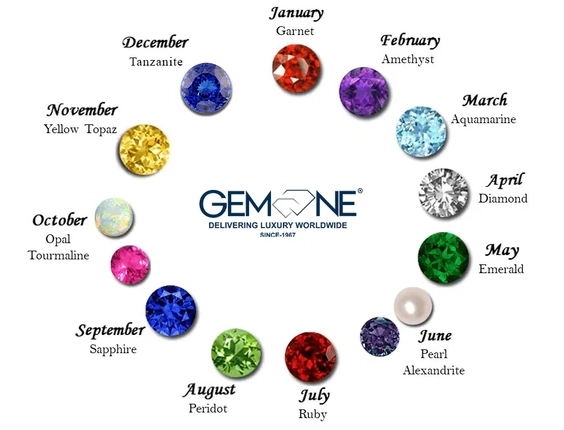
But here's a nuance most articles miss: there are traditional and modern lists. The modern list sometimes swaps stones for reasons like availability or popularity. Tanzanite for December? That's a modern addition (1967), while lapis lazuli is the ancient counterpart. Knowing this helps you understand why you might see different stones for the same month.
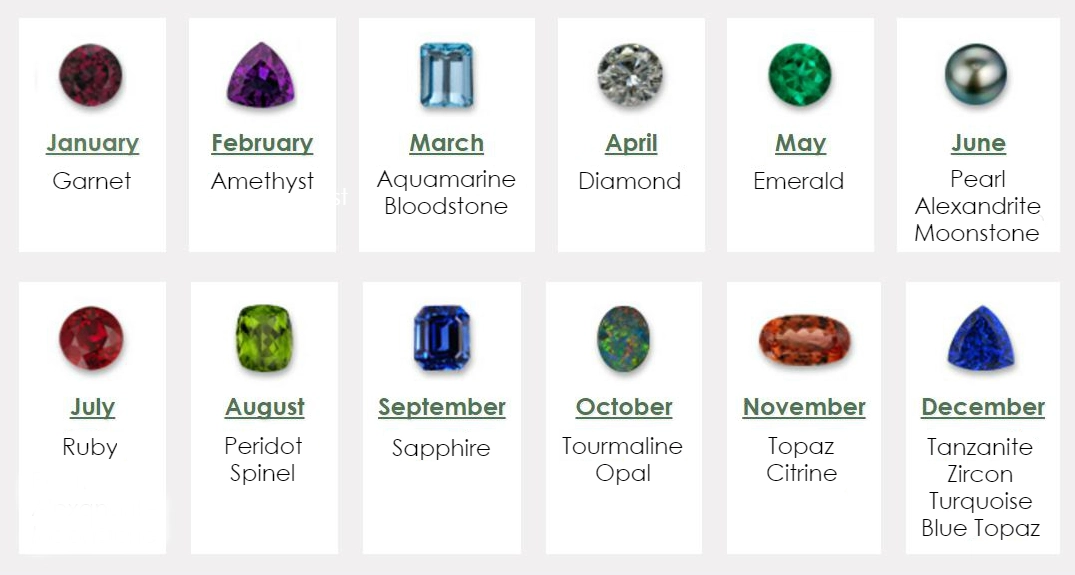
The Complete Month-by-Month Birthstone List
This table breaks down the primary stones, but the real meaning is in the details that follow.
| Month | Primary Birthstone(s) | Color | Core Meaning & Symbolism |
|---|---|---|---|
| January | Garnet | Deep Red (most common) | Protection, friendship, trust, enduring commitment. |
| February | Amethyst | Violet to Purple | Peace, stability, courage, sobriety (historically). |
| March | Aquamarine, Bloodstone | Pale Blue, Dark Green with red spots | Serenity, clarity, courage (aqua). Strength, healing (bloodstone). |
| April | Diamond | Colorless (or various) | Invincibility, eternal love, strength, purity. |
| May | Emerald | Vivid Green | Rebirth, love, wisdom, patience. |
| June | Pearl, Alexandrite, Moonstone | White, Color-change, Sheer | Purity, humility (pearl). Luck, magic (alex). New beginnings (moon). |
| July | Ruby | Vivid Red | Passion, vitality, nobility, wealth. |
| August | Peridot, Spinel | Lime Green, Various (red is prized) | Strength, harmony (peri). Revitalization, hope (spin). |
| September | Sapphire | Blue (most famous) | Wisdom, loyalty, nobility, divine favor. |
| October | Opal, Tourmaline | Play-of-color, All colors | Hope, creativity, innocence (opal). Compassion, healing (tour). |
| November | Topaz, Citrine | Yellow, Orange, Blue (topaz); Yellow (citrine) | Strength, intelligence (topaz). Success, abundance (citrine). |
| December | Turquoise, Tanzanite, Zircon | Blue-Green, Violet-Blue, Various | Good fortune, protection (turq). Spiritual awareness (tan). Honor, wealth (zir). |
Now, let's get into what you won't find on a standard list.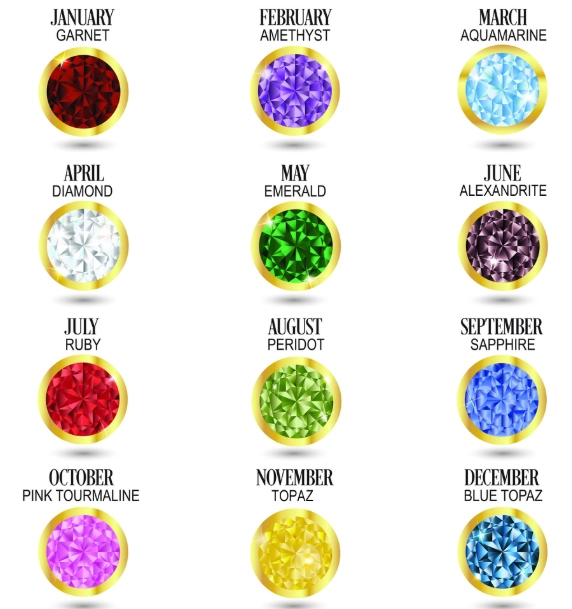
The Details Most People Miss
March's Bloodstone is often overlooked for the prettier aquamarine. But historically, it was prized as a healing talisman. Medieval warriors believed it could stanch bleeding. It’s a dense, grounding stone—perfect for someone who prefers substance over sparkle.
June's Alexandrite is a chameleon. Under daylight, it's a greenish-blue; under incandescent light, it shifts to purplish-red. This rarity makes it incredibly valuable. A common mistake? Confusing synthetic alexandrite (which is often just color-change corundum) with the real thing. If the price seems too good to be true, it probably is.
August's Spinel is the great imposter. For centuries, famous "rubies" like the Black Prince's Ruby in the British Crown Jewels were actually spinels. It’s durable, comes in fantastic colors (hot pinks, vibrant reds), and offers great value since it's less known than ruby or sapphire.
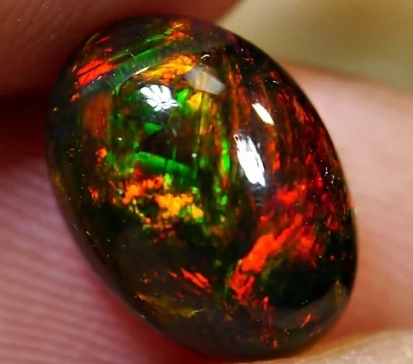
Opal's bad rap for being unlucky is nonsense unless you're not born in October. That superstition was likely spread by 19th-century jewelers because opals are delicate and prone to cracking if not cared for. Which leads us to the next point.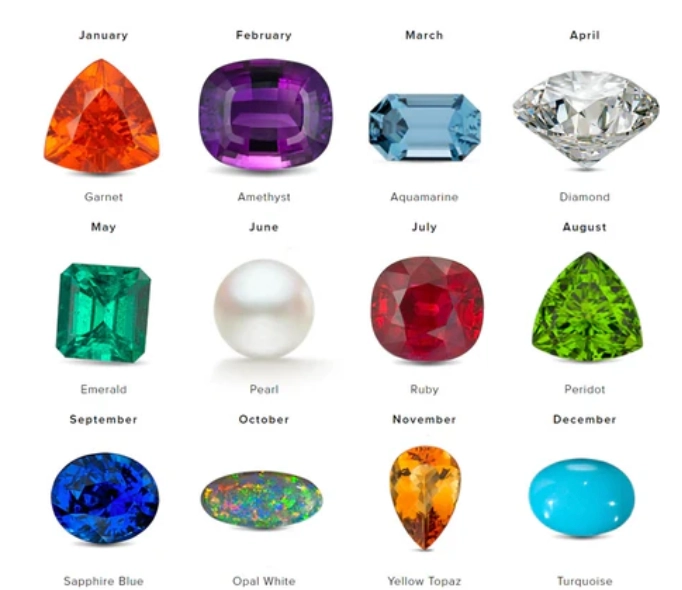
Thinking About Durability? If you want a birthstone ring for daily wear, check its hardness on the Mohs scale. Diamonds (10), sapphires/rubies (9), and topaz (8) are top-tier. Emeralds and opals (7.5-8 but brittle) need protective settings. Pearls and opals are soft and organic—better for earrings or pendants.
How to Choose Your Birthstone: An Expert's Practical Guide
Picking a birthstone isn't just about your month. It's about lifestyle, budget, and personal taste. Let's walk through a real scenario.
Imagine you're buying for a friend born in April (diamond). A decent diamond is a major investment. Here are your alternatives that still honor the birthstone meaning:
Option 1: White Sapphire or Moissanite. Both offer brilliant white sparkle, are very durable (9 and 9.25 on Mohs), and cost a fraction. They symbolize wisdom and resilience—a beautiful alternative meaning.
Option 2: Go for the Color. April's secondary color is white, but diamonds also come in yellows, pinks, and chocolates. A fancy color diamond can be unique, or choose another white stone like a high-quality white zircon.
Option 3: Embrace the Modern/Traditional Swap. Some very old lists used rock crystal (clear quartz) for April. A beautifully carved crystal piece is affordable, meaningful, and on-trend.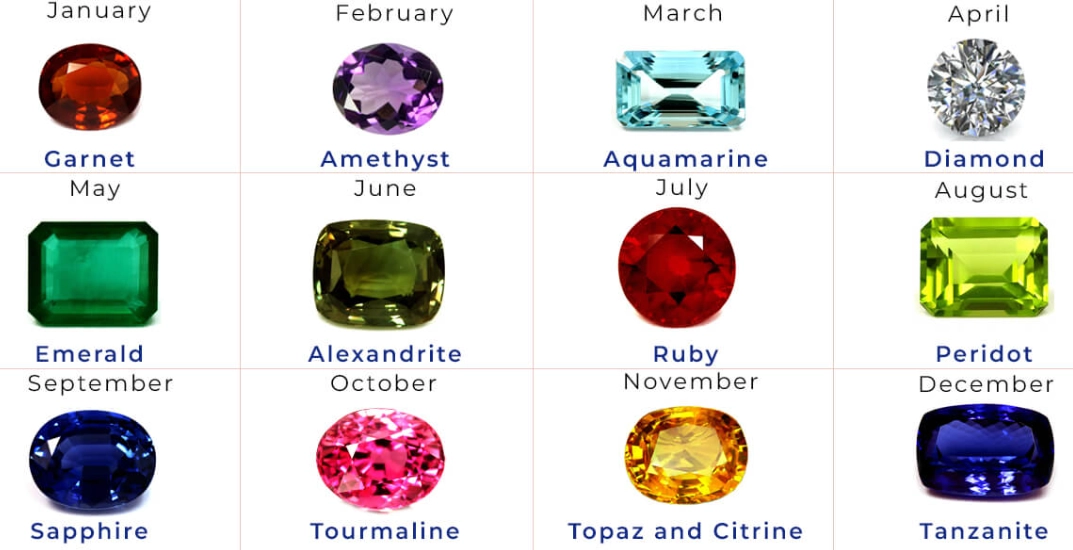
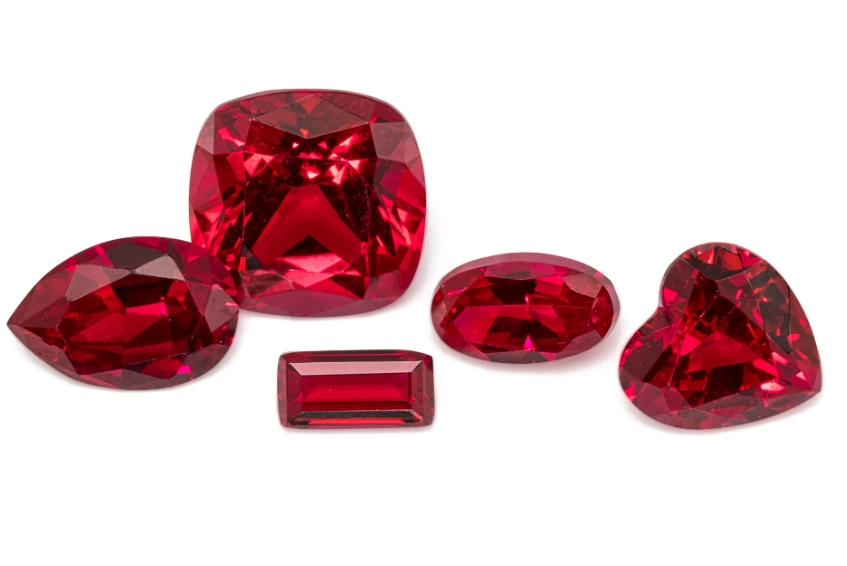
Your budget decides a lot. For expensive months (April, July, May), consider smaller stones, alternative gems with similar color, or lab-created versions. Lab-created emeralds and rubies have the same chemical composition as mined ones, often with fewer flaws, and are more affordable and ethical.
Always ask about treatments. Most tanzanite is heated to achieve its blue-violet color. Most blue topaz is irradiated. These are standard, stable, and accepted, but you should know. A reputable jeweler will disclose this.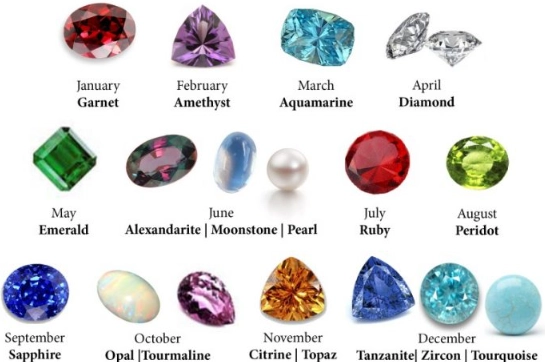
Your Birthstone Questions, Answered
Of course you can. The traditional list is a guide, not a law. The connection is what matters. Maybe you've always loved sapphires, or a pearl necklace was passed down from your grandmother. That personal history gives the stone its power. I know people who wear a "challenge stone"—a gem from the month they overcame a major life hurdle. That's just as valid.
For a ring you'll never take off, look at November's citrine or December's blue topaz. Citrine (a quartz) is a 7 on the Mohs scale, tough as nails, and you can get a great stone for well under $100 per carat. Blue topaz is an 8, even tougher, and its lovely sky-blue color is consistently achieved through treatment, keeping prices low. Garnet (January) is another workhorse. Avoid opals, pearls, and emeralds for heavy daily wear unless they're in very protective settings.
Start with the seller. Buy from jewelers with gemological credentials (look for GIA Graduate titles). Ask for a lab report for any significant stone. Do a visual check: natural gems usually have tiny imperfections. If it's flawless and cheap, it's likely synthetic or glass. For example, real citrine is all yellow-to-orange; if you see a white base fading to yellow at the tip, it's heat-treated amethyst. With pearls, rub two gently together; real pearls will feel slightly gritty, fakes will be smooth. When in doubt, a $50 appraisal from an independent gemologist is worth every penny.
At the end of the day, the true birthstones by month meaning is the one you create. It’s a blend of ancient tradition, the stone’s inherent beauty, and your own personal story. Use the history and lists as a starting point, then choose what resonates with you. Whether it’s a bold ruby ring, a subtle pearl pendant, or an unconventional spinel, the right stone is the one that feels like yours.