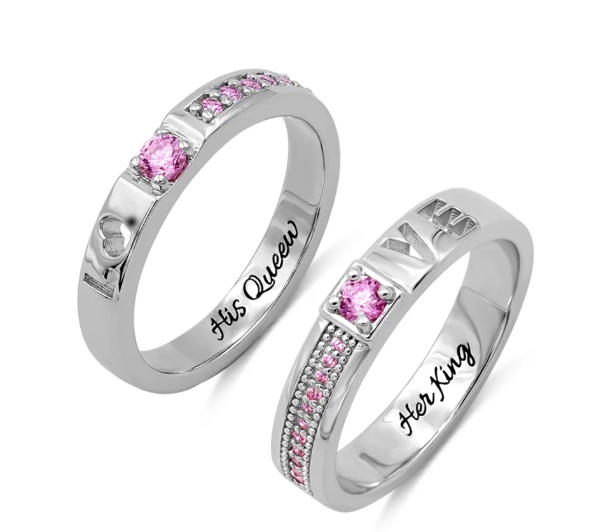
You've probably heard of birthstones. Maybe you own a ring with your month's gem, or you're shopping for a gift and want it to be personal. But the list of 12 birthstones isn't just a random calendar. It's a mix of ancient tradition, modern marketing, geology, and pure beauty that's evolved over centuries.
I've been working with gems for over a decade, and the most common mistake I see is people getting stuck on the "official" list. They miss out on stunning alternatives or choose a stone that doesn't suit their lifestyle because they think they have to. Let's fix that.
Your Quick Guide to Birthstones
What Are Birthstones, Really?
The idea of linking specific gems to months goes way back. Some trace it to the Breastplate of Aaron described in the Bible's Book of Exodus, which had twelve stones representing the tribes of Israel. Later, scholars in the 1st and 5th centuries began associating these stones with the zodiac.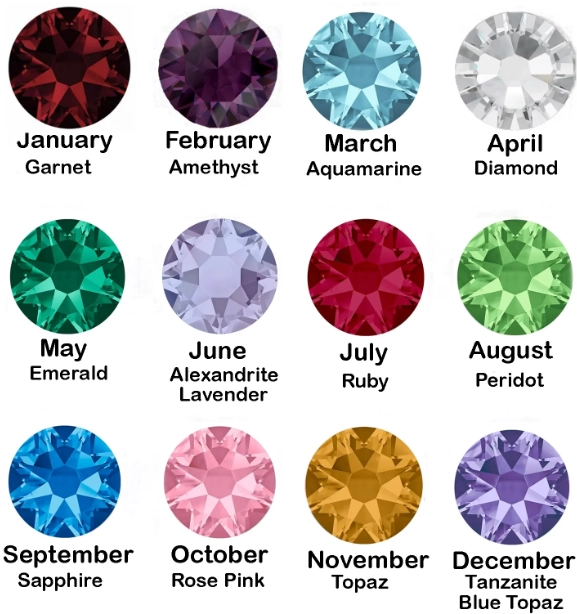
The modern list we generally use today was standardized in 1912 by the Jewelers of America. They wanted a consistent list for the trade. That's why you'll sometimes see "traditional" and "modern" birthstones. For example, the traditional stone for June is pearl, but the modern ones added are alexandrite and moonstone.
Key Point: There is no single, universal, government-approved list. The Jewelers of America list is the most widely accepted in the US, but other cultures and traditions have their own variations. This gives you flexibility.
Why do people love them? It's more than just a birthday gimmick. A birthstone is a piece of the earth connected to your arrival in the world. It's a conversation starter. It's a way to carry a sense of identity or connection to a loved one. And let's be honest, it's a fantastic excuse to buy or receive beautiful jewelry.
The Complete 12-Month Birthstone List
Here's the detailed breakdown, month by month. I'm including the modern primary stones, their key characteristics, and what most people get wrong about them.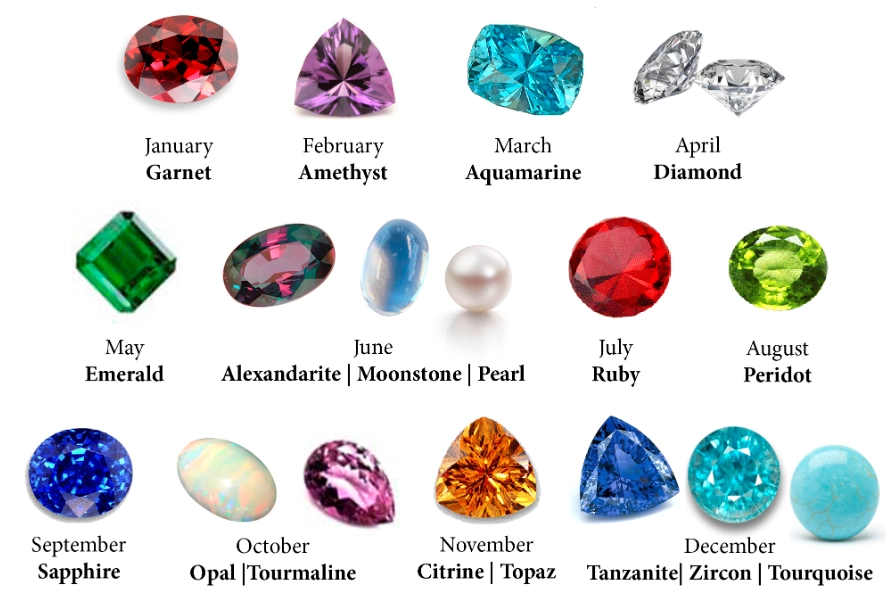
| Month | Primary Birthstone(s) | Color | Key Meaning & Note |
|---|---|---|---|
| January | Garnet | Deep Red (most common) | Symbolizes trust and friendship. The big misconception? Garnets only come in red. Not true. You can find stunning green tsavorite, vibrant orange spessartine, and even rare blue varieties. If you don't love red, explore other garnet types. |
| February | Amethyst | Purple, from light lilac to deep violet | Known for calmness and clarity. It's a variety of quartz, which makes it relatively affordable and durable (7 on the Mohs scale). A high-quality deep purple amethyst can look incredibly regal. |
| March | Aquamarine | Pale blue to blue-green | The "water of the sea" stone, tied to courage and serenity. Lighter stones are more common; a deep, saturated blue is rare and valuable. Often heat-treated to reduce greenish tones. |
| April | Diamond | Colorless, but also fancy colors (yellow, blue, etc.) | The ultimate symbol of strength and eternal love. Hardness (10) makes it ideal for daily-wear rings. Lab-grown diamonds are now a massive part of the market, offering identical physical properties at a lower cost. |
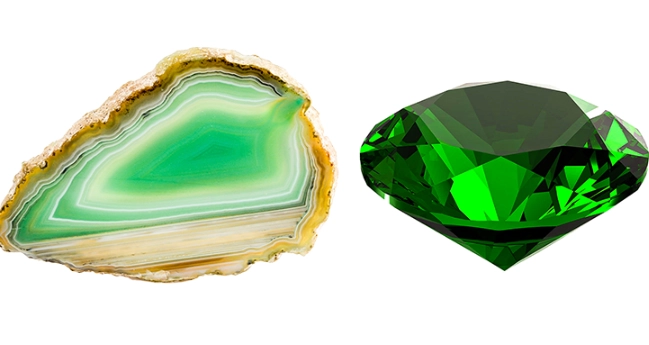
| May | Emerald | Rich green | Represents rebirth and love. Almost all emeralds have inclusions (jardins), which are accepted as part of their character. They are softer (7.5-8) and brittle, so protective settings are crucial. |
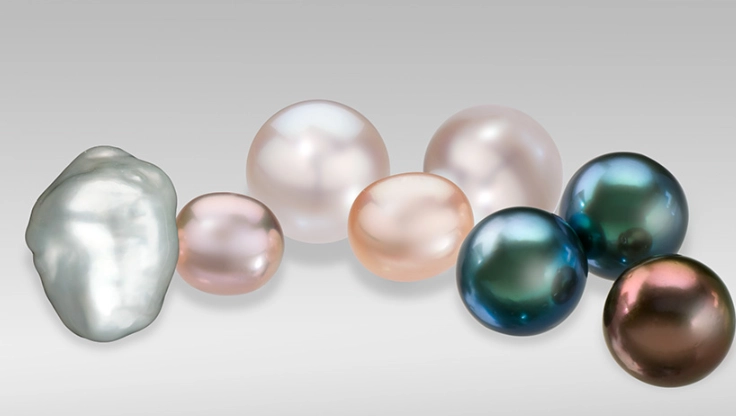
| June | Pearl, Alexandrite, Moonstone | Pearl (white/cream), Alexandrite (color-change), Moonstone (pearly sheen) | June has three! Pearls are organic. Alexandrite is famously rare and changes color (green in daylight, red under incandescent light). Moonstone shows a floating light effect called adularescence. A great month for variety. |
| July | Ruby | Vivid red (pigeon's blood red is top tier) | The king of colored stones, symbolizing passion and protection. A top-quality ruby can be more valuable per carat than a diamond. Watch for treatments like heat and fracture filling. |
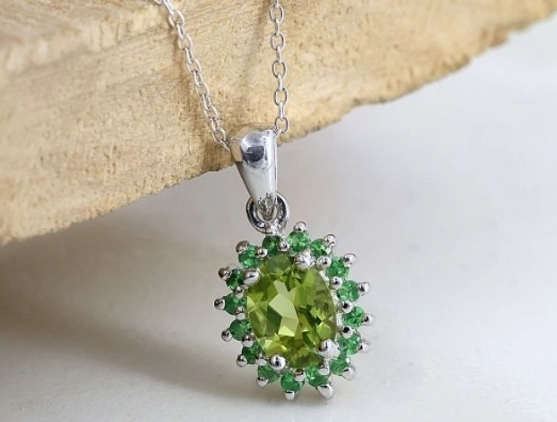
| August | Peridot, Sardonyx, Spinel | Peridot (lime green), Sardonyx (banded), Spinel (various) | Peridot is the primary modern stone—a volcanic gem with a unique olive green. Spinel, often mistaken for ruby, is a fantastic durable alternative in pinks and reds. Sardonyx is an ancient, layered chalcedony. |
| September | Sapphire | Blue (classic), but also pink, yellow, white (padparadscha is a prized orange-pink) | Wisdom and loyalty. Like rubies, they are corundum (9 on Mohs scale) and extremely durable. The "fancy" colored sapphires are a brilliant way to have a unique birthstone. |
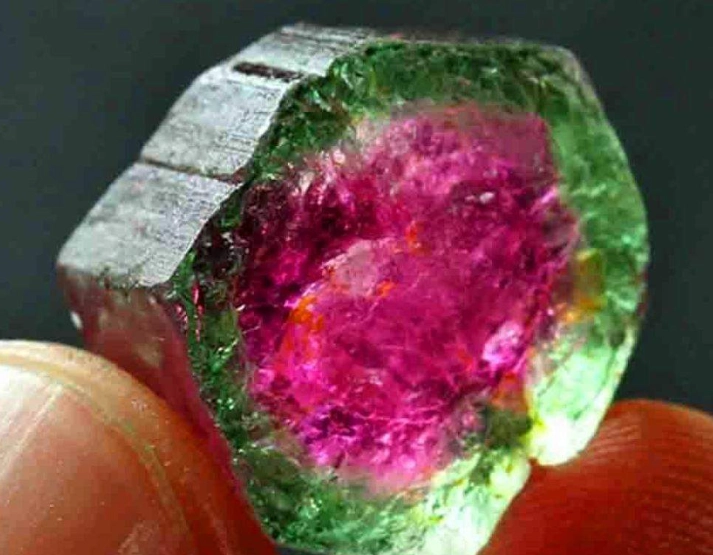
| October | Opal, Tourmaline | Opal (play-of-color), Tourmaline (every color) | Opal's shifting colors are magical but it's a softer, more delicate stone (5.5-6.5). Avoid harsh chemicals. Tourmaline offers incredible color range—watermelon (pink center, green rim) is a favorite. |
| November | Topaz (Blue), Citrine | Topaz (sky blue, Swiss blue, London blue), Citrine (sunny yellow to amber) | Most blue topaz on the market is colorless topaz irradiated to achieve that blue—it's stable and accepted. Natural blue topaz is very pale. Citrine is affordable, durable quartz, often heat-treated amethyst. |
| December | Turquoise, Tanzanite, Zircon, Blue Topaz | Turquoise (blue-green), Tanzanite (violet-blue), Zircon (blue, white), Blue Topaz (blue) | The most options! Turquoise is opaque and often stabilized. Tanzanite is found only in Tanzania, pleochroic (shows different colors from different angles), and is softer. Zircon is a brilliant, high-dispersion gem, not to be confused with cheap cubic zirconia. |
See what I mean? It's not just a name and a color. Each stone has a personality, a set of care instructions, and a market reality. Knowing that an opal needs babying or that a sapphire can be pink completely changes how you shop.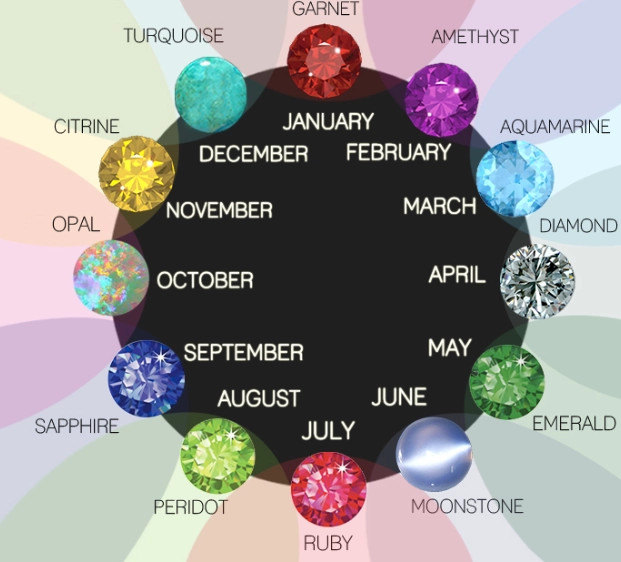
How to Choose Your Birthstone Jewelry (Beyond Just Your Month)
Here's where my decade of experience really comes in. Don't just walk into a store and ask for "the August stone." Think about these factors.
Consider Durability for the Type of Jewelry
This is the most overlooked factor. The Mohs hardness scale matters.
For rings and bracelets (high impact): Aim for stones with a hardness of 7 or higher. Diamond (10), sapphire/ruby (9), topaz (8), spinel (8), and garnet (6.5-7.5) are great choices. Bezel or halo settings offer extra protection.
For earrings and pendants (lower impact): You can be more flexible. Opal, pearl, emerald, and tanzanite are safer here where they're less likely to be knocked.
I had a client insist on an opal ring for daily wear. Within a year, it was chipped and scratched. We reset the same opal into a pendant, and she's been happy for years since.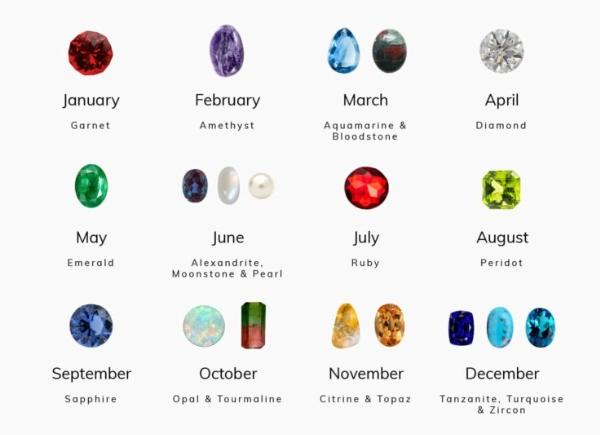
Color is Personal
Do you love your birthstone's color? If not, explore alternatives.
- Many months have secondary stones (check the table).
- Some stones, like sapphire and garnet, come in a rainbow of colors. A pink sapphire is still a September birthstone.
- You can choose a stone based on its meaning rather than your birth month. Maybe you're drawn to the courage of aquamarine or the calming nature of amethyst.
Budget and Treatments
Be upfront about your budget. A small, high-quality ruby will cost more than a large, included one. Ask about treatments. Heat treatment is common and stable for stones like sapphire and aquamarine. Fracture filling (in some rubies and emeralds) can be less stable. A reputable jeweler will disclose this.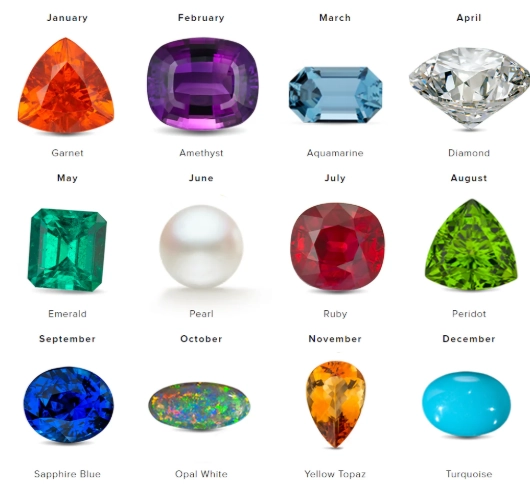
Pro Tip: For a truly personal touch, consider a "family stone" piece combining the birthstones of your children or partner in one item, like a necklace or a ring's halo. It tells your unique story.
Your Birthstone Questions Answered
Can I wear a birthstone from a different month?
Of course you can. The rules aren't enforced by any gemstone police. Many people choose stones based on personal preference, the stone's meaning, or simply because they love the color. Wearing a non-traditional birthstone is a great way to personalize your jewelry. I've seen people choose their children's birthstones, their partner's, or even a stone that represents a personal achievement.
How do I know if my birthstone is the traditional or modern one?
The list published by the Jewelers of America in 1912 is considered the "modern" standard. If you were born in June, for example, your traditional stone is pearl, while the modern alternatives are alexandrite or moonstone. Most contemporary jewelers default to the modern list, but it's always worth asking. The choice is ultimately yours based on which gem resonates more with you aesthetically or symbolically.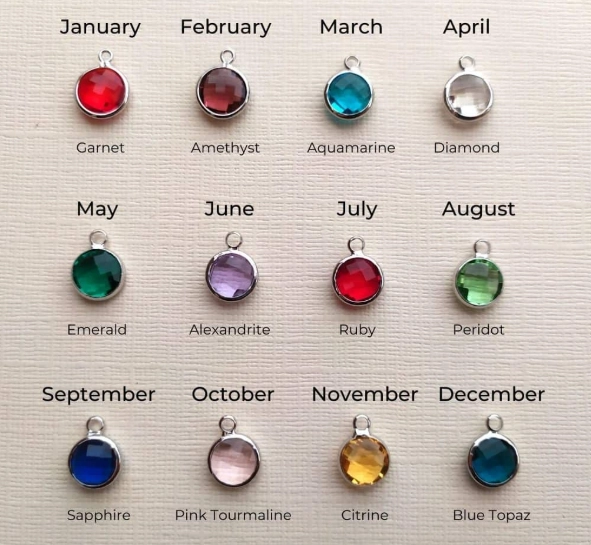
What is the hardest birthstone and why does it matter?
Diamond (April) is the hardest at a perfect 10 on the Mohs scale. Hardness matters immensely for durability, especially for rings and bracelets that face daily wear and tear. Softer stones like opal (October, 5.5-6.5) or pearl (June, 2.5) require much more careful handling and are often better suited for earrings or pendants. Knowing a stone's hardness helps you choose jewelry that will last for your specific lifestyle.
Are there alternative or secondary birthstones?
Absolutely, and this is where it gets fun. Many months have secondary or historical stones that have fallen out of the mainstream modern list. For instance, March also has bloodstone as an ancient alternative to aquamarine. December has lapis lazuli and turquoise alongside the modern zircon, tanzanite, and turquoise. These alternatives often offer more color options and can be more budget-friendly. Exploring these can lead you to a more unique piece that still holds traditional significance.
The world of birthstones is rich and full of choice. It's a tradition that connects us to history and to each other, but it shouldn't feel limiting. Use the official list as a starting point, not a final destination. Whether you're drawn to the classic deep red of a garnet or the mysterious color-change of an alexandrite, the best birthstone is the one that speaks to you and fits the life you lead.
Now you have the knowledge to choose with confidence.