You're shopping for a birthday gift, or maybe your own special piece, and you look up the birthstone. Suddenly you see two different gems listed for the same month. Pearl and alexandrite for June? Topaz and citrine for November? It's confusing. So, do all months have two birthstones? The short, direct answer is no, they don't.
Only some months have multiple official options. The confusion stems from two main lists: a "traditional" one and a "modern" one, plus some months that have gained extra stones over time. I've been working with gems for over a decade, and this is one of the most common mix-ups I see. People often think it's a strict rule, when it's more of a flexible, evolving tradition shaped by history, marketing, and gemology.
What You'll Find in This Guide
The Two Lists: Where the "Two Stones" Idea Started
Let's clear the air. There isn't one ancient, unchanging tablet dictating birthstones. The system we use is surprisingly modern.
The big moment came in 1912. The National Association of Jewelers (now Jewelers of America) met in Kansas City. Their goal? Standardize the birthstone list to reduce confusion and, frankly, to sell more jewelry. They published an official list. That's the list many call "traditional," but remember, it's only traditional relative to later changes.
Then, in 1952, the Jewelry Industry Council of America updated it. They added, changed, and provided alternatives for some months. This created the "modern" list. This is the core reason you see doubles. For example, the 1912 list said December's stone was lapis lazuli. The 1952 update replaced it with zircon and blue topaz. Tanzanite was added as a December option much later, in 2002.
A Month-by-Month Breakdown: Who Has One, Two, or Three
This is where a table helps cut through the noise. Here’s a clear look at the primary modern birthstones, their traditional counterparts, and which months truly have multiple official options.
| Month | Modern Birthstone(s) | Traditional / Alternative Stone(s) | Number of Common Options |
|---|---|---|---|
| January | Garnet | Garnet | One |
| February | Amethyst | Amethyst | One |
| March | Aquamarine | Bloodstone | Two |
| April | Diamond | Diamond | One |
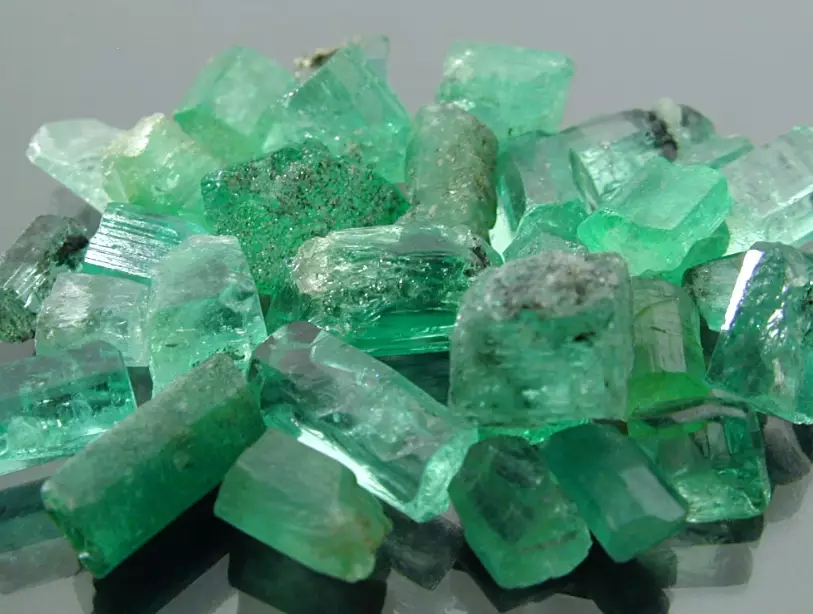
| May | Emerald | Emerald | One |
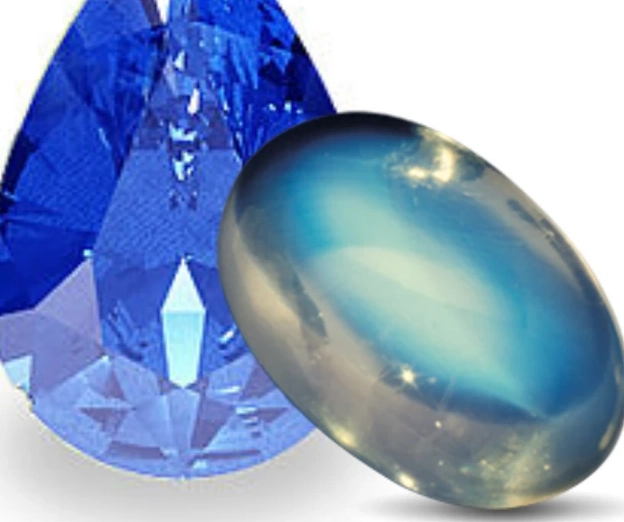
| June | Pearl, Alexandrite | Moonstone | Three |
| July | Ruby | Ruby | One |
| August | Peridot, Spinel | Sardonyx | Three |
| September | Sapphire | Sapphire | One |
| October | Opal, Tourmaline | Opal | Two |
| November | Topaz, Citrine | Topaz (Golden) | Two |
| December | Tanzanite, Zircon, Turquoise | Lapis Lazuli | Three (or Four) |
Look at that. Months like January, February, April, May, July, and September essentially have one dominant stone. The idea of universal doubles is a myth.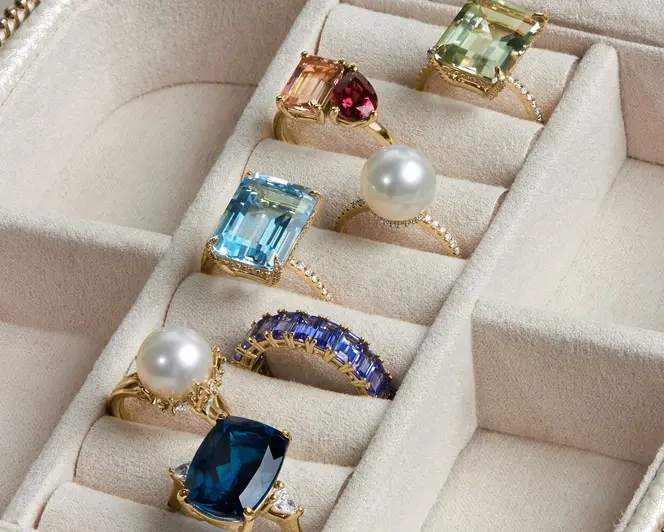
June and December are the outliers, each boasting three widely accepted options. August has peridot, spinel, and the older sardonyx. October and November have clear pairs. March is a quieter duo—aquamarine is the star, but bloodstone has its deep historical fans.
Why Some Months Ended Up With Multiple Birthstones
It wasn't random. There were specific, often practical, reasons.
1. Availability and Cost
The original 1912 list had some stones that were rare or expensive. Adding alternatives made birthstones accessible. Citrine (November) looks similar to some topaz but is far more affordable and abundant. Same idea with spinel (August)—it offers a brilliant red alternative to other pricier red gems.
2. Gemology Advances
We understand gems better now. For centuries, many red spinels were mistaken for rubies. Giving spinel its own spot in August corrects a historical wrong and celebrates a stunning gem in its own right. Tanzanite's discovery in 1967 was a huge deal—a uniquely vibrant blue stone found only in one place. Adding it to December in 2002 made sense.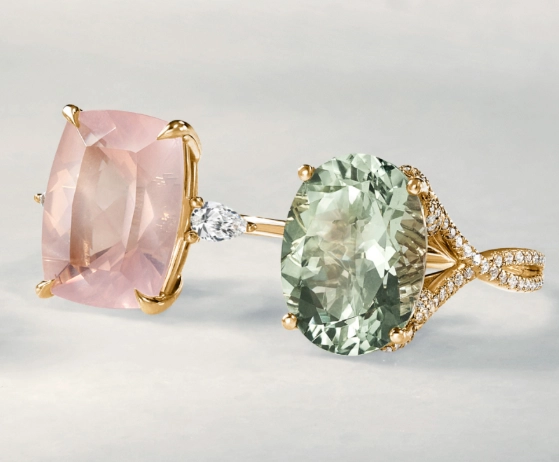
3. Marketing and Desire for Choice
Let's be real. More options mean more sales opportunities. But it also reflects what people want. Not everyone loves the organic look of a pearl. Giving June babies the dramatic color-change of alexandrite or the mystical glow of moonstone offers personalization. It's a good thing.
A subtle mistake I often see: People think the "modern" stone is the "lesser" or "cheap" substitute. That's not always true. Alexandrite (June) is one of the rarest and most expensive gems on Earth. Choosing a modern stone isn't settling; sometimes you're upgrading to a more exclusive option.
How to Choose the "Right" Birthstone for You
So your month has options. How do you pick? Forget the idea of a "correct" one. Think like a gemologist or a seasoned jewelry lover.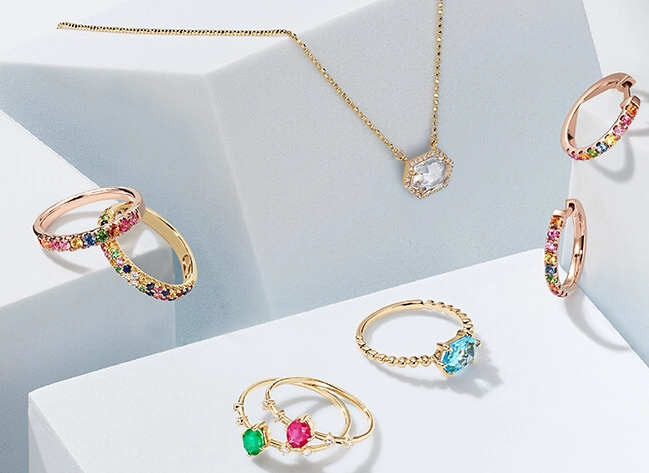
Consider your lifestyle first. Are you tough on jewelry? Opal (October) is soft and can crack; tourmaline is tougher. A turquoise (December) ring is more day-to-day durable than a tanzanite ring, which is better suited for pendants or earrings.
Budget is a real factor. A fine aquamarine (March) can be costly, but a nice piece of bloodstone is very accessible. Want a December blue? Zircon gives incredible sparkle for a fraction of tanzanite's price.
Color preference is king. Do you love the fiery orange of a November citrine, or do you prefer the icy blues and pinks of a topaz? For August, do you want the sharp lime green of peridot or the vibrant hot pink of a spinel? Your favorite color should guide you more than any list.
I had a client once, a December baby, who felt no connection to blue stones. She loved green. Instead of forcing tanzanite, we found a stunning green tourmaline (an October stone) and set it in a design with December's symbolic snowflake motifs. She wears it every day. That's the goal—a piece that means something to you.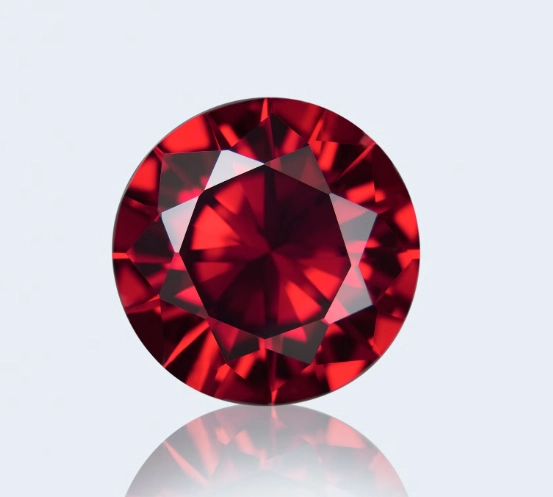
Your Birthstone Questions, Answered
The bottom line? No, not all months have two birthstones. The system is a living, practical guide, not a rigid rulebook. Some months have one iconic gem. Others have a beautiful menu of choices. Your birthstone is a starting point for a story about you—your taste, your style, your story. Don't get bogged down by what's "official." The best birthstone is the one you'll love wearing, whether it's the only one for your month or one of three.