Ask a dozen gem dealers which birthstone is the rarest, and you might get a dozen different answers. That's because "rare" isn't a single checkbox. It's a messy, fascinating mix of geology, economics, and history. The stone that wins the rarity crown depends entirely on what rules you're playing by.
Is it the one with the fewest mines on the planet? The one where only a fraction of the crystals are gem-quality? The one with a specific color that vanished from the market decades ago? We're going to dig into all of that.
If you're just here for the headline answer, most experts in the field point to alexandrite, the June birthstone, as the undisputed champion of natural rarity. But calling it the rarest and walking away does a disservice to the whole story. It's like calling a Ferrari the "fastest car" without mentioning the Formula 1 racer in the garage. Context is everything.
What You'll Find in This Guide
What Makes a Birthstone "Rare" Anyway?
Let's clear something up first. When gemologists talk rarity, they're not just talking about price. A stone can be expensive because it's popular (looking at you, diamond). True gemstone rarity is built on four main pillars: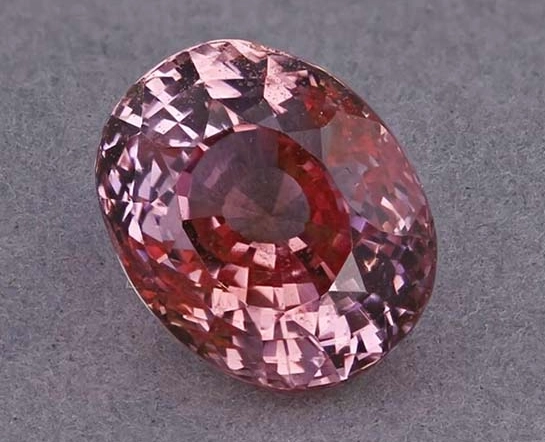
Geological Scarcity: How many places on Earth actually produce this gem? Some stones, like peridot, are found in many locations. Others, like tanzanite, come from literally one small hill in Tanzania.
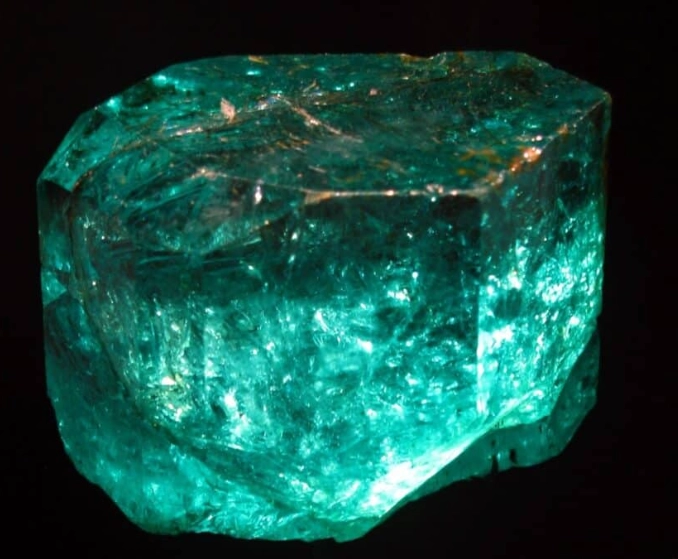
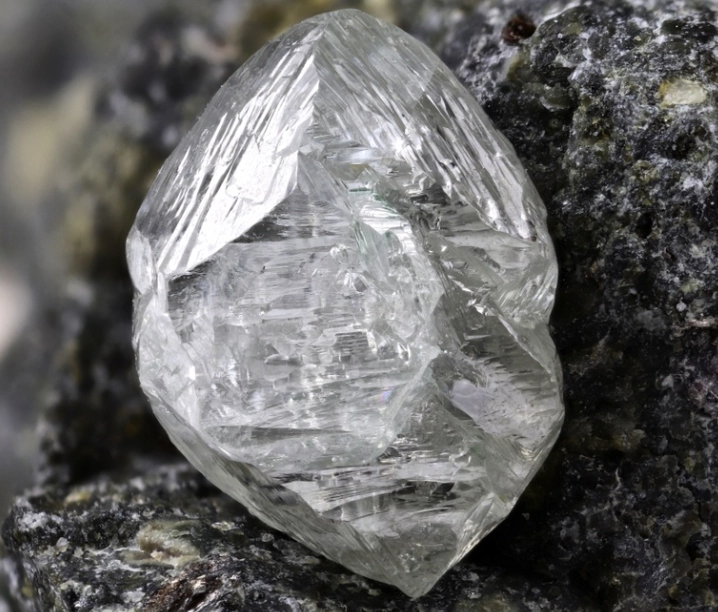
Gem-Quality Yield: This is the big one everyone forgets. A mine might produce tons of a mineral, but only 1% might be clear, colorful, and durable enough to be cut into a gem. Most emerald comes out of the ground looking like green gravel.
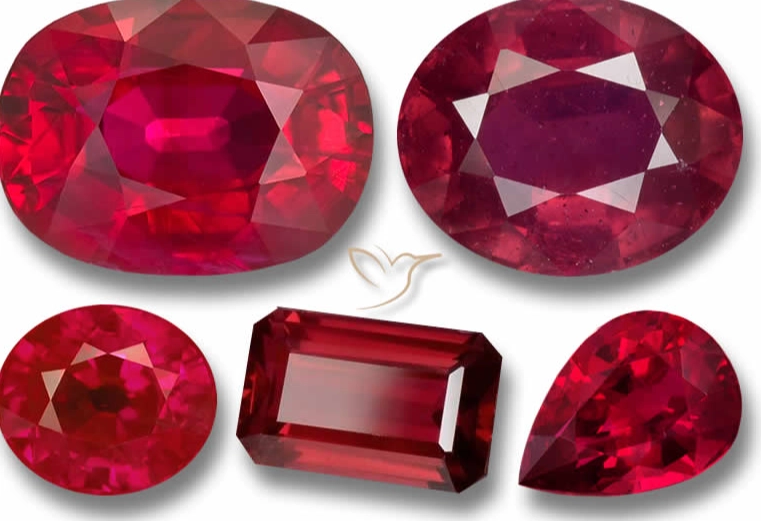
Color & Origin Premium: Within a single gem species, one color can be vastly rarer than another. A Burmese pigeon's blood ruby is in a different universe of rarity than a common pinkish ruby from another region. The origin story is part of the gem's DNA.
Market Availability: This is the intersection of geology and economics. A stone might exist, but if the main mine is depleted, politically unstable, or owned by a single entity that drip-feeds the market, it becomes functionally rare for buyers.
I remember at a gem show in Tucson, a dealer showed me two sapphires. One was a large, clean blue stone. Nice. The other was a smaller, slightly included padparadscha sapphire—that elusive pink-orange sunset color. The padparadscha was priced five times higher. "The blue one," he said, "is a product. This," pointing to the padparadscha, "is an accident of nature. I might not see another one this good for two years." That's rarity in action.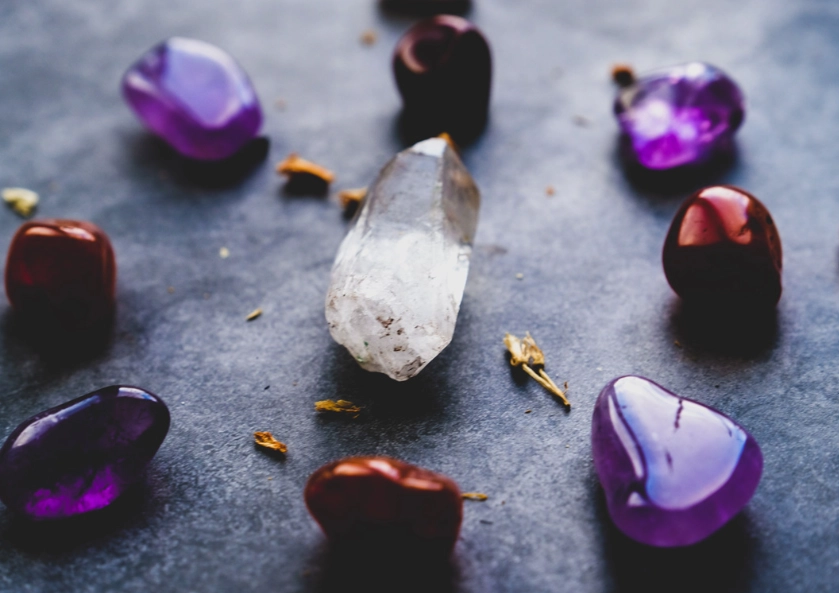
The Undisputed Champion: Alexandrite
So, why does alexandrite consistently top the rarity lists? It's a perfect storm of all four factors we just discussed.
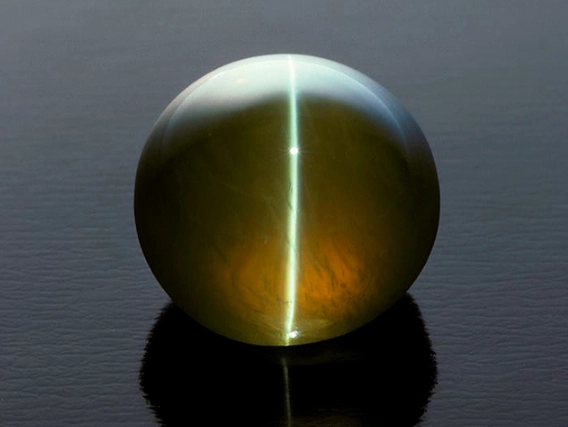
First, its very existence is a geological fluke. Alexandrite is a color-change variety of the mineral chrysoberyl. To get that famous "emerald by day, ruby by night" effect, it needs trace amounts of chromium in a crystal structure that usually rejects it. The conditions have to be just right—specific pressures, temperatures, and chemical soup that rarely occur together.
The original source, the Ural Mountains of Russia discovered in the 1830s, is essentially mined out. If you see a piece of antique jewelry with natural alexandrite, it's almost certainly from there, and it commands a massive premium. Today, the only significant source of fine-quality material is Hematita, Brazil, and even that production is tiny and inconsistent. Other sources in Sri Lanka, India, and Africa produce stones, but the color change is often weak (more brown-green to purplish-red than a sharp green-red).
Here's the kicker that most blogs don't tell you: Over 99% of the "alexandrite" in the commercial jewelry market is synthetic or simulant. Lab-created alexandrite is common and affordable. Even more common are color-change sapphires or spinels dyed to imitate it. So, when you're talking about a natural, gem-quality alexandrite with a strong color change, you are talking about one of the rarest objects you can hold in your hand. A 1-carat top-grade natural alexandrite can easily cost $15,000-$30,000 per carat, if you can even find one for sale.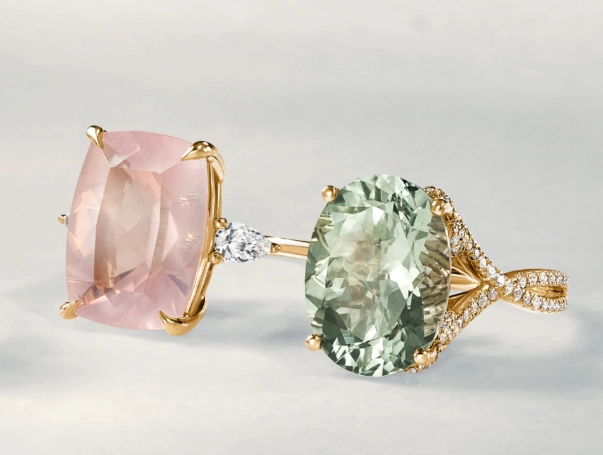
The Rarity Ranking: Other Contenders
Calling alexandrite the rarest feels right, but the race for second and third place is incredibly tight. Rarity shifts with new discoveries and market dynamics. Here’s a more nuanced look, moving beyond the simple monthly list.
| Birthstone | Month(s) | Rarity Tier & Key Reason | Note on Availability |
|---|---|---|---|
| Alexandrite | June | Ultra Rare Perfect geological storm, depleted original source. |
Natural, fine-quality stones are museum pieces. Market flooded with synthetics. |
| Ruby | July | Very High Scarcity of top color (pigeon's blood), high demand. |
Plenty of low-quality ruby exists. Top-tier, untreated Burmese ruby is exceedingly rare. |
| Padparadscha Sapphire | September | Very High A specific, unstable color zone within sapphire. |
Not all September sapphires! This is a specific color variety rarer than blue. |
| Emerald | May | High Extremely low gem-quality yield from mined material. |
Flawless, vivid green emeralds over 2 carats with no treatment are monumental finds. |
| Natural Pearl | June | High Farmed pearls dominate; natural pearls are accidental finds. |
Virtually the entire market is cultured. A natural pearl is a relic of the past. |
| Tanzanite | December | High Single-source origin. Geologists predict mine depletion. |
Currently available, but its rarity is based on future scarcity. A "buy now" stone. |
Ruby & Sapphire: The Color Divide
Grouping all rubies or all sapphires together is a mistake. A commercial-grade, heated ruby from Mozambique is obtainable. An unheated, vivid "pigeon's blood" ruby from Myanmar's legendary Mogok Valley is a different category of object entirely. The same goes for sapphires. A fine blue sapphire from Kashmir (mined over a century ago) or a velvety cornflower blue from Sri Lanka is vastly rarer than a common dark blue stone. The padparadscha sapphire deserves its own mention—its delicate pink-orange hue is so rare and sought-after that it often beats blue sapphires in price per carat.
Emerald: The "Included" Rarity
Emerald's rarity is all about the yield. According to the Gemological Institute of America (GIA), it's estimated that for every 100 grams of emerald-bearing rock mined, only about 0.5 grams might be cuttable gem material. And most of that will be heavily included or fissured. A clean, vibrant emerald over 3 carats is a true collector's item. Almost all emeralds are oil-treated to improve clarity, so an untreated, eye-clean stone is the holy grail.
The Case of Tanzanite
Tanzanite is interesting. It's currently available, but its rarity is fundamentally temporal. It comes from one place—a few square miles in Tanzania—and credible estimates suggest the mines may be economically depleted within a generation. So, while you can buy one today, its long-term rarity is baked in. It's a birthstone whose rarity clock is ticking, which influences its market perception.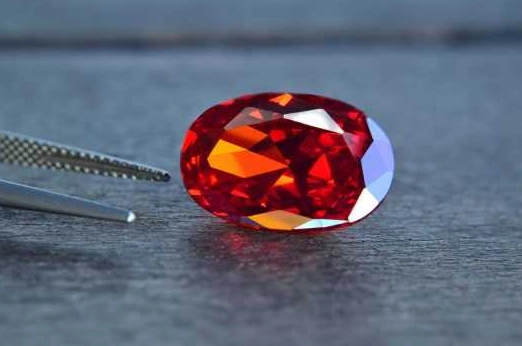
How to Navigate Buying a Rare Birthstone
So you want a piece of this rarity? Maybe for an engagement ring, a special pendant, or a birthstone jewelry upgrade. Here's the practical advice you won't get from a generic jewelry store.
First, redefine your search. Instead of "I want a rare birthstone," ask "What aspect of rarity is important to me?" Is it the story of a single origin (like a Montana sapphire)? The unique color (padparadscha)? Or the sheer geological wonder (alexandrite)? This focus will save you money and heartache.
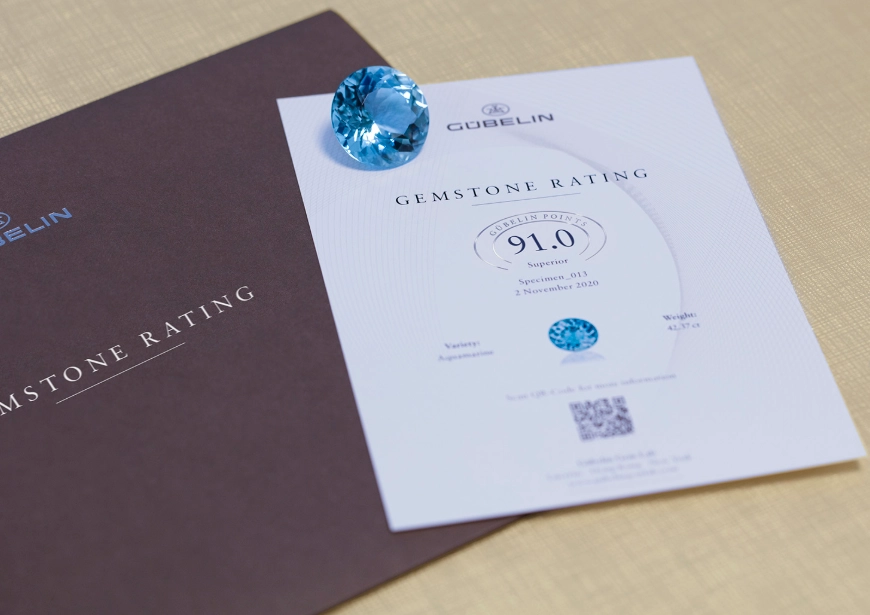
Second, documentation is non-negotiable. For any stone in the high-to-ultra rare categories, insist on a report from a major lab like GIA or AGL. This report is your birth certificate. It will tell you if it's natural, if it's been treated (and how), and often its country of origin. For a "rare" stone without papers, assume it's not what they say it is. I'm serious. Walk away.
Third, consider the lab-grown option for the ultra-rare. This is the non-consensus opinion. For a stone like alexandrite, a lab-created stone has the identical chemical composition and stunning color-change property. It's a fraction of the price, completely ethical, and you get the visual magic. Purists will scoff, but for many people, the allure is the color, not the bragging rights of natural origin. It's a legitimate way to wear the "rarest" look.
Finally, build a relationship with a specialist. Find a jeweler or gem dealer who focuses on colored stones, not just diamonds. They have access to niche cutters and suppliers who handle these rare materials. They can also help you find a beautiful "second-tier" rarity—like a stunning green tourmaline (October) from a rare locale—that offers incredible beauty and uniqueness without the astronomical price tag of the top contenders.
The quest for the rarest birthstone is a journey into the deep end of gemology. It teaches you that value isn't just about carats on a scale, but about stories in the stone, accidents of chemistry, and the fleeting nature of what comes out of the earth. Whether you end up with a legendary alexandrite or a spectacularly unique specimen of a more common stone, understanding rarity makes you a smarter, more appreciative collector.