You walk into a jewelry store or browse online, and you're hit with a dazzling array of names: sapphire, emerald, morganite, tanzanite. It sounds straightforward. But here's the thing most guides won't tell you upfront: the name is often the first place where confusion—and sometimes deception—creeps in. Calling something a "ruby" when it's actually a red spinel, or selling "emerald" that's 90% oil filler, starts with a slippery use of the name. Getting the names right isn't about memorizing a pretty list; it's about protecting your purchase and understanding what you're really buying.
What You'll Discover in This Guide
How Gemstones Get Their Real Names (It's Not Random)
Think of gemstone naming like biological classification. There's a strict system, but marketers love to bend it. The foundational level is the mineral species. This is the scientific, non-negotiable identity based on chemical composition and crystal structure. Corundum. Beryl. Quartz.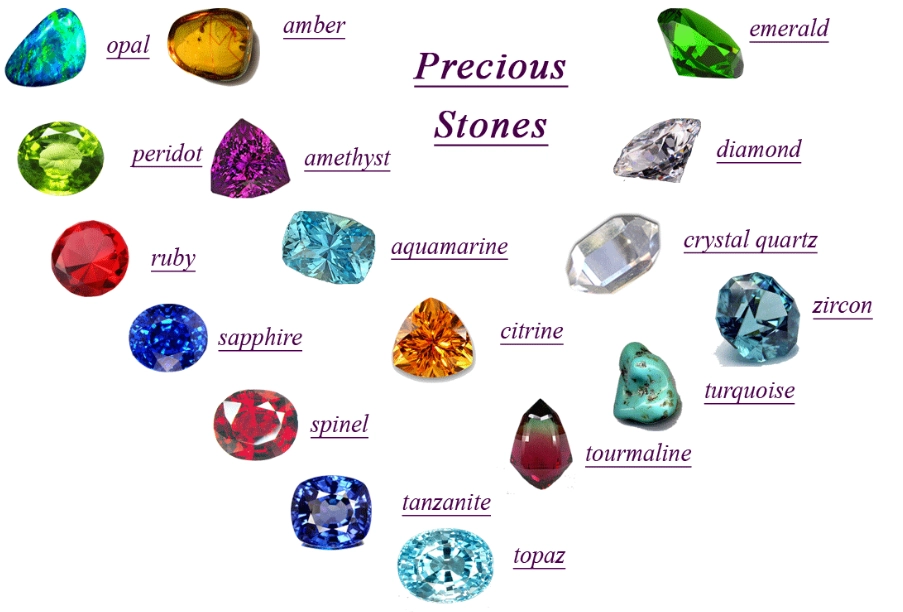
Within a species, you get varieties. This is where the common names we know and love live. Corundum + red color = Ruby. Corundum + any other color = Sapphire (blue sapphire, yellow sapphire, pink sapphire). Beryl + green color = Emerald. Beryl + blue color = Aquamarine. See the pattern? The color (and sometimes trace elements) triggers the variety name.
Then come the trade names. This is the wild west. These are marketing terms meant to evoke something desirable. "Paraíba" tourmaline (for its copper-rich color from Paraíba, Brazil). "Ceylon" sapphire (denoting Sri Lankan origin). "Mandarin" garnet (for its vivid orange). Trade names are useful for describing a specific look, but they have no scientific basis. A newbie's mistake is prioritizing a fancy trade name over confirming the mineral species.
Let me give you a concrete headache from my early days. I once bought a "green amethyst." Sounds exotic, right? It's a total nonsense term. Amethyst is, by definition, purple quartz. What I actually bought was prasiolite, a green variety of quartz, often heat-treated from amethyst. The seller used a confusing name to make it sound rarer. Now I know: if the name seems like a color mashed with a different gem ("yellow emerald," "blue ruby"), it's a red flag. Emerald is only green.
The Essential Natural Gemstones List: Names, Meanings & Key Facts
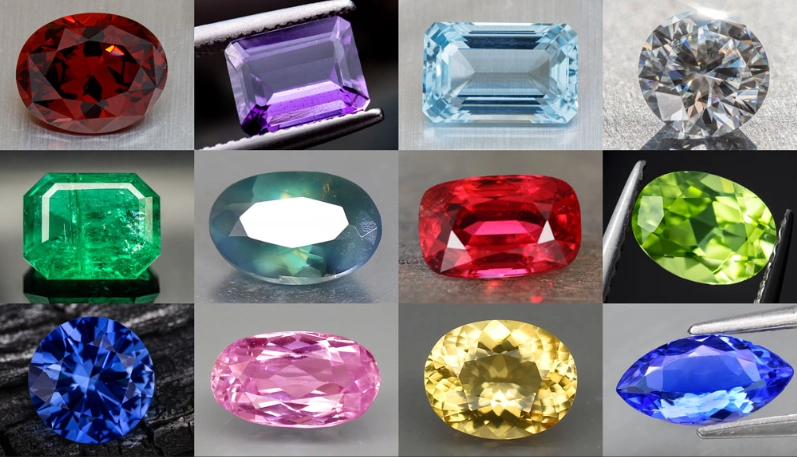
Here’s where we get practical. Below is not just a list, but a cheat sheet. It connects the name you see in the store with the science behind it and what you should immediately think about when you hear it.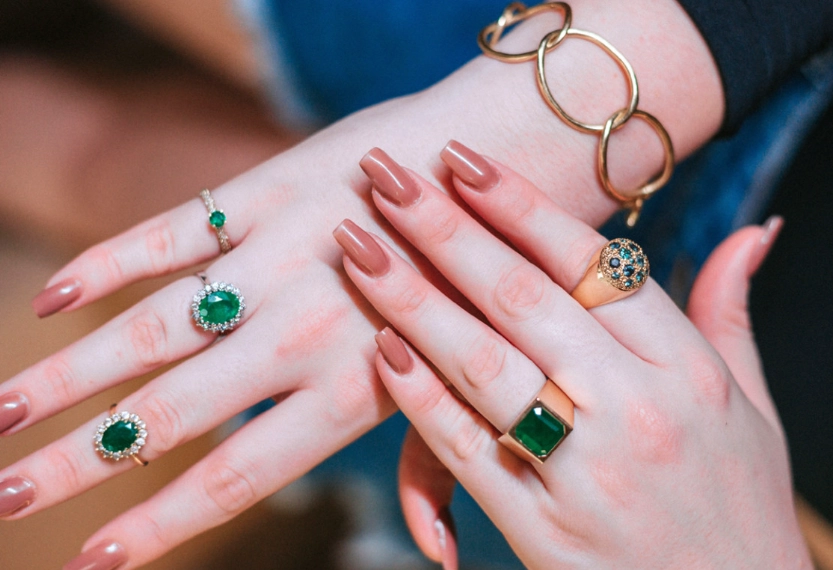
| Common Name (Variety) | Mineral Species | What the Name Often Implies (The Subtext) | Key Trait to Verify |
|---|---|---|---|
| Ruby | Corundum | Pigeon's blood red is the ideal. Often heat-treated to enhance color/clarity. | Origin (Mozambique vs. Burmese) and treatment level. Untreated, vivid red is top-tier. |
| Sapphire | Corundum | Typically blue, but comes in all colors except red. "Kashmir" and "Ceylon" denote premium origins. | Is it natural blue or diffusion-treated? Heat treatment is common and accepted. |
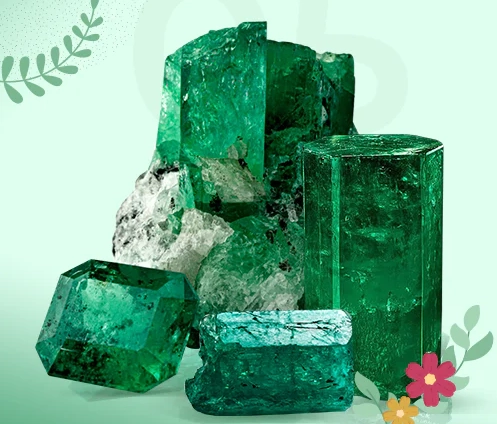
| Emerald | Beryl | Almost always included (have internal fractures). Colombian origin commands a premium. | Clarity enhancement. Is it oil-filled, resin-filled, or untreated? This drastically affects care and value. |
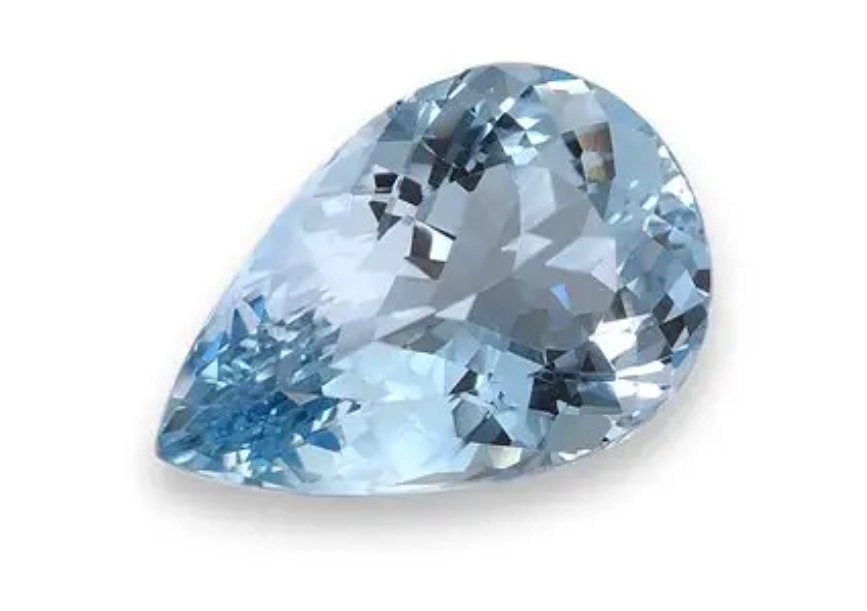
| Aquamarine | Beryl | Light to medium blue, often heat-treated to remove greenish tones. Should be relatively clean. | Color saturation. A deep, intense blue without heat treatment is much rarer. |
| Tanzanite | Zoisite | Found only in Tanzania. Almost always heat-treated to bring out the violet-blue hue. | Pleochroism (looks different from different angles). It's also relatively soft – check for scratches. |
| Topaz | Topaz | Natural color is pale. Most vibrant blues ("London Blue," "Swiss Blue") are irradiated. | Is it actually topaz? Citrine and smoky quartz are often mis-sold as "topaz." |
| Amethyst | Quartz | The purple variety of quartz. Abundant, so large sizes are affordable. Can fade in sunlight. | Color zoning. The best pieces have even, deep purple with no visible lines. |
| Citrine | Quartz | Natural citrine is pale yellow. Most on the market is heat-treated amethyst. | The name. If it's a burnt orange color, it's almost certainly heated amethyst, not natural citrine. |
| Tourmaline | Tourmaline | Comes in every color. "Watermelon" is pink inside, green rind. "Paraíba" is neon blue/green. | Which variety? The price difference between common green tourmaline and copper-bearing Paraíba is massive. |
| Garnet | Garnet Group | Not just red. Almandine (red), Pyrope (blood red), Spessartite (orange), Tsavorite (green). | The specific type. "Tsavorite" (green grossular) is far more valuable than common red almandine. |
Notice something? For almost every name, there's a verification step. The name starts the conversation; your job is to ask the next question. "This is a sapphire? Has it been heat-treated?" "This is an emerald? What kind of clarity enhancement does it have?" The seller's comfort and transparency in answering these questions tell you as much as the answer itself.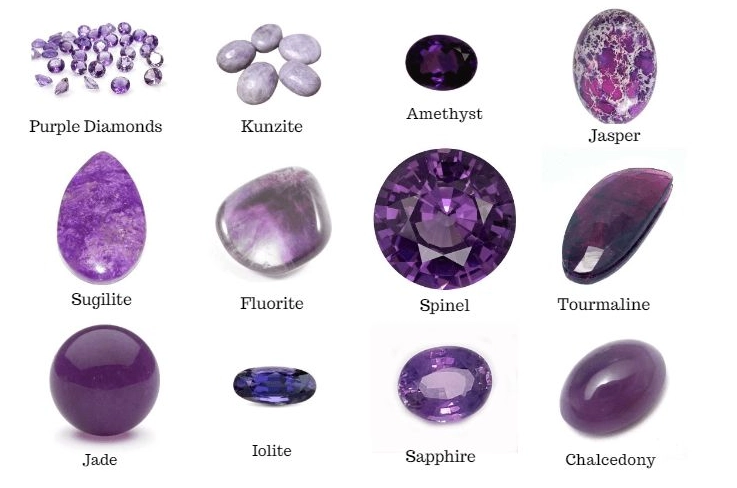
How to Use Names to Spot Fakes & Overpayments
Armed with the list above, you can start decoding the marketplace. Here’s a real scenario. You see a stunning blue ring labeled "Ceylon Sapphire." The price is surprisingly reasonable. Your internal checklist should fire up:
First, the species/variety check: Is it actually corundum, or could it be a lookalike like iolite, blue spinel, or even synthetic blue sapphire? A quick test with a jeweler's loupe might show gas bubbles (synthetic) or different inclusions. The name "sapphire" is only valid for corundum.
Second, the treatment check: "Ceylon" implies a natural, likely untreated stone from Sri Lanka. But many sapphires are heated to improve color. A heated Sri Lankan sapphire is still lovely, but it's not in the same league—or price bracket—as a certified untreated one. The name "Ceylon" shouldn't be used to imply "untreated" if it's not true.
Third, the outright misnomer check: This is the big one. Here are common culprits:
- "Himalayan Quartz" or "Green Amethyst": As mentioned, these are just quartz. The fancy name inflates the perceived value.
- "Bohemian Ruby": Historically, this could mean red garnet, not ruby. A major pitfall for antique buyers.
- "Spanish Topaz": Almost always citrine (heated amethyst quartz). Not topaz at all.
- Names ending in "-ite" to sound scientific: Be wary of made-up names like "Moldavite" (a real tektite, but often faked) or "Auralite-23" (a trade name for a type of amethyst).
The One Document That Cuts Through the Noise
When in doubt, and certainly for any significant purchase, ask for a laboratory report. Institutions like the Gemological Institute of America (GIA) or the American Gemological Laboratories (AGL) are the arbiters. They don't use poetic trade names on the main line. They identify the species and variety scientifically. That report will say "Natural Ruby" or "Natural Sapphire, heat treated." It will note clarity enhancements. It is the ultimate translation of the name into fact. If a seller balks at providing or obtaining one, walk away.
I learned this the hard way after a not-great online purchase. Now, I won't even consider a stone over a certain price without a report from a major lab. It turns the name from a marketing term into a certified identity.
Your Top Gemstone Name Questions, Answered
So, the next time you hear a beautiful gemstone name, don't just hear the poetry. Hear the classification, the potential treatments, and the questions you need to ask. Knowing that "ruby" specifically means red corundum, and not just any red stone, is power. It turns you from a passive admirer into an informed buyer. Start with the name, but never stop there.