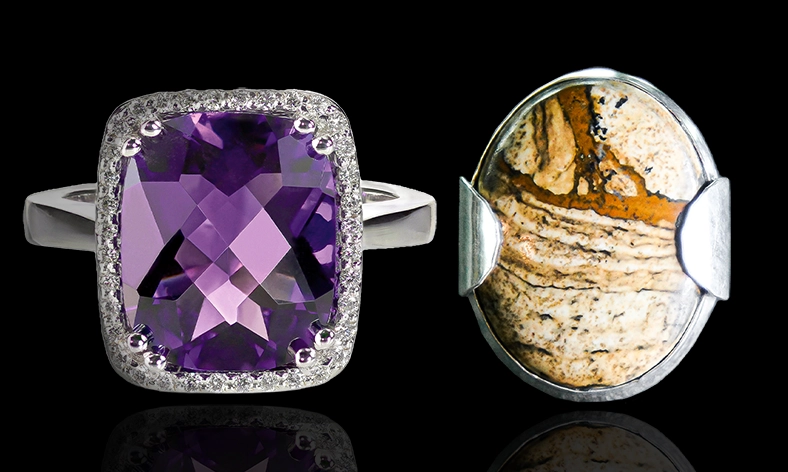
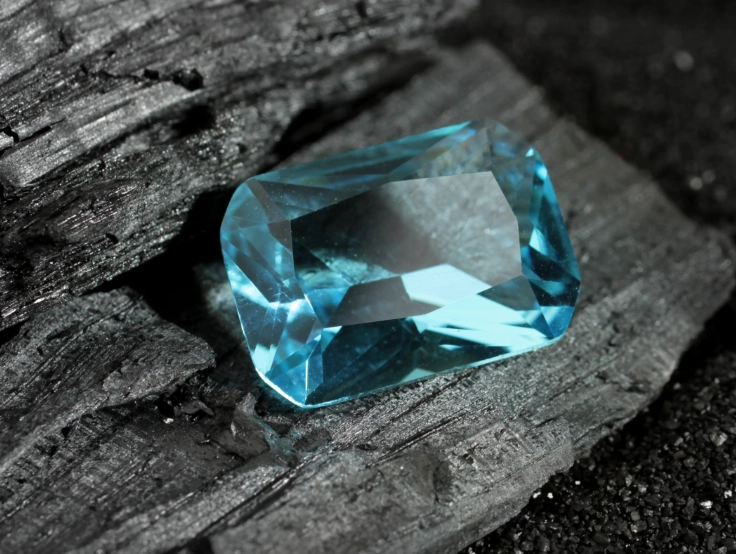
Let's be honest. The first time you hold a raw, uncut gemstone, it doesn't look like much compared to the sparkly thing in a jewelry store. It's rough, maybe dirty, and its beauty is… quiet. But that's the point. A raw natural gemstone is nature's artwork before anyone else gets their hands on it. No faceting, no polishing to hide flaws—just the pure, unfiltered mineral as it grew in the earth. For collectors, jewelry makers, and anyone tired of the same old shiny things, raw stones are where the real magic is.
I've been hunting, buying, and working with these stones for over a decade. I've seen people overpay for pretty glass, and I've watched beginners ruin a perfect crystal with the wrong setting. This guide cuts through the noise. We're not just talking about what they are, but how to find real ones, what they're worth, and how to actually use them.
What's Inside This Guide
What Exactly Are Raw Natural Gemstones?
Think of a raw gemstone as a diamond in the rough—literally. It's a mineral crystal that has formed naturally and has not been cut, faceted, or polished into a standard gem shape. It might be a complete crystal with geometric faces, a broken piece of a larger crystal (called a "rough"), or a weathered pebble smoothed by a river.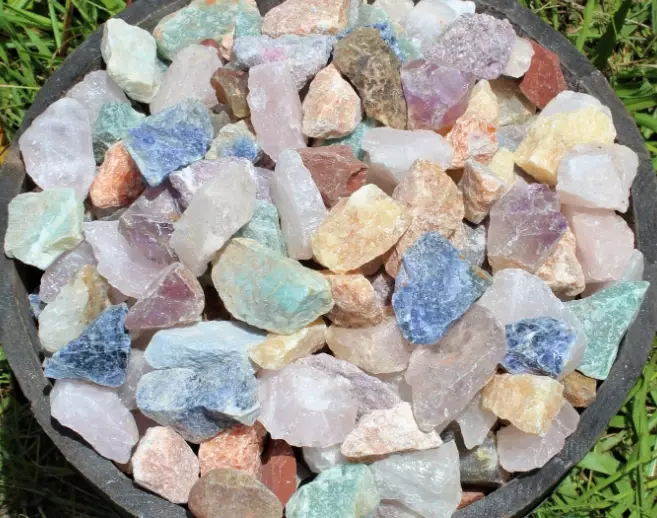
The key term here is natural. This means it hasn't been treated to change its fundamental color or clarity in a major way. Heat treatment to enhance color? That's common for many cut gems, but it moves a stone away from the "raw natural" purist's definition. Most collectors want stones as close to their dug-up state as possible.
A quick note on terms: You'll hear "raw," "rough," "uncut," and "natural" used almost interchangeably. Technically, "rough" often refers to pieces meant for cutting, while "specimen" refers to a crystal valued for its form. In practice, everyone mixes them up. Don't sweat it.
How to Find and Identify Raw Gemstones
You have two paths: hunting them yourself or buying them. Hunting is an adventure, but buying is where most people start.
If You're Hunting in the Field
Research is everything. Don't just wander into a hillside. Look up old mining reports for your area (the US Geological Survey has public data). Join a local rockhounding club. These folks know the exact creek bends where quartz clusters appear after a rain. Essential gear isn't fancy: a sturdy shovel, a screen for sifting gravel, eye protection, and a good field guide. The National Audubon Society Field Guide to Rocks and Minerals is a classic for a reason.
Remember, land ownership is crucial. Always get permission. Digging in a national park is a fast track to a massive fine.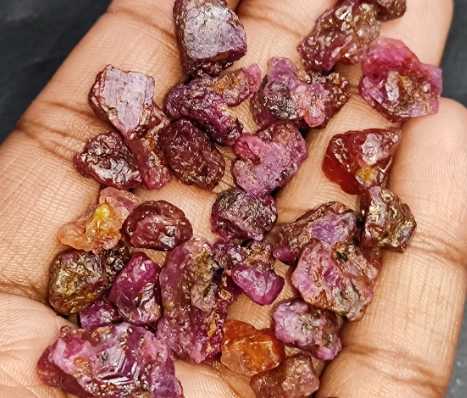
Identifying What You've Found
This is where beginners get tripped up. You can't rely on color alone. A green stone might be jade, aventurine, or even dyed glass.
You need to run through a mental checklist:
- Hardness: Can it scratch a penny (hardness 3)? Can a steel knife scratch it? This narrows it down fast. Get a Mohs hardness pick set if you're serious.
- Luster: How does it reflect light? Is it glassy (vitreous), waxy, metallic, or dull?
- Crystal Form: Even broken pieces hint at their geometry. Hexagonal prisms? Likely quartz or beryl. Cubic shapes? Think fluorite or pyrite.
- Streak: Scratch it on an unglazed ceramic tile. The color of the powder is a tell-tale sign. Hematite, for instance, gives a red-brown streak even though the stone looks black or silver.
I once watched a friend get excited about a "ruby" they found. It was red, glassy, and beautiful. The streak test gave a brownish-red powder. Ruby's streak is white. It was garnet—still a fantastic find, but a different stone altogether. Tests don't lie.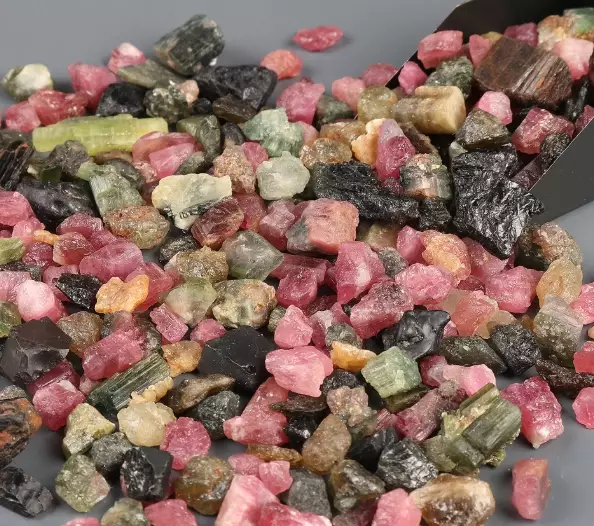
What Determines Their Value and Worth?
The market for raw stones is weird. It doesn't always follow the rules of the cut gem market. A small, flawless diamond rough is worth a lot to a cutter. A large, included, but stunningly shaped amethyst cluster is worth a lot to a collector.
| Factor | Impact on Value (Collector Specimen) | Impact on Value (Jewelry Rough) |
|---|---|---|
| Crystal Form & Completeness | HUGE. Undamaged, terminated crystals are king. | Minimal. The cutter will chop it up anyway. |
| Color | Critical. Vivid, saturated colors win. Unique zoning adds value. | Critical. Consistency and depth of color are key. |
| Clarity & Inclusions | Complex. Some inclusions (like rutile needles in quartz) increase value. Fractures decrease it. | Usually negative. Inclusions mean less yield for clear faceted stones. |
| Size | Important, but quality trumps sheer mass. A thumbnail-sized perfect crystal can be worth more than a fist-sized broken piece. | Very important. Larger pieces give the cutter more options. |
| Locality | Massive. A tourmaline from a famous, depleted mine (e.g., Paraíba, Brazil) can be 10x the price of a similar-looking stone from elsewhere. | Significant. Origin can affect color expectations and market price. |
The biggest mistake I see? People valuing a raw stone by its potential cut weight. "This 100-gram quartz could yield a 50-carat faceted stone worth $5 per carat, so it's worth $250!" No. The raw specimen market and the cut gem market are related but separate economies. That quartz cluster might be worth $50 as cutting rough but $500 as a display specimen because of its aesthetic form.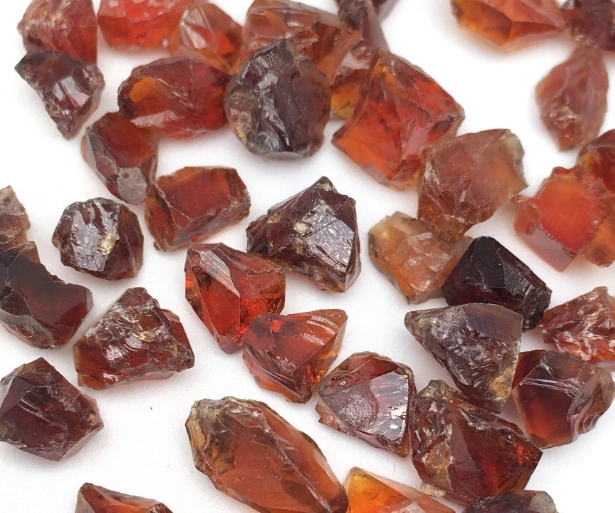
Smart Tips for Buying Raw Gemstones
The online market is a jungle. Here’s how to navigate it without getting burned.
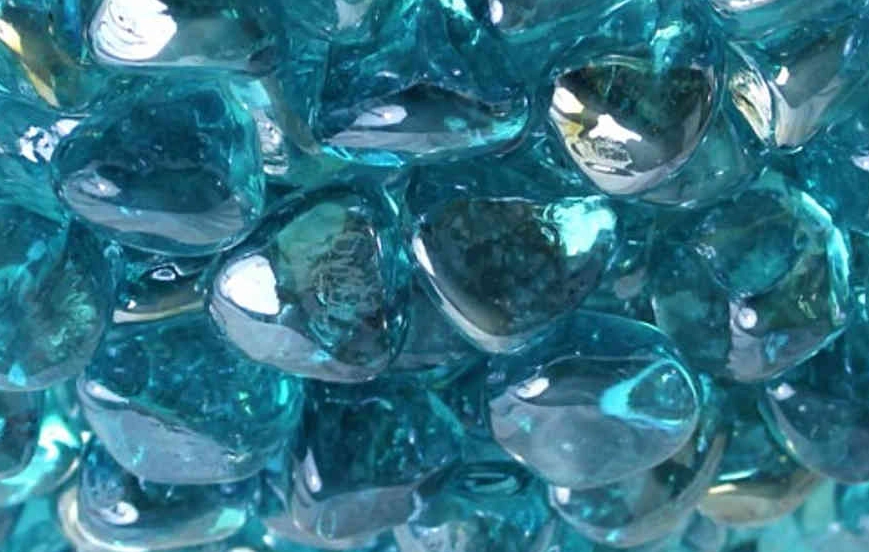
The Glass Problem: It's rampant. Dyed glass is sold as "rare opal" or "blue quartz." The giveaways? Too-perfect bubbles (not fluid inclusions), a conchoidal fracture pattern that looks like broken glass (because it is), and a temperature. Glass feels warm faster than stone. If it's suspiciously cheap and perfect, it's probably glass.
When evaluating a seller:
- Photos Matter: They must show the stone dry (not wet, which hides flaws) from all angles. A video is even better. If all shots are from one perfect angle, be wary.
- Origin Story: A good seller knows where the stone came from. "Mined in Minas Gerais, Brazil" is better than "Imported from South America."
- Check Reviews for Specifics: Don't just look at the star rating. Read reviews that mention accuracy of description, stone quality, and packaging. A raw gemstone shipped in a flimsy envelope is a broken gemstone.
Ethics are a growing concern—a key industry hotspot. Ask about sourcing. Terms like "self-collected," "small-scale artisanal mine," or sellers who support mine reclamation projects are good signs. It's not always clear-cut, but asking the question pushes the market in the right direction.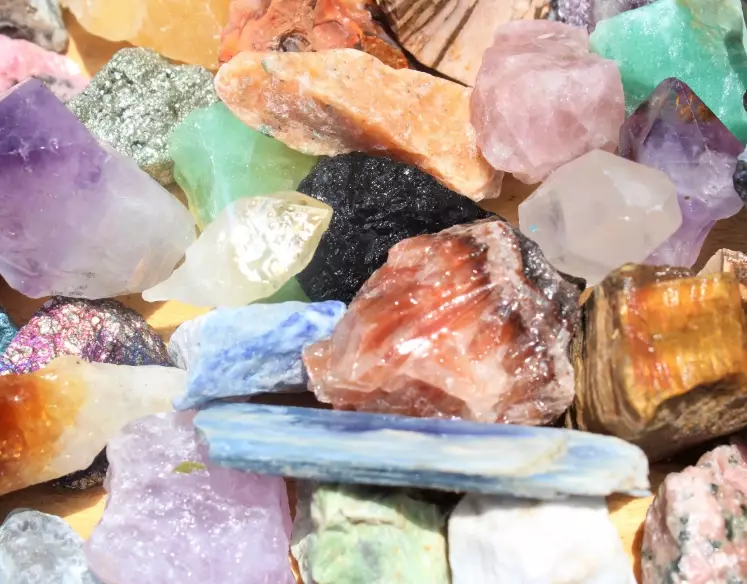
Using Raw Stones in Jewelry and Design
This is where the fun begins, and where most DIY projects fail. The number one rule: not every raw stone is suitable for every type of jewelry.
A raw emerald is stunning, but it's relatively soft (7.5-8 on Mohs scale). Setting it in a ring that will knock against tables and doors is a recipe for a chipped, sad stone. Save it for a pendant or earrings. Hardness is your guide. Stones like quartz (7), topaz (8), and sapphire (9) are much more ring-friendly in their raw form.
The setting must protect the stone. A deep bezel that cups the entire base is gold standard. Prong settings designed for faceted gems often don't grip a raw stone's uneven shape securely. I learned this the hard way, losing a beautiful raw aquamarine from a prong setting that seemed tight but wasn't. A good jeweler will design a custom setting that follows the stone's natural contour—it's more work, but it's the only way to do it right.
Beyond rings, raw stones make incredible statement pieces. A slab of agate as a pendant, a cluster of tiny quartz points wire-wrapped into a necklace, or a raw diamond slice set into a minimalist bracket. The design should complement the stone's wildness, not try to tame it.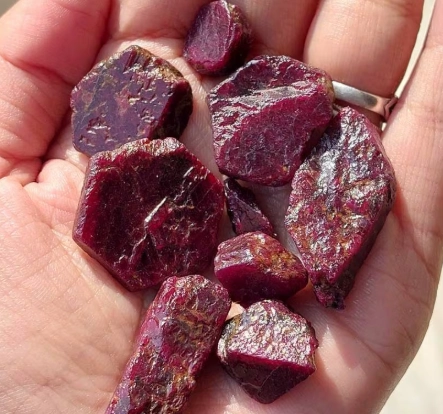
Your Raw Gemstone Questions Answered
Stepping into the world of raw natural gemstones is like learning a new language. You start by seeing just rocks, but eventually, you see the history of the planet in a crystal's face, the pressure and heat that created its color. It's less about flash and more about substance. Whether you're collecting, making jewelry, or just appreciating, remember you're holding something that took millions of years to form. That alone is worth a second look.