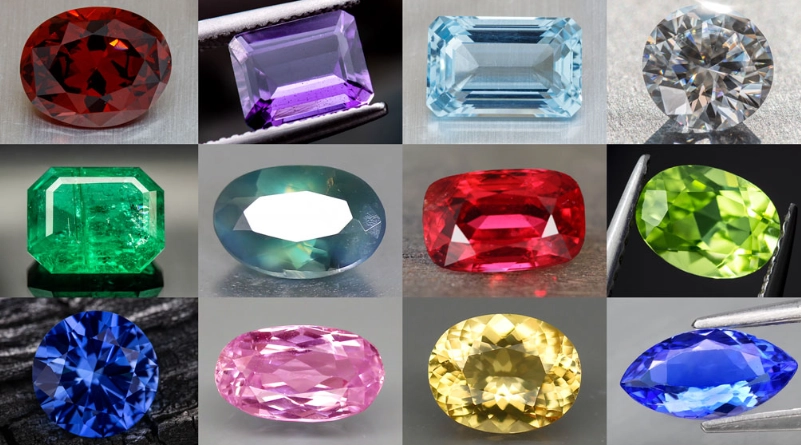
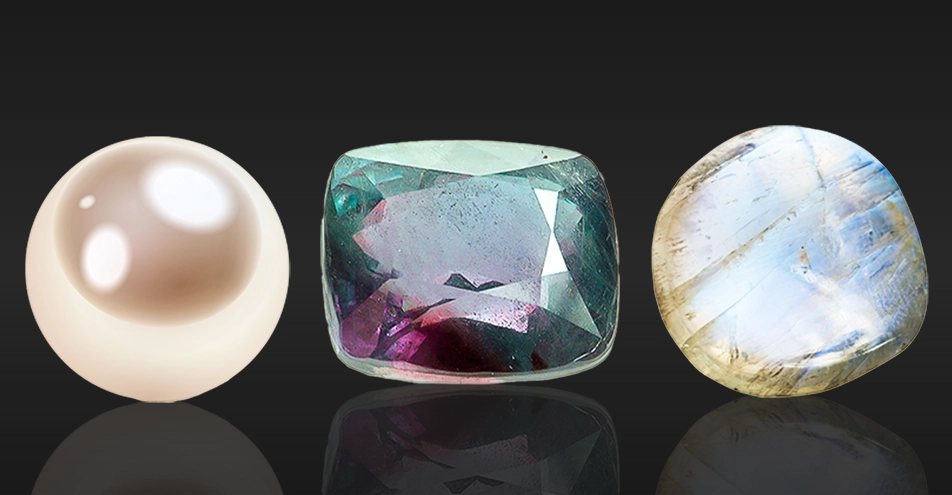
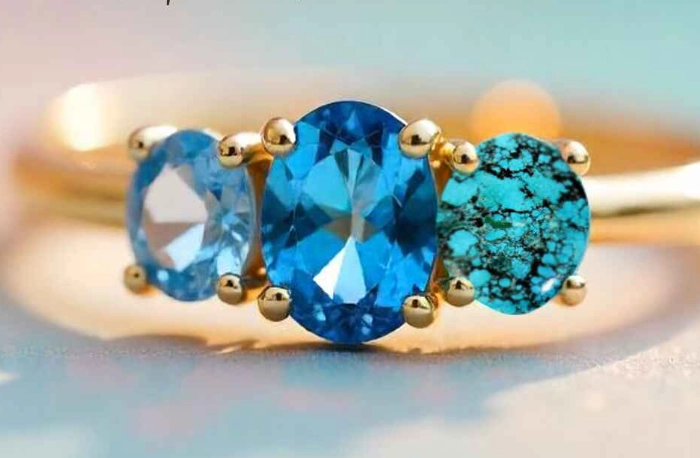
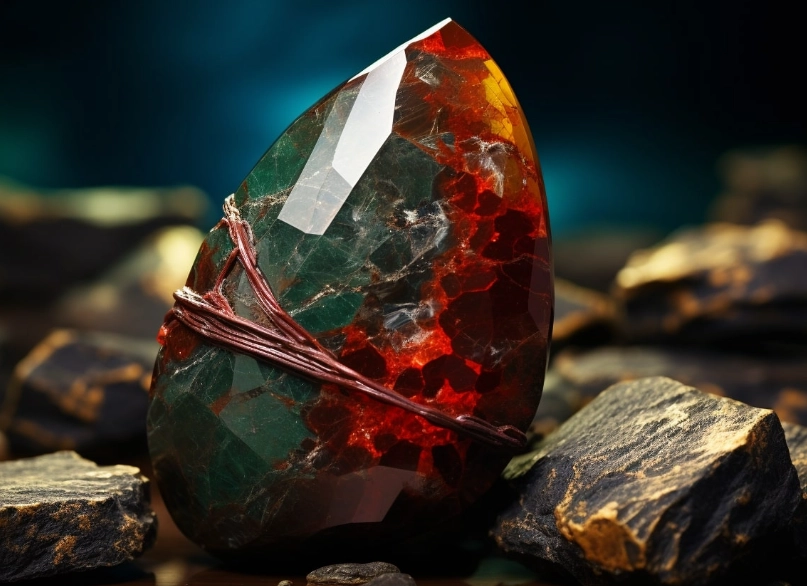
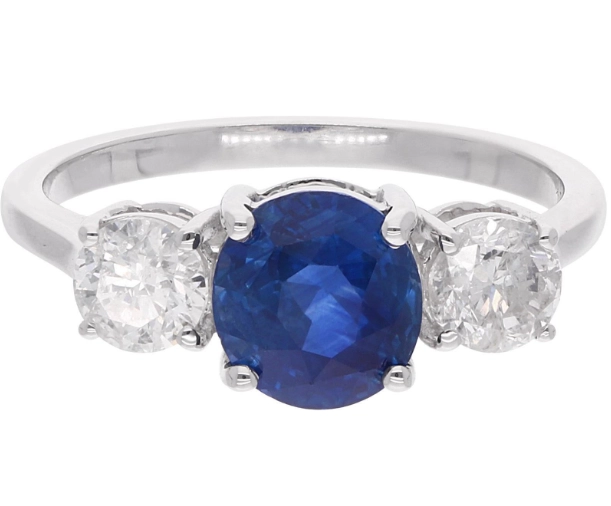
You're probably wondering what makes natural gemstones so special. I did too, until I held a raw emerald from Colombia and felt its cool, rough surface. Natural gemstones aren't just pretty rocks—they're pieces of Earth's history, formed over millions of years. In this guide, I'll walk you through the most common types, how to spot fakes, and why some stones cost a fortune while others are affordable. Let's cut through the jargon and get to the good stuff.
What's Inside This Guide
The Most Popular Natural Gemstones: A Ranked List
Not all gemstones are created equal. Based on value, rarity, and demand, here's my take on the top natural gemstones you should know. I've handled hundreds of stones over the years, and these stand out.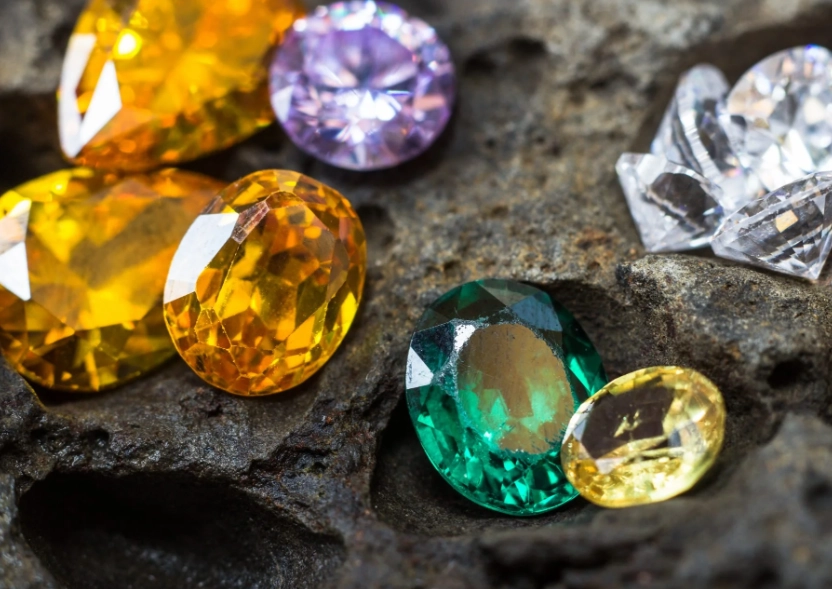
| Rank | Gemstone | Key Color | Mohs Hardness | Primary Sources |
|---|---|---|---|---|
| 1 | Diamond | Colorless to various | 10 | Botswana, Russia, Canada |
| 2 | Ruby | Red | 9 | Myanmar, Mozambique, Thailand |
| 3 | Sapphire | Blue (but many colors) | 9 | Sri Lanka, Madagascar, Australia |
| 4 | Emerald | Green | 7.5-8 | Colombia, Zambia, Brazil |
| 5 | Alexandrite | Color-changing (green to red) | 8.5 | Russia, Brazil, Sri Lanka |
| 6 | Opal | Play-of-color | 5.5-6.5 | Australia, Ethiopia, Mexico |
| 7 | Topaz | Blue, yellow, pink | 8 | Brazil, Nigeria, Pakistan |
| 8 | Amethyst | Purple | 7 | Brazil, Uruguay, Zambia |
| 9 | Tourmaline | Multi-colored | 7-7.5 | Brazil, Afghanistan, USA |
| 10 | Pearl (organic) | White, black, pink | 2.5-4.5 | Japan, Australia, Philippines |
Hardness matters because it affects durability. Diamonds are tough, but opals? They can crack if you're not careful. I learned that the hard way when I dropped an opal ring—lesson learned.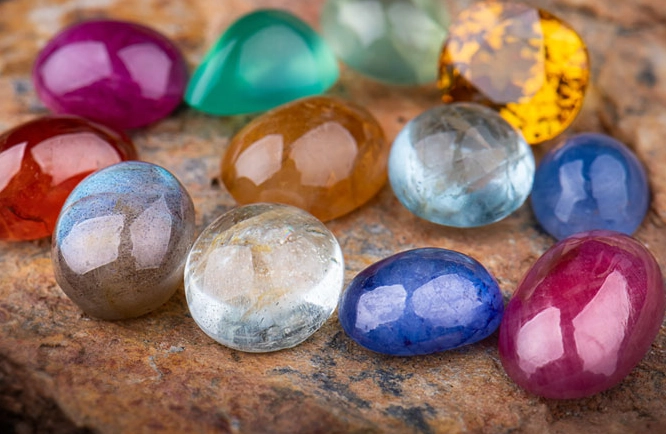
Diamond: More Than Just a Sparkle
Diamonds get all the hype, but here's something most guides miss: their value isn't just about clarity. Inclusions like feathers or clouds can actually prove they're natural. The Gemological Institute of America (GIA) grades them, but I've seen overgraded stones sold at premium prices. Always ask for a GIA report—it's your best defense.
Ruby and Sapphire: The Corundum Twins
Rubies and sapphires are both corundum, just different colors. A common mistake? Calling pink sapphires rubies. True rubies have a dominant red hue. Burmese rubies often have a fluorescent glow that boosts their price, but Mozambican ones are more affordable and still stunning.
Emerald: The Garden Stone
Emeralds are famous for their inclusions, called 'jardin' (French for garden). Some people hate them, but I think they add character. Colombian emeralds have a warmer green, while Zambian ones are cooler. If it's too clean, it might be synthetic.
How to Identify Natural Gemstones: A Practical Guide
You don't need a lab to spot fakes. Start with these steps I use in my own assessments.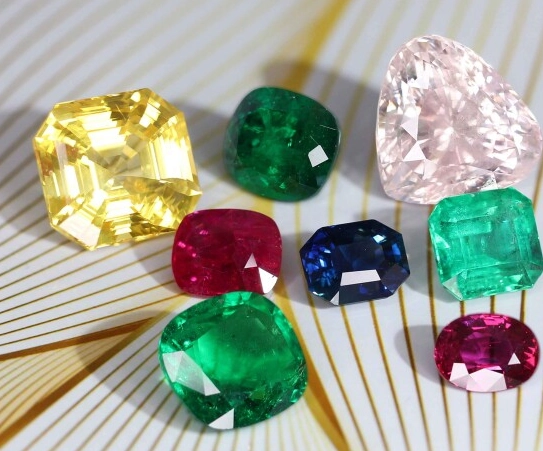
Look for inclusions. Natural stones have imperfections—tiny crystals, gas bubbles, or cracks. Under a 10x loupe, you might see patterns that tell a story. Synthetic gems often look too perfect, like they came from a factory.
Check the weight. Many imitations, like glass or plastic, feel lighter. A real diamond should have heft for its size. I once tested a 'sapphire' that floated in heavy liquid—it was just colored glass.
Scratch test with caution. Use a piece of glass or a hardness pick. Diamonds and sapphires scratch glass easily, but softer stones like opal won't. Don't do this on finished jewelry unless you're sure; you might damage it.
Observe color consistency. Natural colors can vary within the stone. Dyed stones might have concentrated color in cracks. Hold it under different lights; some gems like alexandrite change color dramatically.
Pro tip: Invest in a cheap UV light. Many natural gemstones fluoresce under UV—diamonds often glow blue, while some rubies glow red. It's a quick way to raise suspicions if there's no reaction.
Where Natural Gemstones Come From: The Journey from Mine to Market
Gemstones aren't just dug up; they're born from intense heat and pressure. Let's break down the process.
Most natural gemstones form in igneous or metamorphic rocks. Diamonds come from deep mantle rocks called kimberlites, brought up by volcanic eruptions. Rubies and sapphires often form in marble or basalt. I visited a small sapphire mine in Sri Lanka once—the miners sift through river gravel for months to find a few carats. It's backbreaking work.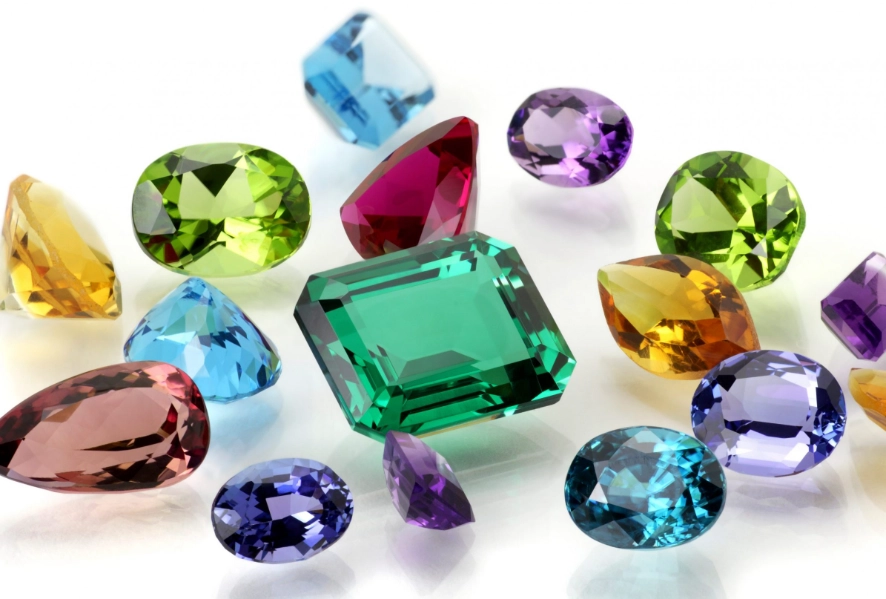
Ethical sourcing is a big deal now. Conflict diamonds got attention, but other stones have issues too. Some emerald mines in Colombia have poor labor conditions. Look for certifications like the Kimberley Process for diamonds or fair-trade labels. The Responsible Jewellery Council sets standards, but not all sellers comply. I avoid stones from regions with known human rights abuses—it's not worth the sparkle.
Primary sources vary: Australia produces over 90% of the world's opals, while Brazil is a hotspot for tourmaline and topaz. If you're buying, ask about origin. A sapphire from Kashmir might cost ten times more than one from Madagascar, even if they look similar.
Smart Buying Tips for Natural Gemstones
Buying gemstones can feel like a maze. Here's how to navigate it without getting ripped off.
First, set a budget. Natural gemstones range from a few dollars per carat (like amethyst) to thousands (for fine rubies). Carat weight isn't everything—color and clarity often matter more. A small, vivid ruby can be pricier than a large, pale one.
Always get a certificate from a reputable lab like GIA, AGL (American Gemological Laboratories), or SSEF (Swiss Gemmological Institute). I've seen fake certificates online, so verify the report number on the lab's website. Don't trust a seller who says "trust me."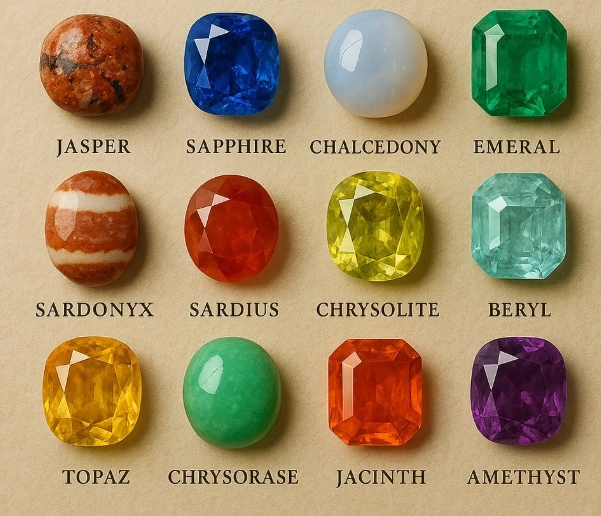
Consider the cut. A well-cut stone reflects light better, enhancing its beauty. Poor cuts can hide flaws or make it look dull. For diamonds, the cut grade is crucial; for colored stones, a custom cut might highlight the color.
Where to buy? Reputable jewelers are safe, but online platforms like Blue Nile or James Allen offer good value with 360-degree views. For unique pieces, check out gem shows in Tucson or Hong Kong. I bought a tourmaline at a show once—it was cheaper because I cut out the middleman.
Avoid impulse buys. Gemstones are emotional purchases, but take your time. Compare prices, read reviews, and if possible, see the stone in person. Photos can lie about color saturation.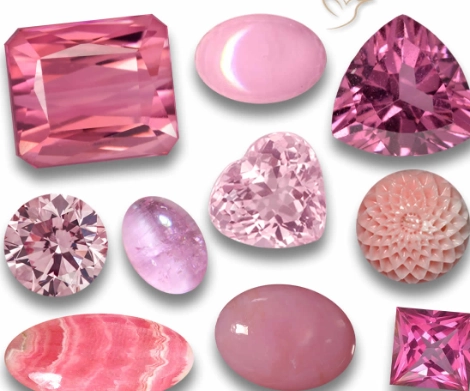
Your Questions Answered
Natural gemstones are more than accessories—they're connections to Earth's wonders. Whether you're a collector or a casual buyer, understanding their types, identification, and value can save you money and heartache. Start with a simple stone like amethyst, and work your way up. And remember, the best gem is one that speaks to you, not just your wallet.