Let's cut to the chase. You're curious about a gemologist's salary because you're thinking about this as a career. Maybe you love gems, or you're looking for a stable, interesting profession. The short answer is: it varies wildly, from about $40,000 to well over $120,000 per year. But that range is useless without context. Is it the love of minerals that pays the bills, or is there a practical path to a good living?
I've been in this industry for over a decade, moving from a retail sales floor to a graduate gemologist role, and now consulting for independent jewelers. I've seen colleagues struggle on mediocre wages and others build six-figure careers. The difference rarely comes down to who loves gems more. It comes down to strategy, specialization, and understanding where the real value is in this chain—from mine to market.
What's Inside This Guide?
The Salary Breakdown: Real Numbers & Ranges
Forget the vague "average" you might find on a generic job site. Those often lump gemologists with geologists and mineralogists. The data for our specific niche is more nuanced.
The U.S. Bureau of Labor Statistics categorizes gemologists under "Geoscientists, Except Hydrologists and Geographers." Their latest data shows a median annual wage around $87,480. But that's a broad brush.
More relevant is data from industry-specific sources like the Gemological Institute of America (GIA) and job platforms. Here's a more realistic snapshot for someone holding the title "Gemologist" or "Graduate Gemologist":
Entry-Level (0-3 years experience, with GIA GG or equivalent): Typically between $45,000 - $65,000. You're likely in a lab grading diamonds, assisting a senior appraiser, or in a junior retail buying role.
Mid-Career (4-9 years experience): This is where paths diverge. A diamond grader in a corporate lab might plateau around $70,000. A skilled appraiser working independently or for a high-end auction house can reach $80,000 - $100,000.
Senior/Expert (10+ years, with niche expertise): Senior lab managers, chief appraisers for major auction houses, or consultants for investment firms can earn $100,000 - $150,000+. Top-tier independent appraisers serving an elite clientele can charge high hourly rates, pushing their annual income even higher.
See the spread? The starting point is modest, but the ceiling is high if you play your cards right.
The 5 Key Factors That Actually Determine Your Pay
If you want to predict and influence your earning potential, focus on these five levers.
1. Education & Certification (The Non-Negotiable Foundation)
A formal gemology diploma is your ticket in. The GIA Graduate Gemologist (GG) is the industry benchmark. Finishing this program signals a standardized level of competence. Can you get a job without it? Maybe in a small family shop, but your mobility and credibility will be severely limited. Other programs exist, but GIA's name carries weight in salary negotiations, especially internationally.
Here's a subtle point most miss: it's not just having the certificate, but how you got it. The hands-on, in-person lab classes (versus purely online) build a tactile skill that employers and clients can sense. That subtle confidence translates to trust, and trust translates to higher fees or salary.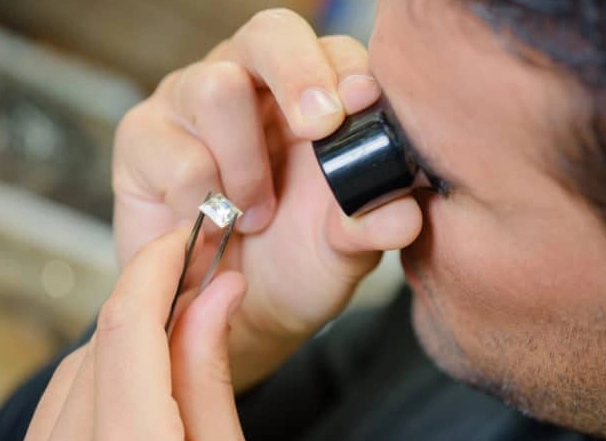
2. Industry Sector (Your Choice of Playing Field)
This is the single biggest driver of your salary. Where you work dictates your pay scale more than almost anything else.
| Industry Sector | Typical Roles | Salary Range (Mid-Career) | Pros & Cons for Earnings |
|---|---|---|---|
| Diamond Grading Labs (e.g., GIA, IGI, HRD) | Diamond Grader, Senior Grader, Lab Manager | $50,000 - $90,000 | Pro: Stable, structured, benefits. Con: Can be repetitive; salary often has a clear ceiling unless you move into management. |
| Retail Jewelry (Large Chains to Luxury Boutiques) | Bench Jeweler/Gemologist, Buyer, Sales Associate with GG | $40,000 - $85,000 + commission | Pro: Commission in sales can significantly boost pay. Con: Base salary can be low; earnings tied to sales performance. |
| Auction Houses & High-End Appraisal (e.g., Sotheby's, Christie's, independent firms) | Gemologist, Appraiser, Specialist | $65,000 - $130,000+ | Pro: High prestige, potential for high earnings with expertise. Con: Highly competitive, often requires additional appraisal credentials (e.g., ASA, AAA). |
| Independent/Consulting | Independent Appraiser, Consultant, Educator | $60 - $250+ per hour | Pro: Highest earning potential per hour, flexibility. Con: Unstable, requires self-marketing and business skills. Income is highly variable. |
3. Geographic Location (It's Not Just About Big Cities)
Yes, New York and Los Angeles offer higher salaries, but the cost of living eats into that. The smarter play is to look for hubs of the industry that aren't necessarily the most expensive cities. Consider:
- New York, NY / Los Angeles, CA: Highest base salaries, especially for auction houses and luxury retail. Expect 15-25% premiums.
- Dallas, TX / Miami, FL: Strong jewelry markets with lower living costs than coastal cities. Good opportunities in appraisal and retail.
- Remote/Grading Lab Hubs: Cities like Carlsbad, CA (GIA HQ) or Antwerp, Belgium offer concentrated opportunities in lab work, but salaries are set by the institution, not the local market.
A hidden gem? Building a reputation as the go-to independent appraiser in a wealthy suburban area or mid-sized city with less competition. You can charge near-metro rates without the metro overhead.
4. Specialization (The Path to Premium Fees)
General gemology knowledge gets you in the door. Specialization gets you paid. The market rewards deep, niche expertise.
Colored Stones vs. Diamonds: Diamond grading is systematized and in high demand for lab work. Colored stone identification is more complex, artful, and often more valued in high-end auction and appraisal settings. Knowing your paraiba from your standard tourmaline matters.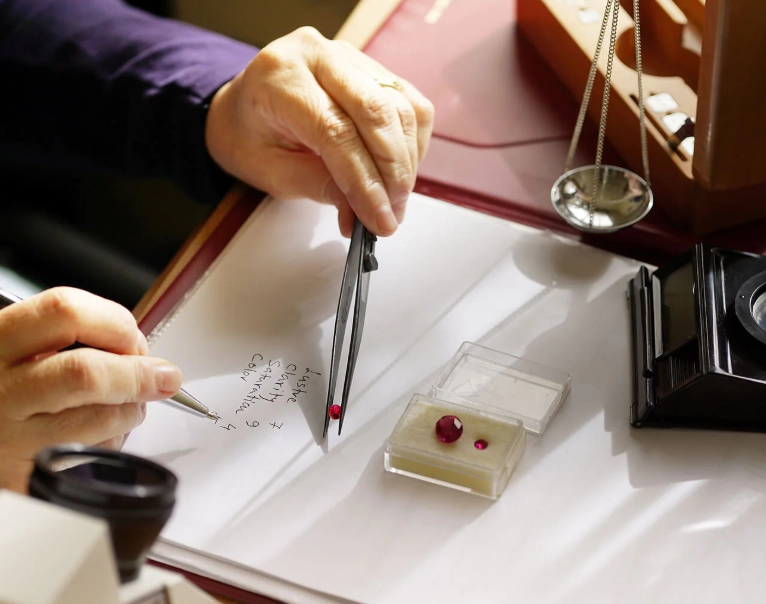
Appraisal Specialization: Getting certified by a body like the American Society of Appraisers (ASA) allows you to do insurance and estate appraisals, which is where the steady, high-value work is. An appraiser specializing in antique jewelry or signed pieces (Cartier, Van Cleef) can command much higher fees than a generalist.
The Lab-Grown & Treatment Expert: This is the current hotspot. As lab-grown diamonds and advanced treatments flood the market, gemologists who can quickly, accurately, and confidently identify them are in huge demand. This skill is becoming a premium add-on for any role.
5. Experience & Reputation (The Long Game)
In gemology, years don't automatically equal dollars. Ten years of doing the same repetitive grading might not boost your pay much. But five years of diverse experience—grading, some sales, taking appraisal courses—builds a more valuable profile. Reputation is everything for consultants and appraisers. It's built on accuracy, clear communication, and integrity. One high-profile mistake can crater it.
Career Paths & Their Earning Potential
Let's follow two hypothetical gemologists to see how this plays out.
Path A: The Corporate Lab Specialist (Sarah)
- Year 1-3: Gets GIA GG. Hired as a diamond grader at a major lab. Salary: $48,000.
- Year 4-7: Becomes a senior grader, trains newcomers. Salary: $68,000.
- Year 8+: Moves into quality control or a team lead role. Salary plateaus around $82,000. Excellent benefits, low stress, but limited upward mobility without moving into non-gemology management.
Path B: The Hybrid Appraiser-Consultant (David)
- Year 1-3: Gets GIA GG. Works at a high-end jewelry retailer, combining sales with basic in-store appraisals. Salary + commission: $55,000 - $70,000.
- Year 4-6: Completes ASA appraisal courses and gets certified. Starts taking on independent appraisal clients on the side. Total income: $75,000 - $90,000.
- Year 7+: Goes fully independent. Builds a network with estate lawyers and insurance agents. Develops a niche in mid-century signed jewelry. Charges $150-$300/hour. Annual income varies but can consistently exceed $100,000. Higher risk, but higher control and ceiling.
David's path requires more hustle and business acumen, but it breaks the salary ceiling Sarah faces.
How to Strategically Boost Your Salary
It's not about waiting for a raise. It's about building a case and creating options.
1. Frame Your Skills as Risk Mitigation. Don't just say "I grade diamonds." Say "I provide the definitive quality analysis that mitigates multi-thousand dollar risks in inventory purchase and sales." For appraisers: "I deliver legally defensible valuations that protect clients from under-insurance and over-taxation."
2. Get the Credential Everyone Respects. The GIA GG is the baseline. Then, add the ASA or AAA appraisal certification if you want to move into that lucrative field. These aren't just letters after your name; they are salary negotiation tools.
3. Build a Public Profile. Write articles (even just blog posts) on gem identification. Give talks to local jewelry clubs. Become a known voice. This builds the reputation that allows you to transition to consulting or command higher fees. When you're the expert people Google, you set the price.
4. Learn the Adjacent Skills. Understand basic jewelry repair. Learn photography for grading reports. Get comfortable with appraisal software. The gemologist who can also handle the client intake, write a compelling report, and manage a database is three times more valuable than one who just looks through a microscope.
The goal is to make yourself not just a technician, but a trusted advisor. That's where the real money is.
Your Burning Questions, Answered
So, what's the final take on a gemologist's salary? It's a field with a wide band. You can choose a stable, middle-income path in a corporate lab. Or you can build a higher-earning, entrepreneurial career as an appraiser or consultant. The key is to see gemology not just as a science, but as a profession where business savvy, specialization, and reputation are the true determinants of your worth. The gems are just the medium. Your expertise is the product.
Start with the right education, pick your sector strategically, and never stop adding strings to your bow. That's how you turn a fascination with crystals into a solid career.