You're thinking about a gemologist course. Maybe you're fascinated by gems, maybe you're eyeing a career change into the jewelry industry, or perhaps you're a hobbyist who wants to stop guessing and start knowing. I get it. I've been through it, taught it, and hired people who've done it. Let's cut through the marketing fluff and talk about what these courses actually involve, what they cost, and whether they're right for you. This isn't about selling you a dream; it's about giving you the map so you can make an informed decision.
What You'll Find in This Guide
The Three Main Types of Gemologist Courses
Not all courses are created equal. They generally fall into three buckets, each serving a different purpose.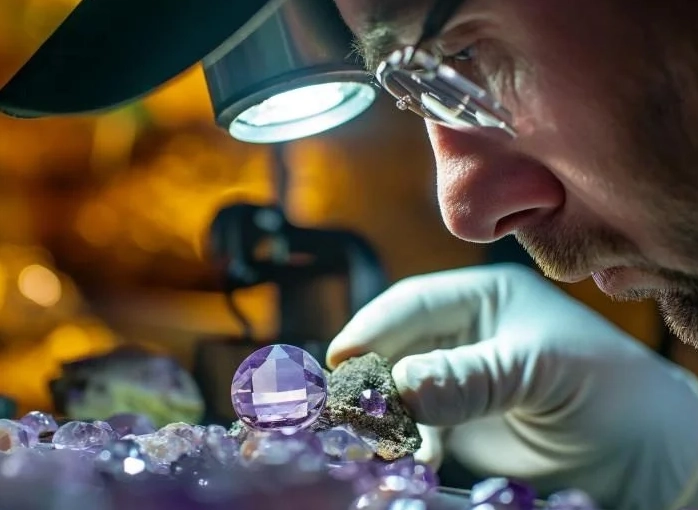
1. The Foundation Diploma (6 weeks - 6 months)
This is your entry point. Think of it as Gemology 101. You'll learn basic identification using the core tools: the 10x loupe, refractometer, polariscope, and specific gravity. The goal is to get you comfortable with the 20-25 most common gemstones. Providers like the Gemological Institute of America (GIA) call this the "Graduate Jeweler" or "Diamond Essentials" track. It's perfect for retail sales staff, enthusiastic collectors, or anyone wanting to test the waters before a bigger commitment. Cost usually ranges from $800 to $3,000.
2. The Professional Certification (6 months - 1 year)
This is the industry standard, the one that carries weight on a resume. The most famous is GIA's Graduate Gemologist (GG) program. This is comprehensive. You'll move beyond basics into advanced identification techniques, detailed study of inclusions (the birthmarks of gems), separation of natural, treated, and synthetic stones, and grading diamonds and colored stones. It involves serious theory and, crucially, hands-on lab work with hundreds of stone samples. This is the credential for appraisers, buyers, lab technicians, and serious jewelers.
3. The Specialist Pathway (1+ years)
After a professional certification, you can dive deeper. Courses exist focused solely on pearl grading, advanced diamond grading, colored stone grading (like GIA's Colored Stones Essentials), or even specific instruments like spectroscopy. The International Gemological Institute (IGI) and other bodies offer these. This is for people who want to become the expert in a very narrow, high-value field.
A quick note on "online vs. in-person": The pandemic forced a shift online. You can now do the theory portions of major programs remotely. This is fantastic for flexibility. But, and this is a big but, the practical lab component is irreplaceable. Manipulating a microscope, getting the feel of a refractometer, and having an instructor correct your technique in real-time—that has to be in person. Most reputable programs now offer a hybrid model.
Where to Train: The Major Certification Bodies
Your diploma is only as good as the institution that issues it. Here are the key players globally.
| Institution | Key Credential | Global Recognition | Known For |
|---|---|---|---|
| Gemological Institute of America (GIA) | Graduate Gemologist (GG) | Extremely High | The industry gold standard, especially for diamond grading. Their lab reports are the global benchmark. |
| International Gemological Institute (IGI) | Professional Gemologist | Very High | Strong global presence, particularly in Europe and Asia. Often seen as a more accessible alternative to GIA. |
| Gem-A (Gemological Association of Great Britain) | Fellowship (FGA) | Very High (esp. in Commonwealth) | Academic, theory-heavy approach. The Diploma in Gemmology (FGA) is highly respected and has a long history. |
| American Gem Society (AGS) | Certified Gemologist (CG) | High (North America) | Focus on ethics and consumer protection within the jewelry trade. Requires membership. |
There are also reputable regional schools. Do your homework. Check if the school's labs are well-equipped and if their alumni are working in roles you aspire to.
What You Actually Learn: Beyond the Loupe
People think gemology is just looking at pretty rocks. It's forensic science. Here’s a snapshot of the curriculum in a professional course.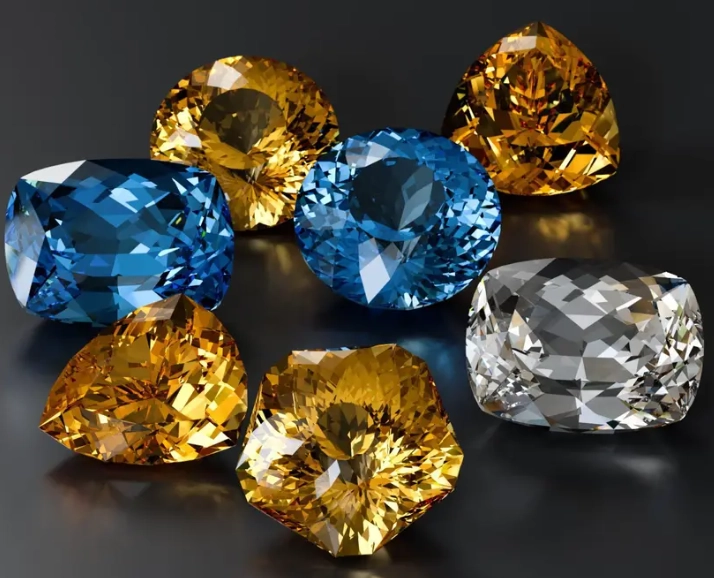
The Toolbox (And How You Really Use It)
The 10x Loupe: Your primary eye. You're not just looking for flaws; you're learning to spot diagnostic inclusions. A "jard" in an emerald, a "horse-tail" inclusion in demantoid garnet. This takes hundreds of hours of practice.
The Microscope: This is where the magic happens. You'll learn lighting techniques (darkfield, brightfield) to reveal structures invisible to the loupe. The growth patterns in a synthetic sapphire versus a natural one? That's a microscope skill.
The Refractometer: Measures refractive index (RI). The classic beginner tool. The mistake everyone makes? They don't take enough readings. A spinel is isotropic (one RI), a garnet is isotropic, but their RIs are different. You need to correlate.
The Spectroscope: This tool analyzes the light absorbed by a gem, revealing its "fingerprint." It's crucial for separating, for example, a natural blue sapphire from a heat-treated one, or identifying certain dyes.
The Modern Challenge: Lab-Grown vs. Natural
This is the single biggest shift in the last decade. A course from 2005 is obsolete. Modern curricula spend enormous time teaching you to separate natural diamonds and colored stones from their lab-created counterparts. This often requires advanced instrumentation like the DiamondView or specialized spectroscopy, which you'll get exposure to in top-tier programs.
The Real Cost & Time Commitment
Let's talk numbers. A full Graduate Gemologist program from GIA, including lab classes, can run between $10,000 and $15,000. The Gem-A FGA diploma can be similar. That's tuition. Then add travel, accommodation if you're attending a campus, and the cost of your personal tool kit (a decent starter set is around $1,000).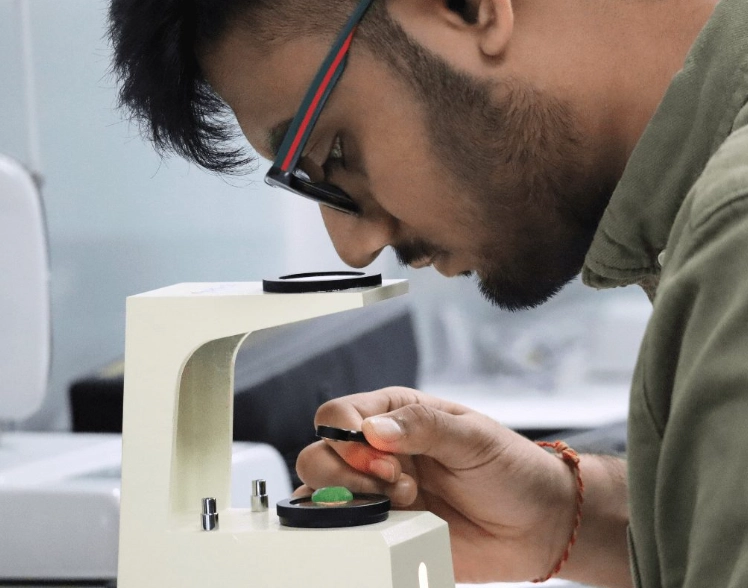
Time-wise, if you're studying full-time, a professional cert can take 6 months. Part-time, while working, it can stretch to 18-24 months. It's a marathon, not a sprint. The study load is real—expect to memorize hundreds of data points and spend nights staring into a microscope.
Watch out for this: Some short, cheap online courses promise a "Gemologist" title in a weekend. These are often meaningless in the professional trade. They might teach you some interesting facts, but they won't give you the hands-on skills or the credential that employers trust. Always check what the final diploma is actually called and who recognizes it.
Where the Diploma Can Take You: Career Paths
So what doors does this open? It's more varied than you might think.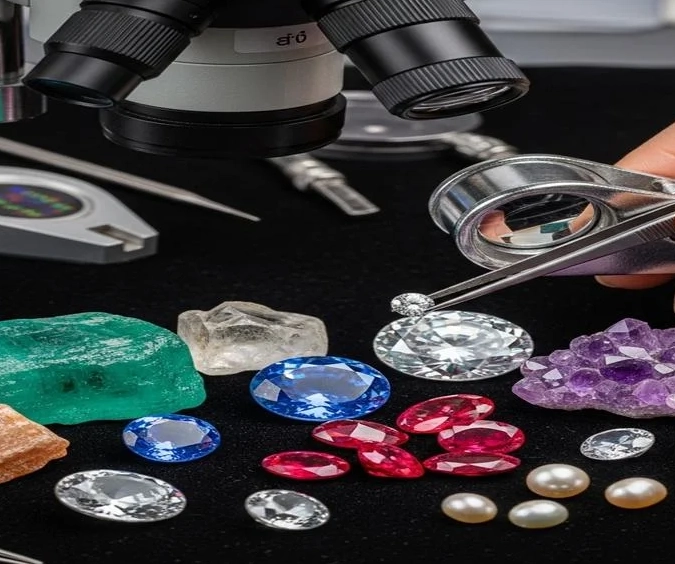
- Jewelry Retail/Buying: This is the most common path. Your knowledge builds immense credibility with clients and allows you to buy inventory confidently.
- Appraisal: Requires additional valuation training, but gemology is the foundational science. It's a stable, detail-oriented career.
- Auction Houses (Sotheby's, Christie's): Highly competitive. They look for GIA GG or FGA diplomas as a minimum. You'll be examining high-value estate pieces.
- Gemological Laboratory Technician: Working in a lab like GIA or IGI, grading stones all day. Requires exceptional consistency and eyesight.
- Independent Consultant/Broker: Buying and selling stones for clients or manufacturers. This is high-risk, high-reward, and built entirely on reputation and network.
- Content Creation & Education: With the rise of social media, there's a demand for credible gemology educators online.
The salary range is vast. A retail gemologist might start at $45,000, while a senior appraiser or lab director can earn well into six figures.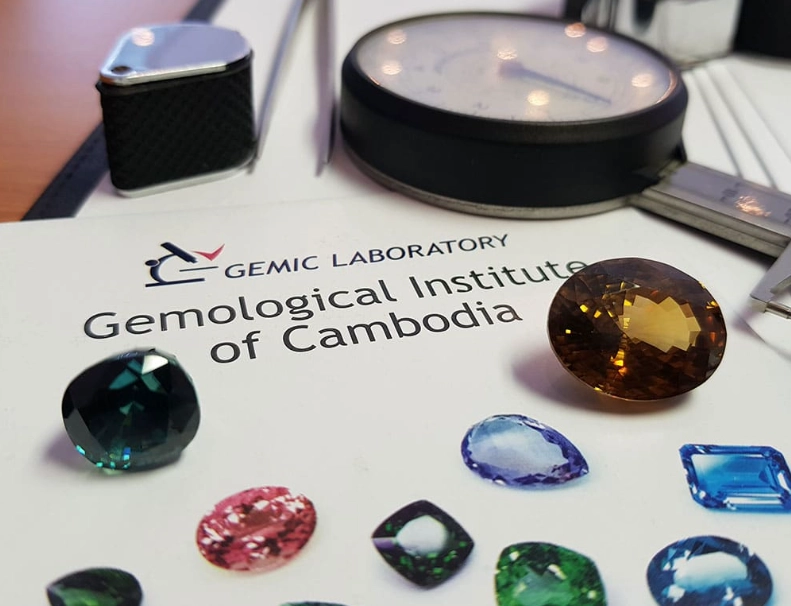
How to Choose the Right Course for Your Goals
Don't just pick the first Google result. Ask yourself these questions:
What's my end goal? If you want to work in a high-end auction house, only a top-tier professional certification will do. If you want to better manage your family's jewelry store, a foundation course might be enough.
What's my learning style? Are you disciplined enough for self-paced online theory? Or do you need the structure of a classroom?
What's the school's job placement/reputation like? Call them. Ask for graduate success stories. Talk to alumni on LinkedIn.
Can I visit the lab? If possible, see the facilities. Are the microscopes modern? Is the stone reference collection extensive?
My personal advice? If you're serious about a career, invest in the best professional certification you can afford from GIA, IGI, or Gem-A. It's a steep hill to climb, but the view from the top is worth it. You'll have a skill set that can't be easily automated and a credential that travels the world.