Let's be real. When most people hear "gemologist," they picture someone in a cozy shop, peering through a loupe at a sparkling diamond. It's a nice image, but it barely scratches the surface. A gemologist's job is a unique blend of hard science, detective work, art history, and high-stakes commerce. It's for the detail-obsessed, the naturally skeptical, and those who find beauty in the atomic structure of a crystal. If you're curious about real gemologist jobs—what they pay, where you can work, and how to actually get one—you're in the right place. This isn't a fluffy overview. We're digging into the specifics.
What's Inside?
What a Gemologist Really Does (Spoiler: It's Not Just Appraisals)
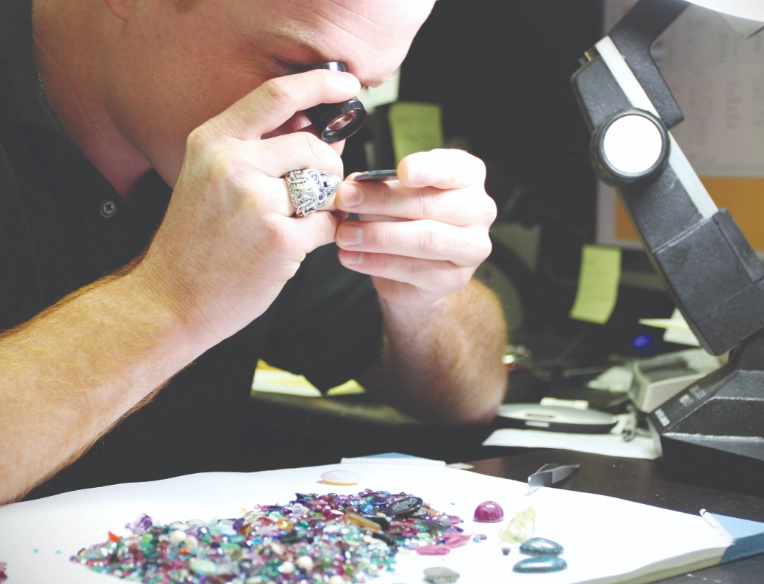
A gemologist is a professional who identifies, evaluates, and grades gemstones. This sounds simple until you realize a single mistake can cost hundreds of thousands of dollars or shatter a family's trust. The core of the job is applying scientific methods to answer three questions: What is it? (Identification), What is its quality? (Grading), and Has it been treated? (Detection).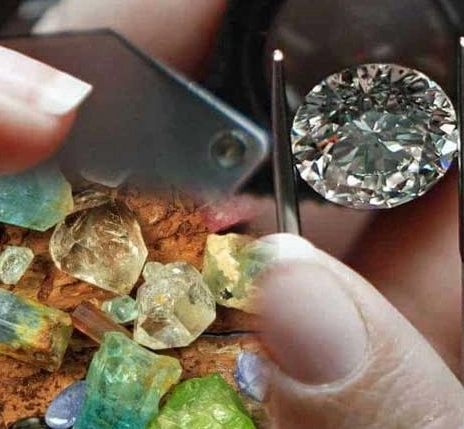
You'll use tools far beyond a simple loupe. A refractometer measures how light bends in a stone. A spectroscope breaks down its light signature like a fingerprint. A microscope becomes your best friend for spotting internal features that reveal a stone's natural origin or expose a clever synthetic. You're part scientist, part investigator.
Here's a mistake I see newcomers make: they focus only on the "what" and forget the "why." Grading a diamond isn't just about memorizing the 4Cs chart from the Gemological Institute of America (GIA). It's about understanding how those grades interact under different lights, in different settings, and for different markets. A VS1 clarity grade in a commercial-grade diamond is routine; finding that same VS1 in a historic Burmese ruby changes its story and value completely. Context is everything.
The 4 Main Types of Gemologist Jobs & Where to Find Them
The field isn't monolithic. Your daily life, salary, and required skills change dramatically based on your niche.
| Job Type | Primary Duties | Key Skills Needed | Typical Work Environment | Salary Range (Est.) |
|---|---|---|---|---|
| Retail & Appraisal Gemologist | Customer consultations, buying estate jewelry, writing insurance appraisals, sales support. | Communication, salesmanship, client management, quick visual assessment. | Jewelry stores (local or chains like Ben Bridge), independent appraisal offices. | $45,000 - $75,000+ (often with commission) |
| Laboratory Gemologist | Grading diamonds and colored stones (issuing reports like GIA Diamond Grading Reports), advanced identification, research. | Extreme precision, patience, deep theoretical knowledge, ability to follow strict protocols. | Major gem labs (GIA in Carlsbad/NYC, AGS in Las Vegas), diamond grading centers in Antwerp or Mumbai. | $55,000 - $90,000+ |
| Commodity & Trading Gemologist | Evaluating parcels of rough or polished goods for purchase, quality control for manufacturers, sourcing. | Speed, volume assessment, market knowledge, negotiation, fluency in industry terms (Yiddish terms in diamond trade are common). | Diamond exchanges (New York, Antwerp), cutting factories, gem mining company offices. | $60,000 - $120,000+ (highly variable with bonuses) |
| Auction House & Luxury Gemologist | Authenticating and cataloging high-value jewels for sale, client advisory, provenance research. | Art history knowledge, forensic-level research skills, networking with collectors, impeccable writing. | Sotheby's, Christie's, Phillips auction houses; archives of luxury houses. | $50,000 - $100,000+ (prestige can offset base salary) |
See the difference? The retail gemologist is a people person who uses gemology. The lab gemologist is a pure technician. One isn't better than the other—they're different careers that share a skill set.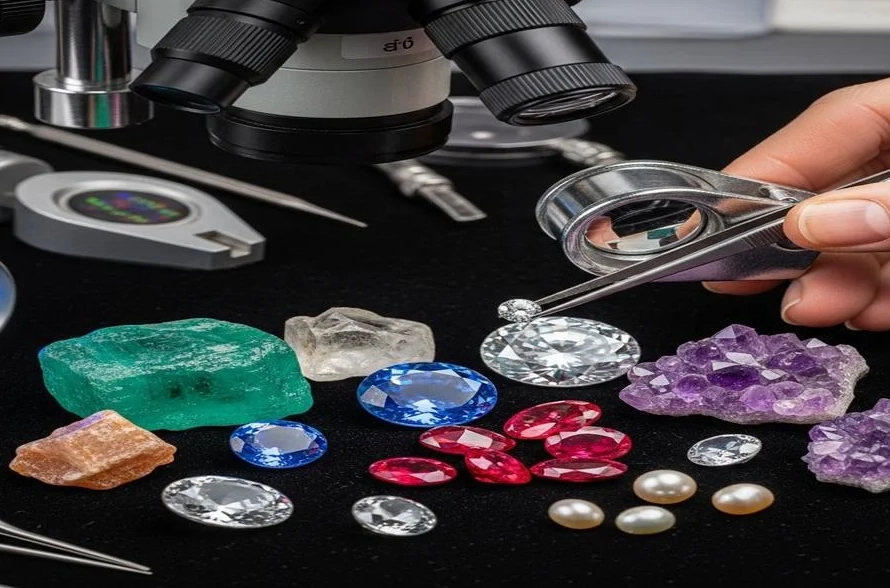
How to Become a Gemologist: A No-BS Step-by-Step Path
There's no single mandatory degree, but there is a well-trodden path that employers respect.
Step 1: Build Your Educational Foundation
A bachelor's degree in geology, mineralogy, or even chemistry/physics is a fantastic head start. It gives you the scientific framework. But here's the secret: it's not strictly required. What is required is a professional certification. The GIA Graduate Gemologist (GG) diploma is the global gold standard. It's a rigorous, practical program covering diamonds and colored stones. The Accredited Gemologists Association (AGA) also offers respected certifications. These courses teach you the applied science—the stuff you'll actually use on the job.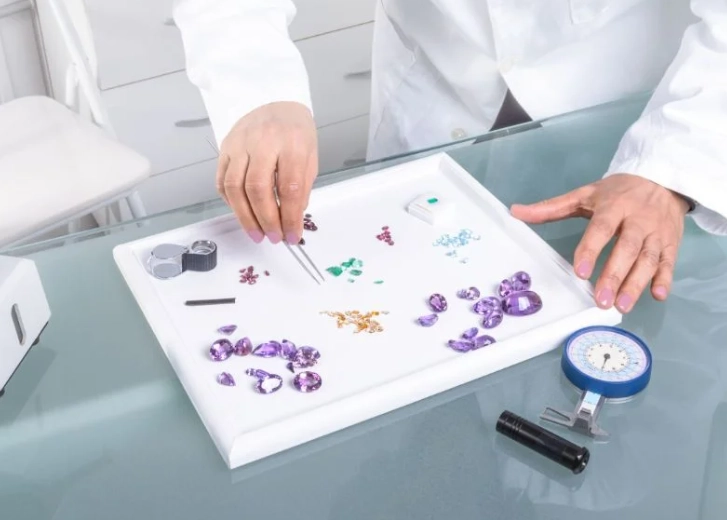
Step 2: Get Your Hands Dirty (The Most Important Step)
Certification gets you in the door. Experience gets you the job. You need to touch real stones. A lot of them.
Look for entry-level roles: Gemologist Assistant, Diamond Grader Trainee, Jewelry Sales Associate in a store with a gemologist on staff. Internships at labs or auction houses are competitive but golden. Don't be too proud to start at the bottom. Sorting melee (small diamonds) for hours teaches you more about color consistency than any textbook.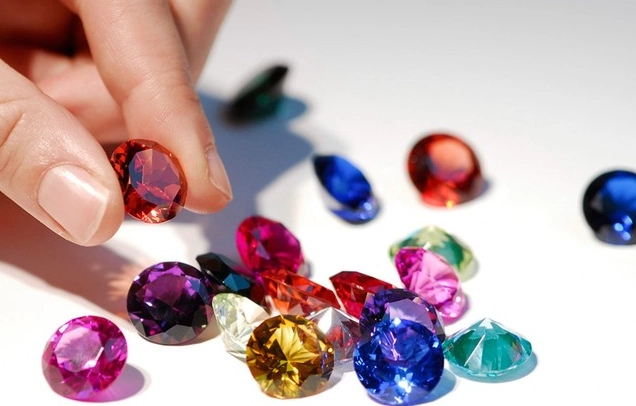
Step 3: Specialize and Never Stop Learning
Once you have a foundation, lean into what fascinates you. Is it the booming market for lab-grown diamonds and the tech to identify them? Dive deep. The International Gemological Institute (IGI) offers courses on this. Is it the history of antique jewelry cuts? Start reading auction catalogs like novels. The field evolves fast—new treatments, new synthetics. Continuous education isn't a suggestion; it's a job requirement.
Gemologist Salary & Career Outlook: The Real Numbers
Let's talk money. The U.S. Bureau of Labor Statistics lumps gemologists with "Jewelers and Precious Stone and Metal Workers," showing a median pay around $46,000. That's misleading for a credentialed professional.
From my observation and industry surveys (like those from the American Gem Society (AGS)), a certified gemologist with a few years of experience can realistically expect $55,000 to $80,000. Specialists in labs or high-end trade easily push into six figures. Location matters immensely. A gemologist in a small Midwest city will earn less than one in New York's Diamond District, but the cost of living adjusts that.
The outlook? It's nuanced. Automation and AI are entering the lab for basic diamond grading measurements, but the human eye and expert judgment for rare stones, colored gems, and complex identifications are irreplaceable. The real growth area is in identification and certification of lab-grown and treated stones. As these products flood the market, the need for experts who can provide clear, trusted answers to both the trade and consumers is exploding. It's a tech-driven shift creating new gemologist jobs.
The career path isn't a straight corporate ladder. It's more about building a reputation for accuracy and integrity. You might start in a lab, move to a trader to understand value, and then open your own independent appraisal firm. Each move adds a layer to your expertise.